FMCG Launch Strategy Using Cabs and Transit Media
 By Kalpana Rathore
Launching a new FMCG product is harder than before. Store shelves are crowded. Ads compete everywhere. Digital spaces are noisy. Consumers also scroll fast and skip ads.
Because of this, brands need repeated visibility. They must show up every day, not once. A single ad burst does not work anymore. This is where a strong FMCG marketing strategy becomes important. It should reach people during daily movement.
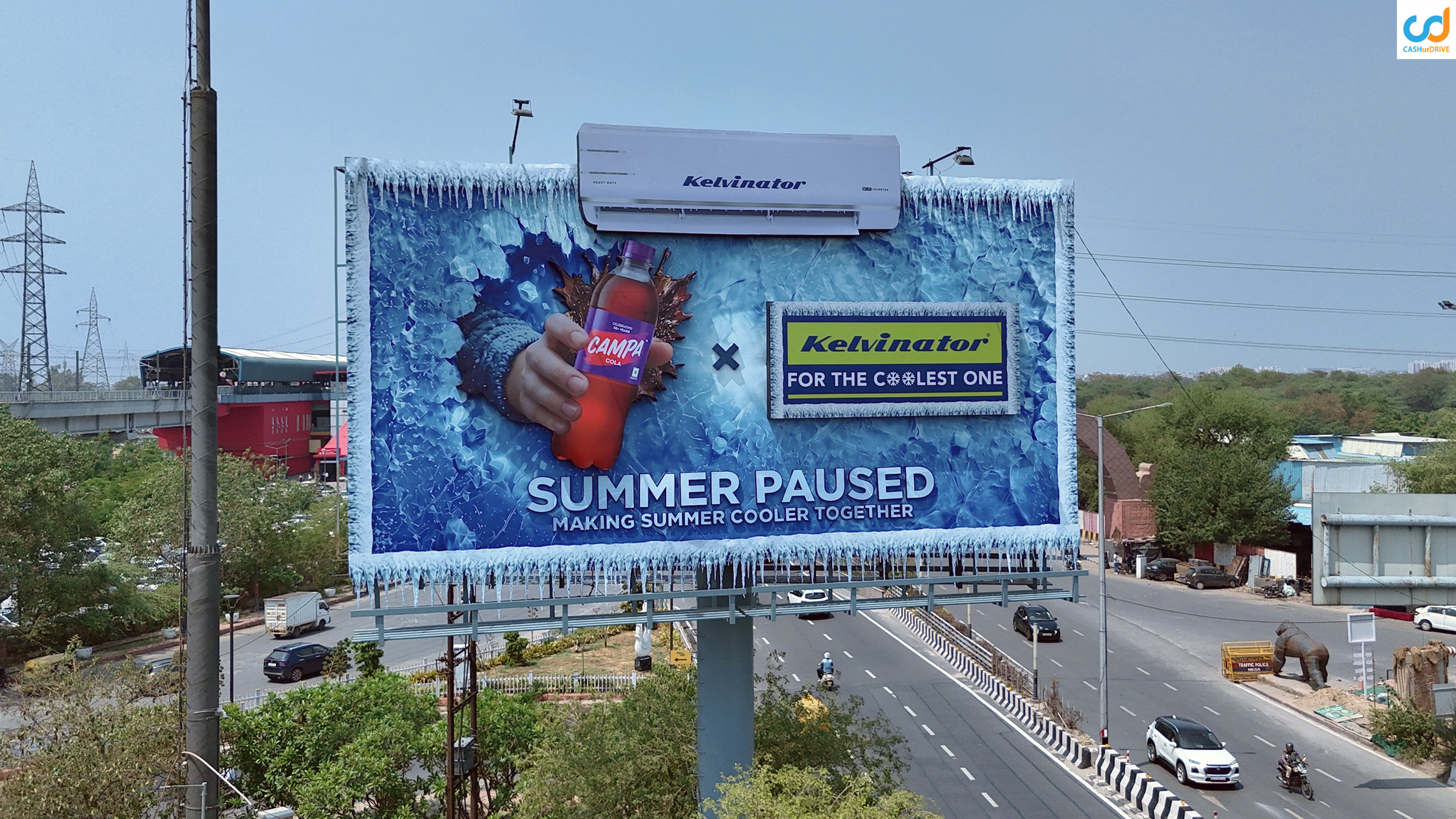
Cabs, buses, and transit hubs make this possible. They stay visible during routine travel. By 2026, these spaces will play a major role in product launches. Mobility media is now a core part of planning. This article explains how cabs and transit hubs support high-frequency FMCG launches in India.
Why Frequency Matters in an FMCG Marketing Strategy?
Many brands focus only on reach. However, reach alone does not build memory. A one-time ad is easy to forget. People remember what they see often.
Repetition creates familiarity. Familiarity builds trust. Over time, trust drives preference. Because of this, frequency matters more than short-term reach.
A well-planned FMCG marketing strategy focuses on daily exposure. Mobility media supports this perfectly. The same consumer sees the same brand again and again. As a result, recall improves naturally.
How Urban Travel Shapes FMCG Exposure?
Urban consumers travel every day. They commute to work, run errands, and meet people. Because of this, transit spaces see steady movement. In contrast, digital ads disappear quickly. Many are skipped. Others get ignored. Over time, people become blind to screens.
Physical visibility feels more real. Transit media stays present. This makes it effective for FMCG products, which are used daily. Repeated exposure supports habitual buying. As a result, transit media advertising for FMCG fits naturally into everyday life.
Why Transit Hubs Work for FMCG Launch Marketing Strategy?
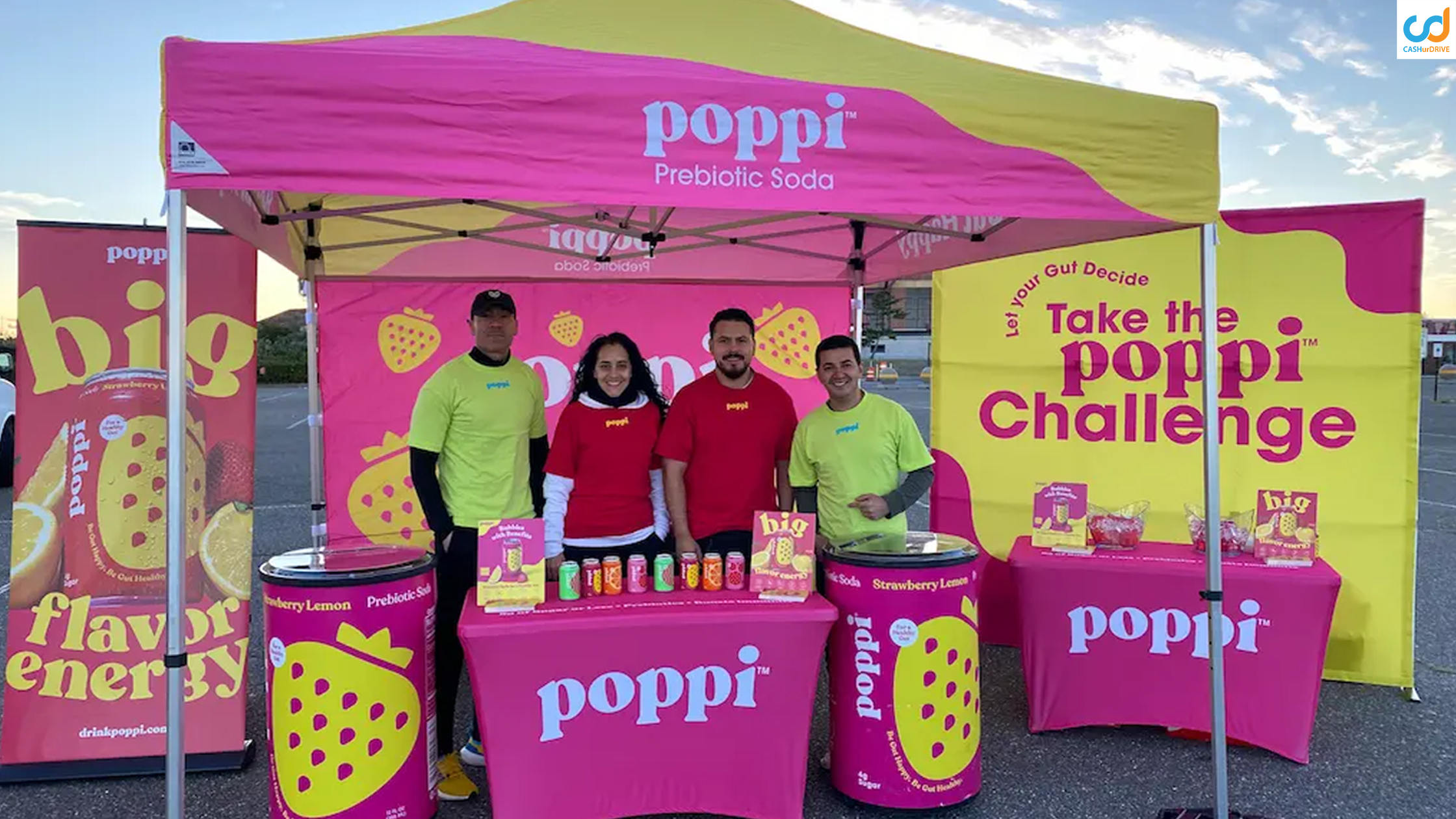
Transit hubs include metro stations, bus terminals, and railway exits. These places attract large crowds every day. People also spend time waiting there. Waiting increases attention. Because of this, ads get noticed longer. This makes transit media advertising for FMCG highly effective.
Transit hubs also attract mixed audiences. All income groups pass through them. As a result, brands gain wide exposure quickly. Many hubs are near retail areas. This shortens the path from exposure to purchase. A consumer sees the ad and buys the product on the same route.
How Cab Advertising for FMCG Brands Builds Daily Recall
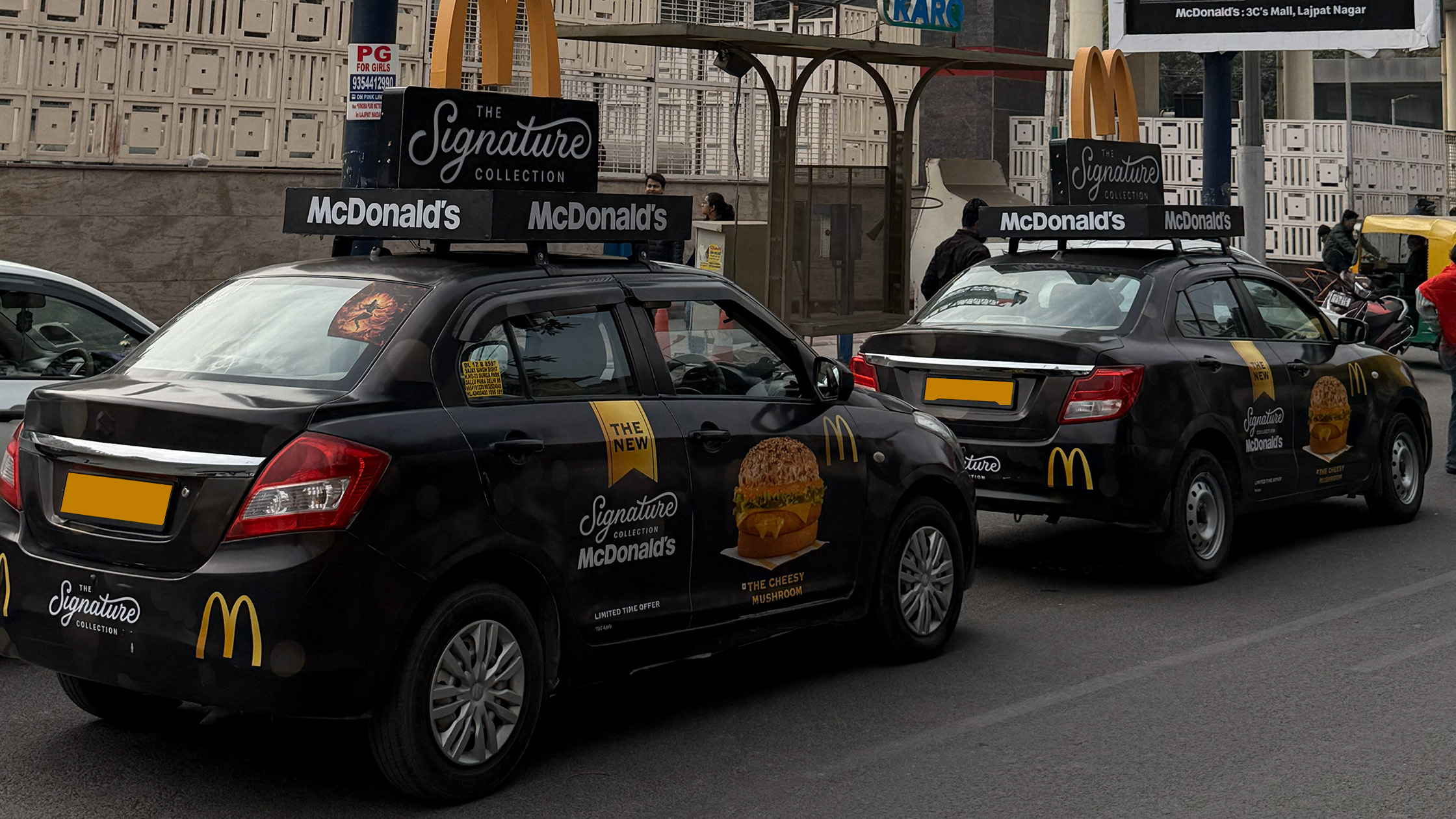
Cabs move across the city all day. They pass offices, homes, markets, and stores. This movement creates repeated brand exposure.
Cab advertising for FMCG brands works well because:
- Vehicles stay on roads for long hours
- Routes repeat every day
- Ads appear close to buying locations
Because of this, recall builds faster. In many cases, the same person sees the same cab multiple times in a week. That repetition is powerful during launches.
Cabs also cross different neighbourhoods. This helps brands reach multiple segments with fewer placements.
Why Combining Cabs and Transit Hubs Strengthens FMCG Marketing Strategy
Using one channel helps. Using two works better.
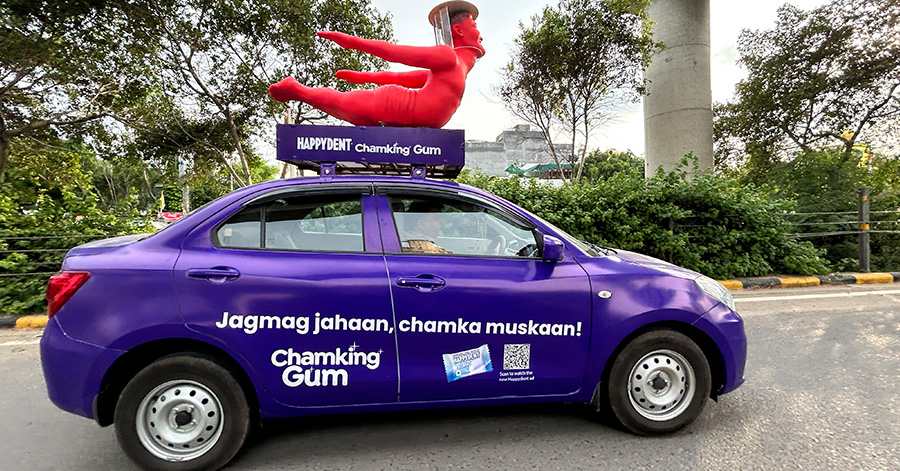
Cabs provide movement. Transit hubs provide waiting time. Together, they create full-day visibility.
For example, a consumer may:
- See a cab ad in the morning
- Notice the same brand at a bus stop
- Recall it again in the evening
Because of this, memory strengthens. This layered exposure is ideal for a strong FMCG marketing technique. It also helps brands control frequency without overspending.
Planning a High-Frequency FMCG Marketing Strategy
First, focus on visibility. Early launch ads should stay simple. Simple messages are easier to remember. Second, repeat the same visuals. Avoid changing colours or logos often. Consistency improves recall.
Third, run the campaign for at least four weeks. Short campaigns fade quickly. Longer campaigns allow repetition and better tracking.
Finally, align routes with retail clusters. When ads appear near stores, people are more likely to buy. Because of this, route planning is critical.
Creative Rules for Mobility Media
Mobility audiences glance. They do not read long copy. Therefore, creatives must stay clear:
- One strong message
- Large text
- High contrast
Avoid clutter. Avoid long lines. As a result, ads stay readable even in motion.
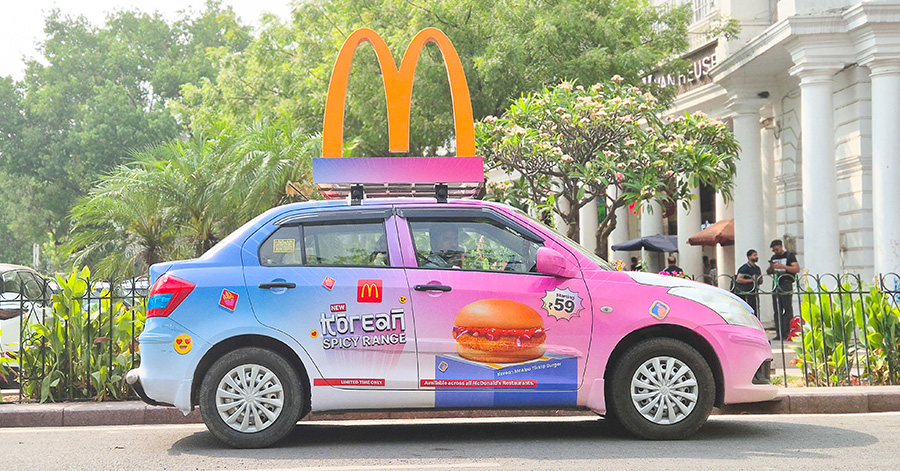
Strong creatives also include pack shots. Clear product visuals help consumers find the product in stores.
Using Local Messaging in FMCG Marketing Strategy
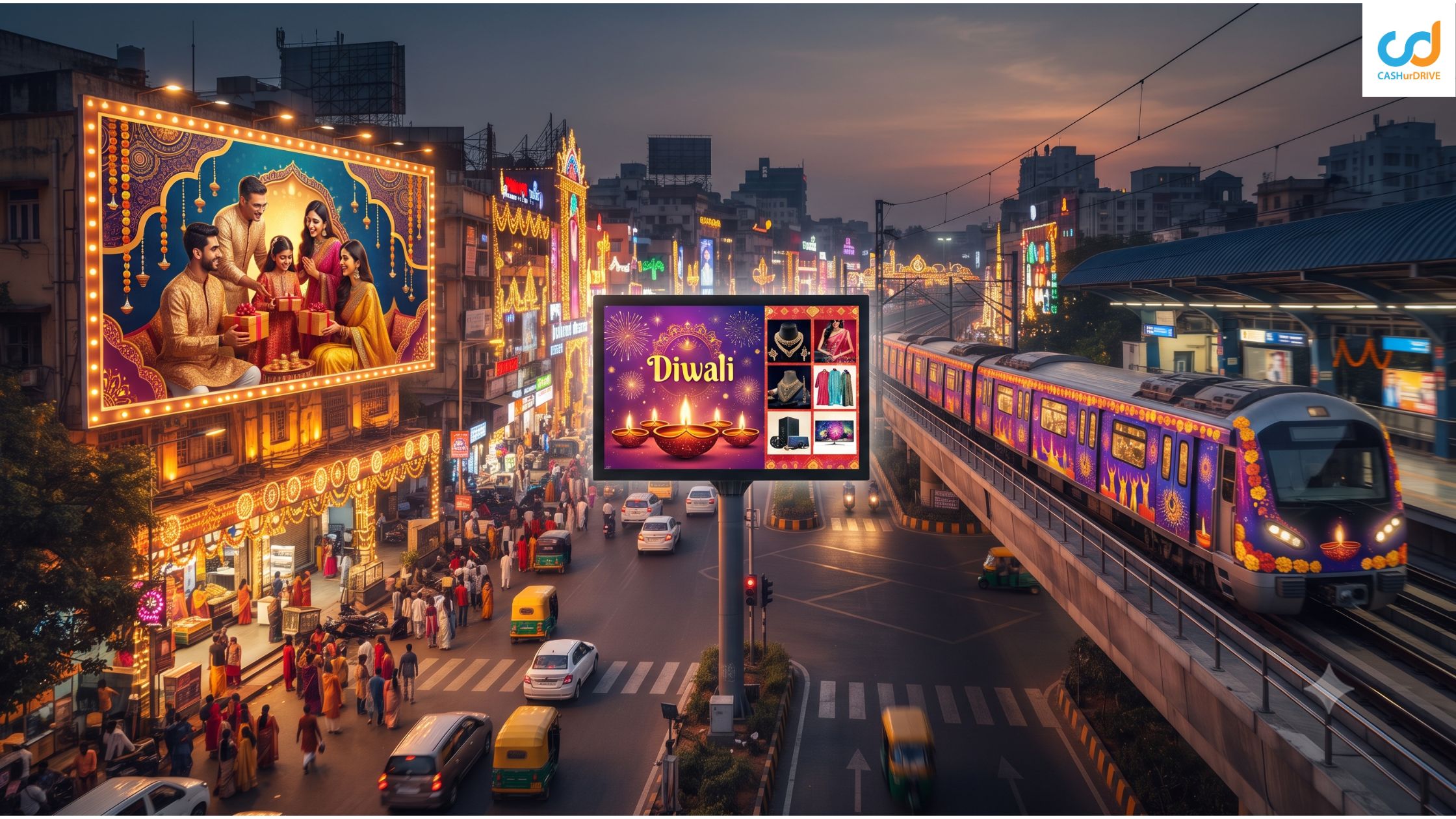
India is not one market. Each city behaves differently. Mobility media allows local changes.
Language, offers, and visuals can change by region. Because of this, ads feel more relevant. Local relevance improves response and recall.
This approach helps regional brands, too. They can launch city by city. Later, they can scale nationally using the same FMCG launch marketing strategy.
Measuring FMCG Launch Impact Clearly
Outdoor success is not only about views. Brands should track:
- Store visits near routes
- Brand recall surveys
- Sales lift by area
Because routes stay fixed, tracking becomes easier. As a result, results feel clearer.
Brands can also add QR codes or short links. These tools connect outdoor visibility with digital action.
Budget Control in an FMCG Marketing Strategy
Mobility media is easy to scale. Brands can start small and expand later.
Cabs provide wide movement. Transit hubs offer a steady presence. Together, they balance cost and reach.
Because of this balance, even mid-sized brands can plan strong launches. Budgets can also shift during peak weeks. This improves ROI.
Why an FMCG Advertising Agency Adds Value?
Mobility campaigns involve planning, permissions, and timing. This is where an FMCG advertising agency helps.
Such teams understand retail behaviour. They manage execution and reporting. As a result, campaigns run smoothly.
A strong FMCG ad agency also helps select the right inventory. This ensures ads appear in high-impact locations.
Growth of Cab Advertising in India
Ride-based travel is growing fast. App-based taxis are common in many cities. Because of this, cab advertising in India continues to expand.
For FMCG brands, this allows faster scale. Brands can test one city first and then expand. This flexibility supports smarter launches.
Role of Bus Media in FMCG Marketing?
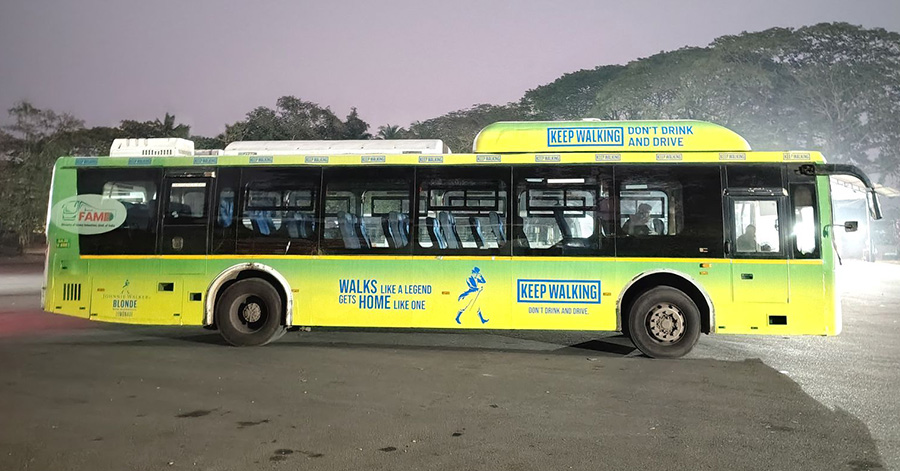
Buses run fixed routes daily. They serve office and local travel. Because of this, bus branding works well for mass FMCG products.
Bus shelters also offer long viewing time. This makes them reliable launch tools, especially in high-density areas. Tier 2 and Tier 3 cities benefit the most from bus media.
Common Mistakes FMCG Brands Should Avoid
Some launches fail due to simple mistakes:
- Very short campaigns
- Too many messages
- Frequent creative changes
Avoiding these improves recall. Consistency matters more than variety during launches. Brands should also avoid low-traffic routes.
Preparing FMCG Launch Marketing Strategy for 2026
Urban travel will keep growing. Competition will rise too. Because of this, brands must plan early.
High-frequency visibility will define future launches. Mobility media will sit at the centre of planning. Brands that adapt early will gain stronger recall and market share.
Conclusion
FMCG launches need daily visibility. Cabs and transit hubs provide this naturally. They follow real routines and repeat messages without interruption.
For future launches, mobility media is no longer optional. A strong FMCG marketing strategy must include cabs and transit hubs.
FAQs
-
What is mobility media in FMCG marketing?
Mobility media includes ads on cabs, buses, metro stations, and transit hubs. It helps FMCG brands stay visible during daily travel.
-
Why is frequency important in an FMCG marketing strategy?
FMCG products depend on recall and habit. Repeated exposure helps consumers remember and choose the brand.
-
How does cab advertising for FMCG brands help launches?
Cabs travel across key routes all day. This creates repeated exposure near homes, offices, and stores.
-
Is transit media advertising for FMCG effective?
Yes. Transit hubs offer high footfall and longer attention time, which improves message retention.
-
Can regional brands use this FMCG marketing strategy?
Yes. Mobility media supports city-wise launches with local language and messaging.