Transit Media vs Billboard: Which Wins for Urban Reach?
 By Kshitij
Transit media vs billboard. It sounds like a small decision until you’re the one staring at a budget spreadsheet, trying to figure out where it should actually go. A lot of marketers just default to billboards because that’s what “outdoor ad” has always meant to them. But that’s not actually a strategy, it’s an approach.
Both exist outside the home environment, and both compete for the attention of the same audience that is partially paying attention. But the way they earn that attention is nothing alike. One sits in a fixed spot and waits for traffic to roll by. The other rides through the city all day, parking itself in front of a new face every few minutes.
So let’s actually work through the transit media vs billboard question properly, instead of guessing.
Transit Media vs Billboard
Before getting into the reasoning, here’s the short version most people want first.
| Factor | Transit Media | Billboard |
| Location | Moves across routes and stops | Fixed in one spot |
| Audience reached | Walkers, riders, commuters | Mostly drivers |
| Frequency | The same viewer sees it daily | Usually seen once |
| Dwell time | Minutes per view (ride or wait) | A few seconds |
| Targeting | By route, neighborhood, or income | By road or intersection only |
| Best city fit | Dense, transit-heavy cities | Car-heavy cities or highways |
| Typical cost | Lower CPM in most markets | Higher CPM at prime spots |
| Setup time | Days to a few weeks | Weeks to months for prime spots |
In the transit media vs billboard matchup, transit usually wins on frequency and precision, while billboards still hold the edge on raw scale at one fixed point. Neither wins outright. It really comes down to who you’re trying to reach.
What’s the Core Difference Between the Two?
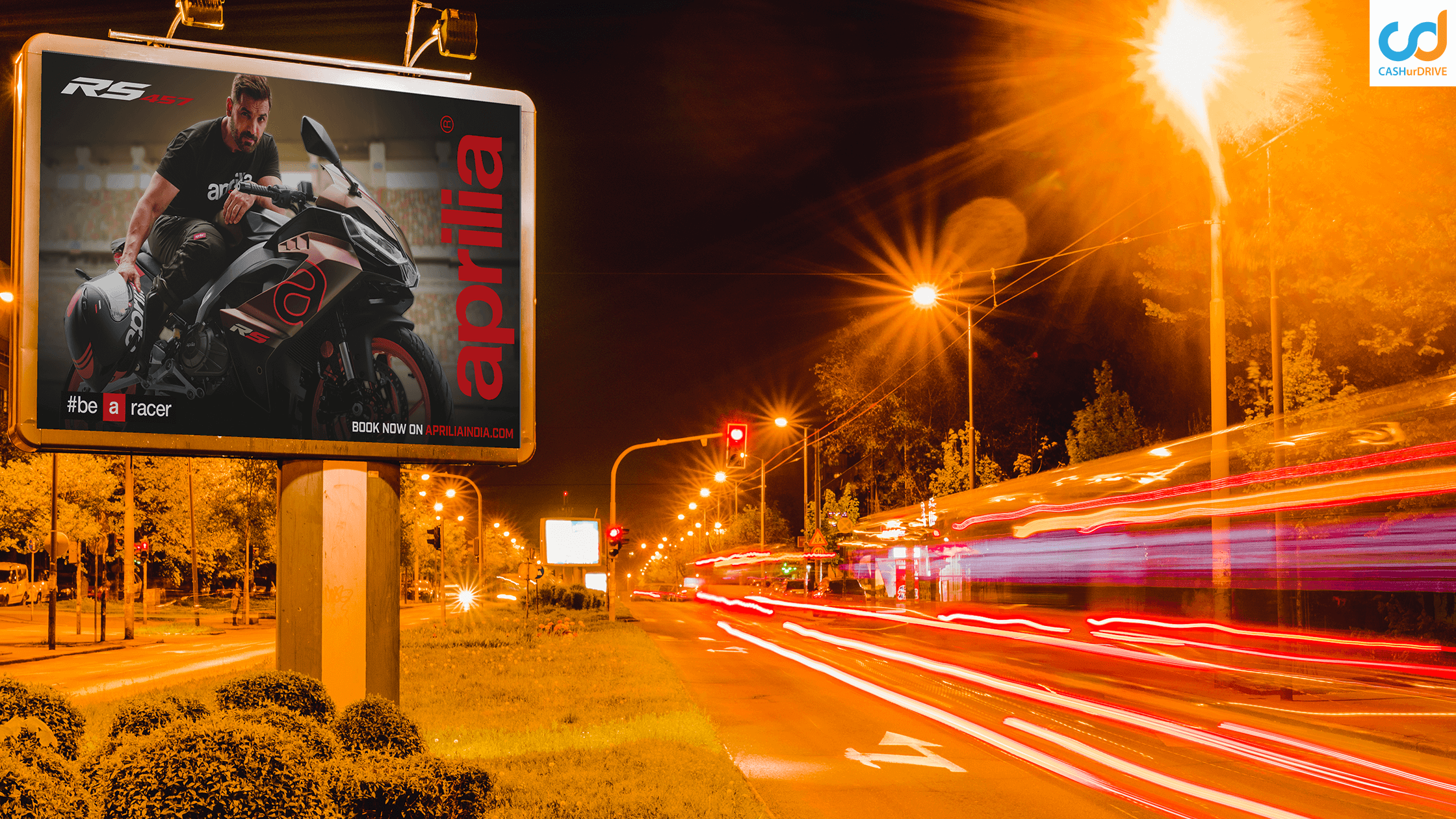
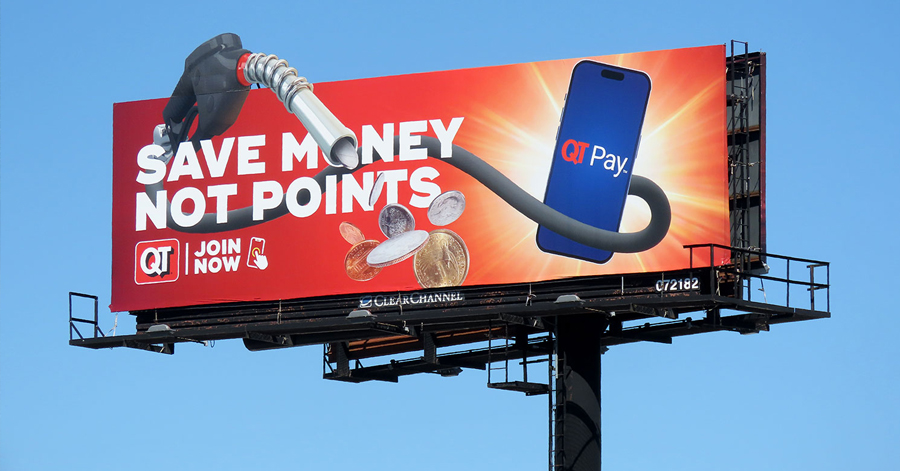
A billboard is exactly what it looks like, sitting there. One corner, one stretch of highway, no movement at all. Drivers pass it once, maybe twice if they take the same route home every day.
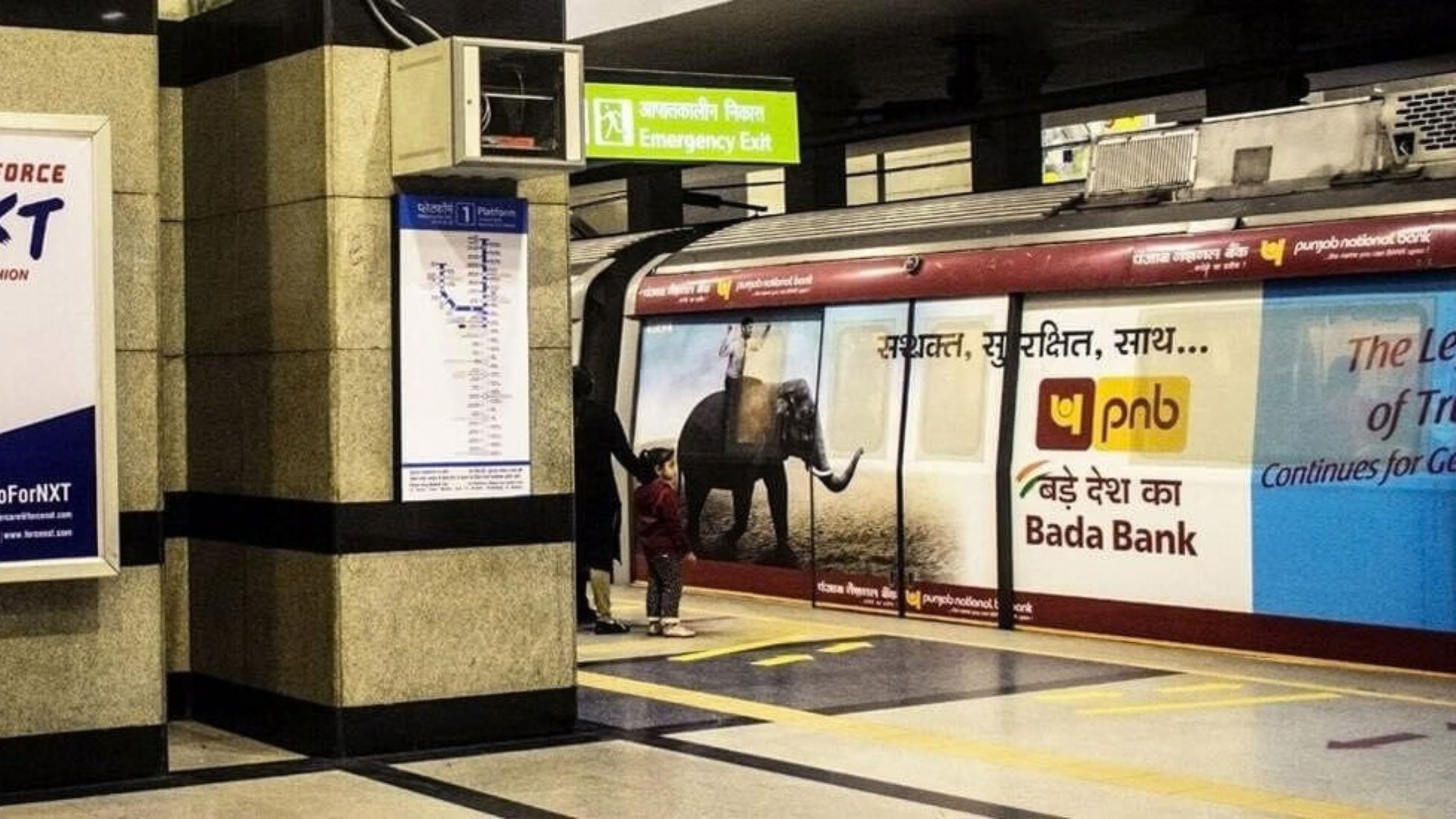
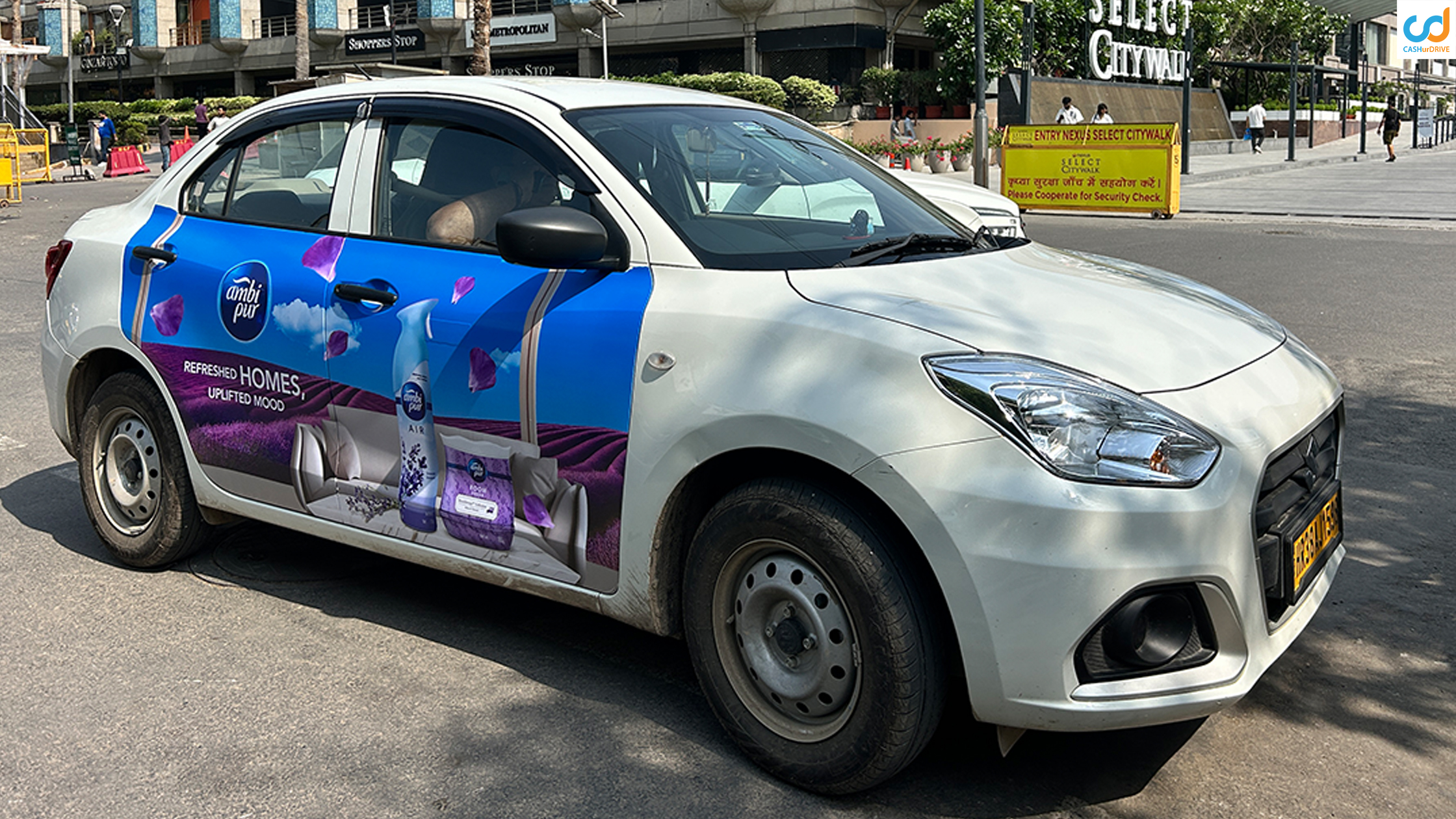
Transit media does the opposite. It travels with the city itself. A bus wrap can cross a dozen neighborhoods before lunch. A subway poster sits in front of the same tired commuters morning and night, week after week, without anyone having to lift a finger.
Strip away the marketing language, and that’s really the whole difference between transit media and billboard advertising. One is a place. The other is closer to a moving network. Once that idea clicks, everything else about this decision gets a lot less confusing.
Which One Works Better In Crowded Urban Areas?
This is when most brands miss out on their marketing strategies. In an urban area made for cars, billboards definitely have their uses.
Drivers see them, the message lands, fine, no complaints there. But step into a dense city like New York, Boston, or Chicago, and the math shifts fast. Fewer people are behind the wheel. Most of these people are either walking, cycling, or squashed into trains at eight in the morning.
A billboard designed for motorists cannot be made for such an audience.
Transit ads close that gap in ways a fixed board can’t really touch:
- A commuter sees your bus ad nearly every day, not as a one-time glance
- Someone standing on a packed platform genuinely has nowhere else to look
- A subway ad gets viewed for an entire ride, while a billboard gets maybe two seconds, tops
- You can run ads only on the routes that pass through your exact target neighborhood
That’s also why so many direct-to-consumer brands lean toward buses instead of highway space. A bus wrap zeroes in on one zip code, costs less per view than premium billboard real estate, and there’s something about a brand showing up on a city bus that just feels established. More real, even if the company launched eighteen months ago.
So in the transit media vs billboard debate, specifically inside dense cities, transit comes out ahead more often than not. Billboards still hold their edge near major highways, though, so this isn’t some clean sweep in either direction.
Where Does Each Format Fall Short?
Nothing here is perfect, and it’s worth saying so plainly.
Billboards lose a lot of their punch once a city gets walkable. If half your audience isn’t driving, you’re paying for impressions that never reach the right person at all. They also can’t get specific. You’re buying everyone who happens to drive past that one intersection, customer or not, interested or not.
Transit media has its own ceiling too. It only covers routes that buses and trains actually run, so if your audience lives or works outside those lines, it won’t do much for you. Measurement gets trickier as well. But since there is no tracking software involved, most of the time you would have to estimate rather than calculate based on concrete numbers.
How Much Do They Cost?
Prices fluctuate greatly depending on location; consider these as approximate guidelines.
Top notch advertising billboards on the highway in major cities can cost five-figure amounts per month. In smaller towns, they are much cheaper. Bus wraps are typically priced per bus, per month, and they usually land below comparable billboard rates in the same city. Subway and train ads get priced per car or per station, with simple posters costing less than a full wrap. Transit shelters tend to be the cheapest format on this whole list, which makes them a smart pick if you’re focused on just a neighborhood or two.
Generally, if your city has a strong transit system, your money goes further there than it would sunk into one billboard.
How Do You Actually Decide Which One to Use?

Start with one question. How does your audience actually get around?
If they’re mostly driving, a billboard along their commute still makes sense. This can be quite simple, direct and effective too. But if your audience is someone who travels daily via foot, cycling or using public transport systems, then bus and train ads would be far more effective because your message would be seen multiple times without further costs incurred on it.
A new player in this field? Might as well seek the advice of a metro advertising company. They have statistics and figures about ridership and traffic flow that regular companies don’t even dream about. Plus, usually, it won’t take them long to pinpoint the routes and boards that are worth it for your target audience.
Transit Media vs Billboard: Verdict
If your audience walks, cycles, or uses public transit and needs repeated exposure but not extra expenses – choose transit media.
If you have an audience of motorists and you need to claim ownership of one particular section of the highway, go with a billboard. Got the budget for both? Use both. Billboards build broad scale. Transit media builds frequency with the people who pass your ad nearly every single day. Together, they cover the gaps that either one leaves behind on its own.
FAQs
Q1. Is transit media better than billboards for urban reach?
In dense cities with solid public transit, generally yes, mostly because transit reaches riders that billboards simply never catch. In heavily trafficked suburban areas, billboards seem to fare relatively well.
Q2. How much more affordable is transit media compared to billboards?
That varies from city to city, but generally speaking, transit media ads are more affordable than prime billboards, particularly in large cities where there are fewer and therefore pricier billboards.
Q3. Does the metro advertising agency also handle billboard ads?
Yes, the majority do, and a good one will always suggest what would be best for you based on your objectives.
Q4. Can small companies buy transit media ads?
Yes. Shelter advertisements and smaller bus ads are priced according to a smaller budget and can thus be considered very affordable.