How Offline Advertising Supports Digital Campaign Performance
 By Kalpana Rathore
Offline advertising and digital marketing are often treated as two separate budgets. They rarely share a plan – the split limits the results of both. When traditional advertising runs with digital campaigns, search, retargeting, and direct traffic all improve. The gains are real, and they can be tracked.
This article covers how offline advertising supports digital results. It examines which channels deliver the best results. And it explains what a combined strategy needs to work well.
The Role of Offline Advertising in the Digital Funnel
Digital channels such as paid search and social media are really good at getting people to notice things they already want. These ads work well when people see brands they are already familiar with – for example, Nike, Chanel, etc.
Offline Advertising is very useful when people know about it. Digital channels cannot build brand awareness from scratch, unlike offline Advertising. Exposure builds over time until the brand name becomes familiar. That prior awareness is what makes digital campaigns work better later.
Nielsen research found that brands running offline ads with digital had 57% higher purchase intent. This was compared to brands using digital alone. Offline spend creates the conditions under which digital becomes more efficient.
Three Digital Metrics That Improve With Offline Advertising

Branded Search Volume
Branded search means searches that include a brand name rather than a generic term. It is among the most valuable types of traffic a business can earn. Cost per click is much lower than for non-branded terms.
Direct Site Traffic
Offline exposure raises the number of people who visit a website directly. They type the URL rather than click a paid link. Each direct visit is traffic that does not need ad spend to reach.
Retargeting Performance
Retargeting campaigns perform better when people have seen the brand offline first. Kantar research found a 35% rise in retargeting conversions. This was among people who had seen the brand offline first.
OOH Advertising Benefits and Digital Behaviour
Out-of-home advertising has a direct and proven effect on online behaviour. According to OAAA, 66% of smartphone users have searched for a brand after seeing an OOH ad. This is not a slow or indirect result. It is an outdoor placement driving a digital search.
The benefits of OOH advertising have increased as programmatic DOOH has grown. Now, outdoor placements can be purchased, paused, and changed just like digital advertisements. Creative can change at any time of the day. The budget can shift based on live data. The gap between outdoor buying and digital buying has narrowed.
Location alignment is a key strength of OOH. Outdoor ads are local by nature. A campaign in one city, paired with paid search in the same area, builds brand presence fast. The audience sees the brand in multiple settings. This speeds up recognition and builds trust faster.
Traditional vs Digital Advertising
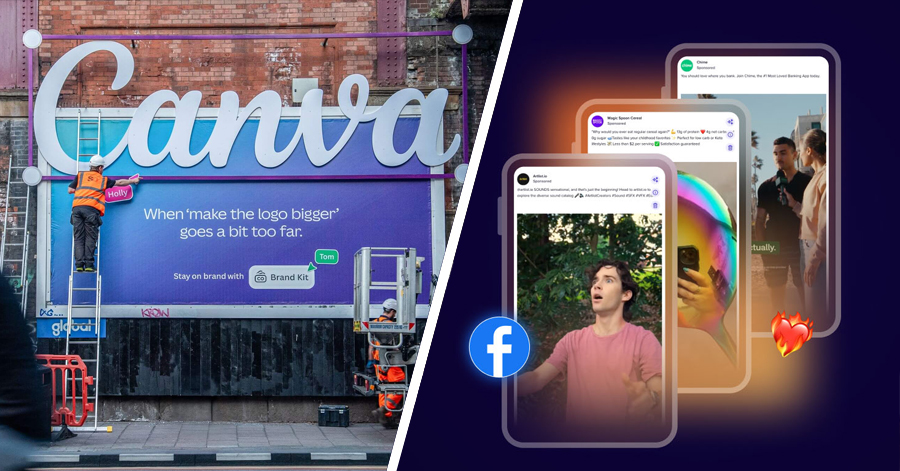
The traditional vs digital advertising debate is often treated as a choice between two options. Traditional media advertising is used for things like print, radio, TV, and direct mail. Traditional media advertising works at the top of the marketing funnel. It helps people learn about media advertising and what it can do for them through traditional media advertising. It reaches people who are not yet close to a purchase. It builds brand memory through repeated exposure. It earns trust over time.
Consumer trust data supports this view. Ipsos research shows 82% of consumers trust print advertising. Only 25% say the same for social media ads – that gap in trust affects how people respond to digital ads from the same brand. A brand with a strong traditional media presence carries more trust in its digital campaigns.
Digital advertising works well when people are almost ready to make a decision. It is like the step before they buy something. Digital advertising targets people who’re already close to a decision.
Running ads to people who do not know about the product is expensive. Usually does not work very well. If we use a way of marketing that tells people about the product first, then digital advertising becomes much more effective.
Building an Omnichannel Marketing Strategy
An omnichannel marketing strategy connects both physical and online experiences in order to enhance overall performance through consistent communication between channels.
The most common failure in combined campaigns is not the budget. It is a mismatch between the creative and the message. When a consumer sees an offline ad, they expect the retargeting ad to match. A different look or tone breaks that link. The effect of repeated exposure is lost. Both channels keep spending without helping each other.
Consistent visuals, a shared message, and matched location targeting are the basic needs. If digital campaigns target a specific city, offline must cover the same area. Placements outside the digital targeting zone produce impressions that never benefit the campaign.
Tracking also needs to be set up correctly. Last-click tracking always undervalues offline ads. Offline channels rarely get the last click before a sale. But they drive branded search, direct traffic, and better retargeting results. Other channels often get the credit under standard tracking.
Traditional Advertising Benefits
The case for offline spend is well backed by data. Here are the core benefits it brings:
- Brand awareness starts before customers are ever presented with a digital advertisement which allows people to have fewer issues completing their purchase journeys; therefore, improving their likelihood of conversion.
- In addition, many people have a greater sense of trust toward traditional advertisement formats as opposed to digital advertisement formats. This level of trust is maintained when people see that same company online.
- Branded search, direct traffic, and retargeting results all improve when offline advertising runs in the same market. Local brand presence is built in ways that digital targeting alone cannot match.
- Digital cost per click falls over time as audiences arrive already familiar with the brand. These do not show in last-click reports. They need proper tracking to capture. But the impact on digital results is consistent and backed by third-party data.
Selecting a Traditional Advertising Company

Not every traditional advertising company handles this the same way. Some focus only on reach. They do not show how their channel links to wider results. A strong partner plans around how offline feeds into digital from day one.
When evaluating a traditional advertising firm, obtain proof of how much lift the traditional medium provided in terms of driving traffic from traditional media to your site (i.e., branded search traffic, direct traffic, and/or increases in conversion rates). This shows the partner knows how their channel works within a full plan.
Programmatic DOOH ability is worth choosing where available. It allows outdoor placements to match digital timing and targeting in ways that static buying cannot. Check that offline coverage matches your digital campaigns. A broad buy outside your targeting zone is wasted spend.
Final Thoughts
By increasing brand awareness prior to audiences reaching a paid touchpoint, offline advertising enhances digital results. The cost of digital conversion is reduced by the offline exposure. It enhances search, retargeting, and direct traffic results. With the proper setup, the impact can be measured.