Programmatic DOOH in India: The Future of Transit Media (2026)
 By Kalpana Rathore
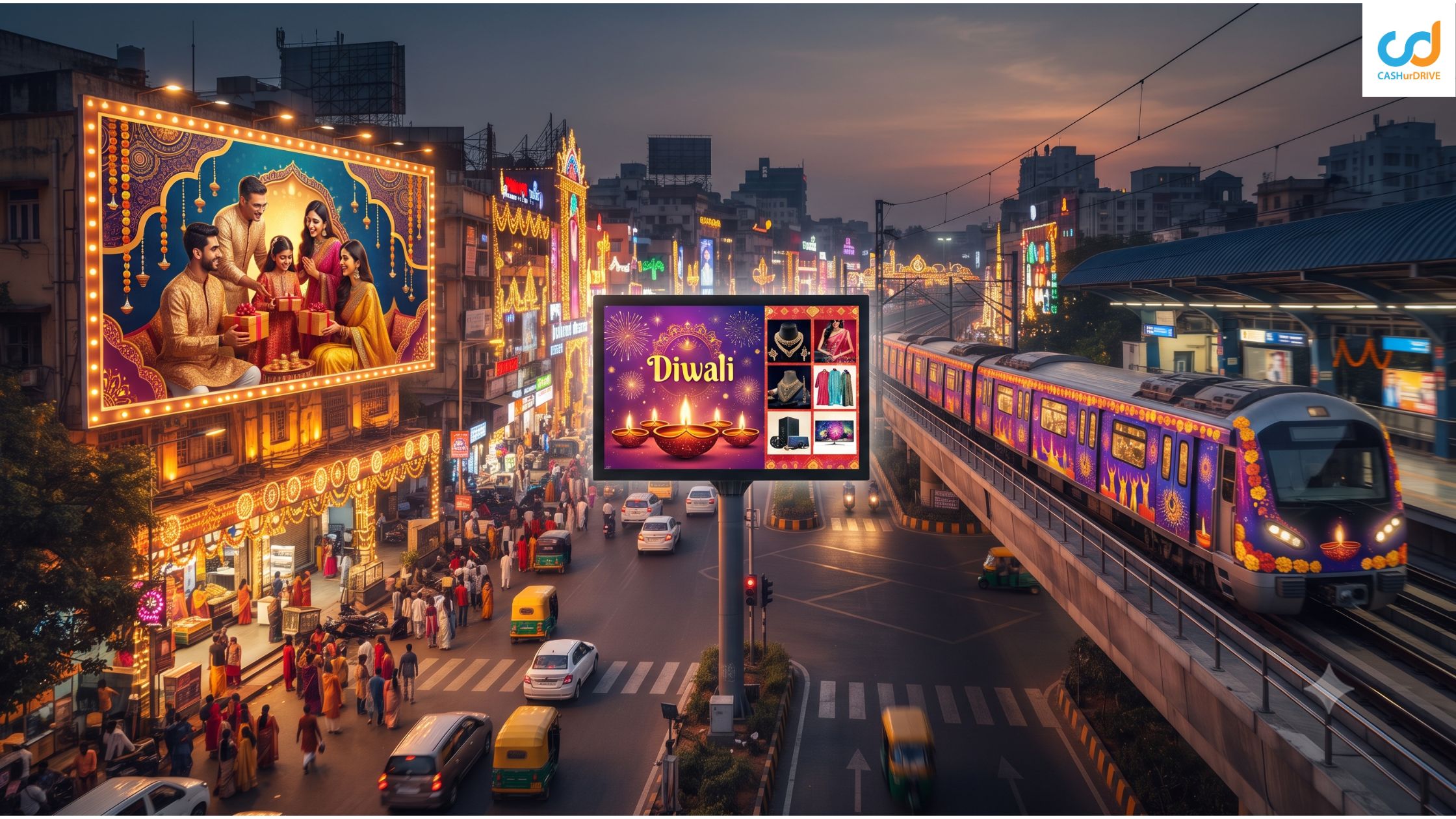
The market for outdoor ads in India is changing very quickly. Cities are getting bigger, and more people drive to work every day. This change has made it easier for brands to get in touch with people who aren’t at home. Programmatic DOOH in India is at the forefront of this change.
It combines ads outside with systems that let people buy things without having to do anything. Because of this, companies can decide when and where their ads will show up. Planning, keeping track of, and improving transit media is now easier.
Why Traditional Outdoor Advertising Needs Smarter Planning Today?
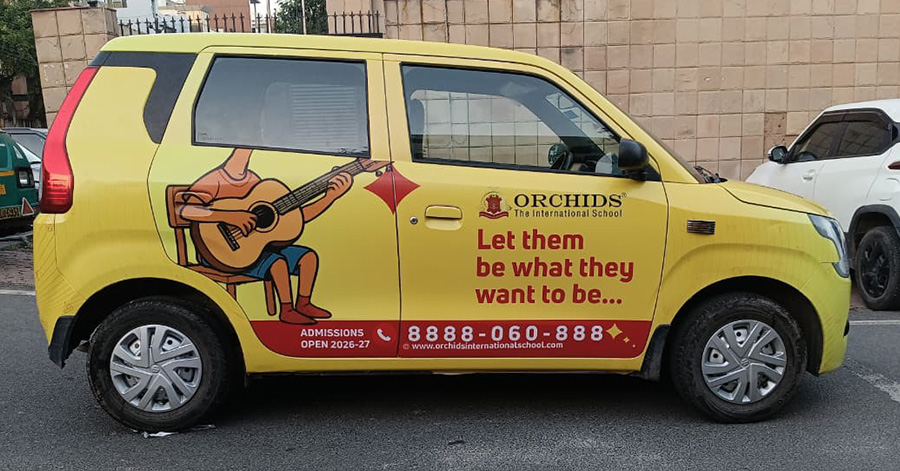
Traditional outdoor advertising has long been a powerful medium for mass visibility and brand recall. Formats like hoardings and fixed screens continue to deliver consistent exposure across cities. However, these formats typically rely on fixed placements and advance bookings, which can limit flexibility once a campaign goes live.
Reporting is also slow. Brands often receive performance data only after the campaign ends. This makes mid-campaign changes hard to apply. As a result, many brands feel limited by static outdoor formats.
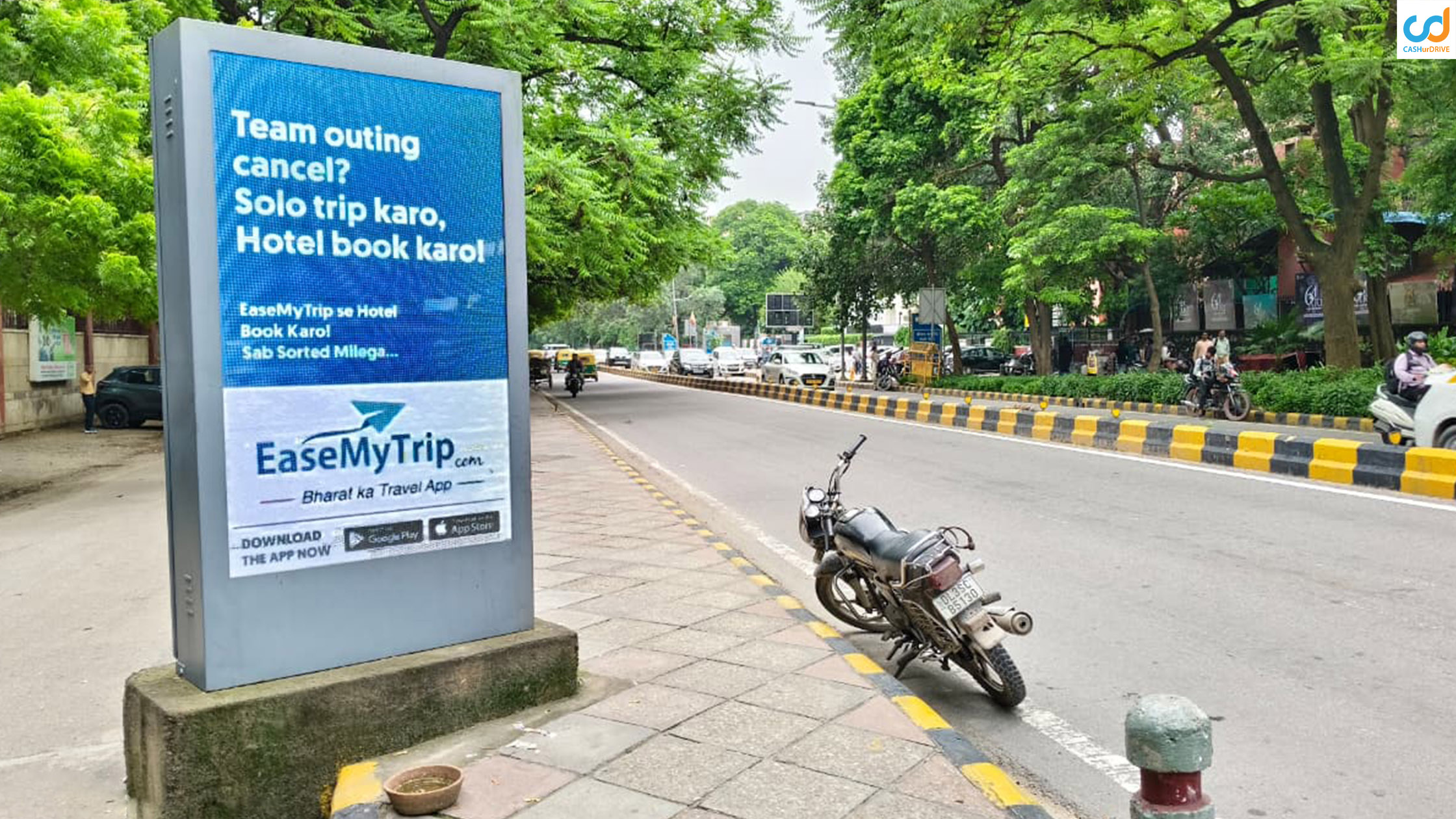
However, Programmatic digital out of home works differently. It uses software platforms to manage inventory. Brands can change their schedules and creative work more quickly. This makes outdoor advertising more flexible and easier to change.
Why Transit Media Holds Strong Value for Brands?
There are a lot of people at bus stops, airports and metro stations, which are all places where people can get on and off public transportation. People walk through these places every day. That’s why you see ads on buses and trains all the time. When people hear a brand name a lot, they remember it better.
You can’t miss ads on buses and trains either. They see them when they are waiting, walking, or on the road. People skip or block a lot of digital ads, though.
Transit media advertising works even better when brands use programmatic buying. Ads can only run during busy travel times. Low-footfall periods can be avoided. This ensures that each impression delivers real value.
Programmatic DOOH in India and Smarter Transit Media Planning
Brands can plan campaigns with Programmatic DOOH using signals from the real world. For instance, you can target office areas during lunch breaks. Travel companies can focus on weekends and holidays.
This approach makes ads feel more relevant. At the same time, it reduces wasted impressions. Brands pay only for exposure that matters. Over time, this helps campaigns perform better and improves recall.
How Smart DOOH Campaigns Improve Message Timing?
You need to time your outdoor ads very well. People don’t always pay attention to messages that aren’t clear. Smart DOOH campaigns use simple, real-time signals like the time of day, the weather, and how people are moving.
For example, drink companies can push cold drinks on hot afternoons. On Friday nights, retail brands can promote weekend deals near malls. Because of this, messages feel useful and timely. This increases attention and memory.
The Growing Role of Data in DOOH Advertising in India
Data now plays an important role in outdoor planning. Media owners track footfall and movement patterns. Because of this, DOOH advertising in India is becoming easier to measure.
The data used is grouped and anonymous. No personal tracking happens. This keeps privacy protected and builds trust.
Brands can use these insights to choose better locations. For example, screens near business areas may suit B2B brands. Mall locations may work better for retail. As a result, waste is reduced, and efficiency improves.
Why Programmatic DOOH Advertising Offers Better Control?
One key benefit of Programmatic DOOH in India is control. Brands know where ads appear and when they run. This level of clarity is often missing in traditional outdoor buying.
Programmatic systems also allow quick changes. Brands can pause low-performing locations and shift budgets to better ones. Because of this, results improve while the campaign is still live.
This method also helps brands stay consistent across cities. Messaging can be adjusted based on local response while keeping the main campaign intact.
Why Creative Simplicity Matters in Transit Spaces?
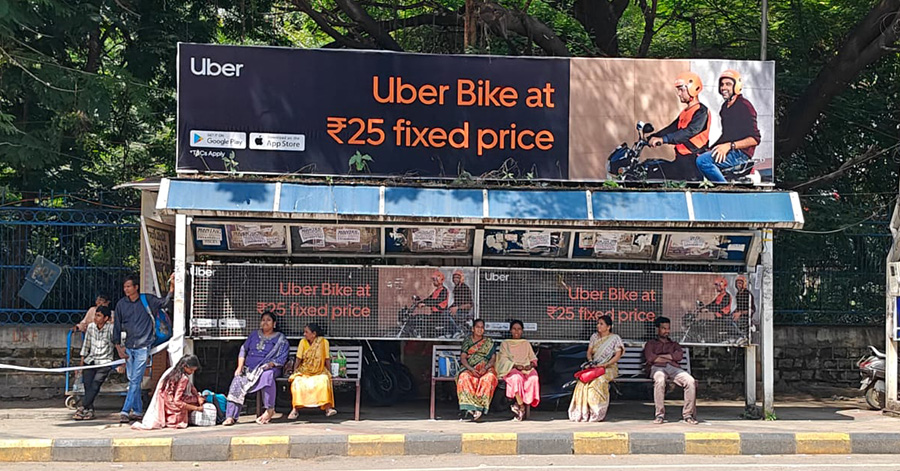
Transit audiences are always moving. Most people only look at screens for a few seconds. Because of this, creative people need to keep things simple and clear.
Strong DOOH creatives usually:
- Use large and readable text
- Focus on one clear message
- Avoid heavy visuals or long copy
Programmatic platforms allow creative testing. Brands can try different messages in different locations. This helps identify what works best. At the same time, consistent visuals across cities improve recall.
The Role of Agencies in Programmatic Transit Media
Programmatic outdoor planning involves many steps. Inventory varies by city, and technical skills are required. Because of this, many brands work with specialists.
A reliable OOH advertising agency in India can help you plan, carry out, and report on your ads. Agencies also give you access to high-quality inventory. They help with creative testing and keeping track of performance. This keeps campaigns on track with business goals.
How Programmatic DOOH Supports Omnichannel Marketing?
Modern marketing uses multiple channels. Outdoor advertising no longer works alone. Instead, it supports digital and mobile campaigns.
For example, transit ads can appear near stores. Later, the same message can reach users on mobile devices. This creates a connected brand experience. As a result, recall and engagement improve.
Planning Transit Media Across Different Indian Cities
Indian cities differ in size, traffic flow, and transit systems. Because of this, national planning can feel complex.
Programmatic buying simplifies this process. Campaigns can be adjusted by city and audience behaviour. Brands can test one market first and then expand. This flexibility helps brands scale with confidence.
Preparing for the Future of Transit Media by 2026
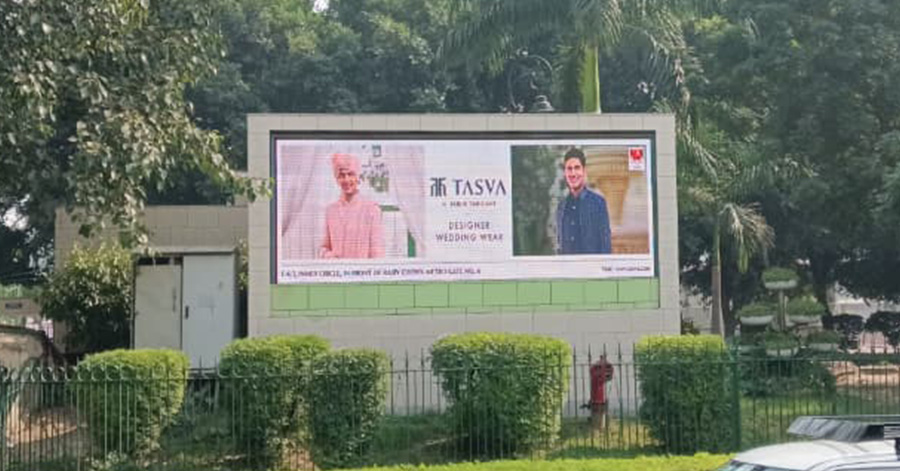
Programmatic buying is becoming the standard. Static-only planning is losing impact. Brands should prepare early by focusing on:
- Flexible budgets
- Location-based messaging
- Data-led planning
- Early use of Outdoor Advertising Solutions
As adoption grows, the market will become more performance-driven. Brands that adapt early will gain a strong advantage.
Common Challenges Brands Should Expect
Programmatic DOOH still comes with challenges. Inventory access can vary by region. Planning needs coordination. Technical issues may also occur.
However, these issues reduce with experience. Clear goals and strong partners help overcome them. Brands should also plan for seasonal changes, as festivals and holidays affect travel patterns.
Why Early Adoption Matters for Brands?
Early adopters gain clear benefits. They understand which locations work best. They test creatives faster and learn quicker. Over time, this creates a strong edge.
People who are late to adopt may have trouble catching up. Using Programmatic DOOH advertising early on helps brands stay ahead and create long-term value.
Conclusion
Programmatic DOOH in India is changing how brands buy media for public transport. It has better timing, more control, and clearer planning. Most importantly, it links digital thinking with outdoor advertising.
This way of thinking will shape future campaigns as mobility grows. Brands that change early will be able to reach more people, do more, and make a bigger impact.
FAQs
-
What’s the difference between DOOH and programmatic DOOH?
Digital outdoor advertising is what DOOH stands for. Programmatic DOOH adds automation and the ability to control things in real time.
-
What makes transit media good for remembering brands?
You see transit ads over and over again on the way to and from work. You will remember things better if you do this over and over.
-
Can programmatic DOOH make campaigns more profitable?
Yes. It cuts down on waste and lets you optimise in real time.
-
Is programmatic DOOH safe for the privacy of users?
Yes. It only uses data that is anonymous and grouped.
-
Do brands need an agency for programmatic DOOH?
Not required, but agencies can help with planning, tracking, and getting to your inventory.