How Transit Media Drives Footfall for New Store Openings?
 By Kalpana Rathore
The process of opening up a new store is enjoyable. Still, the actual task is to make people aware of it. Digital marketing is trending nowadays. Nevertheless, a physical store is important. It assists in attracting local clients.
Here is where transit media comes in. It places your store in front of the people. They witness it in their day-to-day travels. This creates awareness prior to their visit. Transit media is more than appropriate in contemporary retail advertisements.
To illustrate, such large companies as Reliance Retail and Zudio are using it. They advertise in the Delhi Metro Rail and the Mumbai Metro. These advertisements market the opening of new stores. The result? More awareness. And it attracts customers in the surrounding regions.
Why Transit Media Matters in a Retail Advertising Strategy?
Visibility matters a lot when you open a new store. Transit media gives you unique reach. This includes ads on buses, autos, metros, and at railway stations.
- Mass Exposure: A single bus wrap can reach thousands of people each day.
- Nearby Advertising: Transit routes often link to specific neighbourhoods. They offer the best way to target areas near your store.
- Physical Marketing Ideas That Stick: Passengers see the same ads over and over. This builds recall and sparks interest.
Therefore, when an electronic store was launched in Bengaluru, Koramangala, the team adopted branded BMTC buses. These buses were going through the locality. The advertisements generated fast recognition among the locals as well as visitors to the office. Consequently, there was an increase in store visits during the first week.
Different Forms of Transit Media Marketing
Different transit advertising service formats offer unique benefits depending on your store location and target audience.
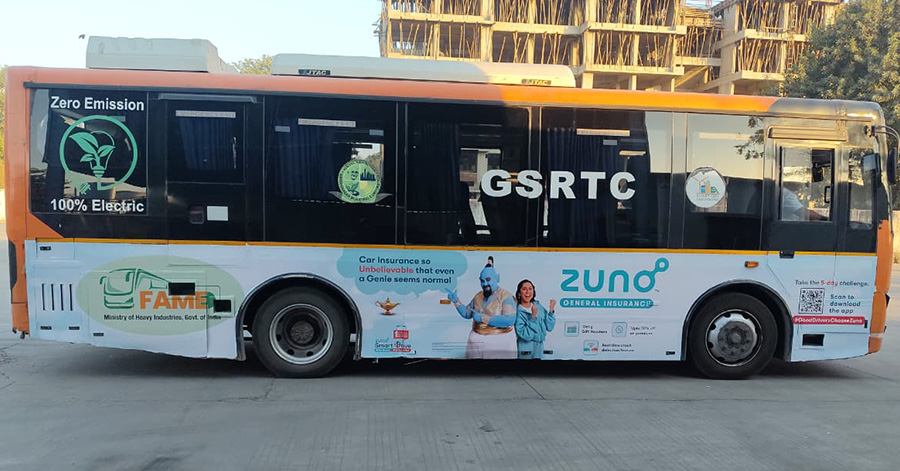
Bus Advertising: Bus advertising for retail is effective since buses pass through commercial and residential high-traffic zones.
For example, in the case of Starbucks’ expansion in Hyderabad, transit visibility served to support the creation of awareness in the neighborhood around new locations.
Buses offer:
- Large visual space
- Broad reach
- Strong local presence
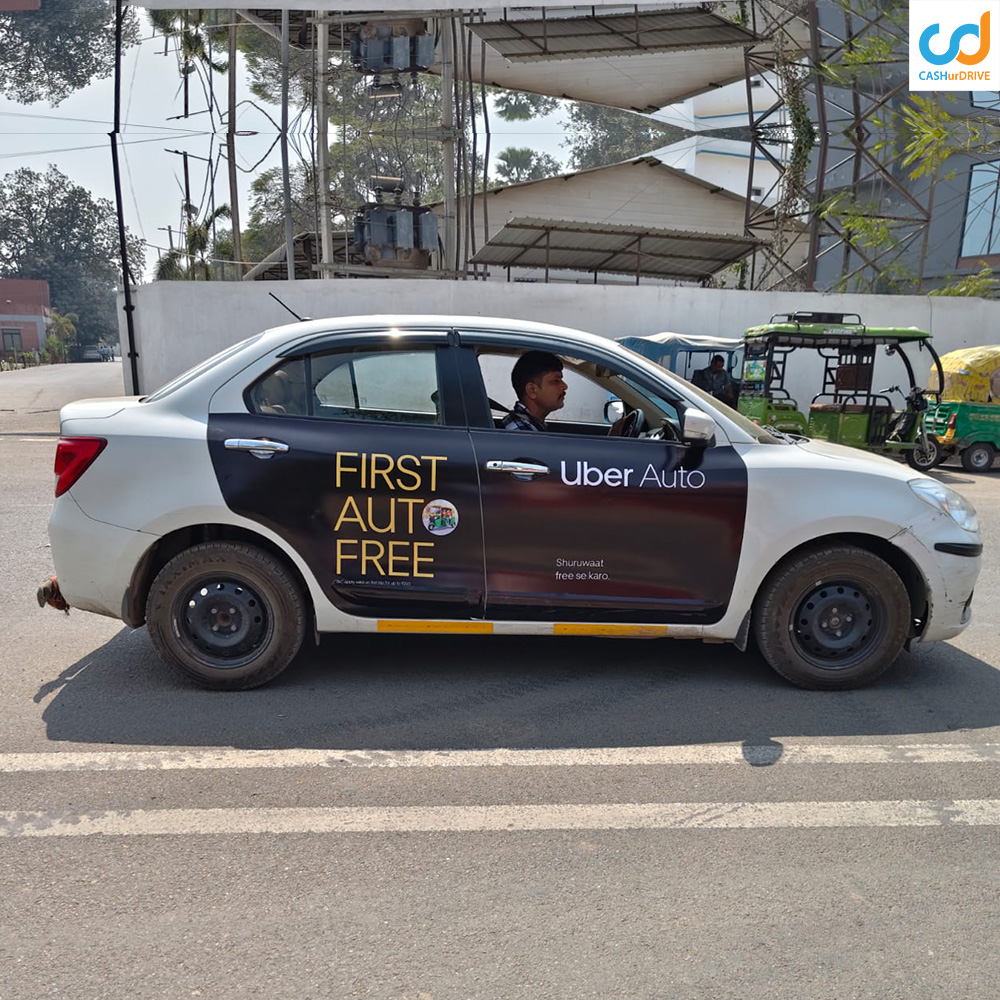
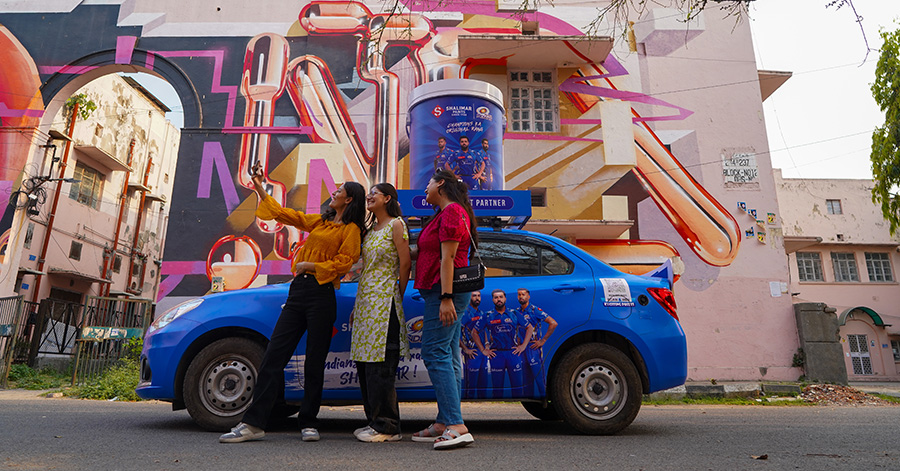
Auto and Cab Branding: The hyper-targeted visibility is via the auto-rickshaws and cabs. These vehicles travel through busy streets in their respective locations, and people are aware of them.
There are websites which organize the media campaigns of cab transit in the major Indian cities. New shops can become famous in specific regions within a short time with the help of such visibility. This format is effective when it comes to hyperlocal advertising.
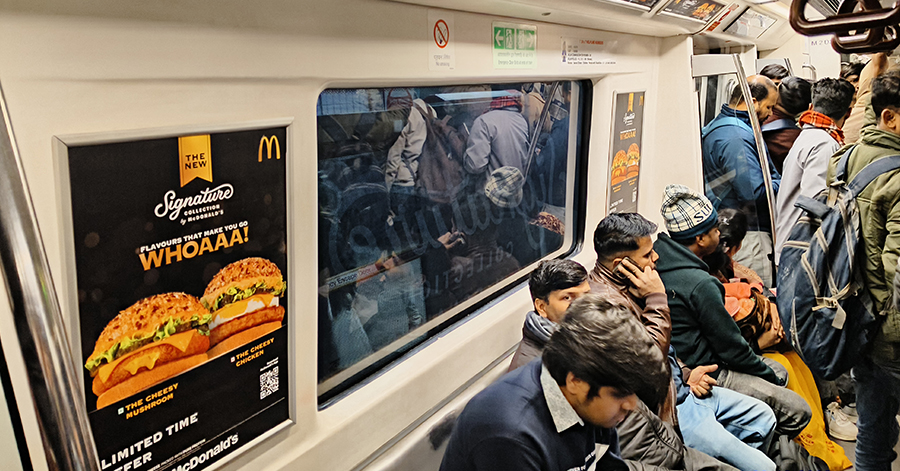
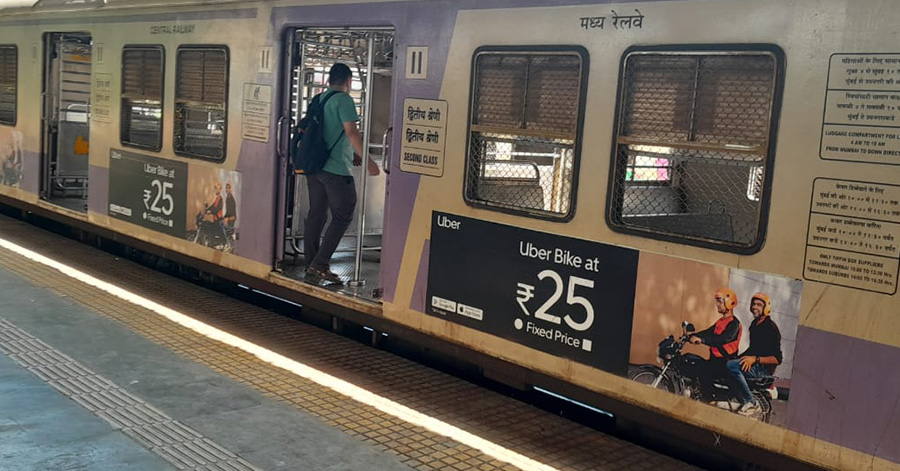
- Metro and Train Advertising: Metro advertisement is most effective in busy cities such as Delhi and Mumbai.
It provides:
- High daily impressions
- Premium brand perception
- The contact with working professionals.
Supporting Retail Advertising Strategy with Transit Media
Transit Advertising for Retail works best when you combine it with local campaigns. This mix includes transit media, digital advertising, outdoor billboards, and social media. Together, they make sure important information reaches the right audience.
For example, think of a new electronics store opening in Chennai. The store could combine these options:
- Advertising on transit in the locality
- Google Maps promoted pins
- Instagram geo-targeted ads
- There should be signs outside the store.
Why Transit Media Is One of the Most Effective Physical Marketing Ideas?
Learn more about how brands use location-based visibility in our guide on local advertising campaigns for retail growth.
Key advantages include:
- Continuous visibility
- Cost-effective local reach
- Great memory value
- Powerful impact on store visits.
Real Examples of Transit Media Driving Store Footfall in India
Here are real examples of transit media driving store shoppers in India. You can use these links as references.
-
Fashion Retail Brand Campaign-Delhi NCR:
A fashion retail brand opened pop-up stores. They ran a big transit media campaign. It used station branding at metro stations. They also covered 60 buses fully. The goal was simple. They wanted to create awareness fast. And they aimed to bring more people to the stores.
Results:
- A 25 per cent increase in brand recall amongst consumers.
- Increased walker traffic in retail outlets in Delhi in comparison to other cities.
- Growth in traffic of the apps and direct brand searches of the campaign in Delhi.
The buses went to crowded shopping streets. This lets shoppers see the ad repetitively. It boosts traffic significantly for local shops.
-
Zara Bus Wrap Campaign-Delhi & Mumbai:
Zara is an international fashion company. They used full bus wrap ads. These ran along routes near their shopping spots in Delhi and Mumbai. The goal was to promote time-sensitive collections.
Results:
- More impulse purchasing in Zara stores.
- Increased exposure of the new collections in visitor-prone areas.
- The presence of the brand in the area of physical stores is strengthened.
The buses went to crowded shopping streets. This let the ad repeat for shoppers. These shoppers were the ones most likely to visit local shops.
-
Croma Metro Advertising Campaign-Bengaluru:
Zara is an international fashion company. They used full bus wrap ads. These ran along routes near their shopping spots in Delhi and Mumbai. The goal was to promote time-sensitive collections.
Results:
- Greater awareness among the people travelling via the metro line.
- Better finding of the local retail stores.
- Enhanced the relationship between transit routes and store locations.
The advertisements went into stores. People travel through these stores. In them, folks have a high chance of making impulse buys.
-
Reliance Trends Auto-Rickshaw Campaign Tier-2 Indian Cities:
Reliance Trends boosted festival sales this way. They used auto-rickshaw ads in Tier-2 cities. This helped them reach local shoppers and these areas have low digital reach.
Results:
- More awareness about the local brand.
- Increased shoppers in the festive stores.
- Increased involvement of the local consumers.
The auto-rickshaws served as hyper-local moving billboards. They gave repeated exposure to the store promotion to residents near the store.
Final Thoughts
The transit media would be instrumental in developing store awareness and foot traffic within a short period of time. It puts the messages of the brands directly on the day-to-day commute pathways of consumers. This generates familiarity and trust. Consequently, it makes people feel free and willing to visit the store more frequently.
Transit media networks such as CASHurDRIVE and Nearbuzz allow cabs to display ads for brands. These cabs pass through large shopping regions. Their proximity to consumers allows them to be seen.
FAQs
1. How early should transit media campaigns start before a new store opening?
Start transit media campaigns 2 to 4 weeks before the store launch. This timing builds awareness and familiarity. Consumers will know about the store when it opens. They will have a good chance to visit early.
2. Can transit media work for new stores in Tier-2 and Tier cities?
Yes, transit media works well in these smaller cities. Travelers there rely a lot on public transport like autos and buses. This lets brands reach local people easily. It uses hyperlocal advertising to connect with them.
3. How does transit media influence impulse store visits?
Transit media reaches people right when they are near the store area. This makes them more likely to stop by on a whim. It boosts spontaneous visits.
4. Is transit media useful for limited-time store launches?
Yes, transit media builds awareness fast. It suits short-term or seasonal stores perfectly. The ads create a strong local presence in just a short time. This fits retail campaigns that need quick results.