OOH: Breaking the Algorithm Trap
 By Kalpana Rathore
We’ve all experienced it. You pour your heart into a great campaign, set your budget, and hit “publish” only to wait and see if an algorithm decides to show it to your audience. In 2026, digital advertising is still a vital part of the mix, but the “Algorithm Trap” means your brand’s visibility is often controlled by a system you can’t see or influence.
At its simplest, Out of Home (OOH) advertising is any visual media found outside of the home. If you see an ad while you are on the move, whether you’re commuting to work, waiting for a flight, or walking through a shopping mall, you are looking at OOH.
That’s why sharp brands are turning to out-of-home advertising. Not because digital doesn’t work. But because out-of-home advertising does something digital simply can’t – it puts your brand in the real world.
In this post, you’ll learn what out of home advertising is and how it works. You’ll also see why OOH ads are growing fast in India and how to use them to escape the algorithm trap.
What is Out-of-Home Advertising?
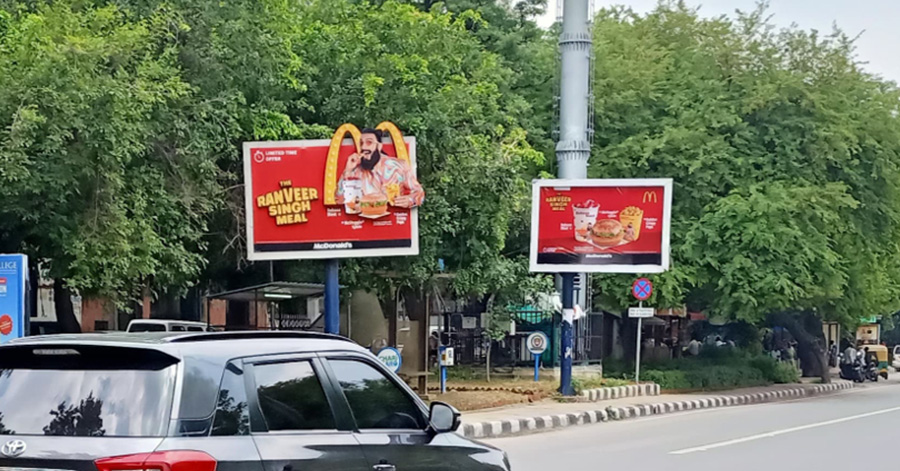
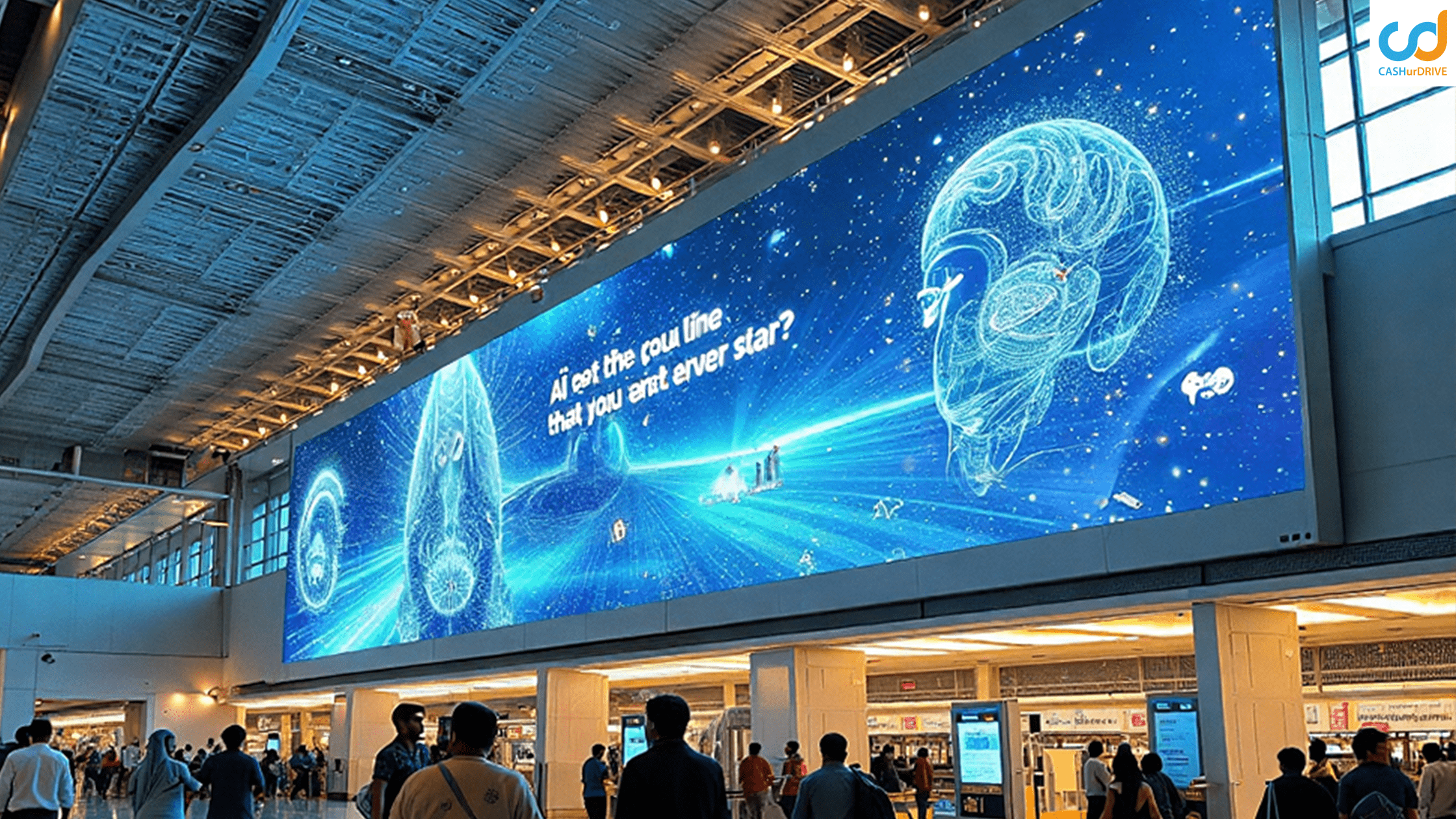
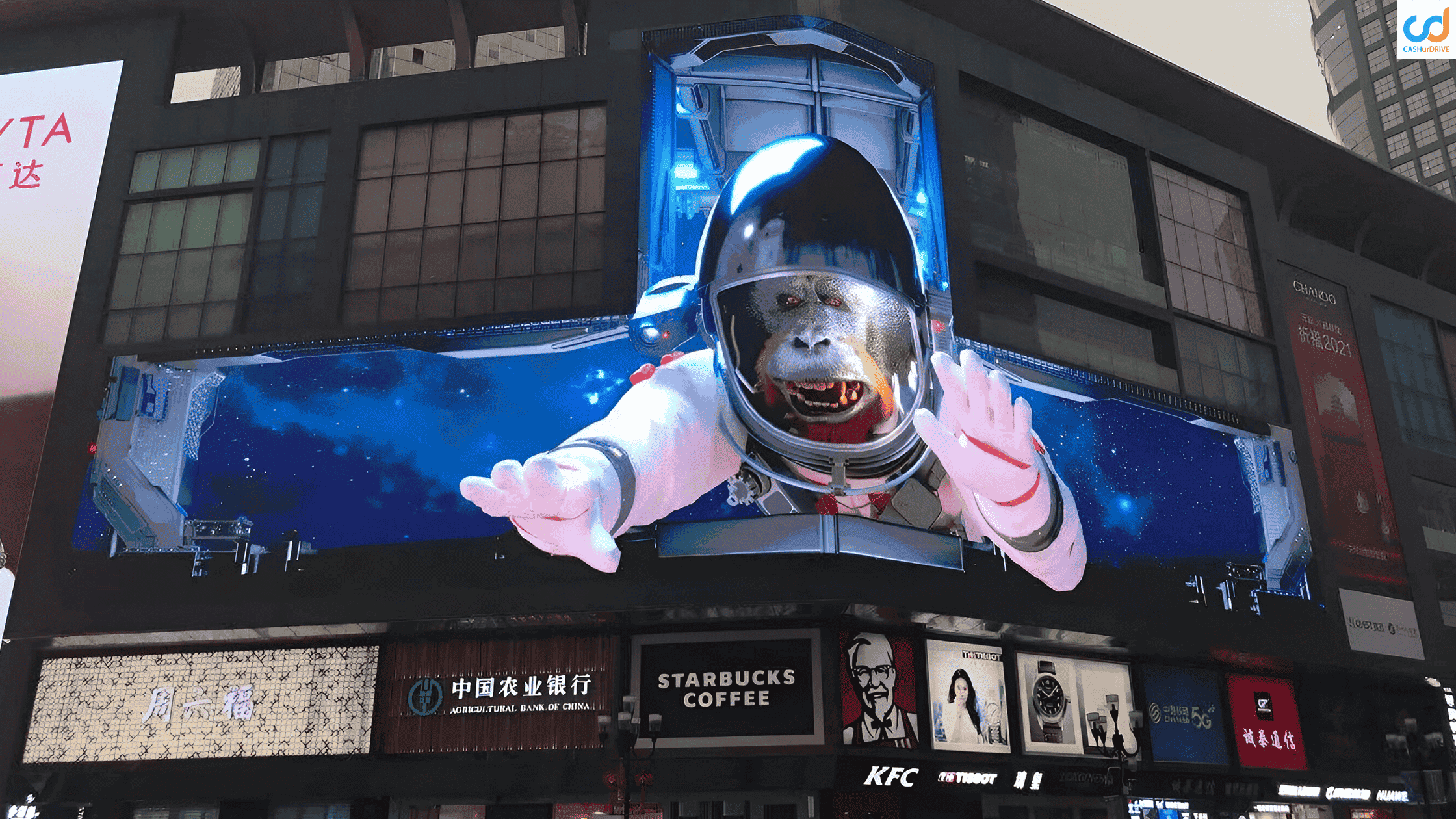
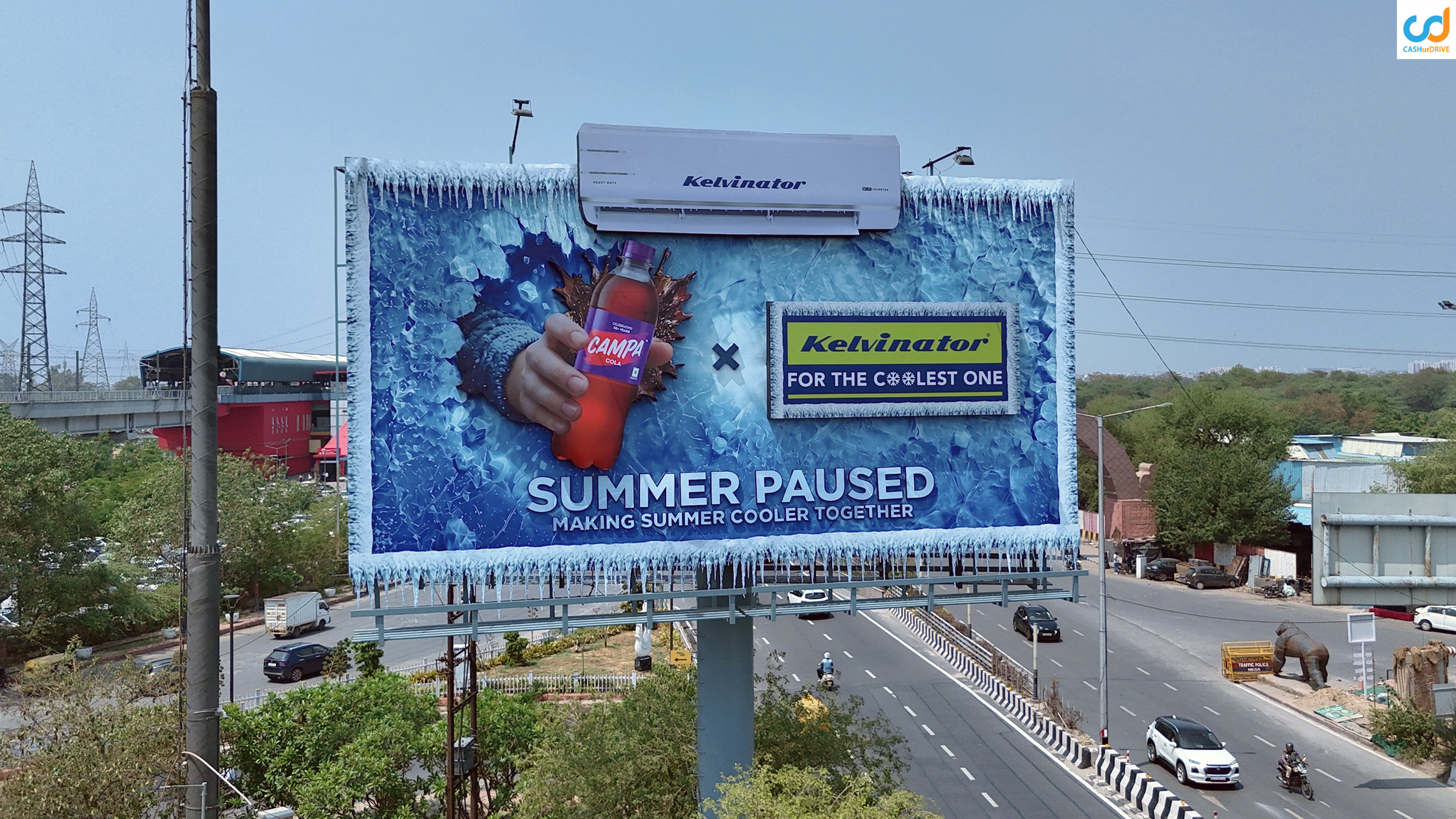
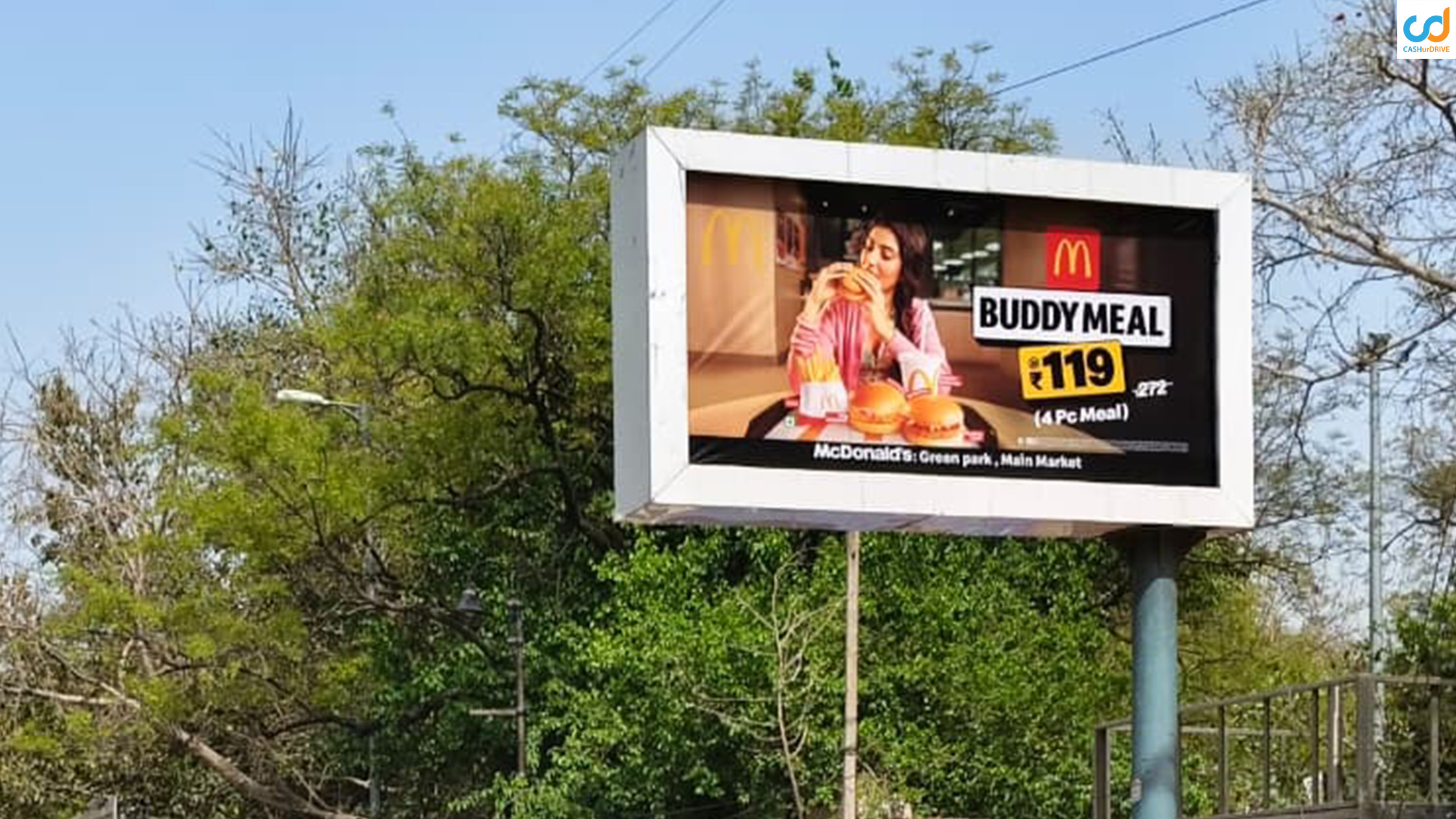
Out-of-home advertising reaches people while they’re outside their homes. Think billboards on highways. Metro station wraps. Airport displays. Bus shelter panels. Digital screens in malls.
If it’s in the physical world and outside someone’s house, it’s OOH. Out-of-home advertising is one of the oldest ad formats around. But it’s also one of the fastest-growing. WARC reported that out-of-home ad spend topped $40 billion in 2023. And it’s growing further as marketers move away from digital-only strategies.
“Out of home advertising is the last truly mass medium. It cannot be skipped, blocked, or scrolled past.” – Outdoor Advertising Association of America
Why Are Brands Escaping the Digital Algorithm Trap?
Here’s the truth about digital advertising. You don’t own your audience. You rent access to them on the platform’s terms.
Organic social reach has dropped to near zero. So paid reach keeps getting more expensive. Over 40% of internet users now use ad blockers. And cookie deprecation is making targeting harder every quarter.
The result? Brands fight over shrinking, expensive screen space. Meanwhile, the real world sits wide open.
That’s the gap, out-of-home advertising fills. Your message shows up whether someone has an ad blocker or not. There’s no algorithm. No bidding war. No newsfeed to compete with. Just your brand, in front of real people, in the real world.
Key stats:
- 86% recall rate for OOH ads vs. 45% for digital display
- 4× more effective at driving online search than digital-only campaigns
- $40B+ global OOH ad spend in 2023, growing year on year
How Does Out of Home Advertising Work?
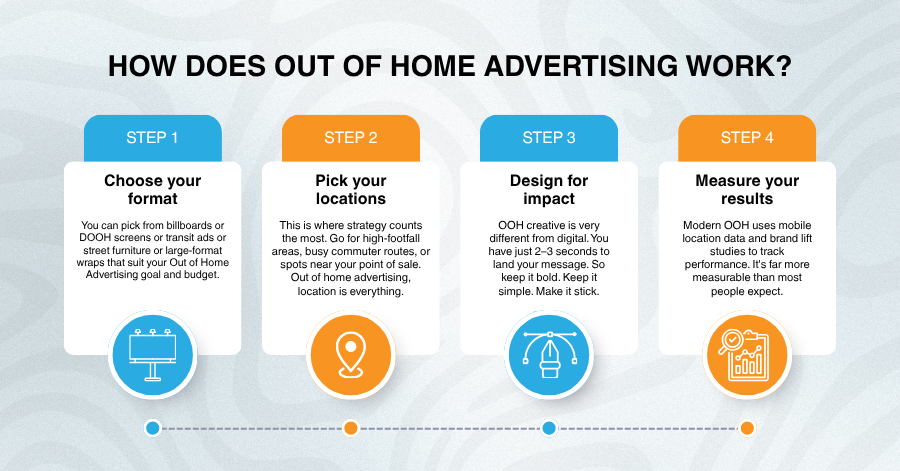
The process of Out of Home Advertising is really simple. Here is how Out of Home Advertising works.
Step 1 – Choose your format.
You can pick from billboards or DOOH screens or transit ads or street furniture or large-format wraps that suit your Out of Home Advertising goal and budget.
Step 2 – Pick your locations.
This is where strategy counts the most. Go for high-footfall areas, busy commuter routes, or spots near your point of sale. Out-of-home advertising, location is everything.
Step 3 – Design for impact.
OOH creative is very different from digital. You have just 2–3 seconds to land your message. So keep it bold. Keep it simple. Make it stick.
Step 4 – Measure your results.
Modern OOH uses mobile location data and brand lift studies to track performance. It’s far more measurable than most people expect.
What Are the OOH Advertising Benefits You Can’t Ignore?
The OOH Marketing benefits go well beyond just being seen. Here’s what actually moves the needle:
- Zero skip rate: Nobody skips a billboard or swipes away a transit ad.
- Huge scale: A billboard has the potential to reach hundreds of thousands of people within a week.
- Improves digital performance: According to research, using OOH ads results in a 40 percent boost to mobile search for the advertised brand. Physical presence generates digital curiosity.
- Low cost per thousand: Out-of-home ads have one of the lowest CPMs among all media.
- Establishes brand trust: Physical presence conveys size and trust. A banner ad cannot establish that.
- Always on: Your ad will be live 24/7. No scheduling issues. No platform availability issues.
OOH Branding: Why Physical Presence Builds Real Trust
When you see a brand on a billboard, it feels different from seeing it on a screen. That’s because physical spaces make a brand feel real. They show that the brand has put in effort and money. That it’s committed. That it’s here for the haul.
That’s what makes OOH Branding so powerful. It’s not an advertisement. It’s a statement about who the brand’s what it stands for.
Think about the time you saw a brand on a highway billboard that you had never seen before. Your first thought? “They must be legit.” That kind of instant credibility is hard to build online. But in the physical world, it’s easy to earn.
For new brands, especially, out-of-home advertising is one of the fastest ways to build trust at scale.
“If you’re on the billboard, you must mean business.” – Nielsen Consumer Neuroscience Research
What Is B2A Marketing and Where Does OOH Fit In?
B2A marketing stands for Business to All. It’s a simple idea. Instead of chasing narrow segments, you treat every person as a potential touchpoint. You reach people at work, at home, and while they move through the world.
Out of home advertising is perfect for B2A. Search ads only reach people who are already looking. Social ads only reach people on one platform. But OOH ads reach everyone who walks or drives past a location – no matter their digital habits.
That’s true mass reach. And in today’s fragmented media world, it’s rare and valuable.
Whether you work with an OOH Advertising Agency or run campaigns in-house, out of home advertising fits B2A naturally. It shows up for everyone – no algorithm required.
How to Get Started with Out of Home Advertising?
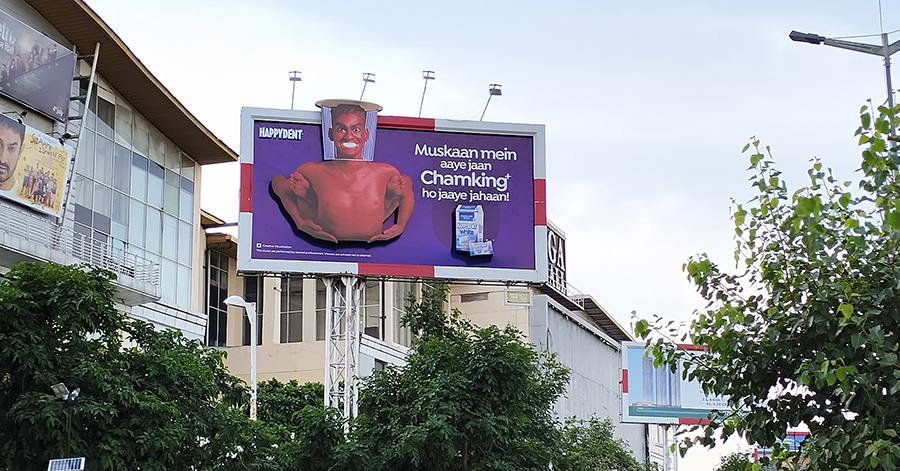
Ready to try it? Here’s a simple path to get going:
Start with a clear goal
Awareness, launch, or store traffic – your goal drives every other decision.
Pick the right area
Go where your audience already is. Commuter belts, retail zones, and busy leisure areas are great starting points.
Keep your creativity simple
One image. One message. One action. Don’t overcrowd your OOH ads. 1
Connect it to digital
Add a QR code or unique URL. Use location-based mobile retargeting to close the loop.
Look at out-of-home solutions that include DOOH
These let you update content in real time and buy programmatically – making OOH more flexible than ever.
The Real World Is Wide Open
Digital advertising isn’t going away. But the smartest brands today don’t choose between digital and physical. They use both together.
Out of home advertising gives you something no algorithm can touch. A real presence, in the real world, in front of real people. No middleman. No bidding war. No feed to fight for.
The algorithm trap is real. But the exit is real too. It’s on a billboard by the highway. On a screen at the metro. On the side of a bus moving through your city’s busiest street.
Stop renting attention. Start owning it.
FAQs
Q1. Is out of home advertising effective for small businesses?
Yes, absolutely. Hyperlocal ad formats such as bus shelters and local hoardings provide excellent exposure for small brands. There is no need to have a large budget to advertise across the country. You can start with one location.
Q2. How is OOH advertising measured today?
It is measured through foot traffic near your ad using mobile location data. Brand lift surveys are also conducted. Additionally, many DOOH ad platforms provide live dashboards to track reach and impression numbers.
Q3. What is the difference between OOH and DOOH?
OOH is the overall term for advertising that is placed outside the home. DOOH is a type of OOH that consists of digital screens, such as LED billboards and digital screens at airports.
Q4. Can OOH and digital advertising work together?
Yes, they definitely can work together. In fact, they work better together than apart. OOH advertising definitely boosts digital advertising. A brand that is advertised through a billboard will definitely be searched online soon after.
Q5. How do I choose the right OOH format?
Follow your goal. Want mass awareness? Go for large highway billboards. Want local impact? Try transit or street furniture. Targeting premium audiences? Airport and mall DOOH are your best bet