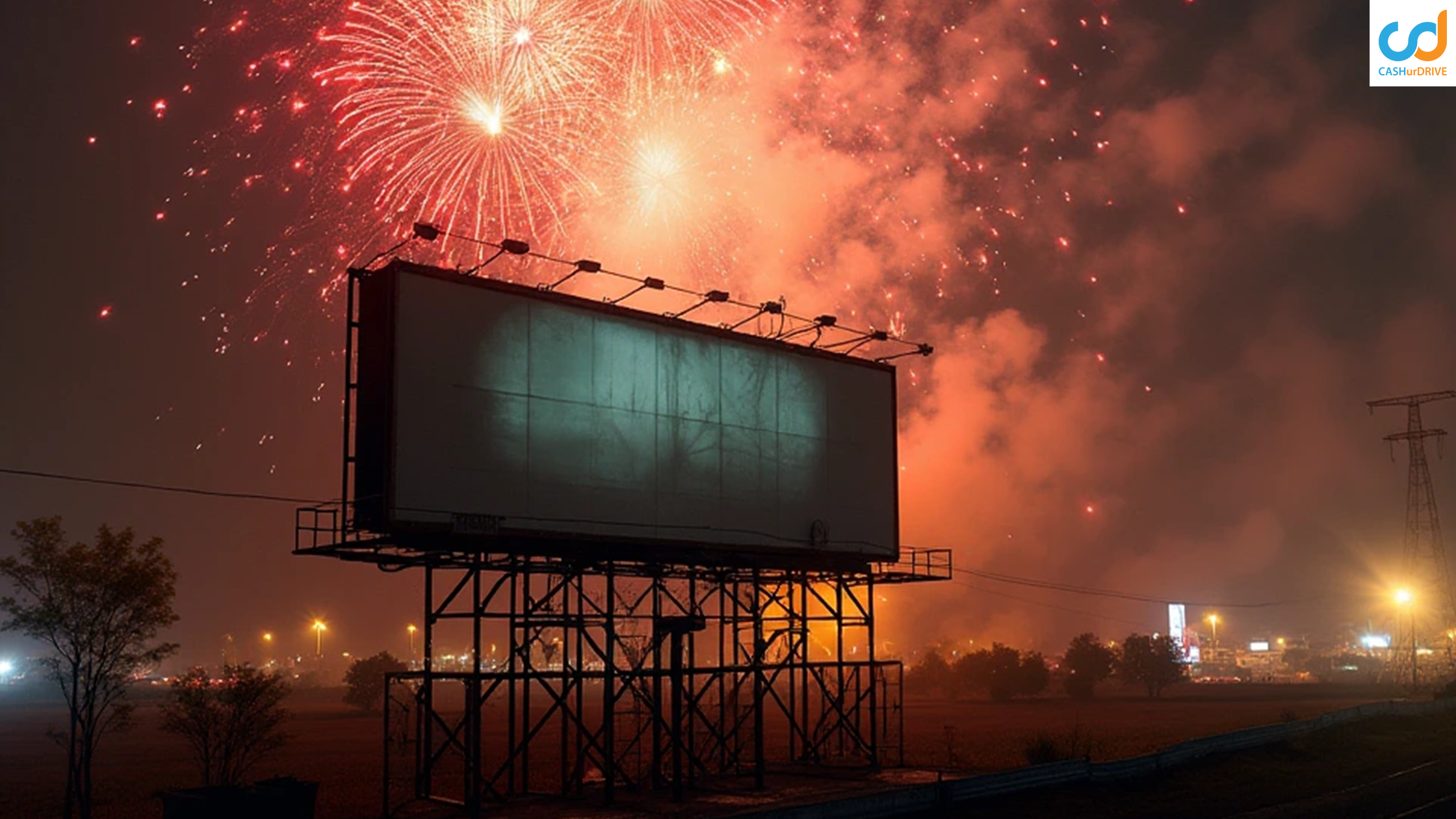
Why Real Estate Developers Should Prioritize Outdoor Media in 2026?
 By Annu
Most developers that I hear from are spending big on Meta promotions, Google marketing campaigns, and influencer partnerships. All of that has its place. But a lot of them have quietly reduced their outdoor spend – and it’s showing up in their inquiry numbers.
Outdoor advertising for real estate still drives results in 2026. Not because it’s a legacy habit. Because buyers can’t skip it, block it, or scroll past it. Your hoarding sits on their daily commute. Your billboard is at the junction near their kids’ school.
By the time you call, your project is already ringing a bell. It shouldn’t surprise you. That’s how outdoor works.
The Numbers Behind Outdoor Media in 2026
Outdoor advertising in the world is expected to generate around $46 billion by this year. DOOH is one of its most rapidly growing sectors. Increasing amounts of marketing budget are going into intelligent screens and programmable and targeted placements.
But here’s the part worth noting for property developers. The market isn’t growing because the outdoors is fashionable. It’s growing because it delivers. Brands keep spending on it because it keeps working. Outdoor advertising for real estate sits in a particularly strong position – because the audience you want is already physically near your project.
What Makes Outdoor Advertising for Real Estate Work so Well?
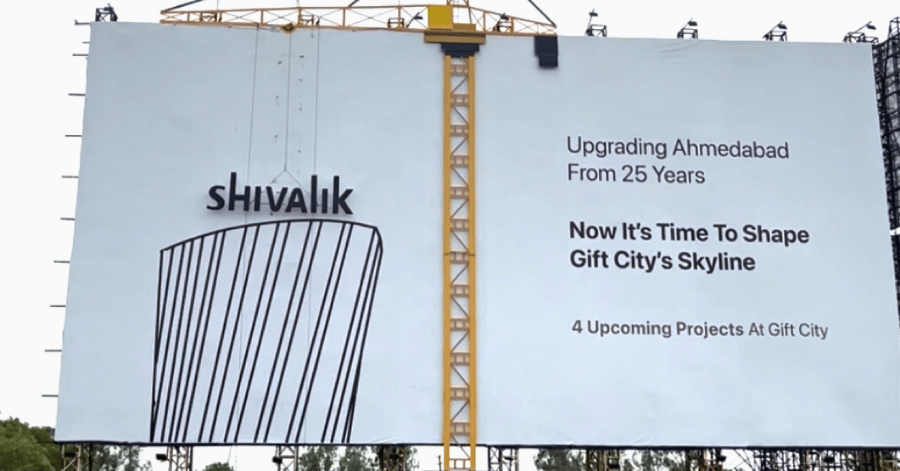
It puts you in front of the right buyer, automatically
Real estate is a local decision. Someone evaluating a flat in Goregaon isn’t looking at hoardings in Navi Mumbai. When your board is on the road, they take it every day – past the hospital, near the flyover, outside the station – you’re in front of your actual buyer. No demographic settings. No bid strategies. Just the right person, seeing your project every morning.
Digital geo-targeting helps. But a well-placed hoarding works passively, around the clock, for the full duration of your campaign.
It keeps going even after your budget stops
Online ads stop the moment you stop paying. Hoarding doesn’t work that way. It’s there at 7 am when your buyer is in traffic. It’s there on Sunday evening when they’re driving back from a site visit somewhere else. Every pass adds another impression. Those impressions build up over weeks without any extra spending.
That’s why outdoor advertising for real estate is especially useful during long sales cycles – and most residential projects have exactly that.
Repetition builds the trust that closes deals
No one buys a home on impulse. A buyer who first sees your project in January might not call until April. But by then, they’ve seen your creativity thirty, forty, maybe sixty times. The project feels known. The brand feels established. That familiarity makes the first inquiry feel like a continuation, not a cold start. It lowers the barrier to picking up the phone.
How Outdoor Fits Inside a Full Marketing Strategy
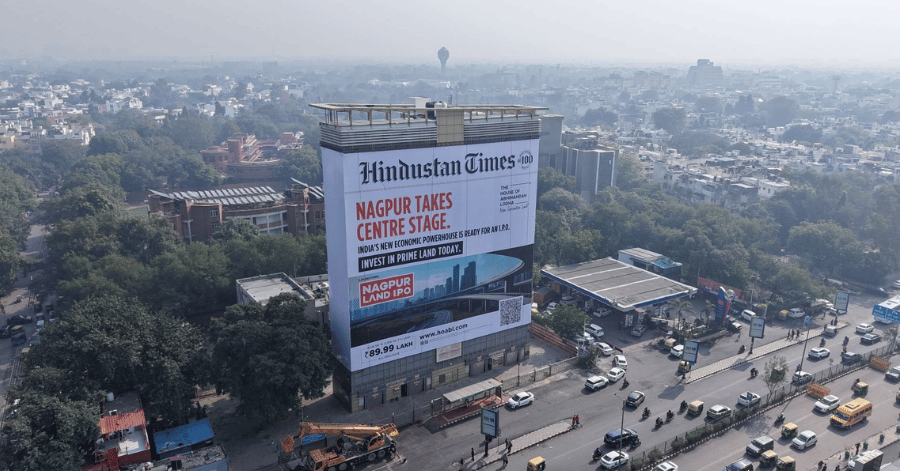
Outdoor advertising for real estate works best when it’s the foundation – not the afterthought.
Here’s the pattern that works: the hoarding builds awareness first. Then, social and search ads find that same buyer again online. The retargeting feels like a reminder rather than a cold pitch. They click, browse, and book a visit. The billboard didn’t close the deal. But without it, the digital campaign starts from zero every single time.
This is why smart developers build outdoor into their real estate marketing strategies from day one. Not as a backup channel. As the channel that makes everything else cheaper and faster.
Hoarding Ads for Property Developers – Still as Effective as Ever
Some marketing teams look at site hoardings as basic or outdated. That’s a mistake that mostly benefits the developers who still use them properly.
Hoarding ads for property developers claim physical space. A large site hoarding at an under-construction project is visible to every commuter, every auto, and every pedestrian who passes it. That’s your brand, your project name, your visuals, your pricing – in front of thousands of people a day. For free, after the initial installation cost.
Over six months of construction, that’s millions of impressions.
Billboard Advertising for Real Estate has Become Measurable
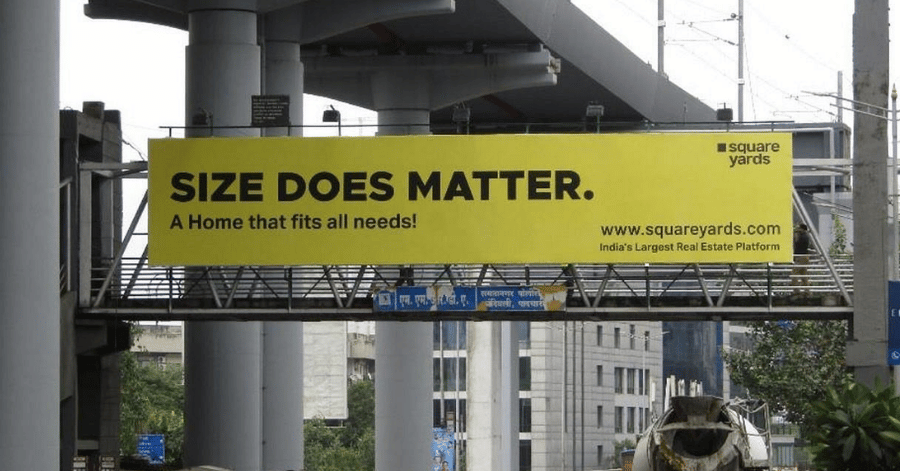
The common objection to the outdoors was that you can’t measure it. That was true once. It isn’t anymore.
Billboard advertising for real estate now runs on DOOH platforms. You can update creatives in hours, run different messages at different times of day, or pull impressions data and compare it against lead volume. Programmatic outdoor buying lets you select sites based on actual foot traffic numbers, not assumptions.
A weekend launch offer can go live Friday at 9 am and come down Sunday at midnight. That kind of control wasn’t available five years ago. It is now.
Conclusion – The Real Reason Outdoor Still Wins
Outdoor advertising for real estate gives developers a fixed, visible presence in the physical world where buyers actually live. Every developer is fighting for the same screen time online. Very few are fighting for the junction outside the buyer’s apartment complex.
Own that space. Be there every morning when they leave and every evening when they come back. By the time they’re ready to buy, the decision is already half made.
FAQs
Is outdoor advertising worth it for real estate for small projects?
Yes, sometimes more so. A smaller project in a defined locality can dominate that area visually with two or three well-placed hoardings. The buyer pool is concentrated. The repetition is high. And the competition for space on an outdoor media site will be less intense than for online advertising on sites that cover the exact geographic location.
How do I select an outdoor media site that is optimal for my project?
Consider your buyer’s travel pattern before thinking about where your project sits. Where do your target buyers work, shop, and commute? Walk the area, note the traffic patterns. Better talk to your outdoor vendor about footfall data before you book.
What should real estate hoarding actually show?
Be direct! Make sure to include only four components – project name, compelling graphic, hint at location, and one call to action – either go to the website or make a call! The most common mistake is cramming in too much. One message, clearly stated, performs far better than five features in small text.
For how many months should we run our outdoor media campaign for residential projects?
Three to six months should be considered the minimum period for any residential campaign to ensure recognition. Anything shorter than this could be used for launch events or targeted promotions.