Transit Media Advertising in India: The Complete Guide for 2026
 By Annu
Your digital ads are getting scrolled past. CTRs are falling, ad costs are rising, and the average Indian consumer sees thousands of digital impressions before lunch – and remembers almost none of them. Transit media advertising fixes this by taking your brand off the screen and into the streets, where 500 million+ commuters move through India’s cities every single day. This is the complete 2026 guide to planning transit campaigns that build real brand recall – timed for marketers gearing up for the festive season.
What Is Transit Media Advertising?
Transit media advertising is a form of out-of-home advertising that places brand messages on moving vehicles – buses, cabs, autos, and metro trains. It reaches urban commuters across multiple touchpoints on a single journey, generating 30,000–50,000 impressions per vehicle per month on high-traffic routes in Indian cities.
Here’s the big difference from a billboard.
A billboard sits in one place. It reaches whoever happens to walk or drive past it.
Transit media moves with your audience
Your brand wraps a cab crossing Connaught Place at 9am. It covers a DTC bus stopping at every market from Dwarka to Kashmere Gate. It rides an auto through the lanes of Koramangala -where no hoarding can follow.
In India, the average urban commuter spends 90 minutes travelling every day.
That’s 90 minutes of consistent, low-distraction exposure. Not a glance. Not a scroll past. Exposure.
Transit advertising doesn’t wait for your audience to come to it. It goes to them – wherever they are, whatever route they take.
Why Transit Media Works in Indian Cities
Here’s why:
- Your audience takes the same routes every day: Most commuters follow fixed routes. Same bus. Same metro line. Same morning. They see your brand repeatedly – not once. Repetition is how brand memory gets built.
- Moving ads grab attention static ads can’t: At traffic signals. In slow-moving traffic. At crowded intersections. A vehicle wrapped in bold visuals stands out. A billboard just sits there competing with everything around it.
- One campaign, dual reach: Auto ads go deep into residential lanes and local markets. Bus and metro ads spread across the full urban grid. You get both without doubling your spend.
- 24/7 visibility without fatigue: Once your ad is on the road, it works. Every kilometre. Every day of the campaign.
And here’s the bonus most brands miss.
When consumers see your brand on a bus wrap every morning, your digital retargeting ad doesn’t feel like an interruption later that day. It feels familiar. That familiarity makes your clicks cheaper and conversions more likely.
Transit Media Formats: Your Options
Not all transit media formats work the same way. Pick the one that matches your audience and objective.
Cab and Taxi Advertising: Wraps on Uber and Ola fleets. India has over 1 million active ride-share vehicles. Cabs cover premium routes, commercial zones, and airport corridors. A wrapped cab in Delhi or Mumbai generates 30,000–50,000 impressions per month on high-traffic routes. Best for high-income, mobile audiences.
Auto-Rickshaw Advertising: The most hyperlocal format available. Autos reach residential colonies, local markets, and narrow lanes that buses and cabs can’t enter. With 8 million+ registered auto-rickshaws across India, this is your go-to for neighbourhood-level visibility.
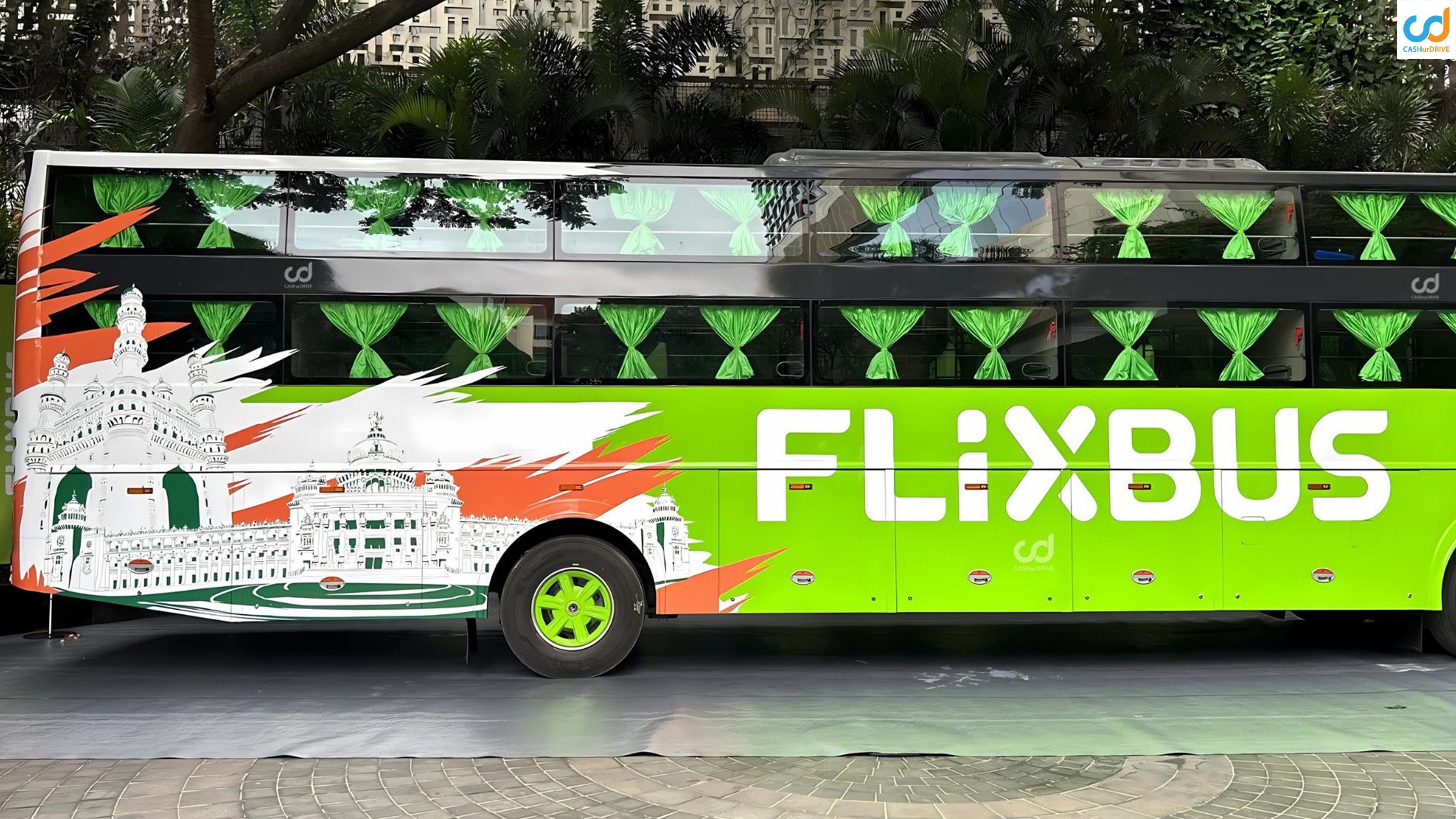
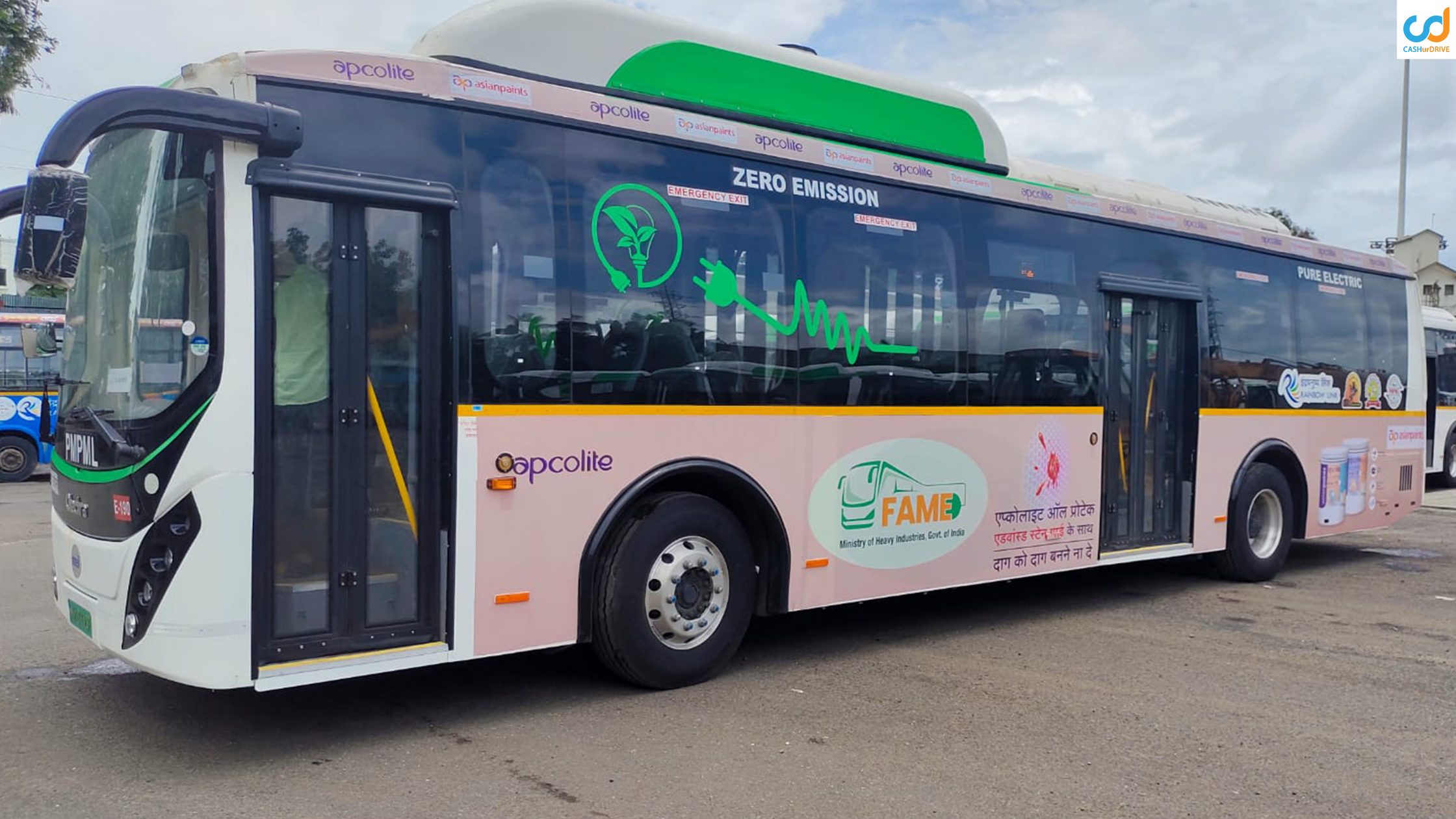
Bus Advertising: Full wraps, side panels, rear displays. Delhi’s DTC network: 6,700+ buses across 600+ routes. Mumbai’s BEST fleet: 3,500+ buses citywide. Bus advertising gives you the widest geographic spread of any transit format – at a cost-per-impression digital can’t match at scale.
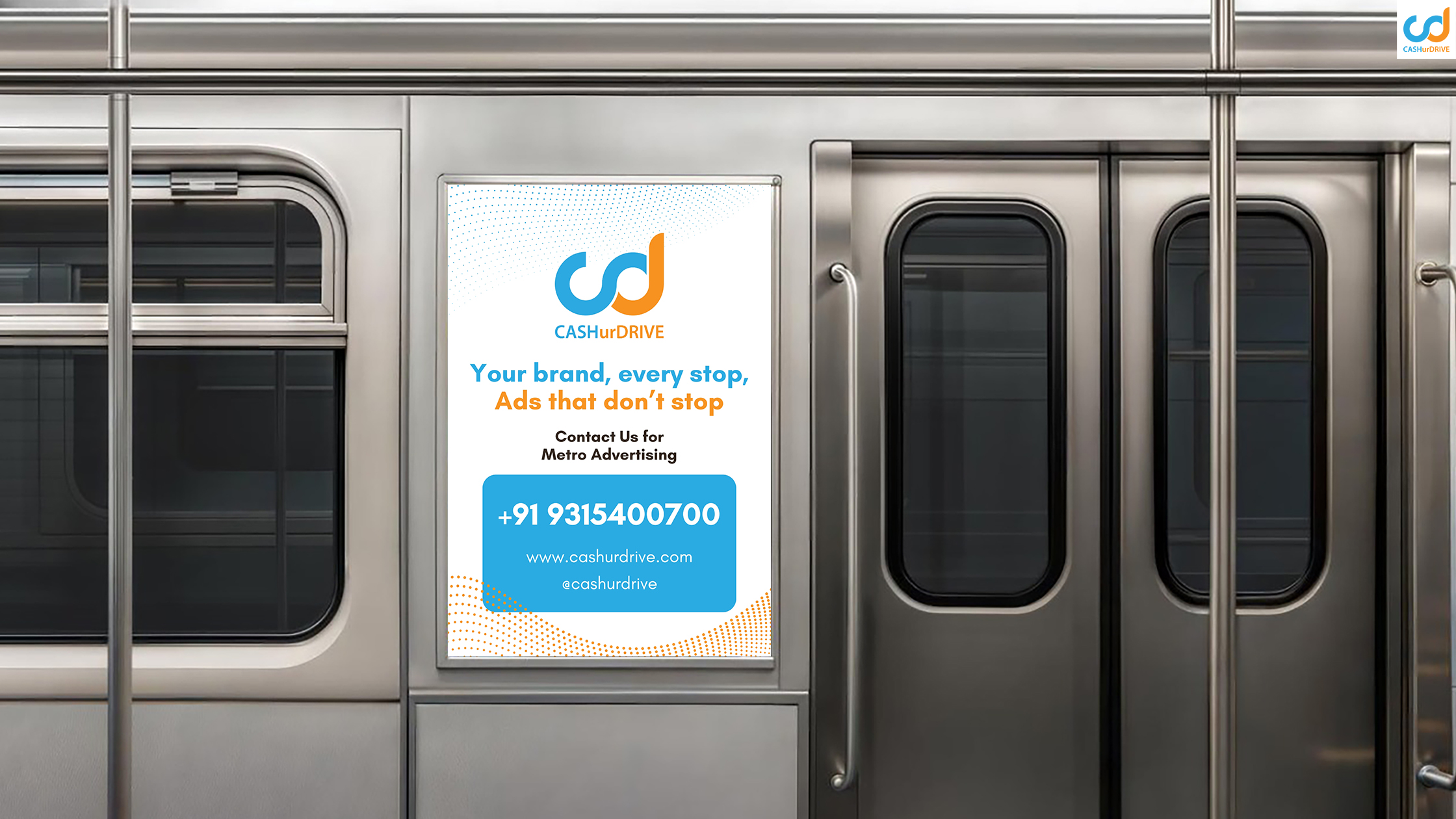
Metro Advertising: Station branding, pillar wraps, train coach interiors, platform displays, digital screens. Delhi Metro: 5.5 million+ daily commuters, 254 stations, 8 lines. Metro commuters wait on platforms for 8–14 minutes on average. That’s genuine, undistracted attention time.
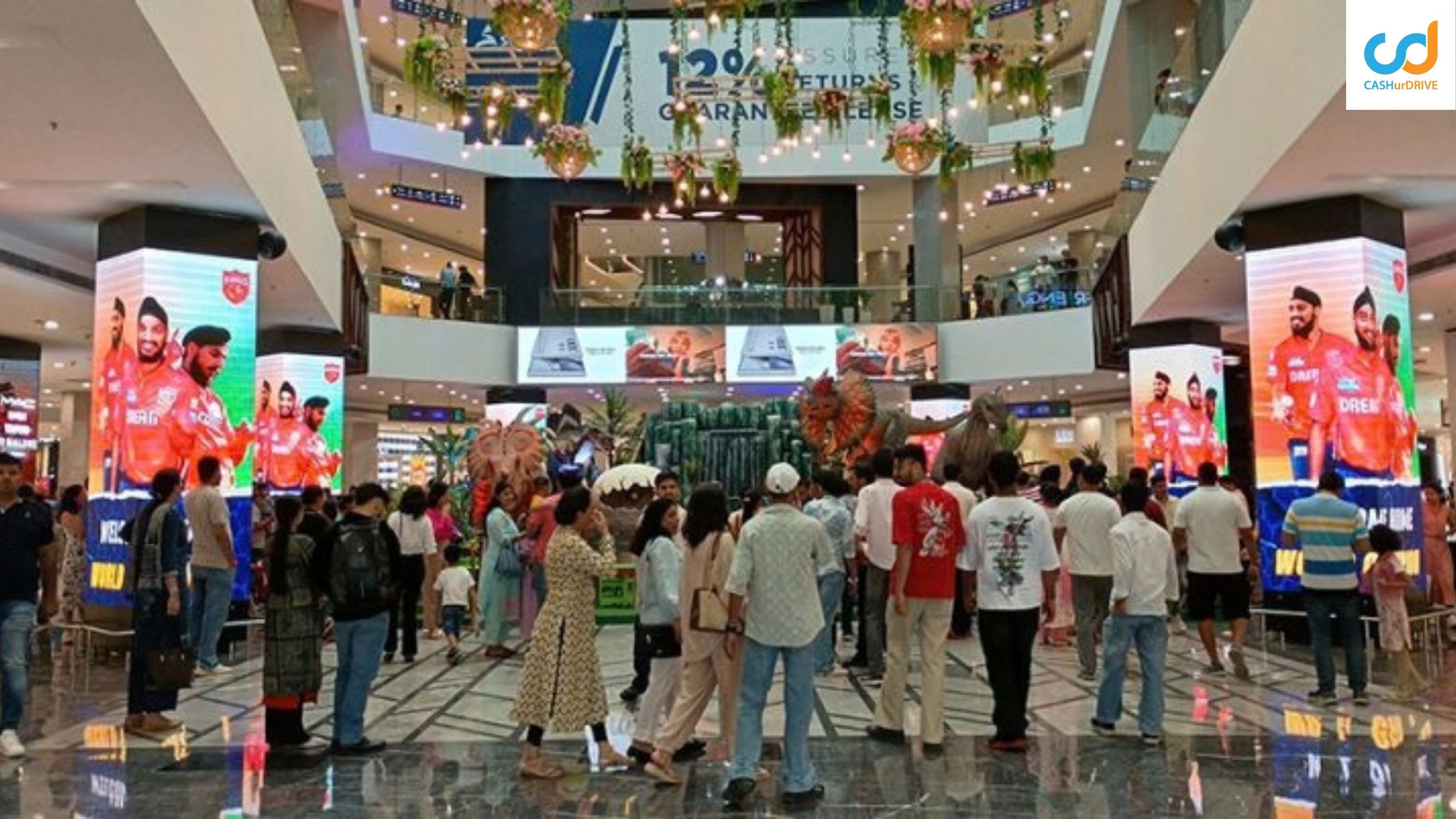
Airport and Railway Station Advertising: Premium audiences. Long dwell times. Nowhere to rush. Airport advertising targets business travellers and high-income consumers. Railway station advertising reaches Tier 2 and Tier 3 audiences across India’s 7,000+ major stations.
Bus Shelter Advertising: Static and backlit displays at busy bus stops and intersections. The audience is genuinely captive – standing, waiting, actually reading your message. Higher recall than most outdoor formats because of shorter viewing distance and longer dwell time.
The Numbers You Need to Know
Here’s the scale of India’s transit audience in plain terms:
| Transit Format | Daily Reach | Network Size |
| Delhi Metro | 5.5M+ daily commuters | 254 stations, 8 lines |
| DTC Buses (Delhi) | 4M+ daily passengers | 6,700+ buses, 600+ routes |
| BEST Buses (Mumbai) | 2.8M+ daily passengers | 3,500+ buses |
| Uber/Ola (India) | 10M+ daily rides | 1M+ active vehicles |
| Auto-Rickshaws (India) | 50M+ daily trips (est.) | 8M+ registered vehicles |
The total out-of-home audience in India – people outside their homes at any given moment – exceeds 500 million daily.
How to Plan a Campaign That Actually Works
Most transit campaigns fail for one reason.
They pick the format before they understand the audience
Don’t do that.
Here’s the right approach:
- Start with your audience, not the vehicle: A D2C skincare brand targeting women aged 25–40 needs completely different routes than a fintech app targeting urban professionals. Define your audience first. The format follows.
Match the format to what you are trying to do:
- City-wide brand awareness? → Buses give you the widest geographic spread.
- Premium audience targeting? → Metro advertising and cab wraps cover high-income corridors.
- Hyperlocal market penetration? → Auto wraps go where nothing else does.
- Prioritise frequency over raw reach: A campaign with 50 cabs on 10 key routes consistently outperforms 500 cabs scattered across the city. The commuter who sees your brand five times a week remembers it. The one who sees it once doesn’t.
- Use audience data – not guesswork: CashUrDrive’s Atlas platform uses device-level geofencing to verify the actual audience composition of specific transit corridors before you book inventory. Not estimates. Verified data from real movement patterns. Your media plan gets built around where your audience actually travels.
Get an Atlas route analysis for your brand → /atlas
Why August Is Your Last Chance for Festive Season
Mark these dates:
- Ganesh Chaturthi: September 14
- Navratri: October 11
- Dussehra: October 20
- Diwali: November 8
Here’s what most brands don’t realise until it’s too late.
Premium transit inventory books out 6–8 weeks before major festivals
That means Ganesh Chaturthi inventory closes in August. Diwali inventory? Start planning now for October delivery.
Brands that act in August get first choice. Best routes. Best formats. Best durations.
Brands that wait until September get the leftovers
▌ EXPERT INSIGHT — Campaign Operations, CashUrDrive Delhi NCR
Getting a transit campaign live during Diwali week in Delhi is a different operation from any other time of year. We typically see 70% of our cab and bus inventory pre-booked by September for October-November campaigns. Brands that come to us in October for a Diwali push are working with whatever routes are left – which are rarely the high-traffic corridors they actually wanted.
The approvals process adds another layer most agencies don’t talk about upfront. Metro branding through DMRC and bus campaigns through DIMTS both require formal permissions with lead times of 2-3 weeks minimum. For a Mumbai BEST bus campaign, we coordinate authority approvals, vehicle selection, and wrap installation across a fleet that runs on strict maintenance scheduling windows. Miss one approval step and your launch date moves – and during peak season, that missed slot may not come back.
Festival periods also mean higher installation scrutiny from our end. Our ground teams do post-installation spot checks within 48 hours of deployment across every vehicle in the campaign. Execution photos go to the client the same day, and any damaged or misaligned wraps get replaced immediately. That quality control loop is what separates a 200-vehicle campaign that actually delivers from one that is technically launched.
What Does It Cost?
Here’s a straightforward breakdown of indicative rates across India’s major cities:
| Format | Coverage | Starting Rate |
| Cab Branding | Premium city routes | ₹3,250 per cab/month onwards |
| Auto-Rickshaw Advertising | Hyperlocal routes | ₹600 per auto/month |
| Bus Advertising | City-wide | ₹7,000-50,000 per bus/month onwards |
| Metro Station Branding | Station-level | ₹75000-1,00,000/month onwards |
| Bus Shelter Advertising | Intersection-level | ₹1,00,000-2,00,000/month per shelter |
Pricing varies by city, inventory availability, campaign duration, and creative format. Contact CashUrDrive for a customized plan with Atlas-verified audience data.
Who Should Use Transit Media Advertising?
Simple answer: any brand whose customers leave their homes.
Here’s who gets the best results:
- D2C and consumer brands: Daily route repetition builds the familiarity that drives first purchase and repeat buying.
- FMCG brands: Reach consumers when they’re physically close to retail. The commuter who sees your brand on a bus is often walking past your distributor’s outlet twenty minutes later.
- Quick commerce platforms: Auto and cab advertising in delivery catchment zones reinforces app-recall exactly when consumers are near a dark store.
- Real estate developers: Bus and metro routes through project catchment areas reach potential buyers on their daily commute through the neighbourhood you’re selling.
- Education and coaching institutes: Auto and bus advertising in residential zones reaches students and parents during the daily commute.
- Healthcare and wellness brands: Hyperlocal transit visibility builds the community trust that drives clinic visits and pharmacy trials.
Frequently Asked Questions
Q1. What is transit media advertising and how does it differ from billboard advertising?
Transit media advertising places brand messages on moving vehicles – cabs, autos, buses, and metro trains – rather than on fixed structures. The key difference is reach pattern: a billboard delivers impressions at one location, while a transit ad delivers impressions across every route the vehicle travels. In Indian cities, where commute routes are long and consistent, a single transit ad can generate 30,000-50,000 impressions per month across multiple catchment zones.
Q2. Which transit media format delivers the highest impressions in Indian cities?
Bus advertising delivers the widest geographic reach, with DTC’s 6,700+ buses covering 600+ routes across Delhi-NCR and BEST’s 3,500+ buses covering Mumbai. For audience quality – high-income, high-frequency commuters – metro advertising across Delhi Metro’s 5.5 million daily commuters is the strongest format. For hyperlocal penetration into residential zones, auto-rickshaw advertising is the only format that reaches neighbourhoods buses and cabs cannot enter.
Q3. How far in advance should I book transit media for the festive season?
For Diwali campaigns (November 8, 2026), booking should be completed by September. For Ganesh Chaturthi (September 14, 2026), the booking window closes in August. Premium transit inventory – metro station branding, cab wraps on airport routes, bus panels on high-traffic corridors – books out 6–8 weeks ahead of major festivals. Waiting until the month of the festival means taking whatever inventory remains after other brands have made their selections.
Q4. Can transit media advertising be targeted to specific audiences or locations?
Yes. Route selection allows precise geographic and demographic targeting. Auto-rickshaw campaigns can be restricted to specific colonies or markets. Cab campaigns can target premium corridors or airport routes. Metro campaigns can be bought station-by-station to match audience profiles by line and neighbourhood. CashUrDrive’s Atlas platform takes this further – using device-level geofencing to verify the actual audience composition of each route before the campaign is booked.
Q5. How does transit media advertising support digital campaign performance?
Transit advertising builds brand familiarity in the physical world before digital ads appear on a consumer’s device. A commuter who has seen a brand on a bus wrap three times in a week is significantly more likely to engage with that brand’s digital retargeting ad than a cold audience member seeing it for the first time. Research from WARC consistently shows OOH and digital combinations outperform digital-only campaigns on both recall and conversion metrics.
Q6. What is the minimum budget for a transit media campaign in India?
A city-level transit media campaign with meaningful frequency can be planned from ₹1.5–2 lakh per month for a hyperlocal auto or cab campaign in a single city. Metro and bus campaigns require larger budgets due to the scale of inventory. CashUrDrive offers packages across formats and cities – contact us for a customized plan built around your audience, city, and duration.
Bottom Line
Transit media advertising doesn’t ask for attention. It earns it – by showing up every day, on the same routes, in the same neighbourhoods your audience already travels.
With Ganesh Chaturthi five weeks away and Diwali planning underway, August is the last responsible window to book.
Don’t wait for the routes you want to disappear.
Get an Atlas route analysis showing your brand’s target audience density on India’s top transit corridors – /atlas
Author: CashUrDrive Editorial Team
This article was produced with AI assistance and reviewed by the CashUrDrive editorial team.