Programmatic DOOH Explained
 By Annu
Outdoor advertising has changed.
In the past, booking a billboard took weeks. It also meant guesswork. Now, brands buy digital screens on their own. They target their advertisements to the correct audience. They can even change their advertisements depending on the weather and time of day.
That is how you get programmatic DOOH.
If you’ve searched for programmatic DOOH explained, you’re in the right place. This guide covers how it works. It also covers why brands use it, and how it’s different from the outdoor ads you already know. By the end, you’ll have programmatic DOOH explained in plain, simple terms.
What is Programmatic DOOH?
Programmatic Digital Out of Home (DOOH) is the automated buying of digital outdoor ad space.
In the old model, a buyer would call each screen owner. Now, software does the buying instead. This covers billboards, transit screens, malls, airports, and stores.
Put simply:
Traditional DOOH = manual booking
Programmatic DOOH = automated buying using tech
First, advertisers set the rules. These can include location, time, budget, or weather. Then, the system runs the ad once those rules are met.
As a result, campaigns become more flexible. They’re also easier to fix on the fly. So far, that’s programmatic DOOH explained at its simplest: rules in, ads out, automatically.
How does programmatic DOOH work?
The tech behind this is complex. But the steps, for an advertiser, are simple. Here, we’ll walk through the programmatic DOOH explained step by step.
Here’s how programmatic media buying works for outdoor ads.
1. Advertisers set campaign goals
First, you pick:
- Budget
- Target locations
- Audience profile
- Campaign duration
- Creative assets
- Targeting conditions
So instead of picking each billboard by hand, you set the rules. The system handles the rest.
2. A DOOH advertising platform finds inventory
A DOOH advertising platform often runs through a Demand-Side Platform, or DSP. It links advertisers to thousands of screens. Then, it finds the ones that fit.
3. Ads get delivered automatically
Once the rules are met, your ad goes live. For example, a coffee brand might run ads on cold mornings. Meanwhile, a sunscreen brand runs ads when it’s hot out.
4. Campaigns get optimized in real time
A normal outdoor ad stays fixed once it’s booked. Programmatic doesn’t work that way. Advertisers can:
- Increase budgets
- Pause campaigns
- Update creatives
- Adjust targeting
- Check results through live reports
Because of this, programmatic outdoor advertising keeps growing.
Programmatic DOOH vs traditional outdoor advertising
| Traditional DOOH | Programmatic DOOH |
| Manual booking | Automated buying |
| Fixed schedules | Flexible scheduling |
| Limited optimization | Real-time optimization |
| Static campaign planning | Data-driven decisions |
| Manual reporting | Automated reporting |
| Creative remains fixed | Dynamic creative updates |
The real gap isn’t where the ad shows up. Instead, it’s how it’s bought and run. So, programmatic DOOH uses the same screens. It just adds tech and data to the mix.
What are the benefits of programmatic DOOH?
Digital out of home advertising is growing fast. That’s because it mixes the reach of outdoor ads with the speed of digital tools.
Here are the top benefits:
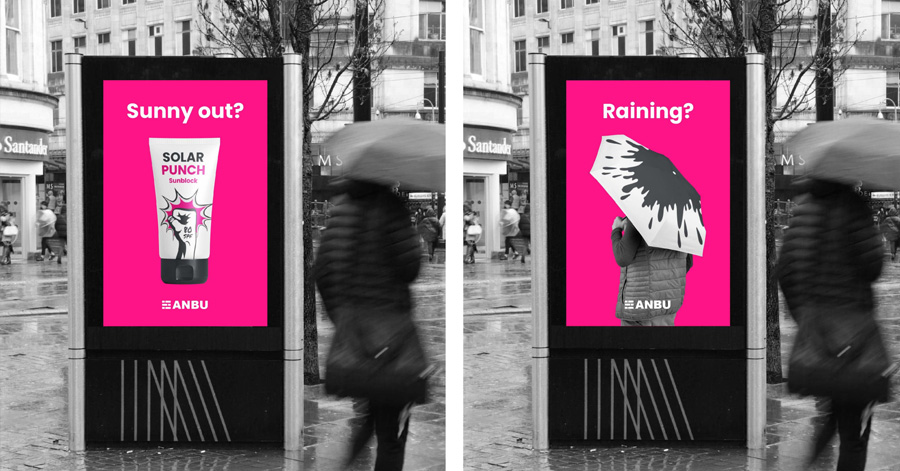
- Sharper targeting, using signals like location, time, weather, and nearby events
- More flexibility, since campaigns can shift without a fresh booking
- Creative that updates on its own, based on set rules
- Faster reports, so you can fix issues fast
- Privacy-friendly, since it uses grouped data, not cookies or personal tracking
For more on this, our guide on Benefits of DOOH Advertising covers it in depth.
Programmatic advertising examples
The easiest way to get this is to see it in use. So, here’s programmatic DOOH explained through a few real scenarios.
Weather-based campaigns
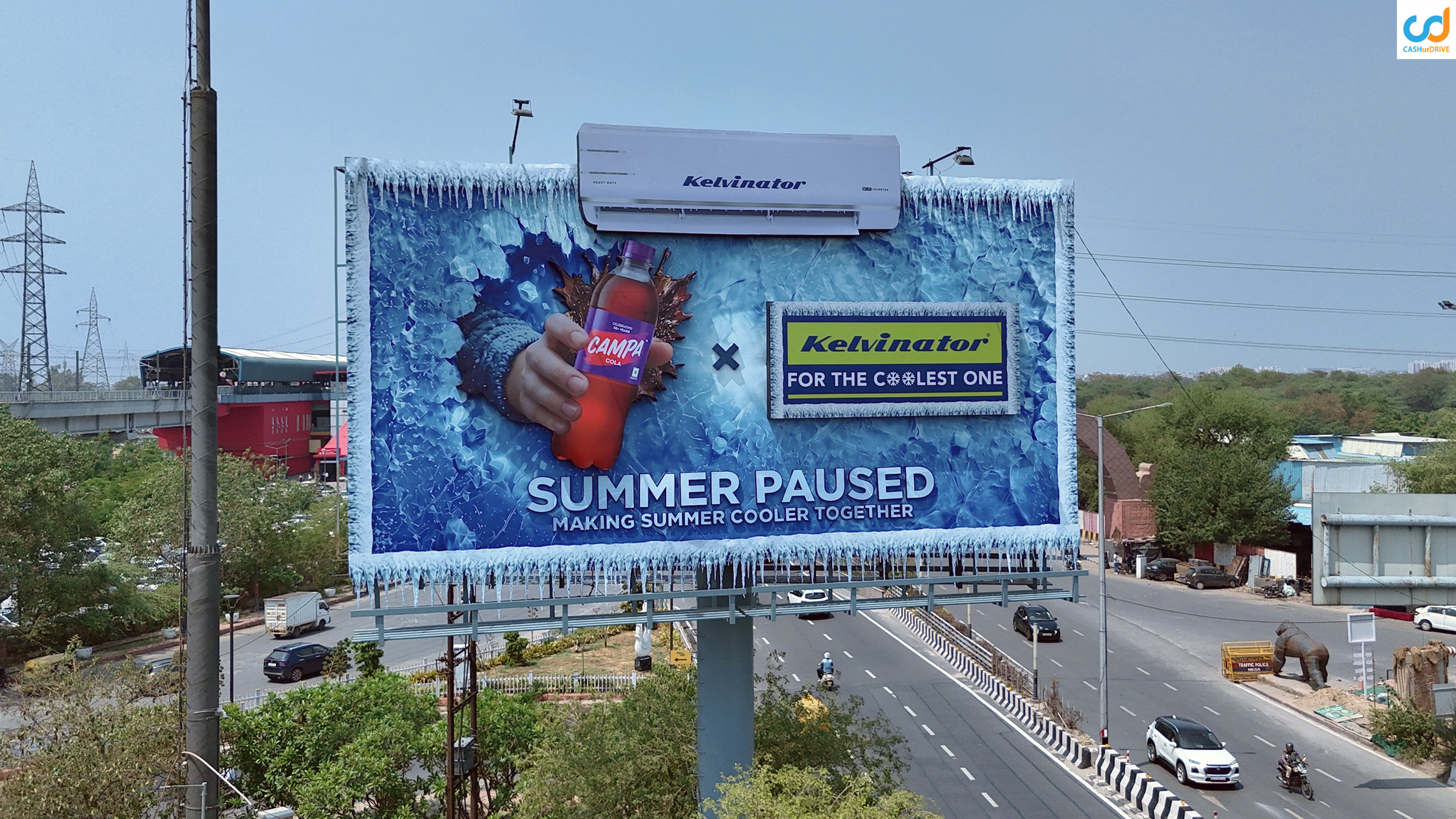
A drink brand runs cold drink ads once it gets hot enough.
Retail promotions
A mall runs weekend deal ads during its busiest hours.
Event-based advertising
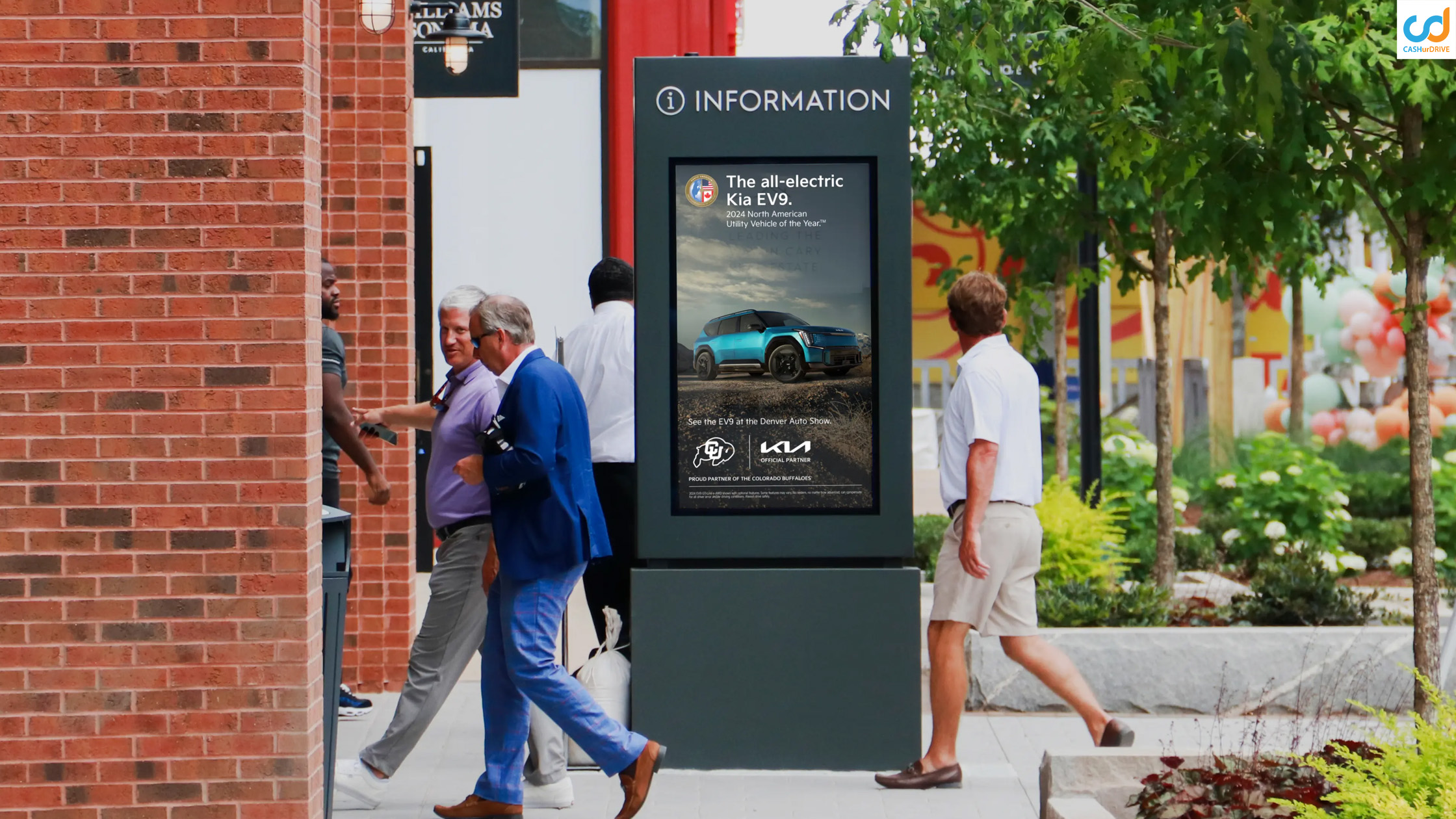
A ride app boosts ads near stadiums before a big match.
Restaurant campaigns
Fast food chains run breakfast ads in the morning. Later, they switch to dinner deals.
Each of these works well for one reason. The ad shows up right when it matters.
How to choose the right DOOH advertising platform
Not every platform does the same job.
So, when you look at a DOOH advertising platform, check for:
- Wide inventory access
- Flexible audience targeting
- Dynamic creative support
- Real-time reporting
- Easy campaign management
- Integration with your other marketing tools
The right platform lets you scale up. At the same time, it keeps your budget and results in check.
Our Programmatic DOOH Services page explains how these campaigns are done by the brands themselves.
Is programmatic DOOH the future of outdoor advertising?
The industry seems to thinks so.
As per Broadsign, programmatic DOOH might comprise 65% of the advertising spend of U.S. DOOH by 2029 as compared to 24% in 2024.
This growth has real drivers behind it:
- Faster campaign launches
- Smarter targeting
- Better tracking
- More automation
- Smoother operations
As more screens go programmatic, outdoor ads open up to brands who couldn’t afford them before.
If you’re planning campaigns in India, our DOOH Advertising Cost in India guide can help you set a real budget.
And if you want to know where this is headed, our piece on the Future of Outdoor Advertising covers that next.
Final thoughts
Programmatic DOOH keeps the reach of outdoor ads. Then, it adds the speed of digital tools.
There are no more fixed slots or long deals. Instead, brands automate the buying. They adjust ads as they run. They target you based on your location and context.
And ultimately, this is the definition of programmatic DOOH from every possible perspective – what it is, how it works, and why it should be used. As more screens go digital, and automation becomes the norm, programmatic DOOH will only grow. So, whether this is your first campaign or your fiftieth, knowing how it works helps you spend your budget well.
FAQs
Q1. What is Programmatic DOOH?
It is the automatic purchase of DOOH or digital out-of-home advertisements through the help of technology.
Q2. What sets programmatic DOOH apart from traditional DOOH?
While the traditional type is characterized by manual planning and fixed schedules, the programmatic DOOH allows automation and the real-time optimization of advertisements through certain pre-programmed parameters.
Q3. Is programmatic DOOH safe regarding privacy issues?
It uses aggregated and anonymized signals and context for its operation. It doesn’t collect any form of personal information such as cookie data.
Q4. Who should be interested in programmatic outdoor advertising?
Retailers, brands, restaurants, car manufacturers, and entertainment industry representatives will be able to benefit from programmatic DOOH. Anyone who wishes to have flexibility and data-based advertising will find it suitable.