The Future of OOH Advertising: How AI is Changing the Game
 By Kalpana Rathore
It’s been a while since artificial intelligence first entered our orbit. However, in 2026, its potential has finally transformed into a standard operating system for the media world. Every sector now leverages this technology to bridge the gap between digital precision and physical impact.
The outdoor sector is no exception. In the high-stakes world of transit and street-level media, the fusion of Digital Out-of-Home (DOOH) and AI in OOH Advertising is refining the rules of the game like never before.
We have long known that traditional static billboards struggled to compete with the accuracy of online ads. However, with the onset of digital fatigue and the full enforcement of privacy laws, the physical world has emerged as the new frontier.
While outdoor media always had the power to stop people, machine learning now speeds up those efforts. We achieve this through programmatic buying and real-time triggers. In this guide, we’ll dive deep into how the future of out-of-home advertising is being written by algorithms.
Moving Beyond the “Robotic” Basics of OOH AI
When we talk about Ooh AI, it is a mistake to picture humanoid robots or sci-fi machines. In 2026, this refers to a “hidden” layer of intelligence. This layer consists of large-scale data analysis that interprets how humans move through physical space. To be honest, it’s much more grounded than people think.
In the AI outdoor industry marketing space, this means moving away from “spray and pray” tactics. We are moving toward a model where every ad slot has a propensity score. This score predicts the likelihood that the passing audience will actually engage with the brand. It’s about being smart, not just loud.
What is OOH or Out-Of-Home Advertising?
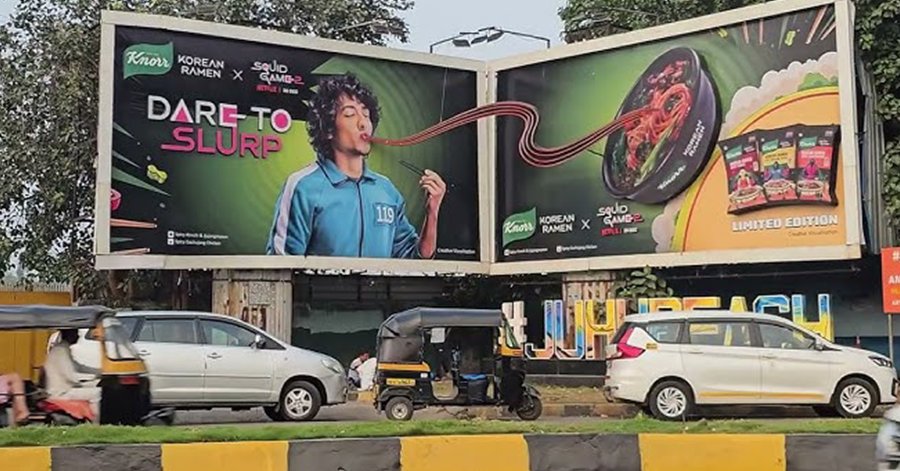
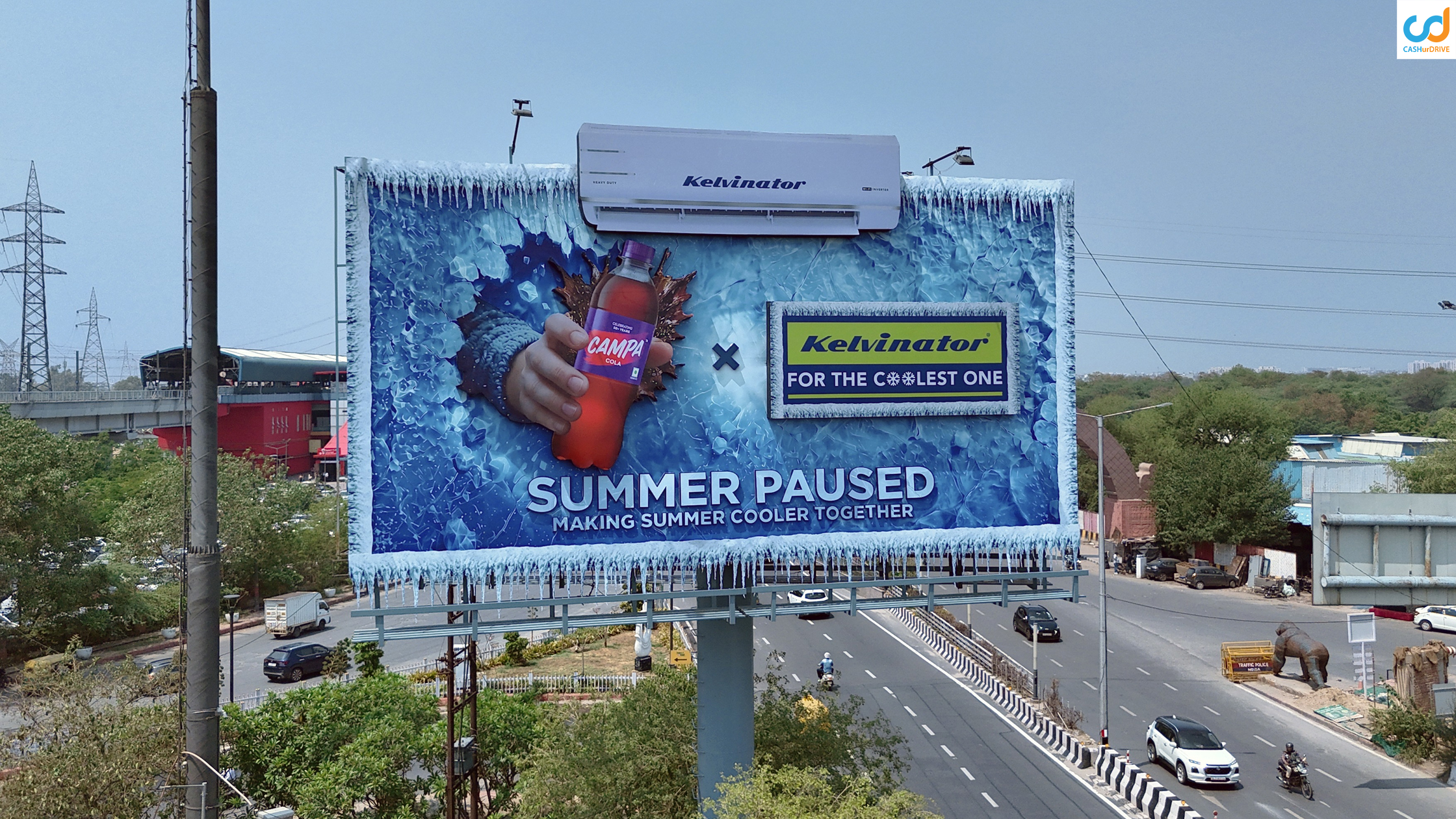
Out-of-Home Advertising also referred to as OOH advertising is a term for the advertisements that are found outside the home. It generally includes bus shelter ads, billboards, unipoles and transit advertising. OOH advertising campaign works by placing the brand’s message through ads in front of potential customers.
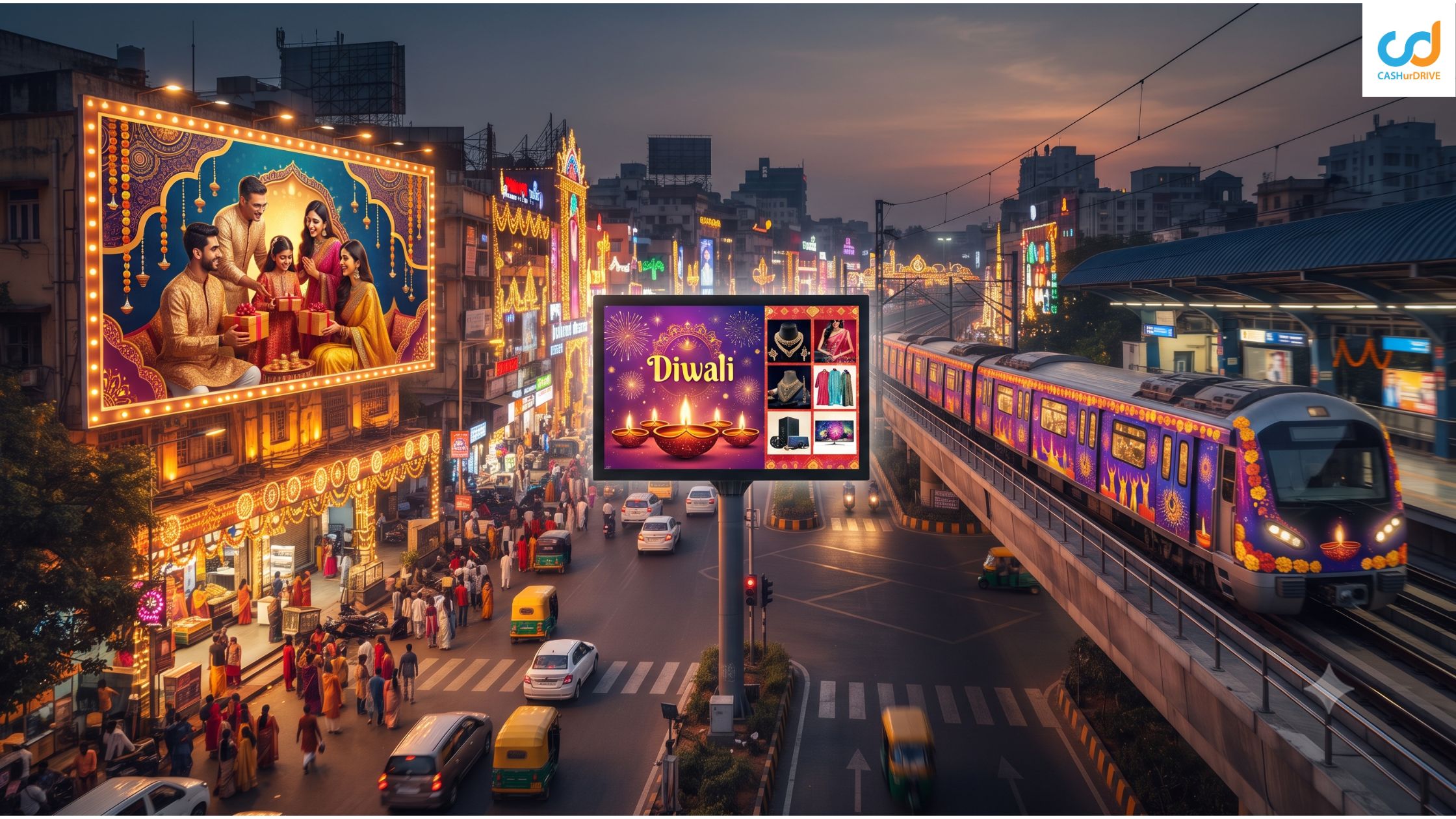
OOH ads are difficult to avoid and leave a significant impact on consumers due to their size and contrast to the real-world environment. While most of the out-of-home ad inventory is physical, now we have more digital screens as part of OOH campaigns. The AI-enhanced DOOH Campaigns element of the industry is growing quickly and with collaboration from AI, it is expected to take the OOH industry to new heights.
The Fusion of Media and Logic: 4 Ways AI is Transforming the Industry
According to various research studies, the global OOH market was earlier valued at $ 3.6 billion in 2026. Now, it is projected that it will reach 8.4 million in the upcoming years. With innovations in OOH every day, marketers can now track audience movement and measure the OOH campaign effectiveness.
Artificial Intelligence (AI) is truly revolutionising the way OOH media works. This new technology of using AI in OOH advertising is making outdoor advertising more dynamic, targeted and most importantly, responsive. Here are some key ways in which the presence of Artificial Intelligence in the out-of-home advertising landscape is revolutionising the ad world.
1. Liquid Audience Targeting
Traditional planning relied on high-traffic locations. Today, we buy “audiences” rather than just “locations.” AI analyses anonymised movement patterns to find the best moment to serve an ad. For example, if your target is “eco-conscious professionals,” the AI will activate screens only when that cohort is most dense. Similarly, it can turn off the ad when the target moves elsewhere.
2. Generative Creativity in DOOH
Generative tools have moved past the “wow” factor into the “ROI” era. Marketers now use modular asset generation to create thousands of ad variations. The future of AI in advertising involves screens that change their colour based on the weather. In addition, they can update their call-to-action based on real-time inventory levels in a nearby store.
3. Predictive Ad Spend Optimisation
Gone are the days of wasted impressions. In programmatic DOOH, AI-driven bidding agents manage budgets autonomously. They can pause a campaign during a traffic lull. Conversely, they can double down on bidding when a local event spikes foot traffic. This ensures every rupee of the budget delivers maximum value. Therefore, your cost-per-result drops significantly.
4. Cross-Channel Synchronisation
Perhaps the most powerful effect of outdoor advertising AI is how it talks to other channels. Geofencing and mobile integration enable the journey to be seamless. For instance, if a consumer sees a transit ad in the morning, they would get a personal notification later in the afternoon. In fact, it creates a cohesive journey from the street to the screen.
5. Better Forecasting and Planning
To determine the best times and places for ad placements, artificial intelligence (AI) systems examine past data, present trends, and outside variables like traffic and weather. By putting advertisements where the target audience is most likely to be present, this guarantees that advertisers may optimize their impact and reach.
Why Modern Brands Need AI in OOH Advertising
Effective AI outdoor industry marketing isn’t just about technology. Actually, it is about the human insight that guides it. At CASHurDRIVE, we have observed that the most successful campaigns use data as a compass, not just a pilot. If you don’t have the right strategy, the best data in the world won’t save you.
In the Indian market, OOH takes on a hyper-local flavour. AI helps bridge the gap between “one-size-fits-all” campaigns and regional nuances. In 2026, we are witnessing “Agentic Bidding.” In this setup, systems are given a business objective like “increase store visits by 15%.” Then the AI system will optimise the bids for the bus panels and digital hoardings in Mumbai or Delhi without any human intervention. This makes the process faster and more accurate than the traditional method.
Measuring Impact: From Awareness to Conversion
The biggest scepticism around outdoor advertising AI was: “How do I know it worked?” Fortunately, AI has finally solved the “Black Box” problem of OOH. It’s no longer a guessing game.
- Footfall Attribution: We can now compare screen play-logs with anonymised mobile location data. As a result, brands see a direct correlation between seeing an ad and visiting a physical store.
- Predictive Lifetime Value (PLTV): Advanced technology now connects OOH ad exposure to future customer behaviour. Marketers can evaluate whether a subway ad translates into a loyal customer or a fleeting visitor.
- Global Benchmarks: Markets in North America and the Asia Pacific lead the charge in AI-driven DOOH Campaigns. Specifically, they use non-intrusive facial coding to measure “Dwell Time” and “Dwell Emotion.” This determines if an ad really resonated with the viewer.
Ethical Guardrails: The Trust Economy in 2026
We cannot ignore the challenges. Implementing AI in OOH requires a balance between efficiency and ethics.
Privacy-First Personalisation
The rise of “Data Clean Rooms” allows brands to match customer data securely. In 2026, the goal is to be helpful rather than intrusive. Using facial recognition for general demographics like age or gender is acceptable for triggers. However, storing personal identities is strictly forbidden under modern regulations. In short, your identity stays yours. We don’t need to know who you are to know what you might like.
Combating Algorithmic Bias
AI is only as good as the data it receives. If historical data is biased, the campaign will be too. Therefore, progressive agencies now audit their algorithms. This ensures that ads for luxury goods or financial services do not exclude certain demographics due to incomplete data patterns.
What’s Next? Emerging Trends to Watch
- 5G-Powered Real-Time Triggers: Zero-latency connectivity means a billboard can react instantly. For instance, it can change based on a passing vehicle’s specific model or a change in air quality.
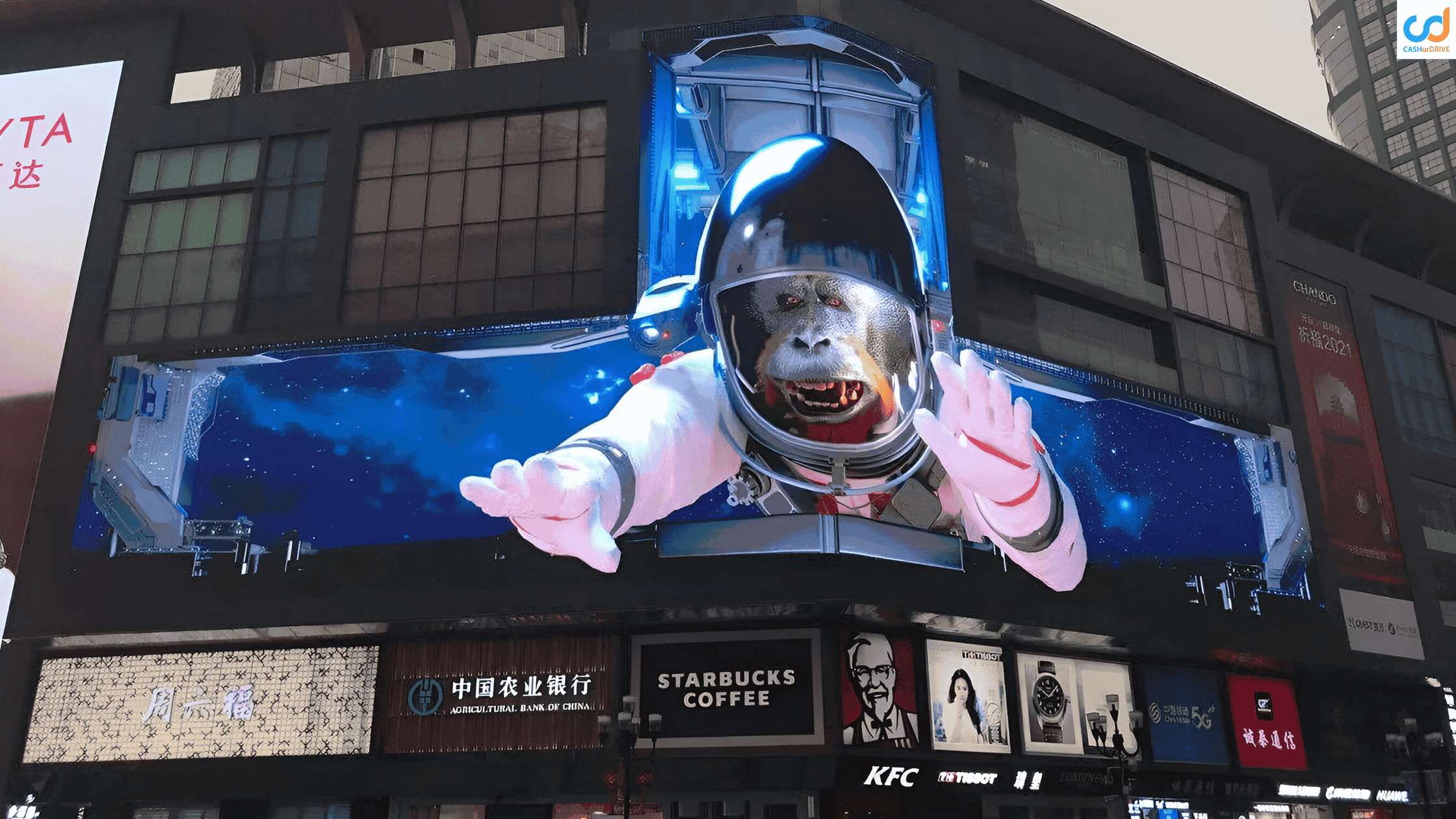
- Holographic & Anamorphic 3D: AI makes high-end 3D production cheaper and faster. Consequently, “naked-eye” 3D experiences are becoming a staple in Indian metropolitan areas.
- The Rise of “Green” AI: 2026 is the year of carbon performance. AI now optimizes screen brightness to reduce energy consumption. In fact, this makes DOOH one of the most sustainable reach-based media available today.
Final Words
Sooner or later, every human interaction in the physical world will rely on AI. The use of AI in OOH advertising is not just a trend. Instead, it is the new way of looking at the world. By leveraging interaction, the industry has achieved a level of precision that makes the “traditional vs. digital” debate irrelevant.
CASHurDRIVE: Leading the Intelligence Charge
AI tools and technologies that specifically help in real-time data collection and facial recognition simplify the work, but they also raise significant privacy concerns as well. The safety of personal data is quite doubtful. Therefore, ensuring the complete safety of personal data respectfully and legally is of utmost importance.
FAQs: Navigating AI in OOH Advertising
1. How does AI actually improve the ROI of a billboard?
AI improves ROI by eliminating waste. Instead of running an ad 24/7, AI-driven platforms only trigger the ad when your target audience is present. Therefore, you only pay for high-value impressions.
2. Can AI-driven OOH track conversions like Google Ads?
Yes, almost. Through mobile-location data and QR code interactions, we can track attribution. This shows the percentage of people who saw the ad and later visited a store or website.
3. Is “AI in OOH Advertising” expensive for small brands?
Actually, it is often more cost-effective. Programmatic buying allows smaller brands to buy specific “micro-moments.” This is much cheaper than committing to a full-month lease on a physical hoarding.
4. What is the difference between DOOH and AI-enhanced DOOH?
DOOH is a digital screen playing a simple loop. In contrast, AI-enhanced DOOH is a “smart” screen. It uses sensors to change content based on who is standing in front of it.
5. How do you ensure privacy with AI sensors in public spaces?
Modern sensors use “edge processing.” This means they detect general demographics but immediately delete the visual data. No personal images are ever recorded or stored.
6. Will AI replace creative designers in the OOH industry?
No. AI is simply a “co-pilot.” It handles the scaling and resizing for hundreds of screens. However, the core strategy and emotional storytelling still require human expertise.