Hyperlocal Marketing: The Real growth hack for D2C brands
 By Kalpana Rathore
Most brands aim to target everybody simultaneously. They conduct wide-ranging campaigns and choose a vast audience for the promotion. The idea behind such marketing tactics is rather simplistic: someone will like something eventually.
However, nowadays, some of the most effective strategies employed by Indian D2C brands look somewhat different. Such brands narrow their target and go after one city, region or even community.
That is what we call hyperlocal marketing. It can become a rapid driver of growth for any D2C brand in India.
What is Hyperlocal Marketing for D2C Brands?
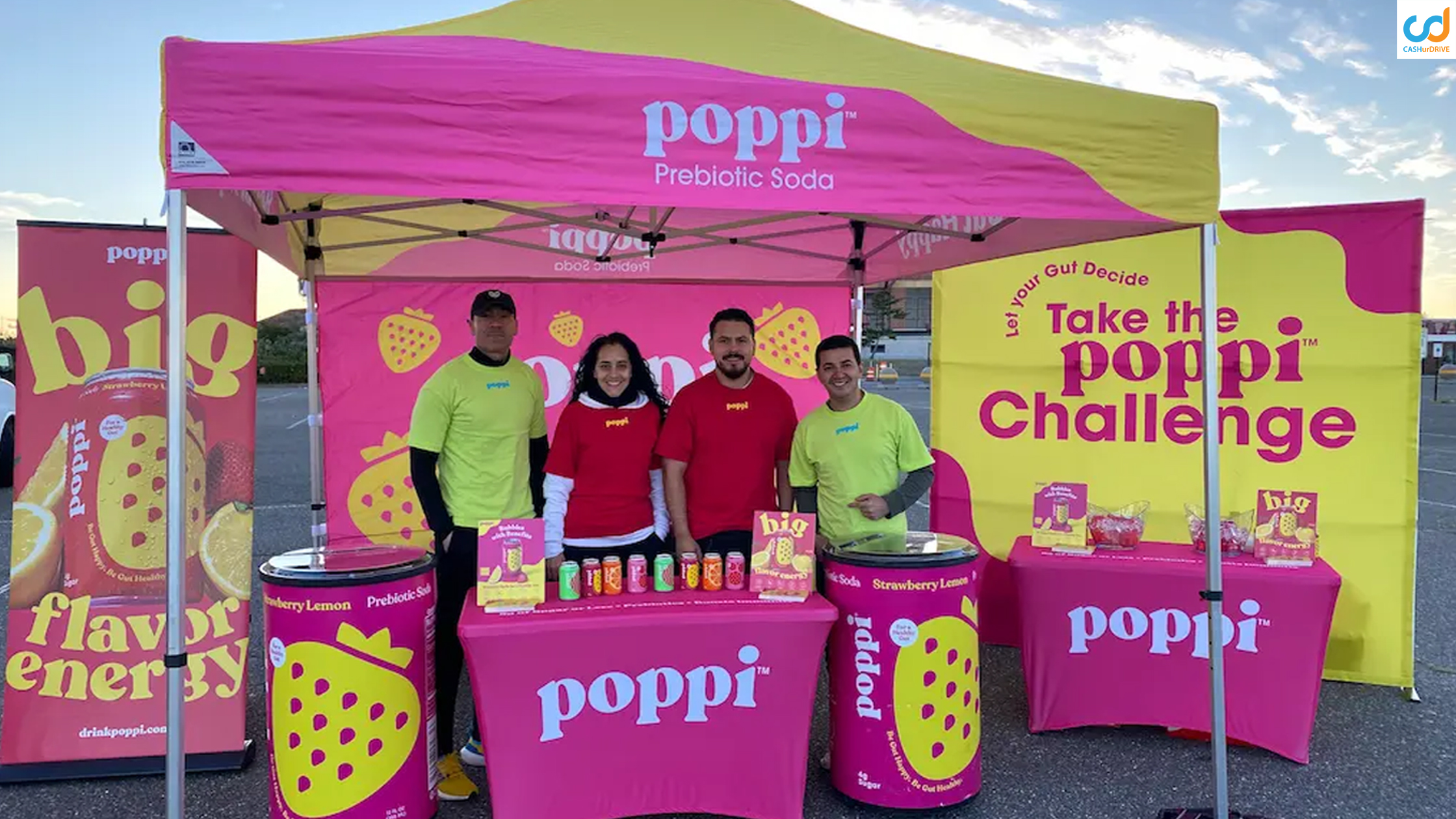
Hyperlocal marketing means promoting products and services to people living in some narrow, well-defined area, for example, one pin code or one office zone.
If a food brand markets lunch deals in Bengaluru, it may be conducted in different neighborhoods or areas. If a beauty brand markets its skincare products in Mumbai, it should do it differently in Bandra than in Thane since buyers’ needs differ.
Once a customer perceives that advertising appeals to his daily experience, he is likely to show more interest in it. This is how hyperlocal marketing wins over national strategies in terms of engagement level and results achieved.
Why are D2C marketing strategies in India going hyperlocal?
India is the most heterogeneous consumer market in the entire world. Every city has its own language, culture, and purchasing behavior. What works for Chennai won’t work in Chandigarh and vice versa. As such, the most effective D2C marketing strategies run by Indian brands today revolve around the idea of being local.
The rise of quick commerce has contributed greatly as well. Blinkit, Zepto, and Swiggy Instamart enable consumers to order products in minutes. Once someone visits Blinkit, they’re ready to purchase whatever catches their attention right away. Getting listed on the platform becomes equal to selling your products directly.
Finally, Tier 2 and Tier 3 cities have become more popular over the last few years. New buyers in these markets find brands online every single day. D2C brands that build local presence early in these places grow faster. The ones that wait tend to lose ground to whoever got there first.
Best D2C marketing strategies India brands use for hyperlocal growth
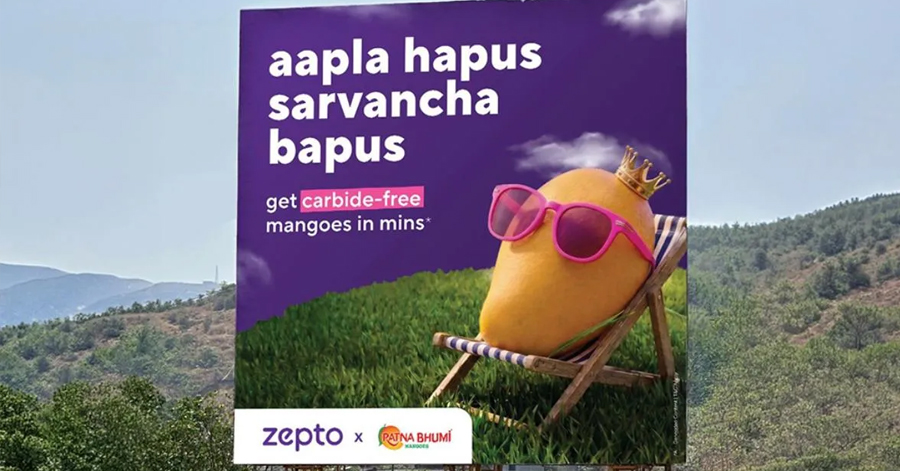
1. Street pole ads in busy local areas
D2C brands now mostly opt for several smaller ads rather than one big billboard.
Street pole ads function best near metro exits, markets, office streets, and shopping regions as these places attract pedestrians regularly. When customers keep seeing the same brand in one area, the brand starts feeling familiar very quickly.
This is one of the smarter forms of hyperlocal marketing for D2C brands because it creates strong local visibility without needing massive budgets.
2. Auto stands and local transit branding
Auto stands and local transit points represent places with higher attention spans.
People usually spend some time at such sites, which allows you to have more time showing your brand as opposed to fast-paced highway ads. Brands use D2C strategies here for food delivery, fashion, beauty, and quick-commerce campaigns due to already present mobility.
It also makes your brand seem more local and trustworthy.
3. Shopfront ads near buying zones
One smart D2C marketing strategy India brands use is placing ads near places where people already shop.
This includes:
- Cafés
- Kirana stores
- Salons
- Gyms
- Local shopping streets
These ads work because customers are already in buying mode. A skincare ad near a salon or a snack brand near a café feels more natural and relevant.
Small local placements often perform better than expensive mass advertising because the audience is more targeted.
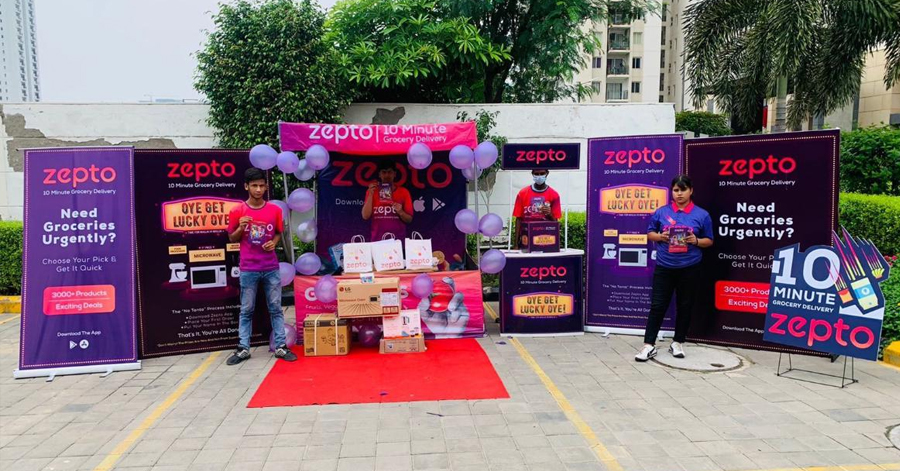
4. Society and apartment advertising
Many brands now advertise inside gated societies and apartment complexes. Lift screens, parking areas, clubhouse displays, and society gates have become useful advertising spaces because people see these ads every single day. Unlike crowded roads, residential areas give brands longer attention time.
This works especially well for:
- Grocery brands
- Home services
- Parenting products
- Fitness apps
- Food delivery brands
That is one reason why outdoor advertising for D2C brands is becoming more focused on residential visibility instead of only highways and large billboards.
5. Transit and last-mile outdoor advertising
A huge number of purchase decisions are made right before the final transaction.
This is why brands like D2C prefer advertising near delivery points, supermarket locations, quick commerce points, and crowded residential streets. This way, customers see your brand while shopping or even receiving their order.
In addition, D2C brands often combine outdoor and digital ads in the same location. A person notices the brand outside first and later sees it online. Together, both channels improve recall and conversions.
This combination is now a major reason why brands work with a D2C growth marketing agency that understands both digital targeting and local outdoor advertising solutions.
Metro stations, busy roads, and office corridors give you daily exposure to a fixed audience. Brands that use outdoor advertising solutions alongside their digital campaigns usually see a lift in branded search and app installs in those areas. The two channels push each other.
Why online and offline work better together for D2C marketing strategies in India?
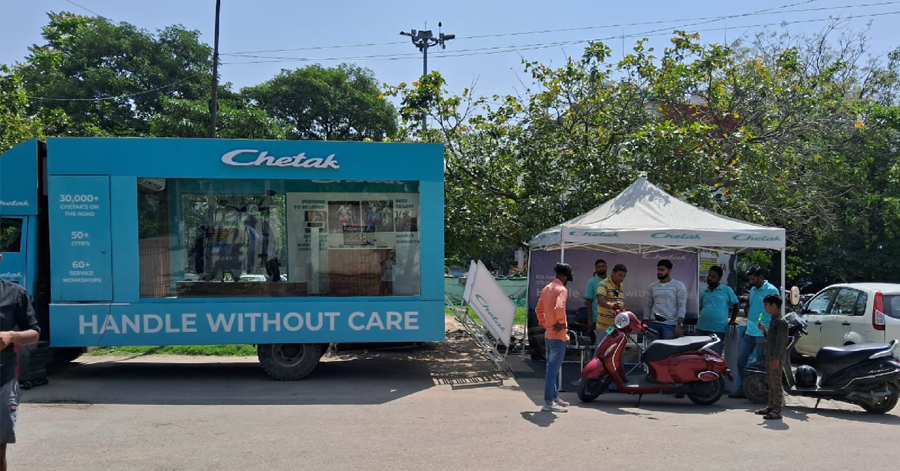
The best D2C marketing strategies India teams run don’t use just one channel. They layer online and offline so buyers see the brand in different contexts.
A customer sees your hoarding near their metro station. Later they see your Instagram ad. Then they find your product on Blinkit. By the third time, the brand feels familiar. Familiar brands win. That’s not a theory. That’s just how memory works.
A D2C growth marketing agency that handles both digital and outdoor can build this kind of presence without you managing two separate teams. The consistency across channels is what makes the recall stick.
How to start hyperlocal marketing for D2C brands?
You don’t need a big budget. You need focus.
Pick one city. One zone. Build real visibility there before you move on. Use local language and local references. Run your ads, influencer content, quick commerce listings, and WhatsApp outreach in the same area at the same time. The overlap across channels is what builds recall fast.
Track results. Sales, repeat buys, and new customer numbers all tell you if the D2C marketing strategies India approach is working in that zone. Once one area performs well, move to the next. Scaling too fast before a market is strong tends to waste spend and dilute results.
Mistakes to avoid
Using the same creative everywhere is the most common one. India is diverse. What works in Hyderabad doesn’t always land in Jaipur. Local creative always beats copied national campaigns.
The other mistake is scaling before you’re ready. A strong local presence in two cities is worth more than a thin presence in ten. Go deep first. Then go wide.
FAQs
Q1: What are some effective strategies for D2C marketing used by Indian brands?
Geo-based advertisements, collaborations with local creators, quick commerce products, WhatsApp groups, and out-of-home ads prove to be great. However, the highest success is achieved when both online and offline tactics are combined within the same geographical region.
Q2: Why does hyperlocal marketing perform effectively for D2C companies in India?
The country is characterized by high regional diversity. Therefore, the relevance of local marketing is obvious – it speaks the same language and resonates with the habits of consumers. A relevant advertisement always wins over a general one.
Q3: Is it possible for purely digital D2C businesses to utilize hyperlocal marketing?
Yes. Geo-targeted digital ads, local creator partnerships, and quick commerce presence all build strong local reach without any offline store or setup.
Q4: How do D2C marketing strategies in India change by city?
Buying habits, language, price range, and category preferences all shift between cities. The best D2C marketing strategies India brands run are customised for each market, not copied from one city to another.