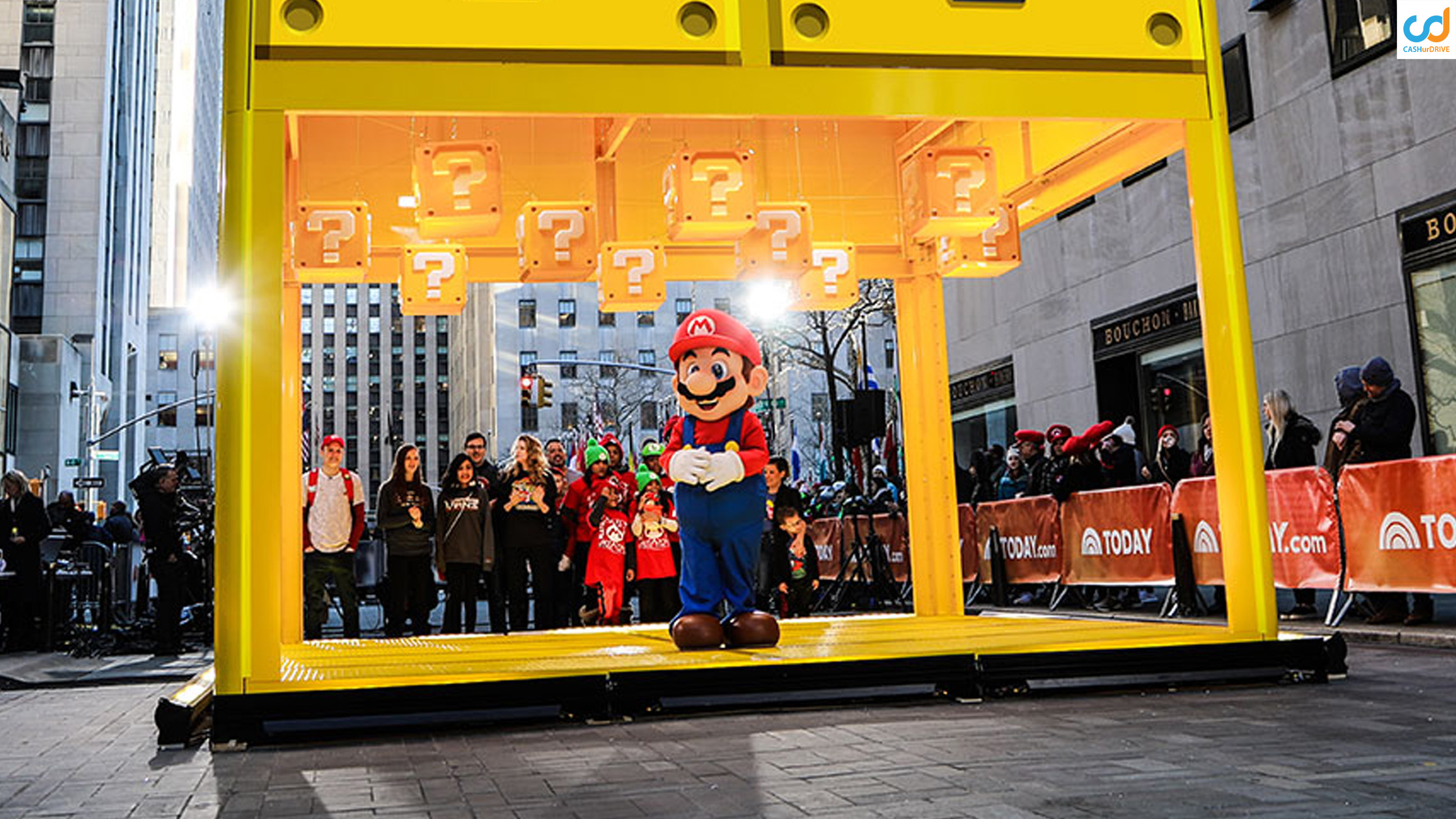
Experiential Marketing in India (2026 Outlook)
 By Manan Sethi
Look around for a second. Ever feel like you’re becoming immune to ads? It’s because we are. Our brains have basically built a natural firewall against anything that smells like a traditional commercial. By 2026, the average Indian consumer isn’t just skipping YouTube ads; they are mentally deleting them. This is exactly why the “old way” is dying, and a new era of engagement has become the literal heartbeat of brand survival.
People don’t want to just stare at a brand on a glass screen anymore. That’s boring. They want to touch it, argue with it, and let’s be honest—they want a photo with it for their feed. We’ve entered a time where the “experience” is the actual product, which is why experiential marketing in India is important. If you don’t spark a real emotion within the first ten seconds, you’ve lost them.
India: The “Touch and Feel” Market
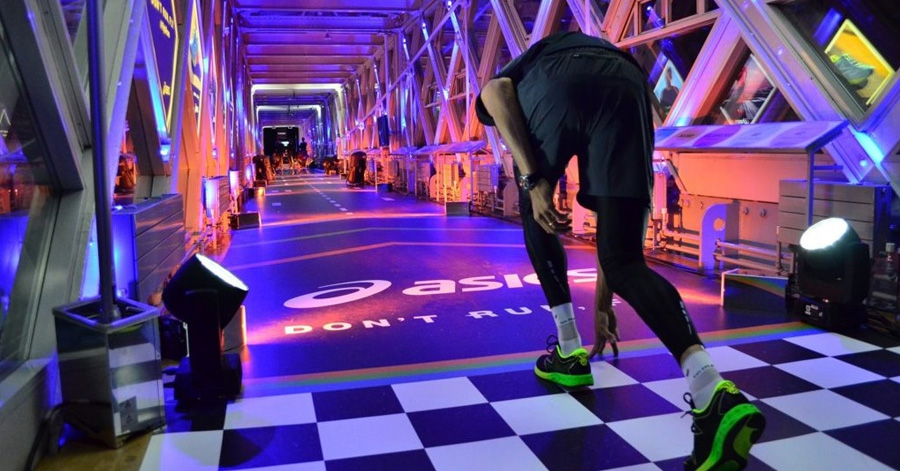
India is a beautiful, loud, and chaotic market. What works in London usually falls flat in Lucknow. Why? Because our culture is rooted in physical, social vibes. We are “touch and feel” shoppers. Even with massive apps taking over, that local kirana store stays alive because of that human bond.
Modern strategy taps into this DNA. It takes that trust built in a face-to-face interaction and multiplies it with technology. Whether it’s an AR dance-off for Navratri or a floating brand booth in the Sundarbans, the idea is simple: stop being an advertiser and start being a memory. In 2026, memories are the only currency that doesn’t devalue.
What’s Actually Working?
If you’re asking what makes a campaign “hit,” it isn’t just a pretty booth. It’s about interaction that actually means something. Here are the three big moves:
- The “Phygital” Blend: This is the big one. It’s when physical spaces meet digital layers. Imagine walking past a store, and your phone shows you offers floating in the air. Or smart mirrors that let you “try on” twenty outfits in a minute. It breaks the wall between the screen and the skin.
- Hyper-Personalisation: Generic flyers are garbage. People want things that feel customised. We are witnessing AI kiosks that recognise your face (if you give them permission!) and recommend a coffee blend based on your mood. This is where you make the customer the hero.
- Cultural Roots: You can’t ignore our festivals. Brands are moving away from just “putting a logo” on an event to actually being part of the celebration. If you’re at a Pandal, the brand should be the one providing the Wi-Fi or the eco-friendly tanks. Add value, not just noise.
Best Experiential Marketing in India Examples
Let’s talk about who is actually winning. These aren’t just theories; these are experiential marketing campaigns that people are still talking about at dinner tables.
Swiggy’s “Floating Bhog”
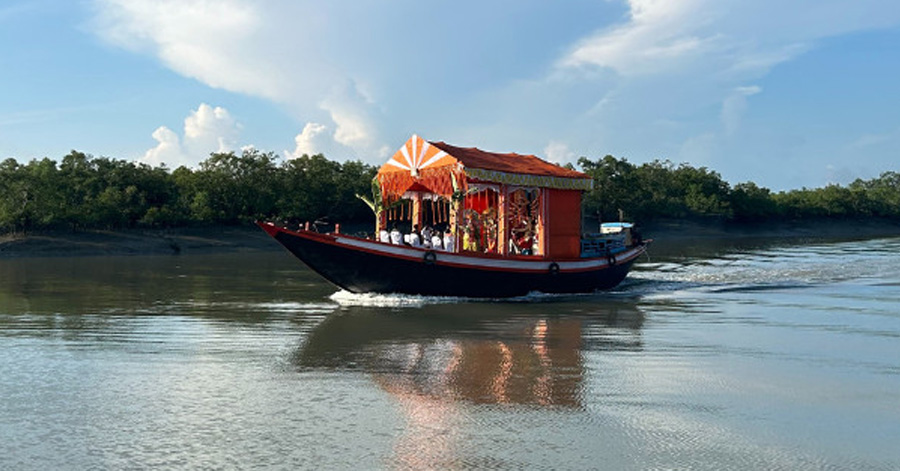
During Durga Puja, Swiggy did something wild. They didn’t just give out coupons. They built a floating pandal in the Sundarbans and delivered bhog to remote areas via boats. It wasn’t a delivery service; it was a cultural service. It went viral because it had heart, making it one of the best experiential marketing moves we’ve seen in years.
Tata Motors: The “Fearless” Drive
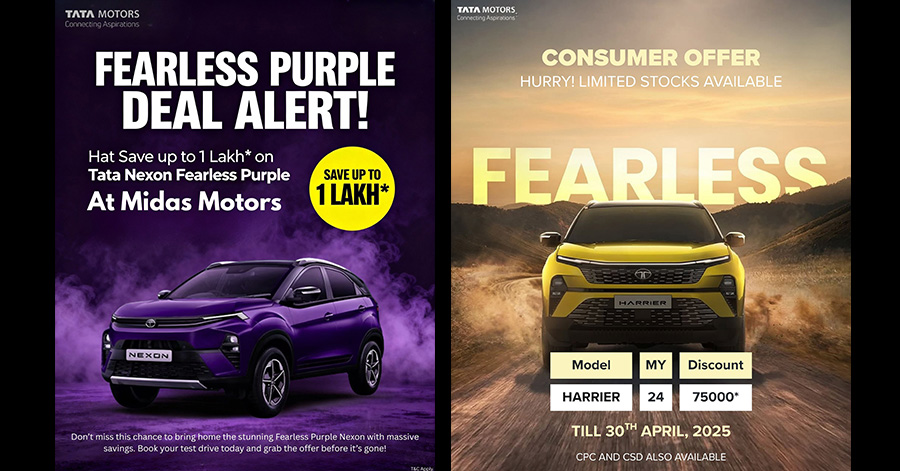
To sell EVs, you have to kill “range anxiety.” Tata Motors built massive, immersive tracks in Tier 1 cities. They didn’t just let you drive on a smooth road. They put you through simulated monsoon floods and Himalayan climbs. By the time you stepped out, you didn’t just know the car—you trusted it.
Flipkart Minutes: The Dance-Off
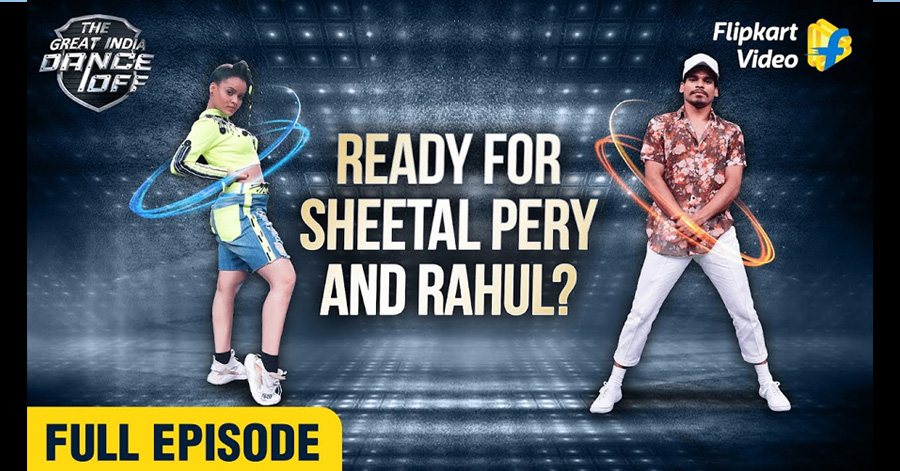
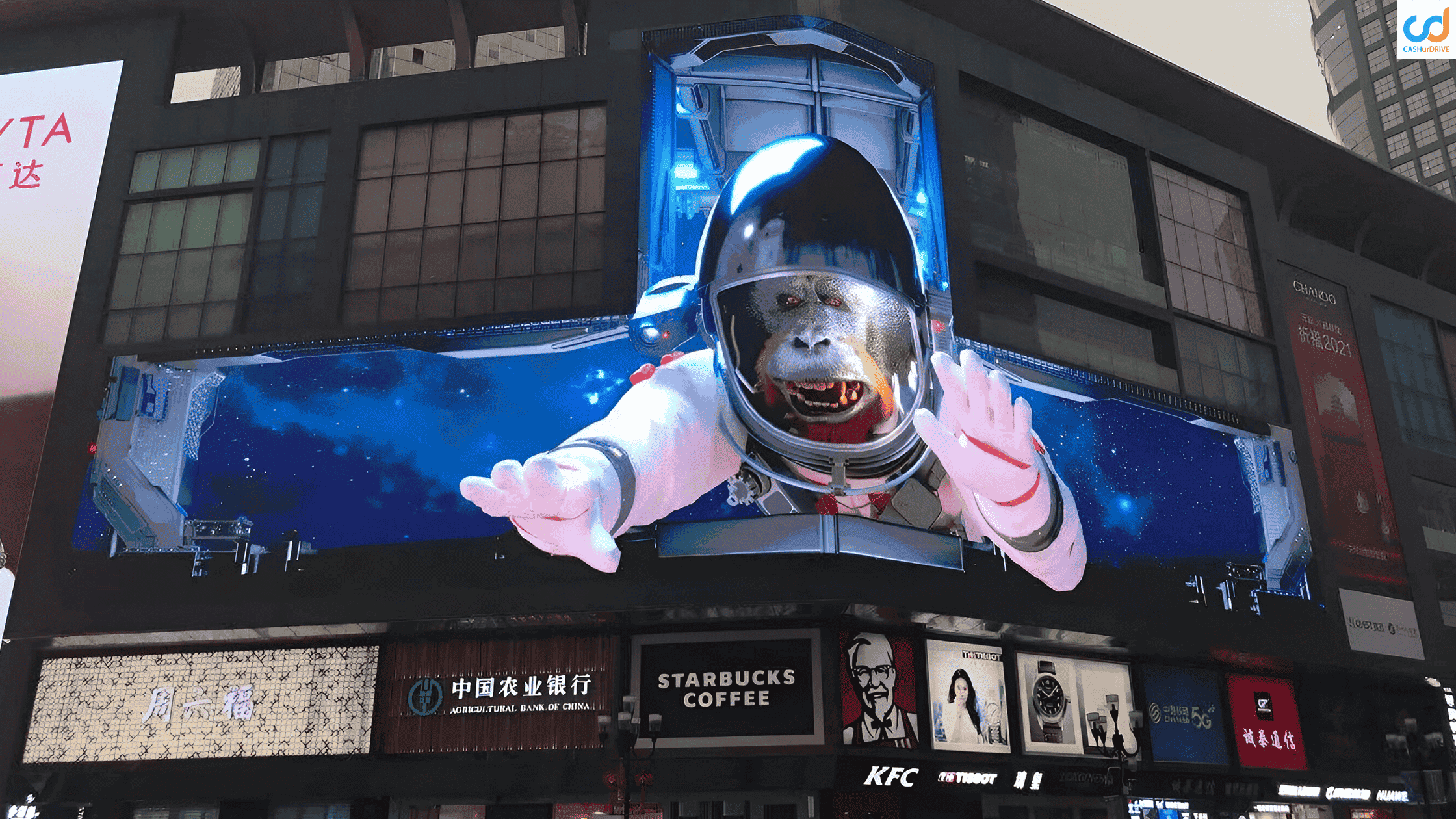
Recently, we witnessed some amazing experiential OOH campaigns where motion-tracking billboards reflected the Garba steps of people passing by. It turned a dull commute into a 30-second party.
The Big Payoff: Advantages of Experiential Marketing
Why spend the money? Because the advantages of experiential marketing are impossible to ignore:
- Trust Over Hype: We believe our own eyes more than a paid celebrity.
- The Shareability Factor: If it’s not on Instagram, did it even happen? Great experiences create free “User Generated Content” (UGC).
- Emotional Memory: A memory tied to a feeling stays in the brain way longer than a banner ad.
B2B Experiential Marketing: Not Just for Sneakers
Think this is only for consumer brands? Think again. B2B experiential marketing is exploding in India right now. Corporate leaders are tired of 50-page PDFs. In 2026, they want:
- Executive Briefing Centres: Immersive rooms where a CEO can tweak a “digital twin” of their factory in real-time.
- VR Factory Tours: Put on a headset in Bengaluru and walk through a plant in Germany.
- Gamified Learning: Learning about security isn’t boring if it’s an “Escape Room” challenge.
Moving with the People: Transit and BTL
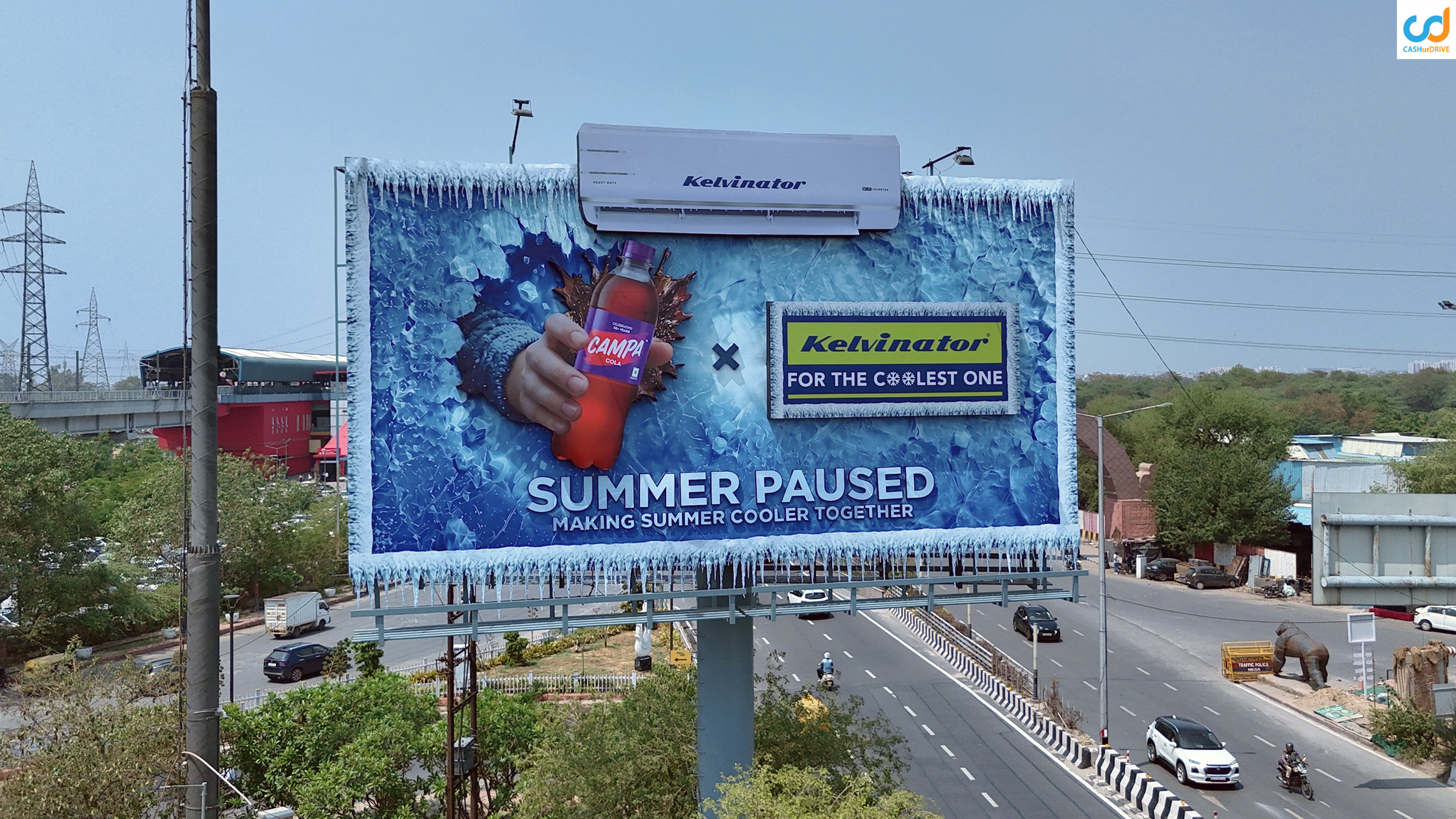
The secret sauce? Meeting people where they are already bored. Transit media advertising—on metros or in cabs—is the perfect canvas. Imagine a “Scent Station” on a metro platform where you can sample a perfume while waiting for your train.
And then there’s the “BTL” (Below The Line) magic. BTL marketing campaigns are about that direct contact.
- Society Booths: Health checkups in big apartment complexes.
- Tech Park Roadshows: 5-minute VR games for busy IT folks during lunch.
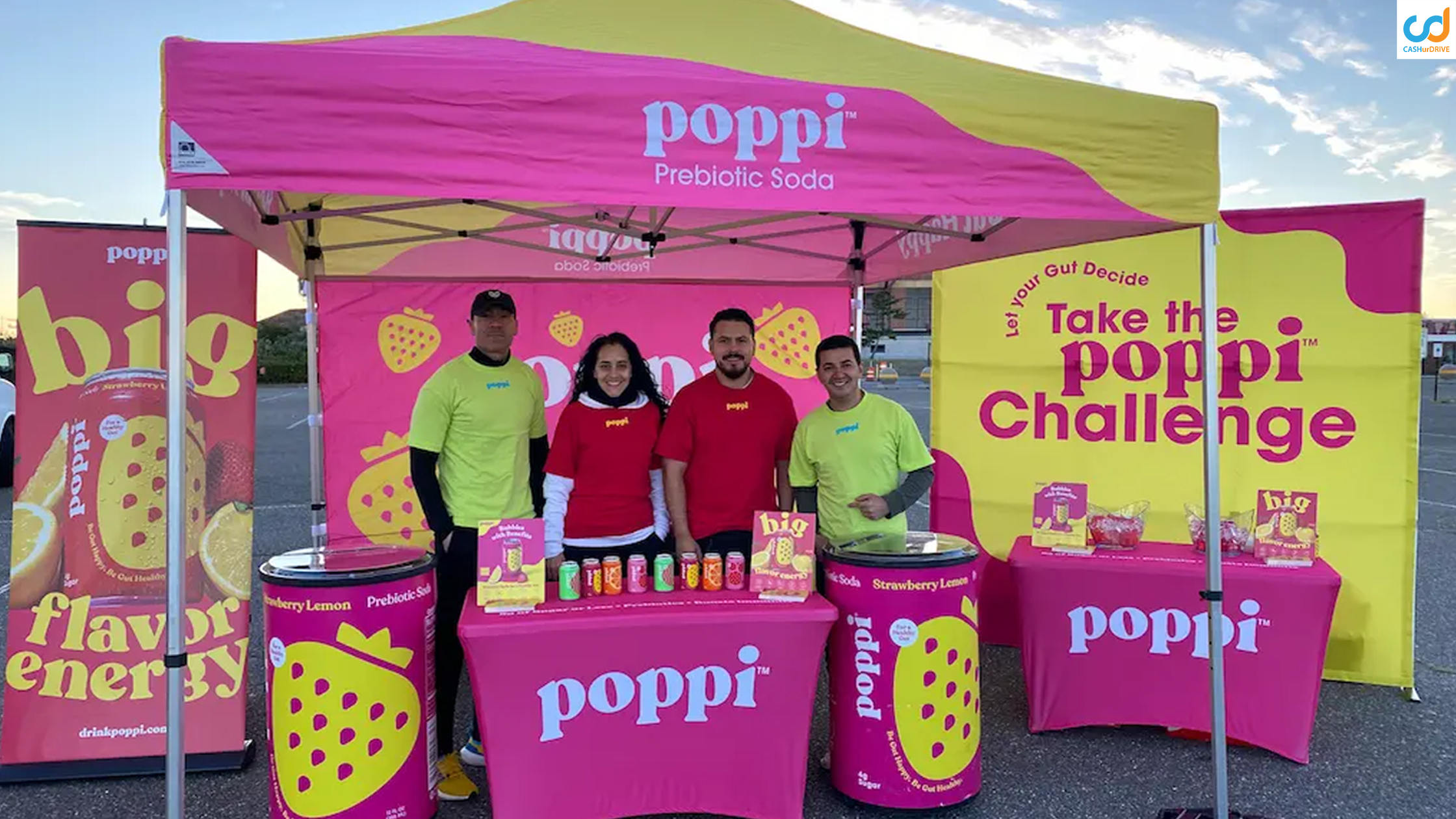
- Hyper-local Sampling: Not just giving a snack, but having a chef show you how to cook it.
Working with a solid brand activation agency is how you turn these small ideas into massive, seamless events.
Your Hit-List for 2026
If you’re building a strategy, keep this in mind:
- Pick a Goal: Leads or Brand Love? Pick one and stick to it.
- Know the Vibe: A student in Pune and a businessman in Ludhiana want different things. Localise the language and the music.
- Find the “Wow”: Every event needs a climax. A light show? A custom gift?
- Location is Key: Malls are okay, but Metro stations or Corporate parks have higher “dwell time.”
- Social First: If it doesn’t look good in a photo, you’ve failed.
- Measure it: Use sensors to see where people stood the longest. Don’t just guess.
The Rise of Tier-2 and Tier-3
Stop thinking only about Mumbai. Cities like Indore, Jaipur, and Kochi are the real gold mines now. People there have money, and they are hungry for new things. Experiential marketing in India has grown as a big launch in Lucknow creates way more buzz than another event in a saturated Delhi mall. Just remember: respect the local language. Don’t just translate; rewrite.
Sustainability isn’t Optional
Wait—one more thing. In 2026, if you leave a pile of plastic after your event, you will be “canceled” instantly. Sustainable moves are the new law. Use solar power, seed paper, and biodegradable stalls. If you care about the planet, the customers will care about you.
Conclusion
At the end of the day, experiential marketing in India is simply “be a person.” In a world filled with bots, we are starving for real connection. The brands that stop talking at people and start doing things with them are the ones that will win in 2026.
It’s not just about the money you spend. It’s about the emotion you earn. Win the heart, and the wallet will follow every single time.
FAQs
1. Is this only for huge budgets?
Nope. A local shop doing a “blind taste test” is doing it right. It’s about the idea.
2. How do we track the success?
Look at “Cost Per Engagement.” Track how many people used your QR code or shared a photo.
3. Does it always need high-tech?
No. Sometimes a simple, honest conversation is better than a 10k VR headset.
4. Biggest mistake to avoid?
Making it too hard. If a customer has to download an app to play, they won’t do it.
5. How long should an activation last?
Keep it fresh. 3-5 days in one spot is usually the sweet spot.