The ROI Playbook: How to Measure Impact in BTL Activations?
 By Kalpana Rathore
A BTL activation assists a brand in physical encounters with people. It uses simple ideas. It uses direct contact. It uses clear messages. This style is below the line advertising. It focuses on small groups. It focuses on real actions. It focuses on quick results. It is used by many brands as it is personal. Most teams are interested in knowing whether an activity was working.
They want to see results. They want clear numbers. A basic playbook assists in the quantification of these outcomes. It helps plan future work. It assists teams in making better decisions with passing time.
Why BTL Matters Today?
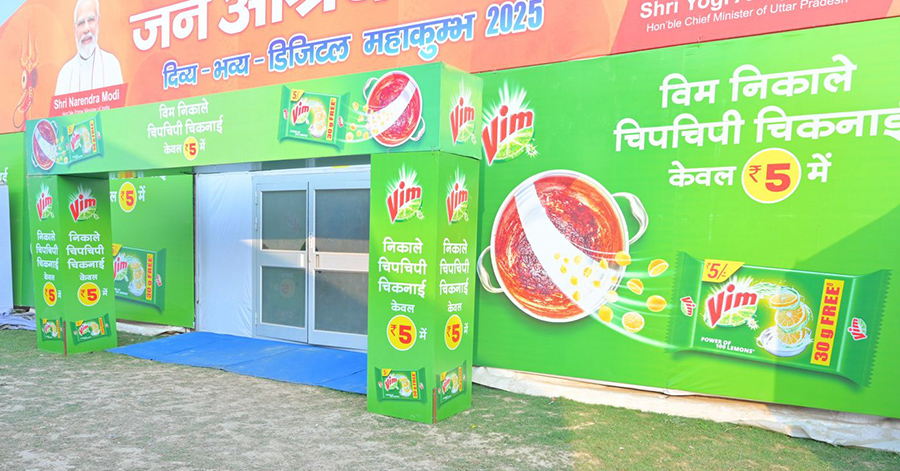
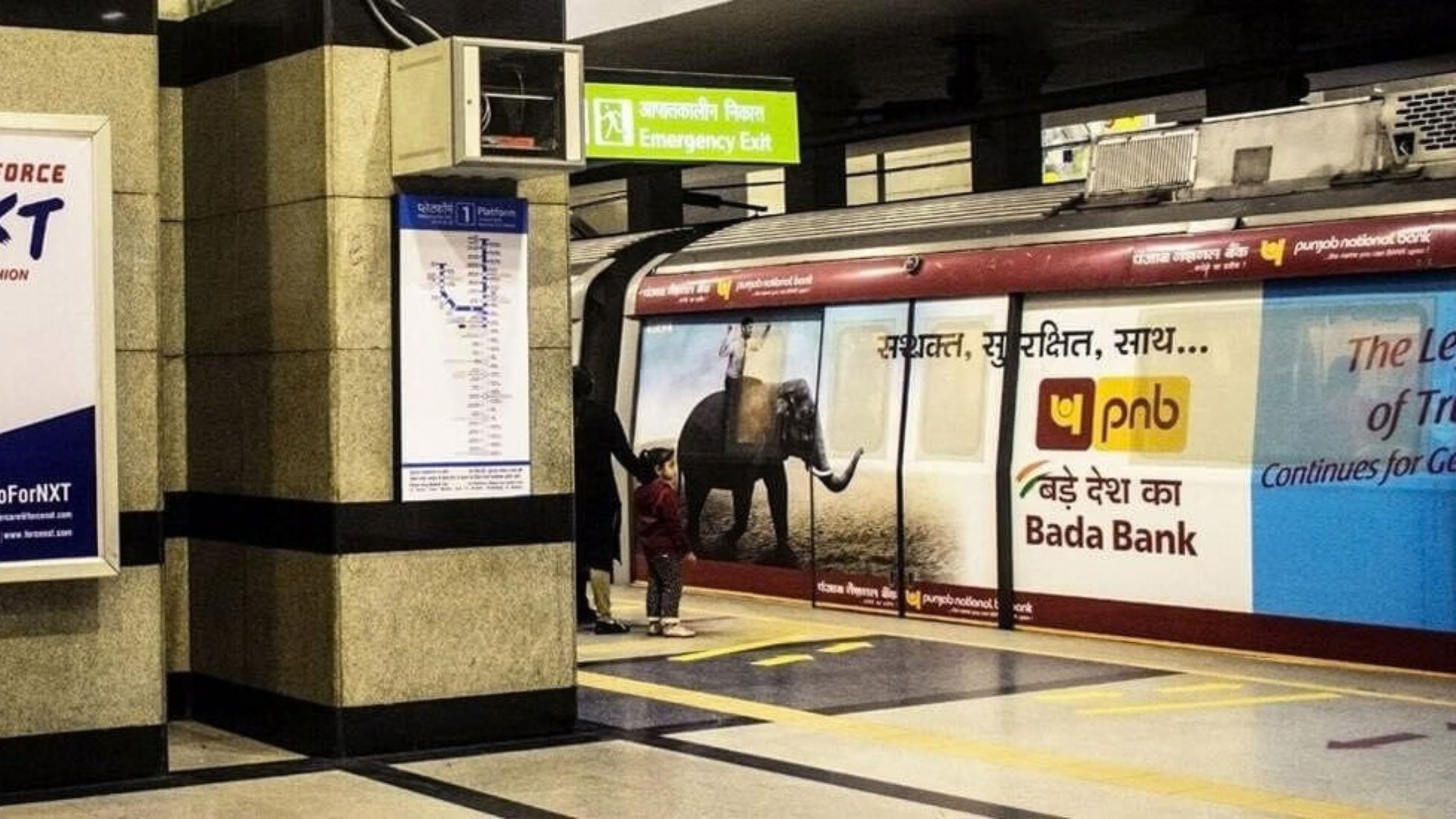
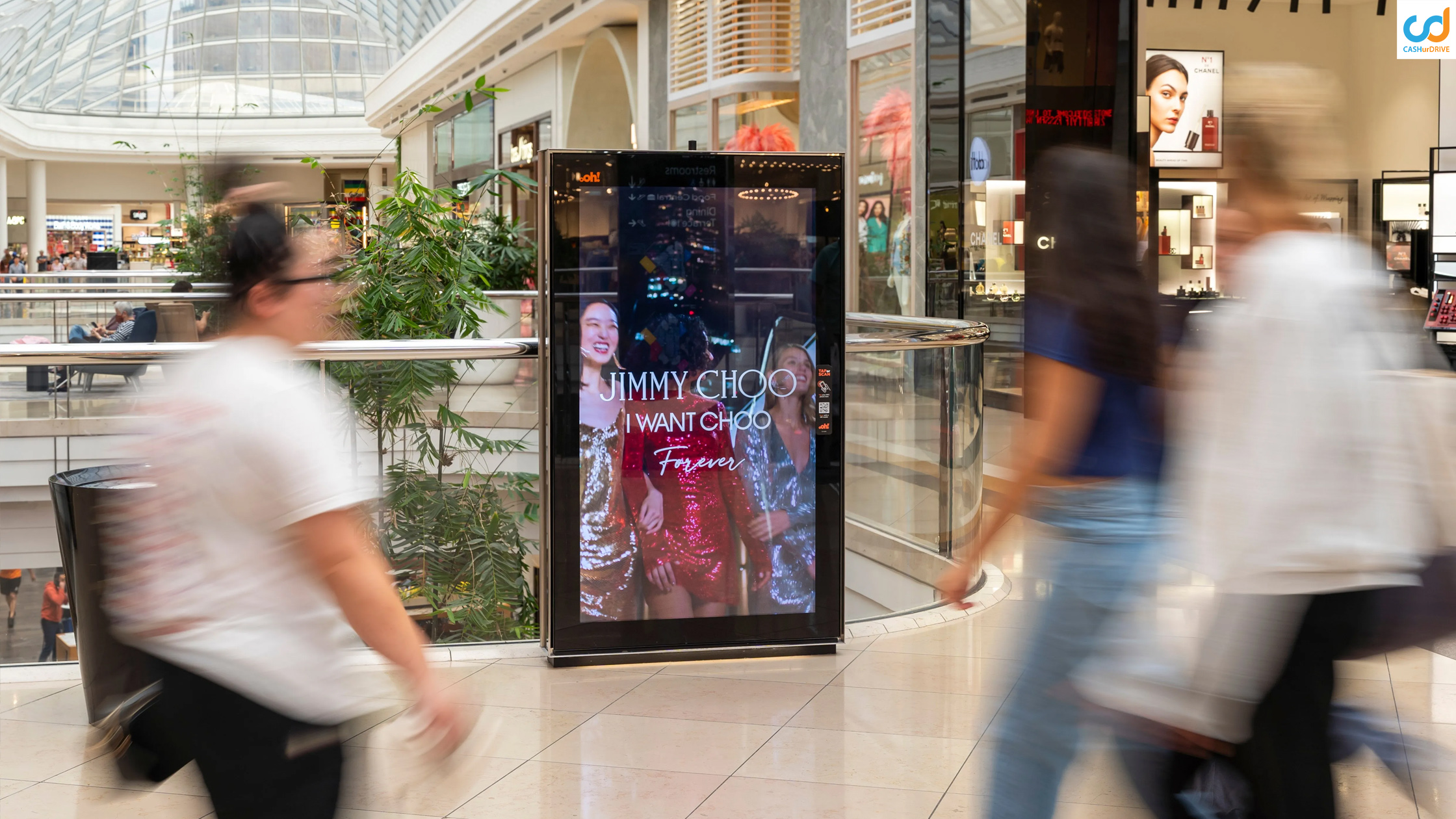
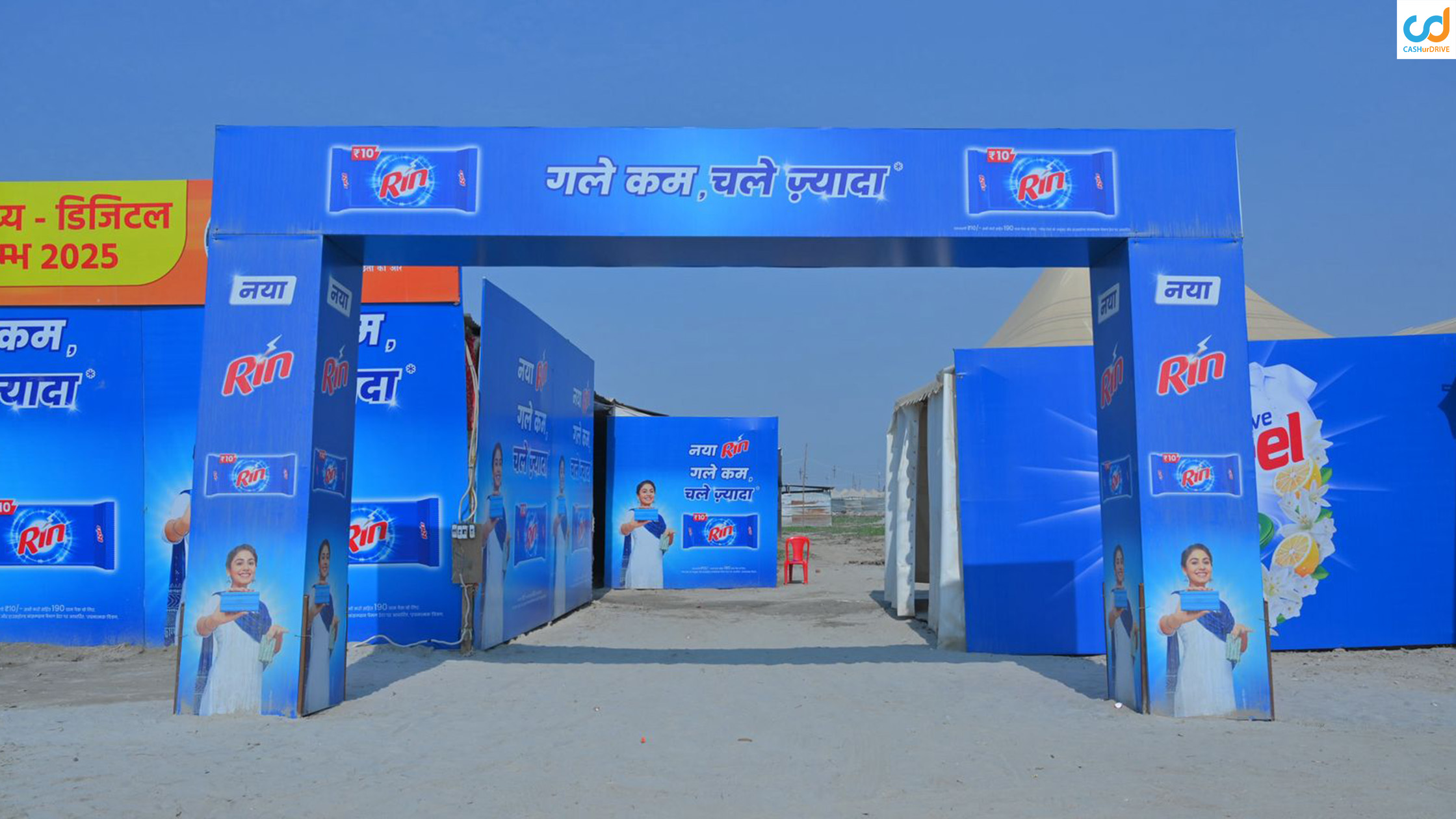
A below-the-line campaign aims to connect with people. It uses fewer steps. It uses smaller budgets. It aims to build trust. It works well for product sampling, mall events, roadshows and school drives. These ideas make below-the-line marketing important for new launches. These activities also support big media plans. They work with radio and digital ads. They support ATL advertising. When both work together, the overall impact becomes stronger.
BTL also works for local markets. It helps people see and touch a product. It helps people ask questions. It helps explain new features. This simple approach makes Types of BTL activities useful for many brands.
How a Simple ROI Plan Works?
A payback plan assists in impact measurements. An understood plan demonstrates success. It additionally demonstrates what failed. The plan has a few steps. All of the steps are simple to follow.
First, set a goal. A team should be aware of the aim that the activity should accomplish. The goal can be more sales. It can be more leads. It can be more footfall. It can be more samples. A clear goal assists the team in verifying progress in future.
Next, decide on the method. The approach highlights achieving measurements. Each of the activities applies a different approach. A given number of samples is used on a free sampling drive. Total footfall is employed in a mall event. A school event involves a collection of forms gathered. Roadshow relies on the number of individuals contacted.
These steps are usually assisted by a below the line activation agency. It helps build targets. It helps create tools. It helps track results. Top BTL agencies in India also have many brands collaborating on large-scale events.
Step 1: Count All Interactions
The first step is simple. Count the number of people who interacted with the activity. This includes people who saw the kiosk. This includes people who tried the product. This includes people who spoke to the promoter.
Counting interactions helps understand reach. It shows how many people came close to the activity. It shows how many people stopped. It shows what times of day worked best.
A team can use clickers. They can use tally sheets. They can use QR scans. This step builds the first layer of data.
Step 2: Measure Leads
The next step is measuring leads. A lead can be a phone number. It can be an email. It can be a form. It can be a sign-up. Each lead shows interest. Each lead brings a chance of a sale.
Good BTL activation services often use digital forms for quick lead capture. This avoids errors. It makes counting easier. It gives instant reports. It also helps compare leads from different locations.
Step 3: Track Conversions
A conversion means action. This can be a sale. It can be a store visit. It can be a free trial. It can be a sign-up for an app.
Tracking conversions helps show the real result of the activity. Many teams give a unique code. Some use QR trackers. Others use coupons. This helps connect the activity to later sales. It makes the ROI clear.
Step 4: Compare Cost and Output
Every below the line campaign uses a budget. The budget covers staff, travel, printing, sampling, branding and space. A team must compare this cost with the output. The output includes leads, sales, footfall and reach.
This simple formula works.
Total output divided by total cost equals ROI.
If the number is high, the activity worked well. If the number is lower, the team adjusts the next activity.
Cost control helps the team run more activities. It makes future plans easier.
Step 5: Check Location Impact

Location matters. A busy area brings more people. A quiet area brings fewer people. Good planning uses past data. It uses local insight. It uses peak-hour checks.
A team can compare two locations. For example, a mall event might get more footfall than a small market. A school activity may give more sign-ups than a random outdoor setup. This helps agencies select the right place next time.
Many brands depend on a bus activation agency or a skilled below the line activation agency to choose the right location. These agencies study zones, footfall and audience type.
Step 6: Study Team Performance
Promoters and staff matter. Their behaviour affects the interaction. A friendly promoter collects more leads. A trained promoter explains the product better. A confident promoter builds trust. Small training sessions help. Simple guides improve communication.
A short feedback form or on-ground observation helps measure team performance. This step supports growth for the next activity.
Step 7: Review Materials
A BTL setup uses standees, banners, props, samples and audio tools. Materials must be clear, simple and attractive. If people walk past without noticing, the design needs improvement.
A simple review helps. Teams can test colours. They can test message size. They can test formats. This helps refine the look for the next activity.
Step 8: Build a Simple Report
A clean report helps everyone understand the results. The report includes:
- Total interactions
- Total leads
- Total conversions
- Best locations
- Best times
- Cost and ROI
- Key issues
- Changes needed
A simple one-page summary works well. It becomes a guide for future plans.
Why ROI Matters for BTL?

ROI presents the actual worth of below-the-line marketing. It keeps plans structured. It aids in the types of BTL activities. It enables teams to repeat the best. It helps avoid waste. It develops better campaigns. It guides execution.
The tracking of ROI also assists in comparing BTL and ATL advertising. ATL offers a broad reach. BTL offers personal impact. When united, they are a good plan. ROI assists in determining the extent of funds to allocate to any section of the line marketing.
Key Takeaway on ROI Playbook
An effective BTL activation requires clear objectives, straightforward instruments and transparent reports. Properly planned activity yields results within a short time. This is supported by a competent below the line activation agency. Agencies assist in the measurement of leads, conversions, cost and impact. They contribute to the improvement of actions in the future. A basic ROI playbook assists each team in learning, developing and enhancing. Done properly, below the line advertising is potent, practical and quantifiable.
FAQs
1) Why is ROI important in BTL activation?
ROI shows if a BTL activation worked. It shows the value of each action. It helps teams see what brought results. It guides planning for the next activity. It also helps compare below the line advertising with other media.
2) What numbers should be tracked in a below the line campaign?
A below the line campaign must track people reached. It must track leads. It must track conversions. It must track cost. These numbers help measure real impact. They also help improve the next event or setup.
3) How do Top BTL agencies in India measure conversions?
Top BTL agencies in India use simple tools. They use QR codes. They use forms. They use coupons. They use digital links. These tools help track how many people take action after the activity. They help show clear results.