EV Fleet Advertising: The Future of Transit Media
 By Kalpana Rathore
Indian cities are changing fast. Roads are way more crowded than before. People now travel differently, too. At the same time, electric vehicles are becoming a common sight on our streets. This shift? It isn’t just about clean transport. It is also changing how brands actually advertise. One clear result of all this is the rise of EV Fleet Advertising.
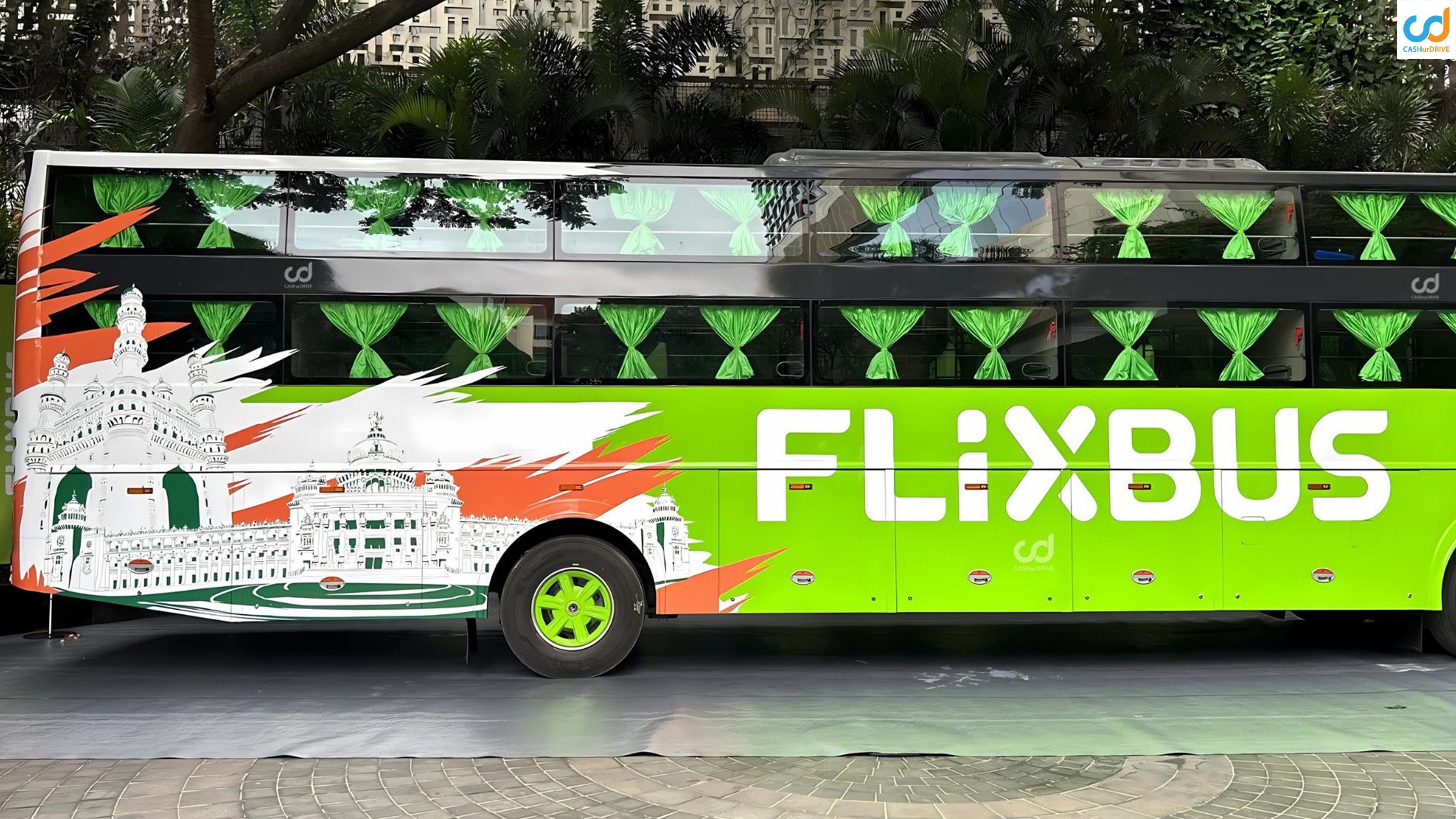
Basically, EV Fleet Advertising uses electric vehicles as moving billboards. These vehicles run every single day on busy routes. So, brands get steady visibility. Plus, they support cleaner mobility while they’re at it.
In this article, we’ll explain why the EV fleet campaign is growing. We also look at how it is going to shape transit media across India.
Why EV Fleet Ads Fit Modern Transit Media
Transit media has always worked well in cities. People commute daily. They often follow the same routes. So, ads get seen again and again. It’s simple repetition.
But look at how consumer behavior has changed. People now actually care about what brands stand for. They notice how brands behave. Because of this, responsible advertising matters way more than it used to.
That is why EV Fleet Advertising fits modern transit media so well. It combines massive reach with real responsibility.
What Is EV Fleet Advertising?
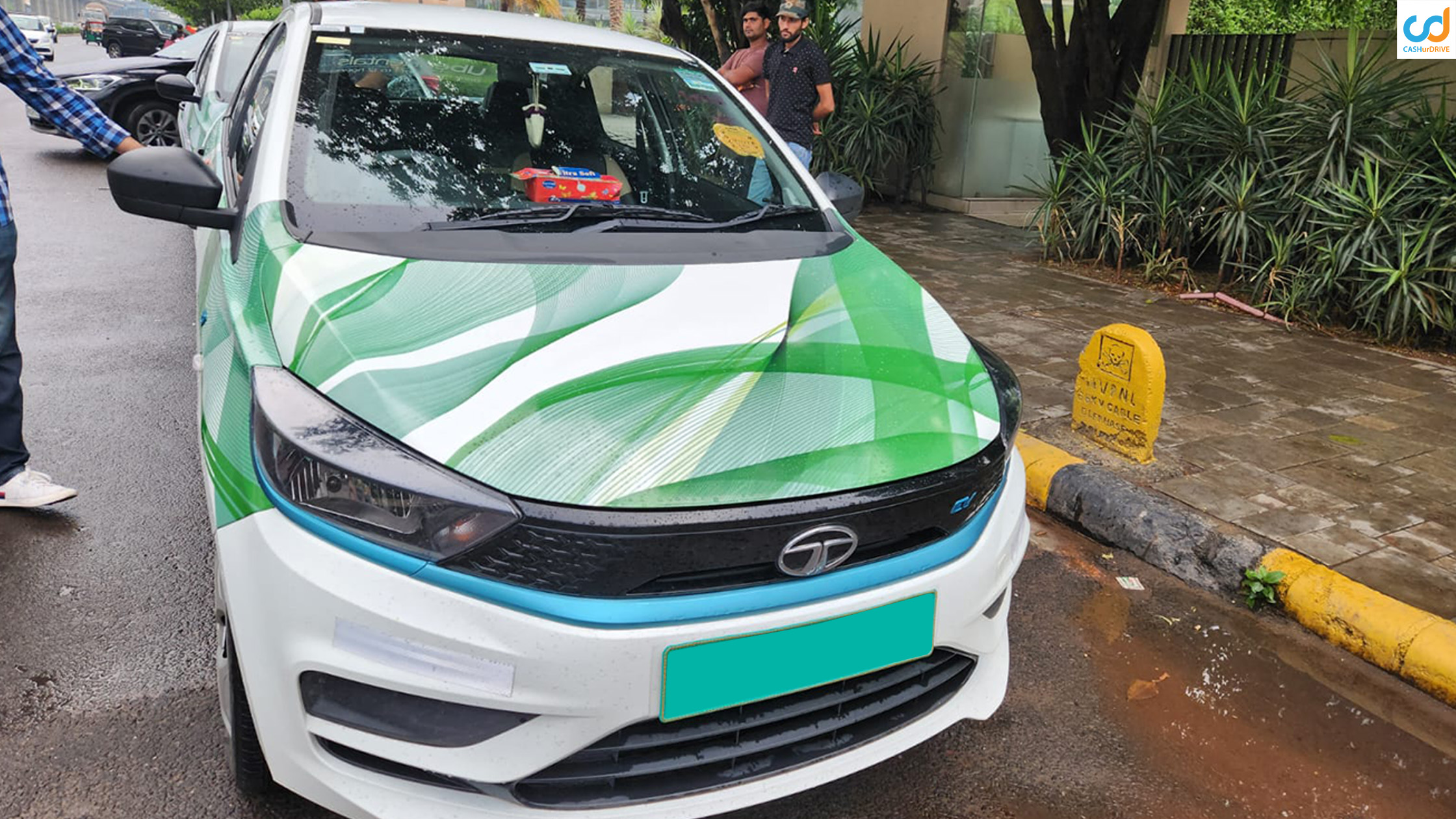
An EV fleet campaign means putting brand ads on electric vehicles. These can include electric cabs, delivery vans, and even corporate fleets.
These vehicles move across the city every day. So, the ads stay visible in many areas. Unlike those static hoardings, they actually move with the traffic.
More importantly, EV Fleet Advertising supports clean energy. Brands stay visible while backing cleaner transport. Over time, that builds real trust.
EV Fleet Campaign: What Brands Must Know
This is more than just sticking ads on cars. It is a way to show that your brand actually supports change.
In India, people now value sustainability. They notice when brands make responsible choices. So, using EV fleets becomes a meaningful statement.
At the same time, it offers a strong business benefit. EV fleets move across busy areas every day. This means the ad is seen by many people. In short, it combines purpose with high visibility.
The Rise of Electric Vehicle Advertising
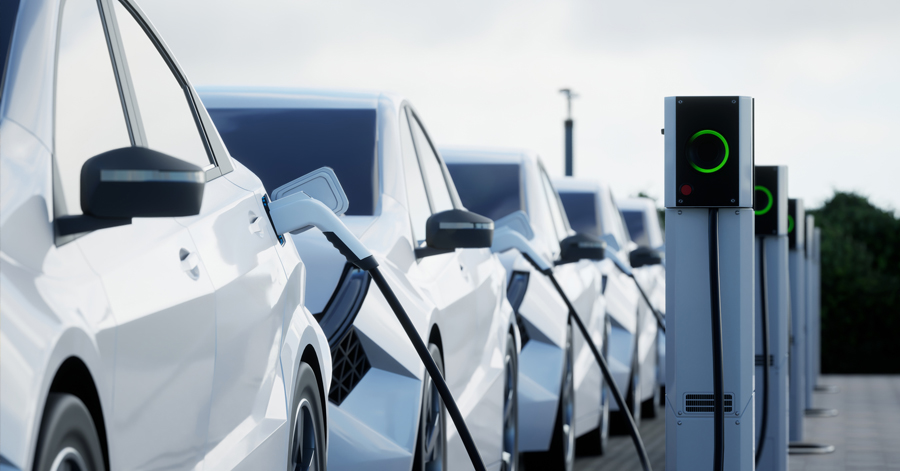
Electric vehicles are growing fast in India. The government supports this shift. Private investment is also rising. Charging stations are expanding every year.
Because of this growth, more EV fleets are available for branding. This makes EV ads much easier. Major cities already show strong EV use. Therefore, brands now see EV fleets as reliable transit media assets.
EV Fleet Ads in India and Consumer Perception
Context matters in advertising. The vehicle carrying the ad affects how people feel about the brand.
In India, electric vehicles signal progress. They also show responsibility. When brands appear on EVs, the message feels intentional.
As a result, EV Fleet Advertising in India feels more relevant. People are more open to the message. This improves recall.
Electric Cab Advertising Reach
Electric cab advertising is a key part of the mix. Electric cabs run for long hours. They cover offices, homes, and transit hubs.
Because routes repeat daily, exposure builds naturally. Over time, people remember the brand without even trying. Electric cab advertising works well because:
- Vehicles stay active all day
- Routes stay consistent
- Ads appear near buying zones
So, brand memory improves steadily.
EV Fleet Ads as Sustainable Transit Media
Sustainable transit media works best when actions match values. This format does that. Instead of making loud claims, brands show responsibility through choice.
The medium itself sends the message. Because of this, it builds trust. It also reduces ad resistance.
Visibility Versus Impact
This isn’t about making noise. Electric vehicles move quietly. Yet, they stand out in traffic.
As a result, advertising is noticeable but not intrusive. Over time, familiarity builds. Therefore, the strategy delivers a steady impact. It works well for long-term awareness campaigns.
Creative Design for Campaigns
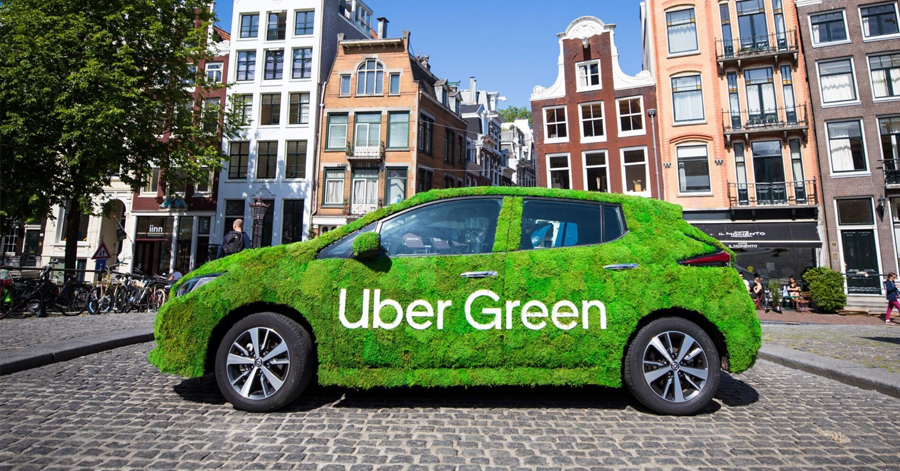
Design matters. Vehicles are always in motion. People see ads at a glance.
That is why simple designs work best. Effective creatives usually include:
- One clear message
- Large, readable fonts
- High contrast colors
- Clear brand identity
Too much text reduces clarity. Simple layouts improve recall.
EV Fleet Advertising vs Traditional Transit Media
Traditional transit media still offers reach. However, perception is changing. EV fleet ads add meaning to visibility. It combines motion with clean energy. As a result, it feels future-proof.
Traditional transit media is mostly about exposure. This new method adds context. This difference matters more today.
Measuring Performance
Measuring transit media is improving every year. These campaigns benefit from planned routes.
Brands usually track:
- Route-based exposure
- Area-level recall
- Store visits near routes
Some campaigns even add QR codes. This connects offline visibility with online action.
Budget Planning
This offers flexibility. Brands can start with small fleets. They can scale after results appear.
Costs vary by city. However, the added brand value often balances the spend. Over time, clean energy branding builds stronger value.
EV Charging Stations in India
Charging access affects campaign reliability. Cities with strong networks support smoother operations.
So, planners often review EV charging stations in India. Locations with better coverage allow longer campaigns. This improves consistency and visibility.
Choosing Advertising Companies
Execution matters. Fleet access, routing, and compliance need coordination.
This is where specialized companies add value. They manage logistics and execution. They also align campaigns with clean energy goals.
Strong partners reduce friction and improve outcomes.
Challenges in Campaigns
This field is still expanding. Some challenges remain:
- Limited fleets in smaller cities
- Route dependency
- Charging infrastructure gaps
However, these issues are reducing each year. EV use continues to rise.
Green Mobility Advertising
Green mobility advertising reflects long-term urban change. This strategy plays a key role in the shift.
Brands that adopt early gain experience. They also build stronger associations with progress. Over time, green mobility advertising will become standard.
The Future in India
Electric mobility is not a short-term trend. It is a structural shift. As cities expand and policies evolve, this format will grow.
It will move from optional to essential. Brands that adapt early stay ahead.
Conclusion: Why It Matters
This represents the future of transit media. It combines visibility, movement, and responsibility.
Electric vehicles deliver repeated exposure while supporting cleaner cities. For brands planning long-term presence, this format offers more than reach. It offers relevance.
FAQs
What is an EV fleet advertisement?
It means placing ads on electric vehicles like cabs and delivery fleets.
Are EV fleet ads effective in India?
Yes. Growing EV use and heavy traffic support strong visibility.
How are EV fleet adverts different from normal cab advertising?
It adds a clean energy angle and supports sustainable goals.
Does it cost more?
Costs vary, but flexibility and brand value often balance the spend.
Which brands benefit most from the EV fleet campaign?
Brands linked to sustainability, FMCG, tech, and urban markets benefit the most.