Why Cinema Advertising is More Effective than TV Ads in 2026
 By Annu
The world of media in India is turning upside down. Just a few years ago, there was no better way of reaching each and every person than on TV. But now? 2026 is a different era. People are flat-out exhausted by digital ads. They want something real. This is why cinema advertising in India is actually winning the battle against TV for brand recall.
Think about it. Picking between a TV spot and a cinema ad is a massive choice for any brand. One is just background noise while someone cooks dinner. The other is a huge, immersive event. In a world where we all hit “skip” the second we can, the movie theatre is one of the last places where people actually sit still and pay attention.
The “Second Screen” is Ruining TV Ads
That little screen in your pocket is a big headache for the TV ad. In cities like Mumbai or Delhi, almost 90 per cent are scrolling over their phones when the TV is switched on. The moment a commercial break starts, eyes go down. The ad plays in an empty room, basically.
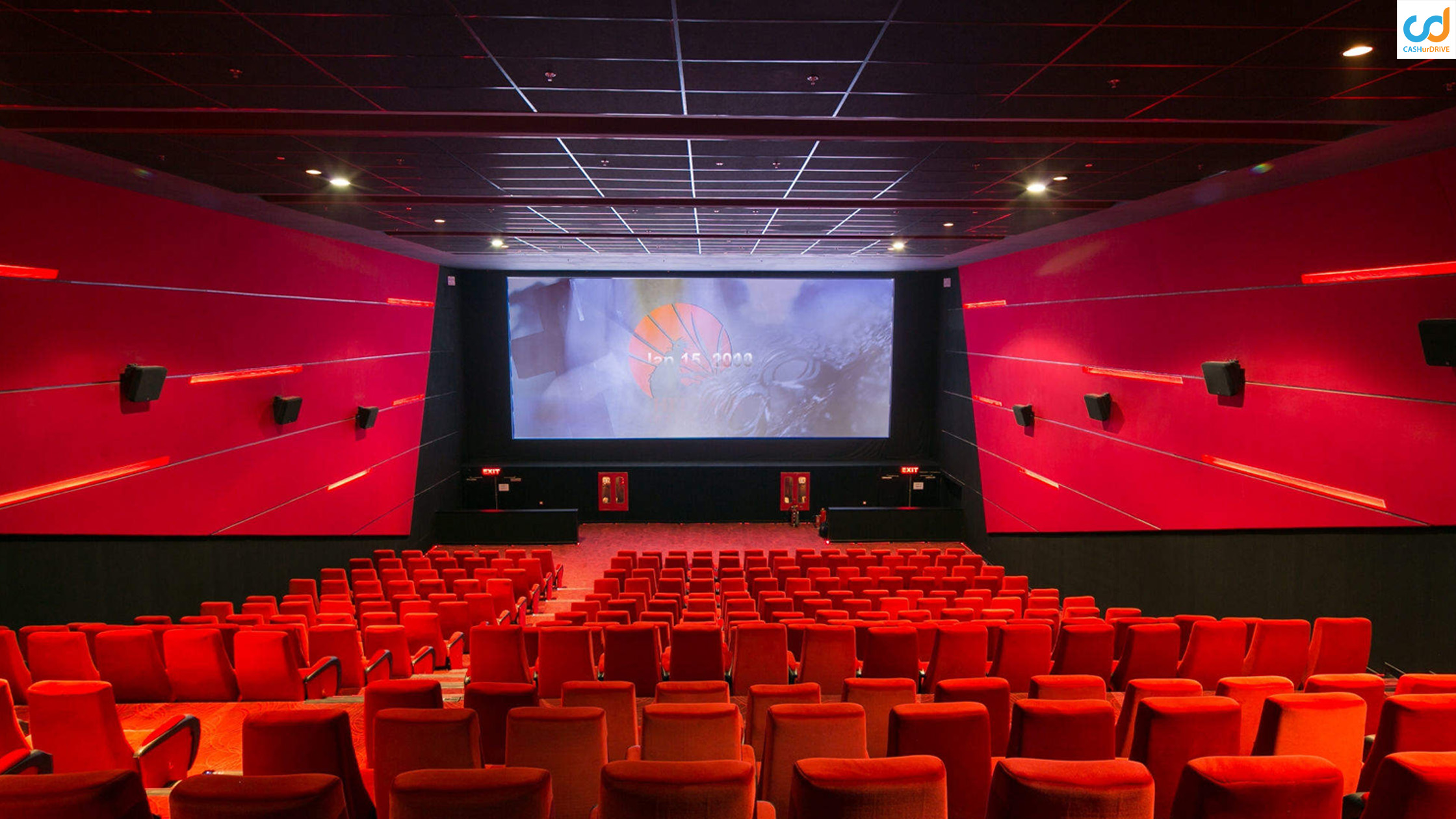
But movie theatre advertising is different. It happens in a dark room where phones are supposed to be off. Everyone is facing a 40-foot screen with booming sound. You aren’t just “showing” an ad here. You’re giving them an experience they actually paid to see. This is the main reason theatre advertising in India gets way more eyeballs than any home screen ever could.
Why Cinema Ads Actually Stick
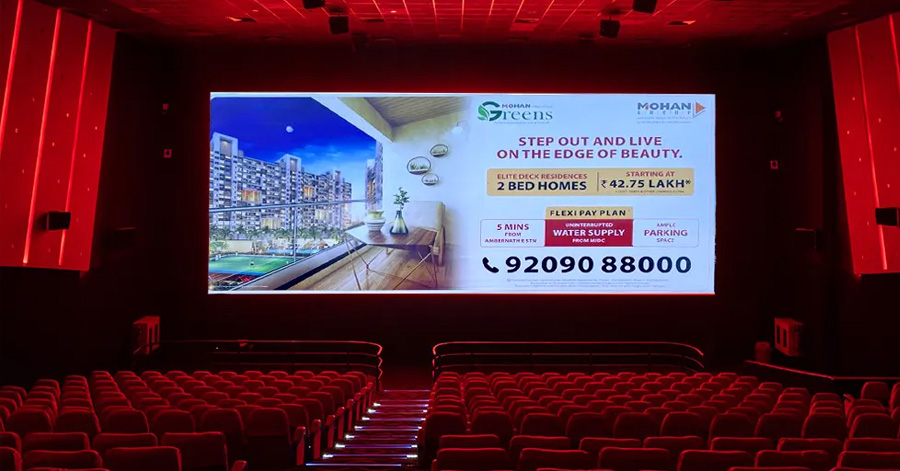
The ads’ effectiveness is not measured solely by size. The issue is about how we work. There’s something about looking at a sleek car or a luxurious watch on a big screen. It feels important. Your brain locks that memory in. By 2026, a 30-second theatre spot builds a level of trust that a small TV screen just can’t touch.
And let’s not forget, by the way, that movies are a social experience. Your friends are next to you, you’re eating your popcorn, and you’re having a great time. Every time you see a branded product in those “happy” scenes, you tend to like their product. That’s the real power of cinema advertising. The environment does most of the heavy lifting for you.
New Growth of Cinema Advertising in India
One of the biggest cinema advertising trends India is seeing lately is hyper-local targeting. TV ads are usually a “spray and pray” method; you blast an entire state and hope for the best. That’s a lot of wasted money if your business is only in one or two cities.
With cinema advertising in India, you can get surgery. You can pick the exact mall or even a specific movie genre. Want to reach luxury buyers? Stick to premium screens in South Mumbai. This makes the cinema advertising cost much more manageable. You’re only paying to reach the people who are actually likely to buy from you.
Mixing Cinema with the Rest of Your Ads
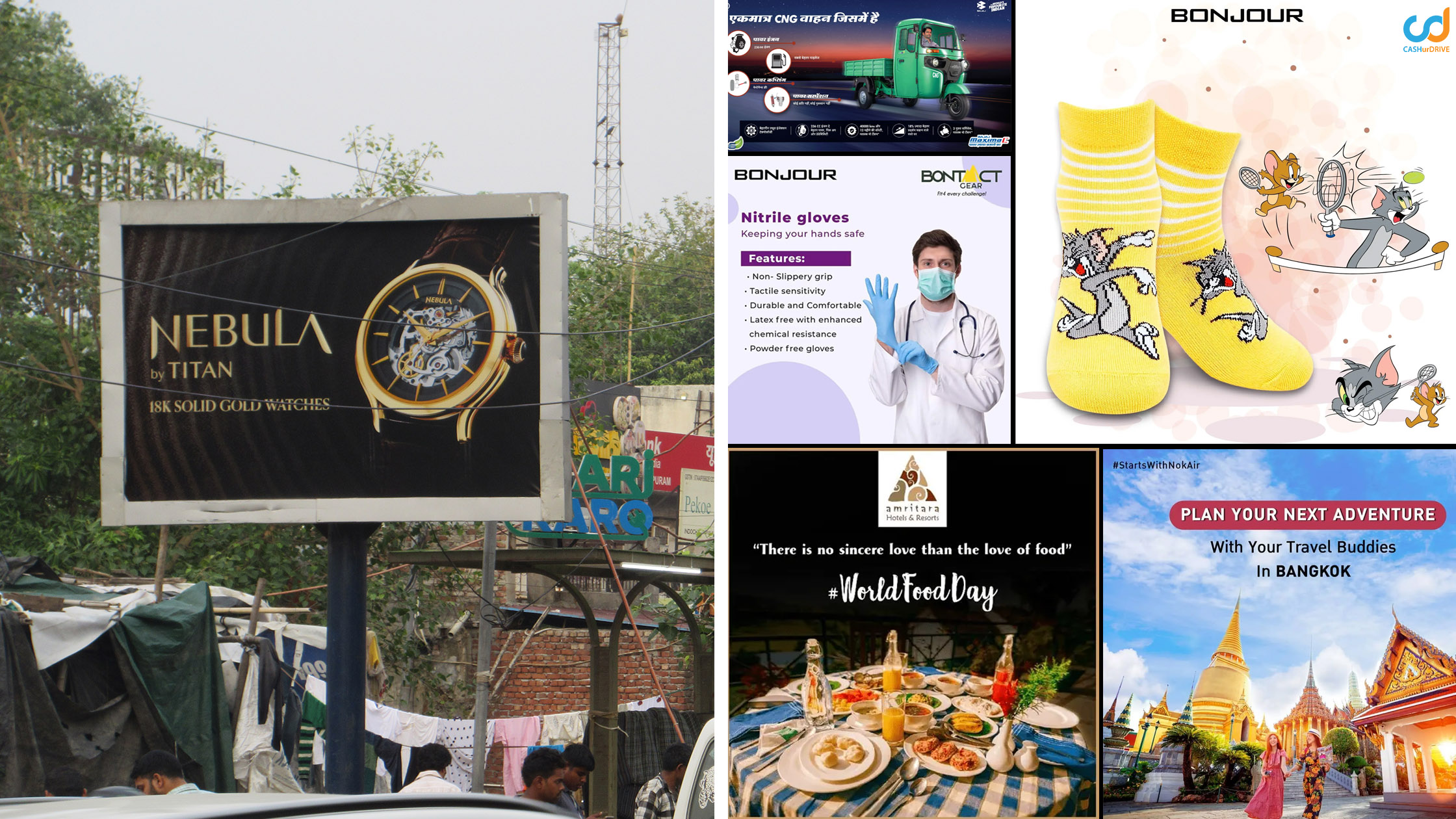
The smartest brands in 2026 don’t just stick to one thing. They use cinema as their high-impact anchor. Picture this: a customer sees your digital billboard India on their morning drive. Then they pass Airport branding India on a work trip. Finally, they see your high-quality ad at the cinema on Sunday night.
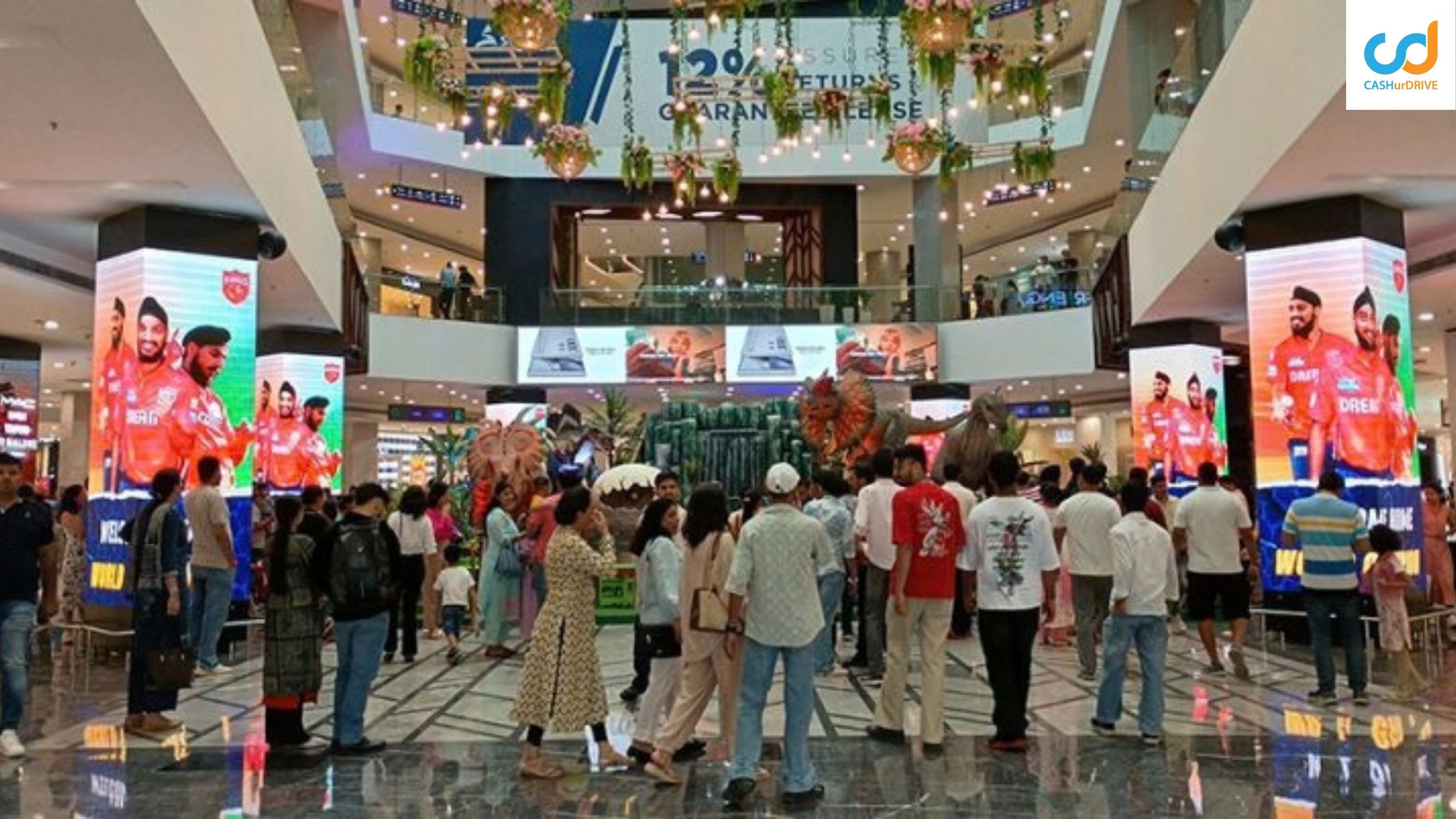
That’s how you tell a story. By working with a solid OOH agency, you can link your message across Metro advertising and Mall advertising. It makes your brand feel like it’s everywhere.
- Metro Advertising: Hits the daily crowd on their way to work.
- Mall Advertising: Catches people when they’re already in a spending mood.
- Cinema Advertising: Closes the loop with a big, emotional story.
Cinema is Way Easier to Track Now
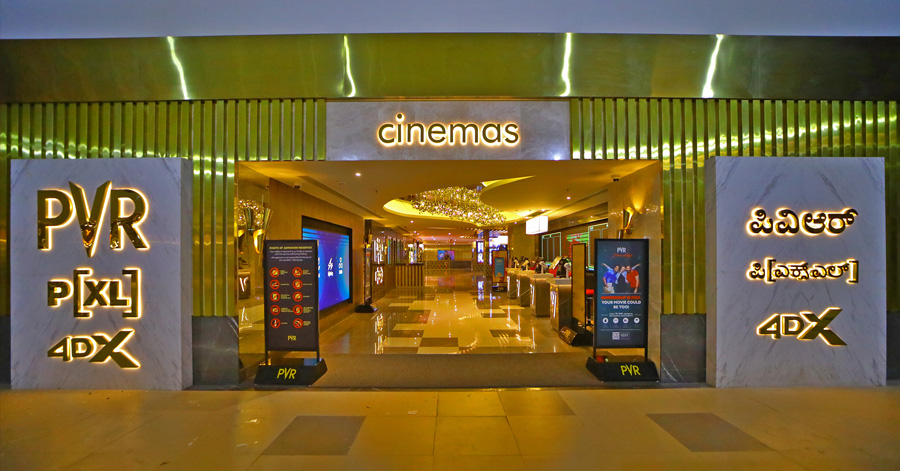
Digital is finally catching up with cinema, where, exactly like in a hoarding in India, you can book slots. You know exactly how many tickets were sold for that show. This makes movie theatre advertising incredibly transparent.
No more guessing if your ad played. You get hard data on footfall. This is a huge advantage over traditional TV, where those “ratings” are often just an educated guess.
How to Get Your Cinema Campaign Right
If you’re jumping into cinema advertising in India this year, keep these tips in mind:
- Vibe with the Movie: If it’s a high-octane action flick, make your ad punchy.
- Use the Sound: Don’t just worry about the picture. Use that theatre sound system to really grab people.
- Pick a Pro Partner: A veteran OOH agency like Cashurdrive helps you snag the best screens at the right price.
Partnering with experts lets you blend your cinema spots with Airport branding India or Metro advertising. It makes your brand feel much bigger than it is. Cashurdrive has been leading the way in this, helping brands take over both the big screen and the streets.
What’s Next for the Big Screen?
The future of outdoor advertising in India is getting really wild. We’re starting to see theaters where, via phone, people can play interactive games on the screen before the movie starts. It turns the ad into a game. Cinema’s becoming less a place just to sit and watch but rather to engage in.
FAQs
Q1: Is cinema advertising in India more expensive than TV?
Actually, no. TV usually requires a massive upfront budget. With cinema, you can start small by picking specific theatres. This makes the cinema advertising cost very friendly for growing brands.
Q2: How can I tell if people are actually seeing my cinema ad?
In 2026, we will use a mix of ticket data and mall sensors. Lots of brands are also using custom QR codes on the screen to see exactly who is interested.
Q3: Can small local businesses use cinema ads?
Definitely. Since you can pick specific local screens, it’s perfect for a local shop or restaurant to reach people who live right around the corner.
Q4: What types of brands are the most beneficial to cinema advertising?
Cinema advertising is particularly effective with premium, lifestyle, automobile, real estate, FMCG launch, and entertainment brands
Q5: What is the maximum time a cinema advertisement should last to be the most effective?
The time span at which this occurs is usually 20-30 seconds. Not too long and not too short to lose attention, but just long enough to create emotion and brand memory.