OOH Vs DOOH Advertising: A Beginner’s Guide to Outdoor Ads
 By Kalpana Rathore
Advertising is one of the most effective ways to reach your target audience. Among the many available mediums, OOH advertising, also known as out-of-home advertising, remains a powerful way to build brand awareness and encourage consumer action. Understanding OOH vs DOOH advertising helps businesses compare traditional outdoor ads with digital displays and choose the right format for their marketing goals.
This advertising strategy has been a cornerstone of marketing strategies for decades.
But with the advent of digital technology, a new way of advertising has emerged as a powerful counterpart. Digital out-of-home also known as DOOH advertising is like a digital subset of OOH advertising. Each of these advertising mediums has its own unique benefits with the main difference being the delivery method.
While some customer needs may call for OOH media, others are most suited for DOOH. To help you decide which is right for you, we are going to discuss both advertising strategies in detail. From discussing what OOH and DOOH billboard advertising are to their key differences, importance and function. For you to understand everything, we have divided the blogs into
detailed sections so that you can understand this advertising strategy easily.
All You Need To Know About OOH & DOOH Advertising:
What is OOH Advertising?

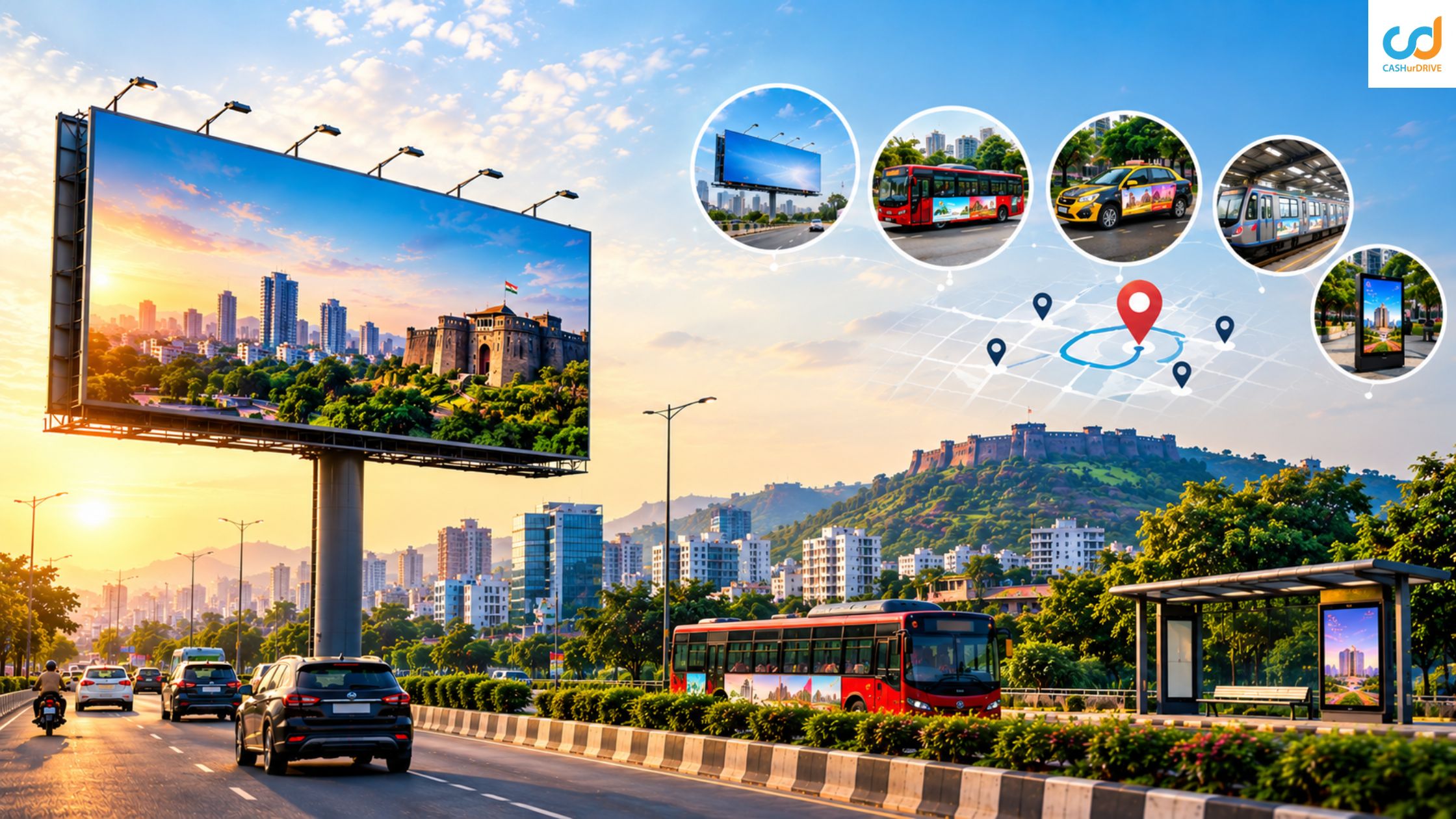
Out-of-home (OOH) advertising refers to ads that reach people when they are outside their homes. Common examples include billboards, bus shelter ads, vehicle advertising, wall paintings, and posters in public spaces. OOH advertising helps businesses build brand awareness and reach audiences in specific locations. Understanding OOH vs DOOH advertising also helps brands compare traditional printed formats with digital screens that can display changing advertisements.
Also Read: Out of Home Advertising Explained: Types, Benefits, and Top Trends
Common Types of OOH Advertising
- Billboards: Large static displays on highways, urban areas, or rooftops.
- Transit Ads: Posters or wraps on buses, trains, taxis, or other vehicles.
- Posters: Printed ads placed in bus shelters, malls, or other public spaces.
- Street Furniture Ads: Ads on benches, kiosks, or urban furniture.
- Point-of-Sale Displays: Ads placed at retail outlets or check-out counters.
Key Features of OOH Advertising
- Static and Printed: Usually non-digital and requires manual updating.
- Broad Reach: Ideal for mass visibility and brand awareness.
- Cost-Effective: Relatively lower production and placement costs compared to digital.
- Long-Term Placement: Often booked for weeks or months, ensuring sustained visibility.
What is DOOH advertising?

Digital Out-of-Home (DOOH) advertising uses digital screens to display advertisements in public spaces. The DOOH full form is Digital Out-of-Home. Common examples include LED billboards, digital transit ads, interactive kiosks, and screens at malls or railway stations. Unlike traditional OOH ads, DOOH advertising allows brands to update creatives remotely, display multiple ads on the same screen, and adapt campaigns based on location or time. These features give advertisers greater flexibility in reaching their target audiences.
Common Types of DOOH Advertising
- Digital Billboards: Large LED screens with rotating or animated ads.
- Interactive Kiosks: Touchscreen displays in malls, airports, or train stations.
- Transit DOOH: Digital screens inside buses, trains, or taxis.
- Programmatic DOOH: Ads purchased and displayed using automated systems for real-time targeting.
- Digital Street Furniture: Displays on bus stops, benches, or urban areas equipped with LED screens.
Key Features of DOOH Advertising
- Dynamic Content: Enables animation, videos, and interactive elements.
- Real-Time Updates: Ads can be changed instantly, allowing flexibility.
- Targeted Reach: Content can be customised based on location, time, or audience demographics.
- Higher Engagement: Visually appealing and interactive, which grabs more attention.
- Integration with Data: Leverages data like weather, traffic, or social media trends for contextual ads.
Explore more: Digital Meets Outdoor: Maximizing Your Reach with DOOH and Smart Targeting
The Difference Between Out-of-home advertising vs digital out-of-home

OOH vs DOOH advertising differs mainly in how advertisements are displayed, updated, and delivered to audiences. Traditional OOH advertising uses printed formats such as billboards, posters, and transit ads, while DOOH advertising uses digital screens to display static or moving content. Both formats help brands build awareness, but the right choice depends on campaign goals, budget, audience, and content requirements.
Medium & Delivery
When we talk about traditional out-of-home advertising, they are physical, printed on materials like vinyl, paper or substrates. These ads are static and remain in place for a specific period of time such as a few weeks or months. On the other hand, DOOH advertising is digital and relies on screens and internet connection. Digital ads can be updated in real-time and allow for dynamic content changes throughout the campaign.
Cost
The cost of OOH and DOOH advertising depends on the location, advertising format, campaign duration, and audience reach. Traditional OOH campaigns may include expenses for printing, installation, and media placement. DOOH campaigns may involve digital screen rental, creative production, and screen-time charges. While digital formats offer greater flexibility for updating ads, they are not always more expensive. Brands should compare the total campaign costs and objectives before choosing a format.
Interactivity and Engagement
Traditional OOH advertising usually delivers a one-way message through printed ads, billboards, and transit displays. DOOH advertising can offer more interactive experiences through touchscreens, QR codes, and other digital features, depending on the screen and campaign setup. However, not every DOOH ad is interactive. Both formats can engage audiences when the creative message is relevant, clear, and suited to the location.
Content Flexibility
Traditional OOH advertising uses printed creatives that generally remain unchanged throughout the campaign. Updating the message usually requires reprinting and replacing the material, which can add time and cost. DOOH advertising allows digital creatives to be updated remotely, subject to the screen operator’s system and campaign agreement. Brands can schedule different messages by time or location, making DOOH useful for campaigns that need frequent updates or multiple creative versions.
Although both forms of advertising provide room for creativity, they do so in their own different ways. To help you make the decision to choose between the two let’s discuss each of their benefits in detail.
Benefits of OOH (Out of Home Advertising)
Makes Bold Brand Statement

OOH advertising helps brands make a strong public impression through billboards, transit ads, and other visible placements. By placing campaigns in busy locations, businesses can reach a broad audience and build brand awareness. Large visuals, clear messaging, and repeated exposure can help a campaign stand out and make the brand easier to remember.
Improved Brand Recognition
OOH advertising can strengthen brand recognition through repeated exposure. When people regularly see the same advertisement along their daily routes, the brand may become more familiar and easier to recall. Clear visuals, consistent branding, and placements in relevant locations can help businesses maintain visibility and support long-term brand awareness.
Lends Credibility
OOH advertising can help establish a visible and professional brand presence in public spaces. Well-designed billboards, transit ads, and other outdoor placements can make a brand more familiar to people in its target market. However, visibility alone does not guarantee trust, consistent messaging, relevant offers, and a positive customer experience also play an important role in building credibility.
Benefits of DOOH (Digital Out of Home Advertising)
Drive Contextual Relevance
DOOH advertising allows brands to adapt their messages to the location, time of day, and campaign objectives. For example, a food brand can display breakfast promotions in the morning and highlight dinner offers later in the day, where screen scheduling supports these changes. This flexibility helps businesses deliver more relevant messages to audiences in different settings. Actual targeting options depend on the screen network and campaign setup.
Flexibility & Freedom For Advertisers
DOOH advertising gives brands the flexibility to update digital creatives without physically replacing printed materials. Depending on the screen network and campaign agreement, advertisers can schedule different messages, adjust campaign timings, or rotate multiple creatives. Programmatic DOOH can also automate ad buying and delivery based on selected criteria. These options help brands manage campaigns more efficiently when frequent updates are required.
Engaging & Interactive For Audience

DOOH advertising can create engaging experiences through animated visuals, video content, QR codes, and interactive screens where available. These features give brands more ways to capture attention and encourage audiences to interact with a campaign. However, engagement depends on the creative, placement, and audience, and not every digital screen supports interactive features. Traditional OOH advertising can also make a strong impression through memorable visuals and clear messaging.
When to Choose OOH Advertising
Mass Visibility

OOH advertising is a suitable option for brands that want to reach a broad audience in public spaces. Billboards, transit ads, and street furniture placed in busy locations can help campaigns gain visibility among commuters, residents, and visitors. It works well for product launches, local promotions, and large-scale brand awareness campaigns. Actual reach depends on the location, traffic, placement, and campaign duration.
Brand Awareness
OOH advertising helps brands maintain visibility over an extended period through placements such as billboards, posters, and street furniture. When people repeatedly encounter these ads during their daily routines, the brand can become more familiar and easier to recall. This makes OOH useful for businesses looking to build awareness, reinforce brand messaging, and stay visible in their target markets.
Cost-Sensitive Campaigns
OOH advertising can suit campaigns with limited budgets, depending on the location, format, and duration of the placement. Printed ads may involve production, installation, and rental costs, while DOOH campaigns may include digital screen and creative costs. Businesses should compare the total cost, expected audience reach, and campaign goals before choosing between the two formats. A well-planned campaign can help make better use of the available budget.
Simple Messaging
OOH advertising works well when the message is short, clear, and easy to understand at a glance. Since people often see outdoor ads while travelling or passing through public spaces, bold visuals and concise wording can help capture attention quickly. This format is useful for promoting offers, events, product launches, and memorable brand messages.
When to Choose DOOH Advertising
Dynamic Campaigns

DOOH advertising is useful for campaigns that need frequent creative updates or multiple messages. Retail brands, for example, can display different promotions, product launches, or seasonal offers on digital screens. Where supported by the screen network and campaign agreement, advertisers can schedule content changes remotely to keep messages timely and relevant.
Targeted Reach
DOOH advertising can help brands tailor their messages to specific locations and time slots. With suitable screen networks and programmatic technology, advertisers may schedule campaigns based on factors such as location, time of day, or selected audience data. For example, a coffee shop could promote morning offers on digital screens near office areas. Available targeting options depend on the media network and campaign setup.
Event-Based Marketing
DOOH advertising can support event-based campaigns by displaying timely messages on digital screens. Brands can promote concerts, sporting events, festivals, product launches, or limited-time offers using scheduled creatives and countdowns where supported. Updating messages around an event can help keep promotions relevant to the audience and location. The available features depend on the screen network and campaign setup.
Interactive Engagement
DOOH advertising can create interactive experiences through touchscreen kiosks, QR codes, augmented reality, and gamified content where the required technology is available. These features allow audiences to engage with a campaign instead of simply viewing an advertisement. Interactive formats may help brands encourage participation and improve campaign recall, although results depend on the creative idea, location, and audience response.
The Future of OOH and DOOH Advertising
The future of OOH and DOOH advertising will be shaped by advances in digital displays, data, and campaign planning. While traditional OOH formats remain useful for broad visibility, DOOH gives advertisers more flexibility to update and schedule digital content.
As technology develops, some digital billboards may use real-time information, such as weather or traffic conditions, to display more relevant messages. Integration with mobile campaigns can also help brands create a consistent experience across outdoor and digital channels.
Sustainability is another consideration for outdoor advertising. Brands and media operators can explore energy-efficient digital screens, responsible material choices, and electric vehicles for transit campaigns where practical. The best approach will depend on campaign goals, available technology, and local requirements.
Final Words!
OOH vs DOOH advertising comes down to your campaign goals, budget, and content needs. Traditional OOH formats, such as billboards and transit ads, can help brands build broad awareness through consistent public visibility. DOOH offers added flexibility through digital screens, scheduled content, and creative updates where supported. Businesses should compare location, audience reach, campaign costs, and available features before selecting a format. In some campaigns, combining OOH and DOOH can help brands balance sustained visibility with flexible messaging.
OOH and DOOH Advertising With CASHurDRIVE
CASHurDRIVE provides outdoor advertising solutions that help businesses improve brand visibility through suitable OOH and DOOH formats. From traditional billboards and transit advertising to digital outdoor campaigns, the right format depends on your target audience, campaign objectives, location, and budget.
Whether your goal is to build broad awareness or deliver flexible messages through digital screens, CASHurDRIVE can help you explore outdoor advertising options for your campaign. Visit our website to learn more about our advertising services and plan a campaign around your business needs.