Why Consumers Trust Outdoor Ads More Than Online Ads?
 By Kshitij
Remember an online ad that really caught your attention. Not just annoyed you. Interrupted you but made you stop and think, “That is a brand I want to know more about.” It is hard to remember, right?
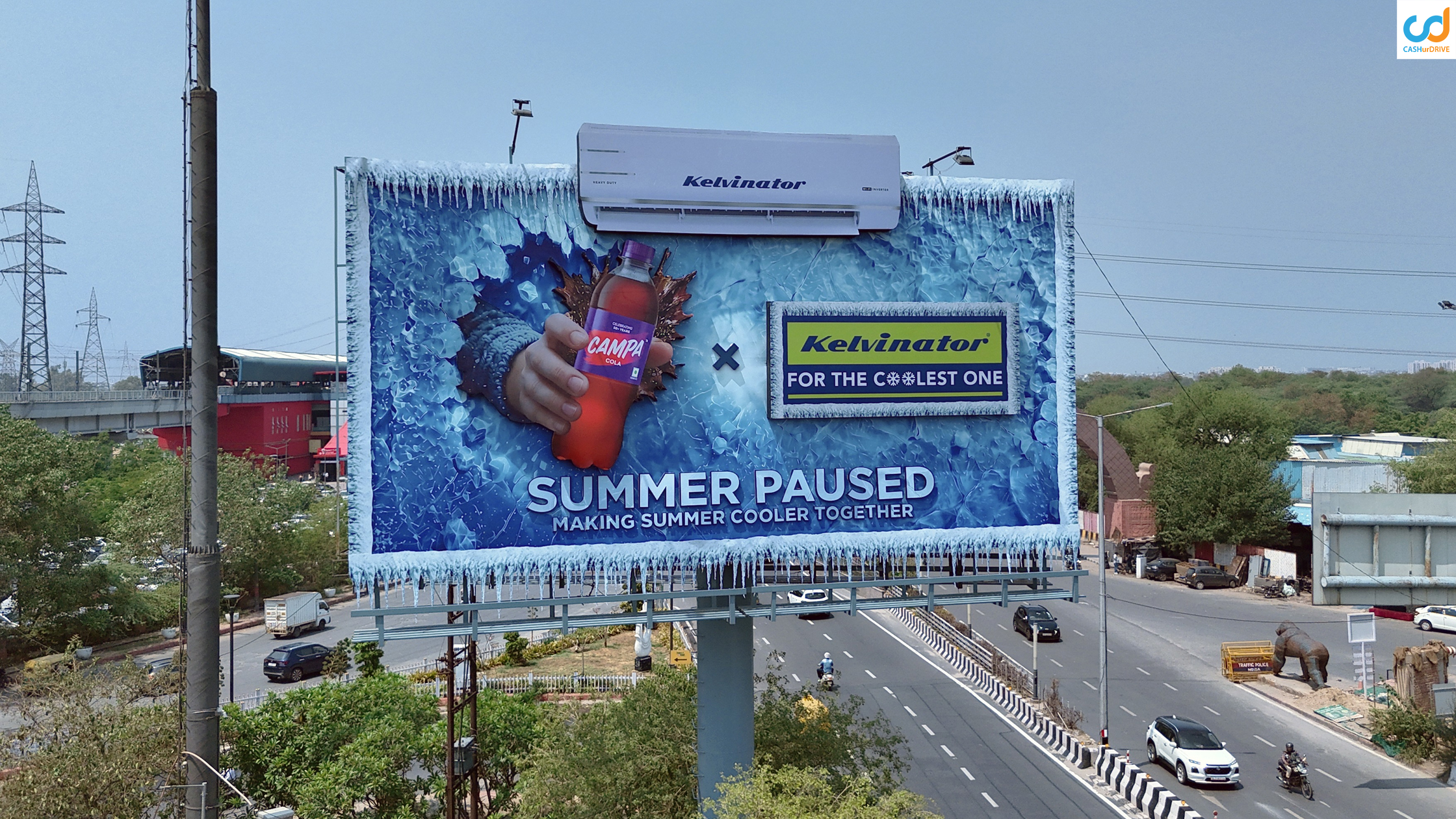
Now think about a billboard you saw recently. Maybe it was on your way to work, or it made you smile, or you actually read the thing. That experience felt completely different. It felt real. You can see the billboard; it is there in front of you.
You cannot just scroll past it. Close it. Outdoor ads are winning the trust battle. People are turning back to the real world, where outdoor advertising has been quietly doing its job all along.
Why Outdoor Ads Win the Trust Game
Online ads aren’t very trustworthy today. Pop-ups litter your screen, ads retarget you, and sponsored content is just like the rest of the posts. Reviews and claims are misleading. There’s just too much of it, and we’re all fed up.
In fact, more people say they don’t trust what they’re seeing in their social media feeds. The more online ads try to fight for our attention, the more we ignore them. Simple as that.
Why Outdoor Ads Feel Honest
Outdoor media advertising does not chase you. It does not follow you home. It does not pretend to be something.
A billboard is what it looks like. A brand putting its message out in public for everyone to see. No algorithm, no hidden agenda, no “sponsored” label making you question the intent.
That openness builds trust. When a brand invests in media advertising, people read it as a sign of credibility.
A study by Outsmart, the UK’s OOH trade body, confirmed this. 40% consumers trust outdoor advertising more than online formats. That gap keeps growing. People trust ads because they are real, they are physical, and they are honest.
What the Numbers Say About Billboard Advertising Effectiveness
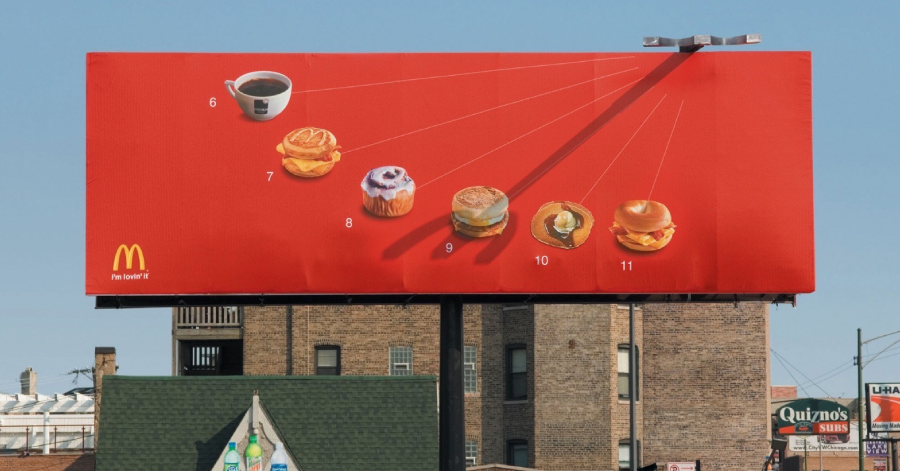
The data on billboard advertising is hard to ignore. According to the OAAA, billboard advertising has a recall rate of 71%. Online display ads yield an average of 22 – 45%. That is a difference in how well a message sticks.
Billboard advertising is effective. People remember it.
Here’s another thing you should know. In a study by Nielsen it was found that 46% of smartphone users searched online after viewing an ad. Thus, proving outdoor advertising does affect people’s behavior.
People see an outdoor ad, and their curiosity is piqued. They go online to find out more about it. Seeing something and doing something online is what makes outdoor advertising so effective today.
The Different Types of Outdoor Ads and Why They Work

Traditional Billboards
Traditional billboards have been around for over a century. They are still one of the effective formats available.
Why? Because you cannot avoid them. You cannot scroll past a billboard. You cannot close it. They are there, large, confident, and speaking to everyone who passes by.
For brands that want mass reach and strong recall, billboard advertising is hard to beat.
Digital Billboards
Digital billboard advertising takes everything about traditional billboards and adds real-time flexibility.
Content can change by the hour. Brands can run messages in the morning and evening. They can respond to live events, weather, or even breaking news.
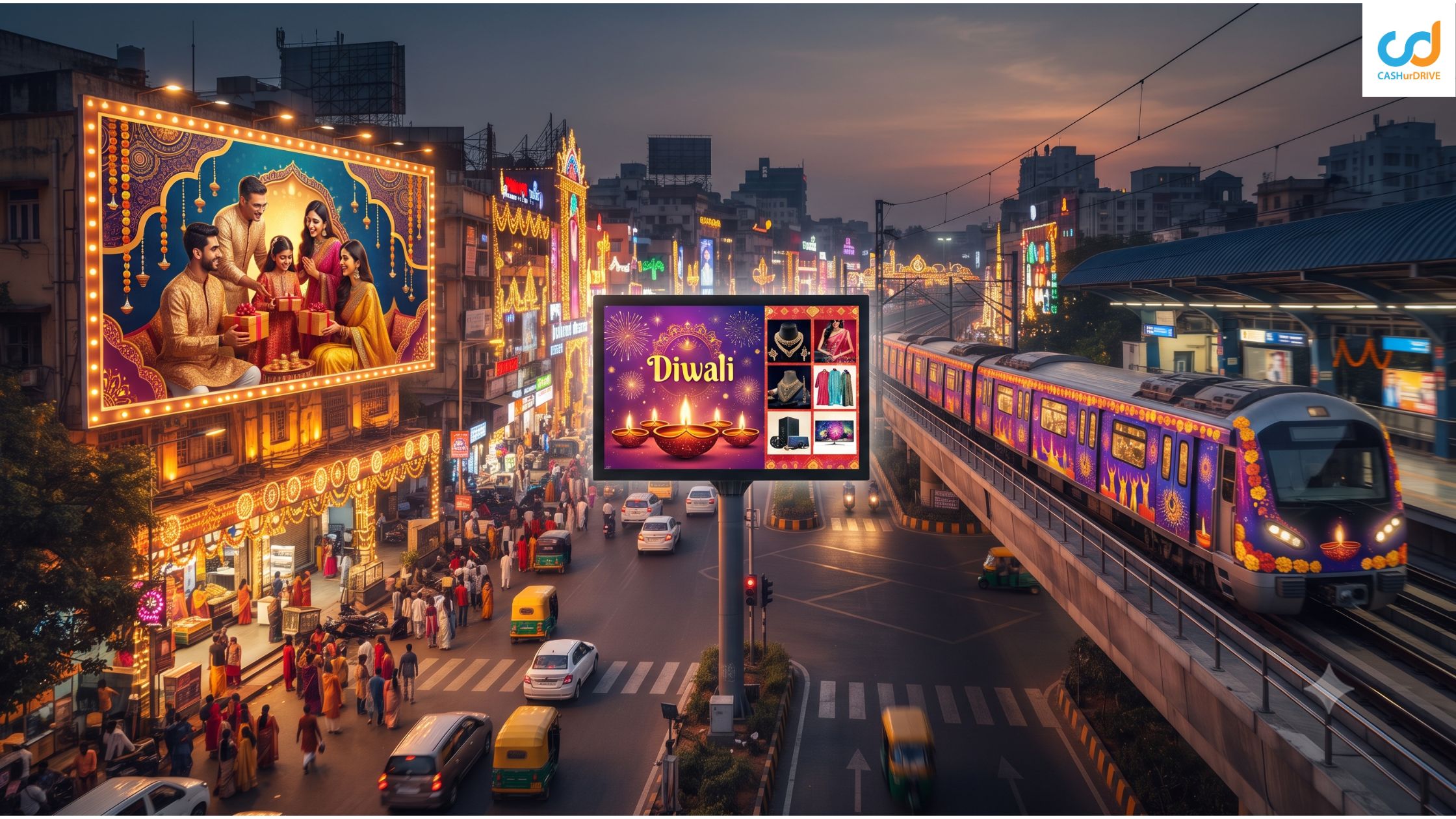
According to the OAAA, digital billboards generate 47% more audience reach than static formats. You get the trust of advertising with the smartness of digital targeting.
Transit and Street Furniture Advertising
Bus shelter, metro, and autorickshaw ad panels are exposed to people in the middle of their busy lives.
People are waiting there and notice everything around them. This is what helps trust build faster than anything else.
Mall and Retail Displays
Mall displays catch consumers at the perfect moment when they are already in a buying mindset.
These ads appear at the point of consideration. They influence decisions in time.
A placed display inside or outside a mall can move a customer from “maybe” to “yes” faster than any retargeted online ad ever could.
Does Location Make Outdoor Ads More Trustworthy?
An outdoor ad does not just get noticed because it is big. It gets trusted because it feels relevant to where you are.
When you see a brand on a billboard in your own neighbourhood, it feels personal. It feels like the brand belongs in your world.
That familiarity creates comfort and comfort creates trust. This is why contextual placement matters much. According to Posterscope research, relevant outdoor placements improve brand recall by up to 32%. Hence, where you place your outdoor ad is just as important as what the ad says.
Why Smart Brands Are Shifting Budget Back to Outdoor Advertising

After years of chasing digital, many major brands are quietly moving money back into outdoor formats. The reason is straightforward.
Digital ad costs are rising. Competition on Google and Meta is fierce.. Consumer trust in online ads keeps falling.
Outdoor advertising offers something simply not a genuine real-world moment.
Apple, Spotify, and McDonald’s have all run campaigns that became cultural moments. Spotify’s annual “Wrapped” billboard campaigns are an example.
People see them in life, find them clever, photograph them, and share them online voluntarily. No paid targeting needed.
That kind of earned attention is what every brand wants. Outdoor advertising delivers it consistently.
Conclusion
Online advertising is not disappearing.. Trust in it is slowly fading. In the gap between what people see and what they truly believe outdoor ads are stepping in. They are bold. They are physical. They are impossible to ignore. People tend to trust what they can see with their eyes. Outdoor advertising has delivered that for more than a century. In 2026 it may be more relevant than ever.
FAQs
Q1: Why do consumers trust ads more than online ads?
Outdoor ads are open, physical, and honest. They cannot be. Hidden behind a sponsored label. That straightforwardness builds trust, something ads, often linked to clickbait and manipulation, struggle to match.
Q2: What is the recall rate of advertising versus digital?
Billboard advertising has a recall rate of 71%. Online display ads average between 22 – 45%. Outdoor formats consistently win on memory and brand recall.
Q3: Do outdoor ads drive behaviour?
Yes. Nielsen found that 46% of smartphone users went online to search after seeing an ad. Outdoor builds awareness digitally and then converts it.
Q4: Which outdoor format is best for building trust?
Digital billboards in busy locations work best. However, transit and street furniture formats perform well for brands targeting specific contextual audiences.