Transit Media Advertising and the Power of Repeated Brand Exposure
 By Kalpana Rathore
There is a brand you trust right now. One you never consciously decided to trust.
You just kept seeing it. On a bus, in an auto or on your morning route. And at some point, it stopped feeling unfamiliar. It started feeling like it belongs in your world.
That is not a trick. It is how human memory works. And it is exactly what transit media advertising is built around.
What Is Transit Media Advertising?
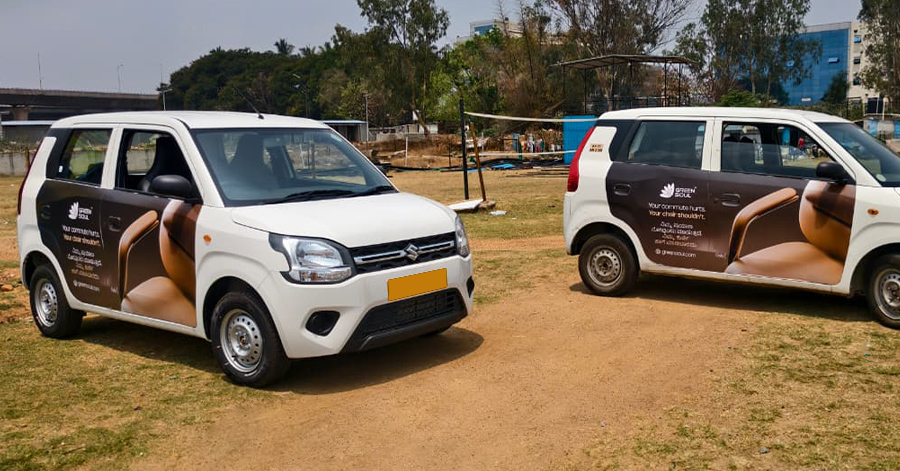
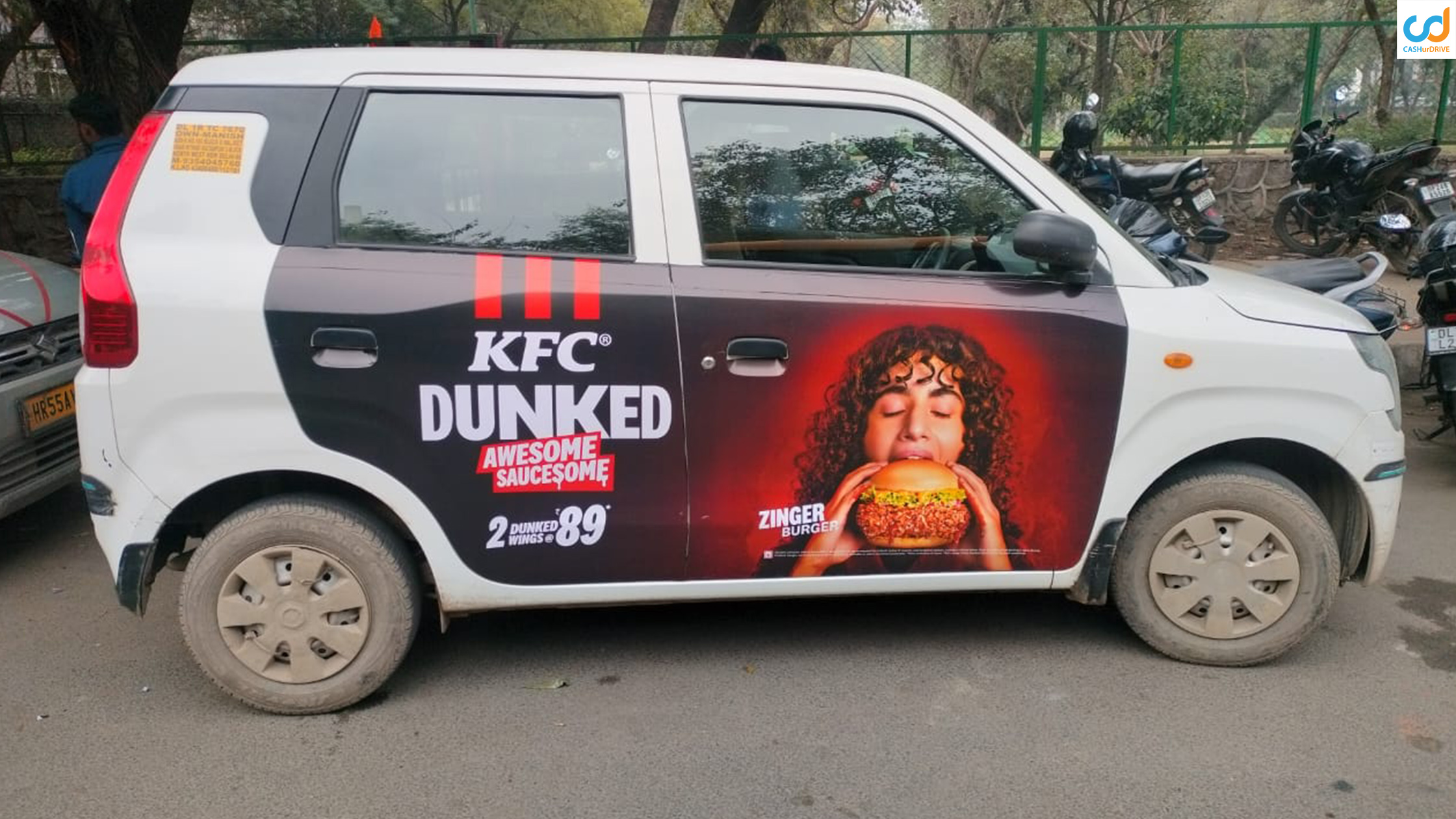
Transit Advertising is the process of placing your brand on a moving object. It includes buses, metro trains, autos, taxis, bus shelters, and railway stations.
A hoarding is static, waiting to be noticed. A transit ad moves around in the city, day after day, with the same route, people, and time.
Why Does Repetition Build Brand Trust?
Think about the brands you buy from today. You probably did not research them before trusting them. You just kept seeing them. Often enough. Long enough. Until they felt familiar. And familiar things feel safe.
Psychologist Robert Zajonc studied this in 1968. He called it the mere exposure effect. People prefer things they have seen more often. No pitch needed. Just repeated exposure over time.
So naturally, transit media advertising delivers that repetition well. A commuter on the same bus route five days a week sees your brand again and again. The daily commute keeps happening. So you are not spending extra per exposure after the first investment. The routine does the work for you.
How Effective Is Transit Media Advertising?
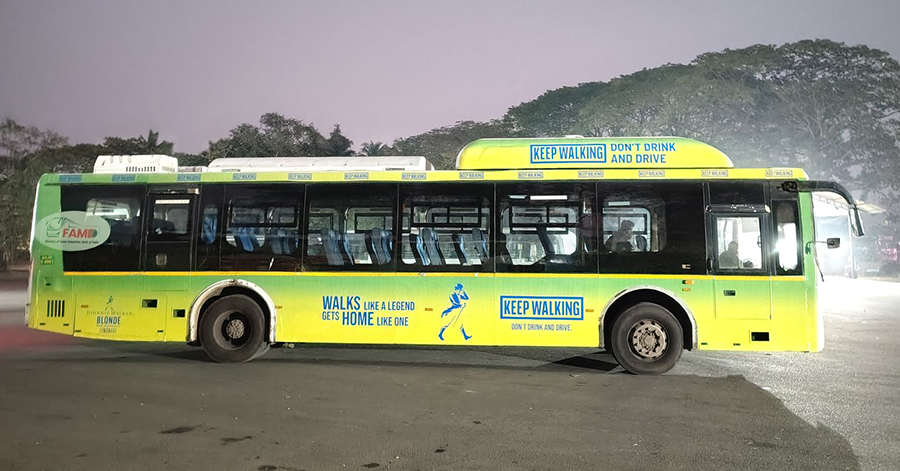
Bus Advertising Recall Is Surprisingly High
The numbers are worth knowing. In the UK, 86% of bus passengers recall bus advertising. Realty Assistant: That is a very high number for any format. And it makes sense. A bus passenger has limited distractions. Your brand sits right there, at eye level, for the whole journey.
Real Campaign Results Back This Up
In 2024, Golden Crumpets ran bus wraps across Toowoomba and the Gold Coast. An independent study found 63% spontaneous brand recall. Nearly two-thirds of people remembered the brand with no prompting at all. Noida Commercial That is a real result. Not a theory.
The Mentos Campaign Proved the Power of Transit
In 2007, Mentos ran bus wraps and transit formats over four weeks. Unaided brand awareness rose by 62%. Also, 32% of people recalled seeing the ads specifically. Noida Commercial Four weeks. A 62% awareness lift. That result explains why brands keep coming back to transit advertising year after year.
What Makes Transit Media Advertising Different?
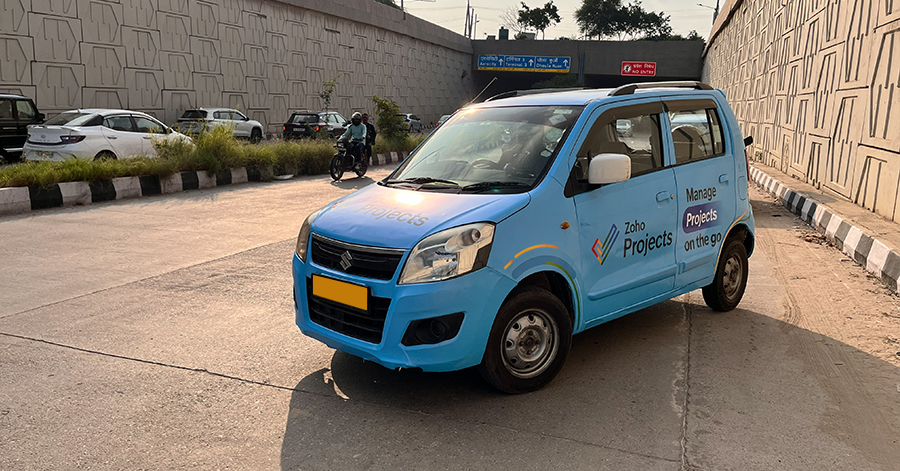
It Fits Into Daily Life Without Interrupting
Nobody asked to see your ad on a bus. However, nobody is annoyed by it either. It simply exists in the same space as the commuter. Because of that, it does not trigger the resistance that digital ads often create. Over time, that low-friction presence builds real familiarity.
It Reaches People When They Are Relaxed
Commuters at a bus stop or on a metro are not heavily focused on tasks. They are relaxed and open. That is one of the most receptive mental states for absorbing brand messages. So transit formats benefit from that window every single day.
It cannot Be Skipped
There is no close button on a bus wrap. Also, there is no ad blocker for a metro panel. The brand simply exists in the environment. As a result, the brain picks it up even when the person is not actively looking.
What Are the Key Advantages of Transit Advertising?
- City-Wide Reach in a Single Vehicle: A single bus travels through homes, markets, and offices in a single day. So one vehicle reaches many audience types without extra cost. Vehicle advertising on transit routes therefore covers a city naturally. No fixed hoarding can do that.
- A Captive Interior Audience: Passengers inside buses and metros have nowhere to go for several minutes. Because of that, interior ads get real dwell time. Sometimes ten to thirty minutes per trip. That level of exposure is very hard to find at this cost anywhere else.
- Low Cost per Impression: The cost per impression of advertising via the transit mode is known to be one of the lowest for all forms of outdoor advertising. So, if you need to create a high impression with limited budgets, this form of advertising is extremely effective for every rupee spent.
- Precise Geographic Targeting: Routes are targeted to specific areas and demographics. A brand targeting students picks very different routes than one targeting professionals. That route-level precision, therefore, gives transit a real edge over generic placements.
How Does Commuter Advertising Create a Brand Memory Loop?
Here is how this works in real life. Week one, someone notices your brand on their bus. Week two, they recognise it. By week four, it feels familiar. By week eight, it feels like it has always been part of their city.
That quiet shift happens with no hard sell. Commuter advertising is built for this. The commute is the repetition engine. Same person, same route, same brand. Every day.
Also, this is why duration matters more in transit than in most formats. A two-week campaign creates some awareness. A three-month campaign, however, creates real memory. Short campaigns waste what transit does best. That is a sustained and consistent daily presence.
How Is Moving Media Advertising Growing in India?
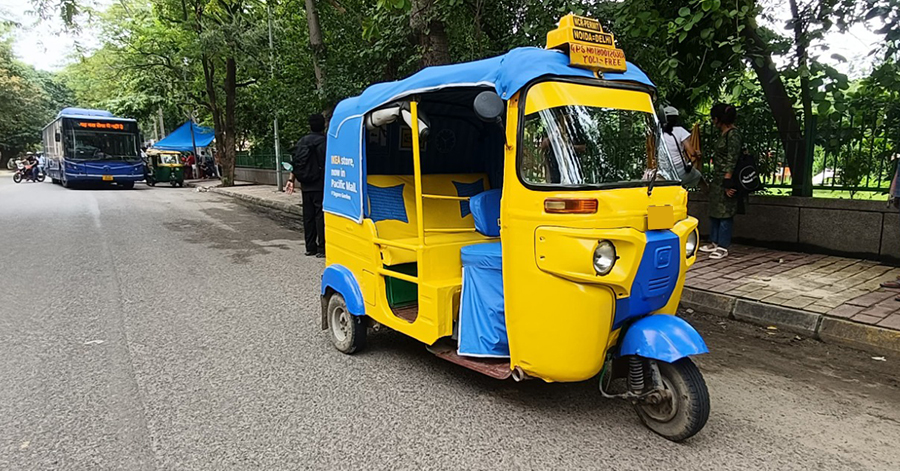
Transit advertising in India is growing fast. The reasons are simple. Indian cities are expanding. Metro networks are reaching more cities every year. Bus rapid transit corridors are also being built across major urban centres. To top it all, app-based cabs and auto rickshaws have also increased the number of branded vehicles on city roads.
All of these factors put together mean that there is new inventory being created, which did not exist five years ago. Secondly, most brands have not explored what public transport advertising has to offer in Tier 2 cities. That’s an actual opportunity for brands that move.
What Should You Look for in Transit Advertising Companies?
Not every partner gives the same results. So before you commit, ask these questions.
Do they have route traffic data for your target area?
Can they show past results with real numbers?
Do they understand route strategy beyond just vehicle count?
Can they guide your creativity so it works on a moving surface?
Good transit advertising companies bring local knowledge and data to every campaign. That expertise often decides whether your campaign builds real recall or simply runs for two months and disappears.
What Makes a Strong Transit Media Advertising Campaign?
- Keep the Creative Simple: A moving vehicle gives your message two to three seconds. So the design must do one job. Large brand name. One short line. One contact point. Strong colour contrast. That formula works every time. Anything extra, however, gets lost on a moving surface.
- Match Routes to Your Audience: Good campaigns align routes with where your audience actually travels. Generic placement wastes budget. So always set your route strategy before you finalise the creative.
- Commit to Enough Time: Most strong campaigns run for at least two to three months. The best results, however, come from six months or longer. Because recall builds with repetition, duration is part of the strategy. Not just a budget question.
- Pair With Digital for Better Results: The brands that pair with digital advertising see better results. This is because, with the pre-existing knowledge of the brand, digital advertising becomes more effective. Hence, every digital rupee works harder.
The Bottom Line
The effectiveness of transit media advertising lies in the fact that it leverages the actual process of building trust. Repetition leads to familiarity. Familiarity leads to trust. Trust leads to a stranger becoming a customer.
So, if you need to establish trust for your brand in a particular city, you need to reach out to the right people at the right time. And no other form of outdoor advertising does this as frequently as transit media advertising. Simply put, just be in touch every day and let the daily commute do the rest.
FAQs
Q: What is transit media advertising, and how is it done?
Transit media advertising is a form of promotion wherein the brand is placed on vehicles and infrastructure within the transit system. The idea is that the vehicles follow a route that the daily commuter takes, and so the brand is visible repeatedly.
Q: Why is repeated exposure significant in transit advertising?
The reason why this is significant is that memory is built through repetition. There is a study that suggests that a consumer needs to see a brand five to seven times before he/she is able to remember it. So, in this case, this is achieved through the daily commute.
Q: How long should a transit advertising campaign be?
The campaign should be at least two to three months long so that recall is achieved. Campaigns that are six months or more will yield much better results.
Q: Is transit media advertising appropriate for small businesses?
Yes, it is appropriate for small businesses, as transit media advertising has one of the lowest “cost per impression” rates in the outdoor advertising world.