Is Bus-Shelter Advertising Still Relevant? Here’s Why It’s Growing Again
 By Kalpana Rathore
Public transport is changing, but bus shelter advertising still works well. They are easy to see and very reliable. More people now live in cities, and streets are improving. We can also measure ad results better. This makes people notice bus shelter ads again. Companies now use bus shelters and buses as important parts of their outdoor plans. They are not just extra options anymore. Let us understand why more people in Indian cities want to use them. Both points connect because bus shelters stay busy every day, so the ads remain useful and popular.
Growing Urban Footfall Makes Bus Shelters Valuable
India has big transport networks that carry millions of people every day. The government wants more people to use public transport. Fuel prices are high, metros are growing, and cities are getting busier. This means more people wait at bus stops.
These conditions make bus shelter advertising work even better. During busy hours, people wait for a few minutes at the shelter. This gives them time to look at the Street furniture advertising. More time means better brand recall. Bus shelters also reach people walking, cycling, or driving past.
Bus stops near schools, markets, offices, or homes get seen many times by the same groups. This repeated viewing helps people remember the brand. It also costs less than very large ad spaces.
Why Brands Continue Choosing Bus Stop Branding
Bus stop branding has benefits that can match the current outdoor advertisement requirements.
- High visibility at eye level. People are not far enough away from the panels to make messaging more difficult.
- Repeated exposure. The same commuters use shelters several times in a day.
- Liberal media options. Panels may be a fixed poster, backlit display or digital display based on the regulations of the city.
- Fit in hyperlocal campaigns. Shelters are frequently favoured by brands marketing neighbourhood stores, clinics or events as the audience flows locally.
By using a bus advertising agency campaign, several shelter placements within specific areas can be combined to create consistent coverage at a relatively cheap cost.
Expanding Bus Wrap Advertising Across Cities
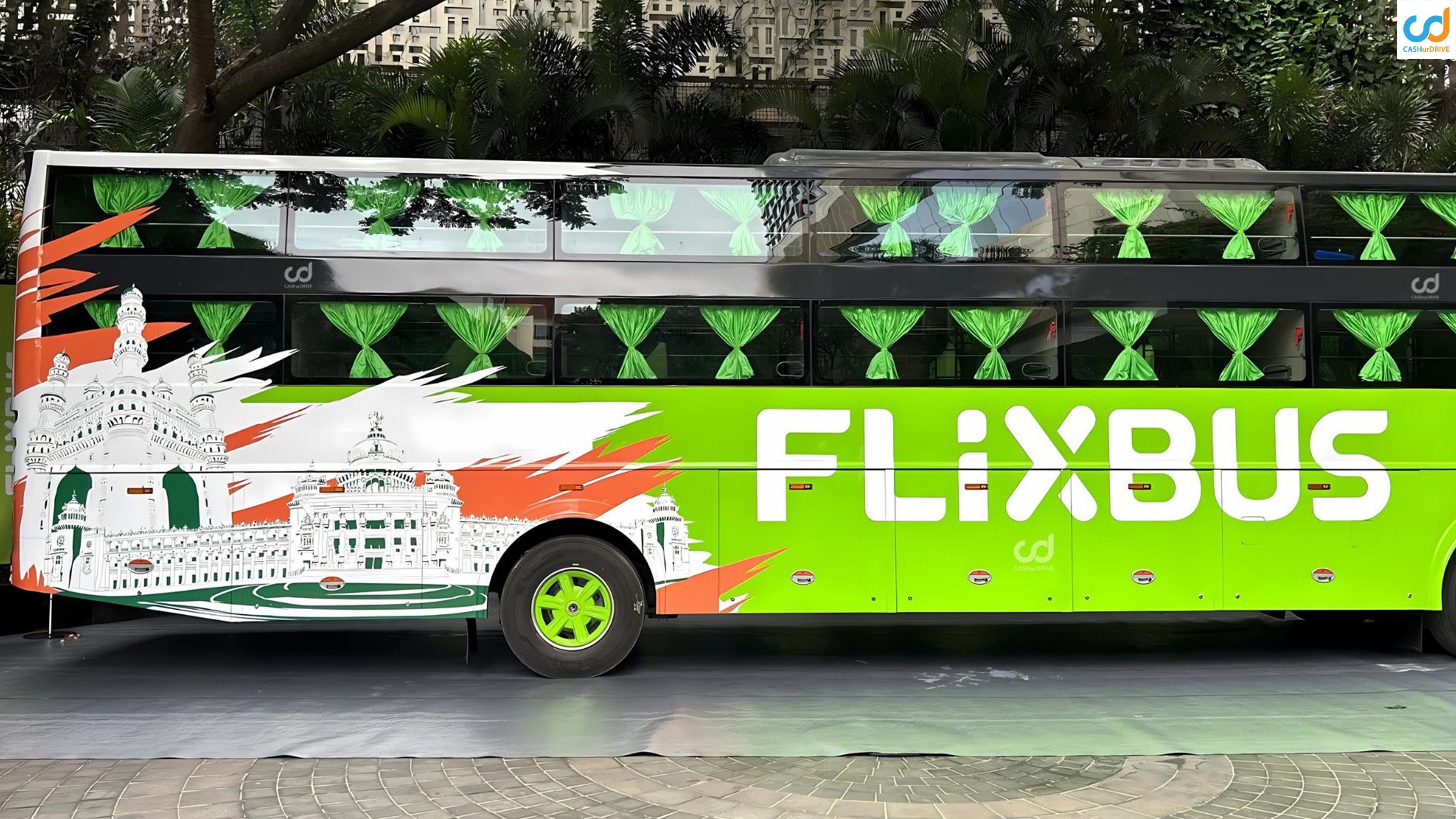
Along with shelters, more brands now want bus wrap advertising. Big buses can carry large messages. These messages travel across the whole city. Full or partial wraps help ads reach markets, homes, and busy transport areas.
A Bus Advertising Company in India often offers:
- Full body wraps for maximum visibility
- Window films or side panels for moderate budgets
- Rear panel formats for repeated impressions in traffic queues
These moving formats complement shelter ads by adding mobility and wider geographic exposure.
Cost Efficiency and Value for Local Businesses
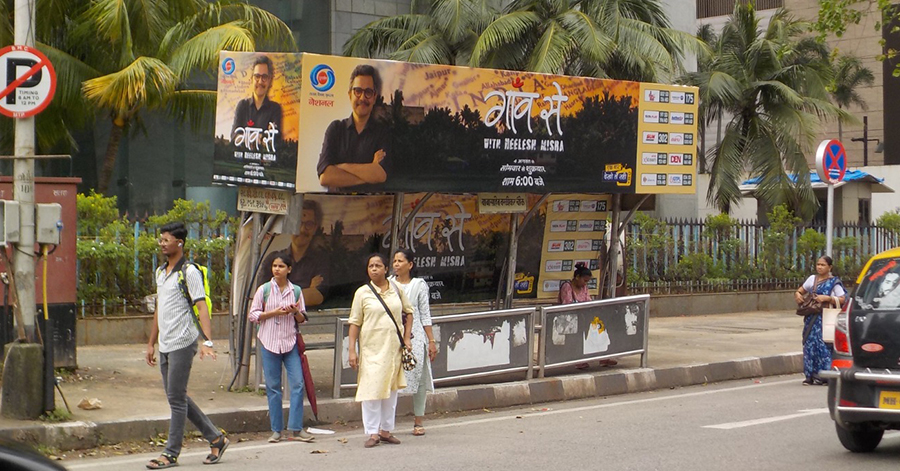
Bus branding cost is affordable for small and medium businesses. The cost changes based on the city, the bus type, the panel size, and how long the campaign runs. Posters on bus shelters cost less than big billboards. So, brands save money. They also reach people in the nearby area. This helps the ads work well for local audiences.
Bus advertising costs also change from city to city. Big buses or buses that travel long routes cost more. But they also reach more people. So they help the brand get seen by many. For local ads, rear panels or partial wraps are cheaper options.
This cost flexibility helps many brands. It keeps the demand high for shelters and buses. So both stay important in outdoor ads.
Why Bus Wraps ROI Remains Strong?
Several factors maintain a strong bus wraps ROI.
- Long operating hours. Buses run from early morning to late evening, which increases impressions.
- High route diversity. Buses travel through multiple neighbourhoods, extending campaign reach.
- These ads are easy to see in heavy traffic. Cars move slowly, so people see the ads for a longer time. This helps the ads get more attention.
- High local relevance. Brands serving specific zones benefit from repeated visibility along fixed routes.
When combined with bus shelter advertising, wraps create a dual-layer campaign that performs well for citywide promotion.
Digital Transformation of Street Furniture Advertising
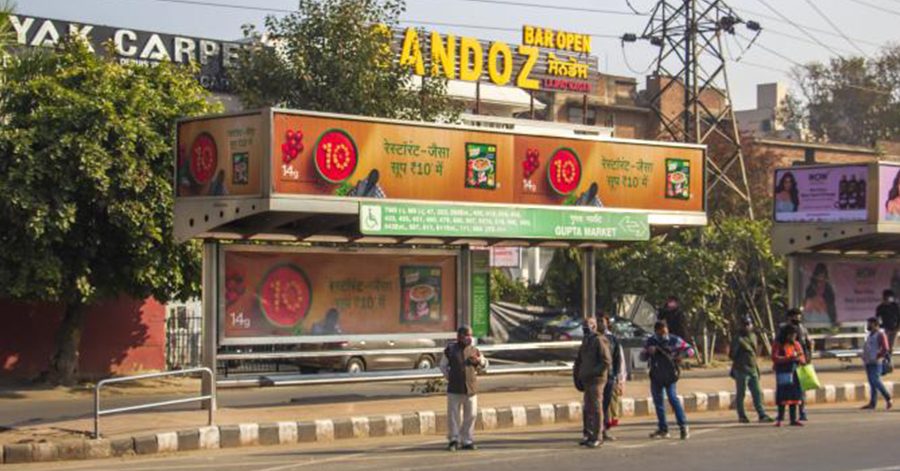
Many city authorities now allow digital screens at some bus shelters. These screens are bright and show moving content. Brands can change the message any time. They can update it during the day. This helps them show the right message when they need it.
Digital formats contribute to the modernisation process of street furniture advertising, thus more engaging and adaptable. This has seen more brands rethink shelters as a high-value neighbourhood resource over older, more stable forms.
Transit Connectivity Improves Campaign Impact
Indian cities keep growing their metro lines. They also add more feeder buses and small travel options. So, people move easily from one place to another. This creates clear and connected travel paths. Because of this, bus shelters near metro stations or busy roads get more people waiting for longer.
Such connectivity increases the value of bus stop branding. Passengers move from one travel mode to another. So, they see the ads again and again. This helps them remember the ads easily. Shelters near shopping centres or commercial districts often combine footfall from multiple sources, enhancing campaign impact.
Role of Bus Advertising Services and Agencies
Professional bus advertising services support planning, asset selection, printing, installation and reporting. A reliable bus advertising agency identifies high-performing shelters, checks for shadowing or obstruction issues, and aligns placement with audience behaviour patterns.
Agencies talk to city officials and transport teams. They follow all the rules for ads. This keeps the work easy and problem-free. This simplifies execution for brands running multi-zone or multi-city campaigns.
Better Measurement and Reporting Strengthen Demand

The outdoor industry has improved measurement standards in recent years. Traffic movement studies, passenger footfall data, and geographic information systems help estimate impressions more accurately.
Agencies offering integrated bus advertising services provide:
- Zone-based reach estimation
- Traffic and footfall data supporting site selection
- Proof-of-play and photographic evidence for campaign tracking
Such reporting makes bus shelter advertising more accountable and measurable. Improved transparency encourages brands to include shelters and bus wraps in structured outdoor budgets.
Suitable for Both Mass and Hyperlocal Campaigns
Bus shelters and bus wraps suit multiple marketing objectives.
- Citywide branding campaigns use rapid bus movement and large shelter clusters across major corridors.
- Hyperlocal promotions rely on shelters placed near shops, clinics, colleges or residential pockets.
- Event campaigns gain visibility through short-duration wraps or side panels.
The versatility of bus stop branding and vehicle formats allows brands to tailor campaigns based on geography, duration, and target audience.
Key Takeaway
Bus shelter advertising stays useful because it is easy to see, costs less, and works well in busy cities. More people now travel every day, and city roads are getting better. This has increased interest in both bus shelters and bus wrap advertising. Using bus shelters and moving buses helps brands reach more places. Both work together well. This gives strong coverage in many areas.
With help from a Bus Advertising Company in India or a bus advertising agency, brands can plan clear and simple campaigns. They can use shelters, buses, and other street furniture advertising together. As public transport grows, shelters and bus wraps will continue to be important for transit advertising in the future.
FAQs
1) Why is bus shelter advertising still relevant in modern outdoor media?
Bus shelter advertising stays important because many people use bus stops every day. So, they see the ads while they wait. This gives them more time to look at the message. The shelters stand in busy areas like homes, markets, and travel points. So, the ads reach many people at a good cost.
2) How does bus wrap advertising complement bus stop branding?
Bus wrap advertising helps the campaign reach more places because the buses move around the city. They move through many areas and busy roads, so people see the ads many times in a day. Because of this, the ads stay in people’s minds. When brands use bus wraps along with bus stop branding, the reach becomes even stronger. This way, people see the message in many places. The shelters stay in one place, and the buses move everywhere. Together, they give wide and steady visibility across the city.
3) What factors influence bus branding cost across different cities?
Bus branding cost changes based on many things. They change with the bus type and the size of the ad space. They also change because of city rules and the number of buses used. Full bus wraps cost more because they cover a big area. Smaller ads on the back or sides cost less. The cost also depends on how long the bus travels each day and how many people use it. Traffic and the number of passengers also change the final price.