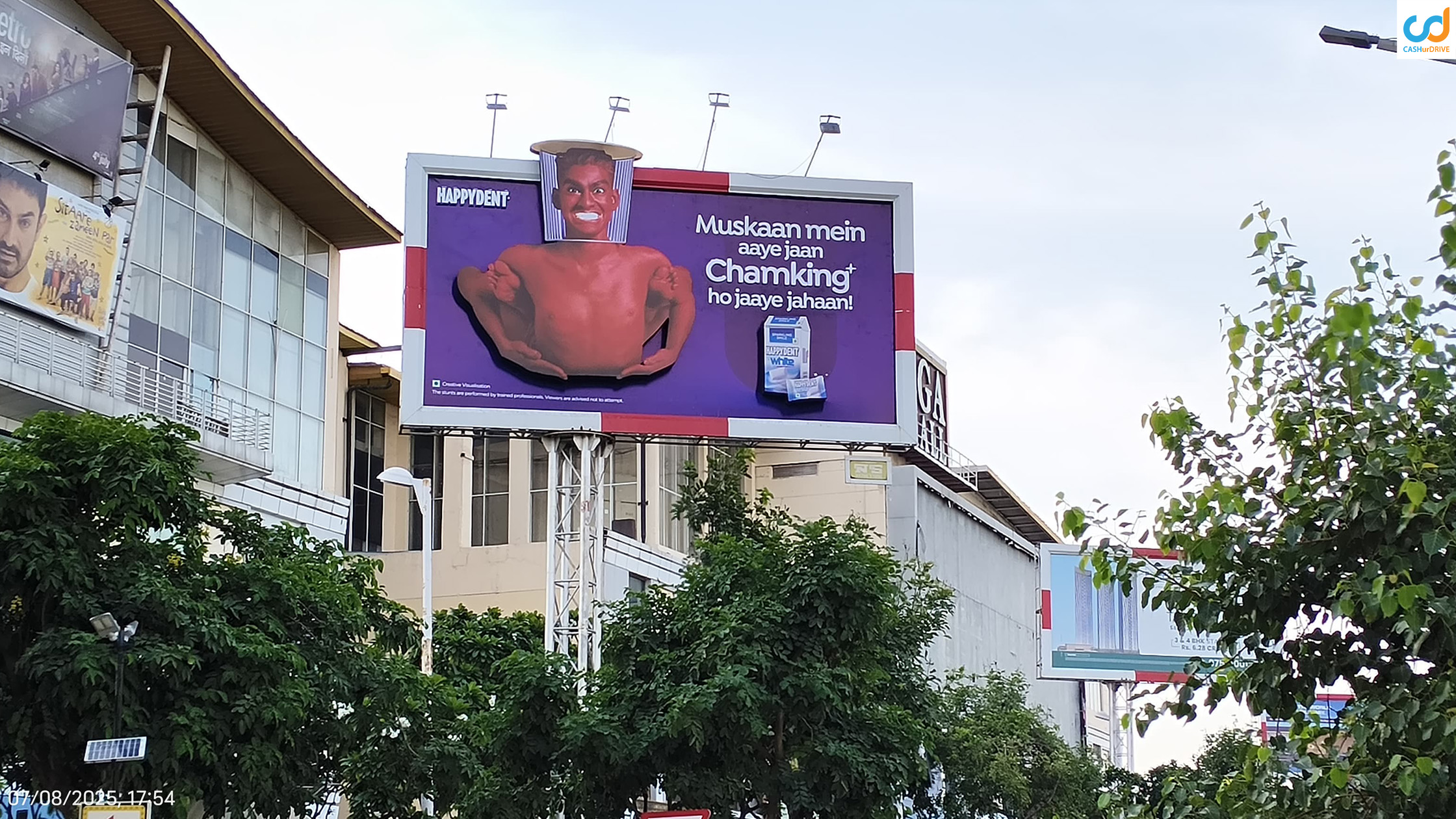
How Data Is Changing Billboard Advertising?
 By Manan Sethi
Billboard advertising was quite easy in earlier days. Choose a location, put up your ad, and hope for the best. But things have drastically changed since then.
The advent of data-driven outdoor advertising has brought about new ways of determining ad locations, audiences, and even the timing of their display. This has resulted in smartly targeted campaigns and reduced wastage in marketing efforts.
This is one reason behind the success of programmatic outdoor advertising in India. It has also led to brands becoming more invested in billboard advertising.
What Is Data-driven Outdoor Advertising?
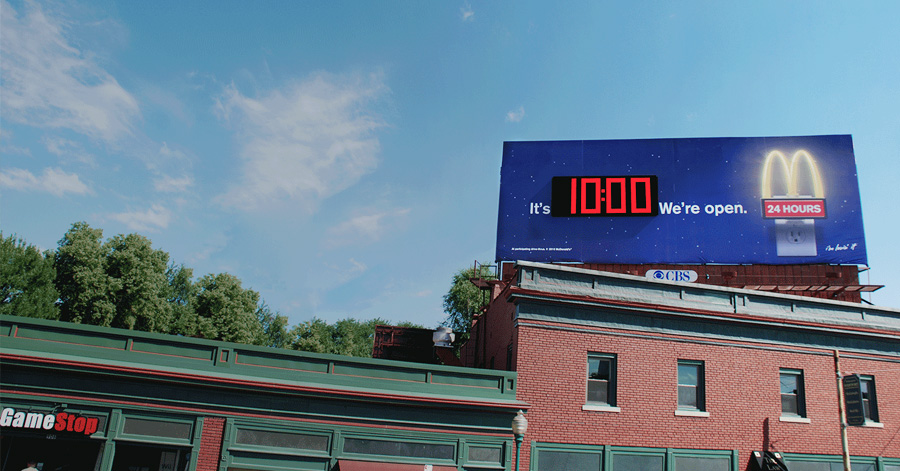
It’s outdoor advertising that responds to the real world.
Instead of one fixed ad running all day, the screen changes. It responds to traffic, weather, time of day, and nearby events. A coffee brand shows a hot drink ad on a cold morning. By afternoon, it switches to something iced. Same screen. But a smarter ad.
This is one of the benefits of digital billboards brands are only now using properly. So no reprints. No delays. Just real-time updates.
Why Is Programmatic OOH India Growing So Fast?
Simple. Brands want results they can actually see.
Programmatic DOOH lets advertisers buy billboard space using software. The software picks the right time and place. It also runs the campaign with less manual work. As a result, elections become quicker, more focused, and better-targeted.
The push for ‘smart cities’ in India has been extremely helpful here. There have been increased installations of digital displays in airports, metros, malls, and other business areas. There has also been a rise in internet penetration throughout the country. Smartphone usage is at its peak ever. All of this creates the perfect environment for programmatic outdoor advertising to grow.
How AI in Outdoor Advertising Actually Works?
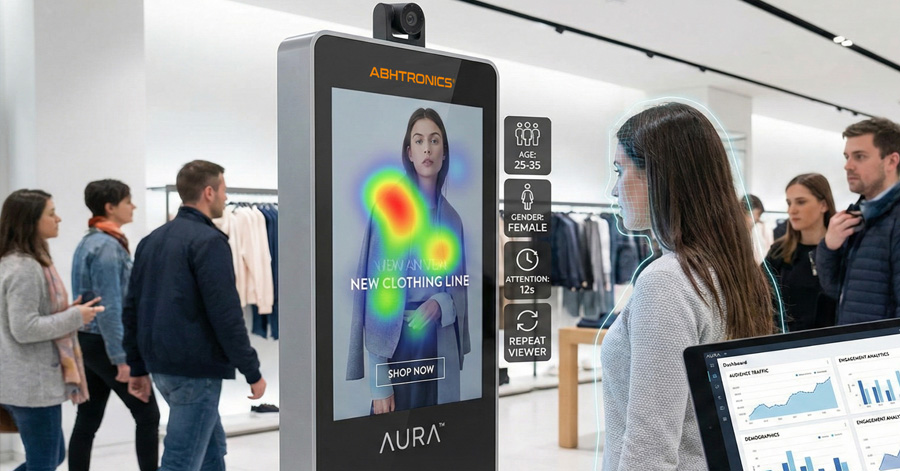
AI in outdoor advertising isn’t science fiction. In fact, it’s already running on screens across Indian cities.
Here’s what it does in practice.
- Audience targeting: AI studies traffic data and movement patterns. So it tells brands which billboard locations reach the right kind of buyer. For example, a luxury watch brand targets South Mumbai business corridors. Meanwhile, a gaming app targets college zones near universities. The targeting gets precise in a way that was never possible before.
- Real-time ad changes: Digital screens change ads based on what’s happening around them. For instance, food delivery ads appear at noon. Then entertainment ads take over by 8 PM. The board keeps itself relevant without any human input.
- Smarter planning: AI also predicts which locations and time slots are likely to perform best. So brands stop spending money on slots that don’t deliver.
What Data Do Modern Billboards Actually Use?
A few different data streams feed into a modern DOOH campaign.
Location data shows where people go throughout the day. This helps brands put boards where buyers actually spend time. Not just wherever traffic is high.
Traffic data tells advertisers when roads and public spaces are busiest. So campaigns get scheduled around those peaks.
Weather data is more useful than it sounds. Hot afternoon? Put up a cold drink ad. Or on a rainy day, food delivery brands step in. The ad matches what people are actually experiencing outside.
Audience data includes information on such elements as age category, income levels, and lifestyle. Hence, advertising becomes more relevant to those who receive it.
Mobile data ties together the outdoor and online worlds. Someone walks past a billboard. Then later, they see a follow-up ad on their phone. That loop is why brands are rethinking DOOH vs traditional billboard advertising today.
How Digital Billboard Analytics Change the ROI Conversation?
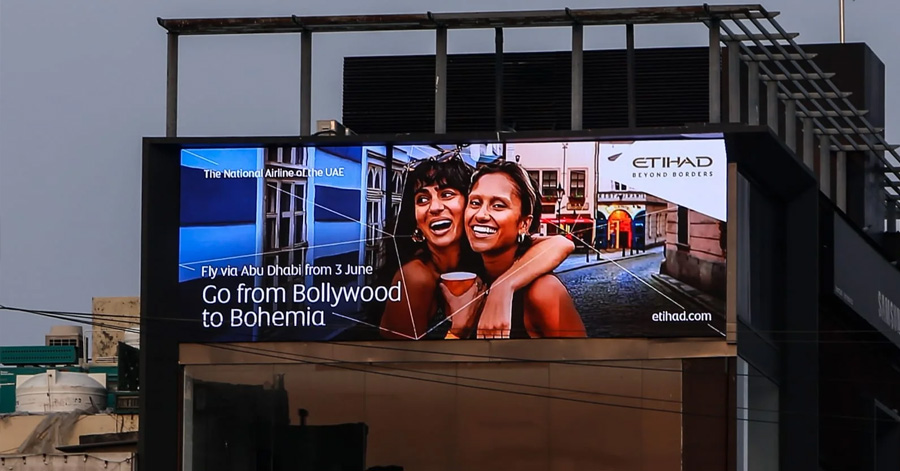
Old outdoor advertising was guesswork. Traffic estimates. Rough impressions. In short, no real way to know if it worked.
Digital billboard analytics changed that completely.
Today, advertisers track impressions, viewer exposure, and traffic movement. They can see how long people spend near a screen. If a campaign underperforms, they can change it. For instance, adjust the timing, swap the location, or update the creative. All of this happens without pulling down a physical ad.
Moreover, outdoor has become linked to digital like never before. Brands have billboard ad campaigns running along with mobile advertisements, social media updates, and apps all at once. This means that they can gauge how a particular billboard exposure influences online behavior later on. This wasn’t possible five years ago.
Key DOOH Advertising Trends India Is Watching
Several key DOOH advertising trends India brands are tracking right now are worth knowing about.
Transit is getting more investment.
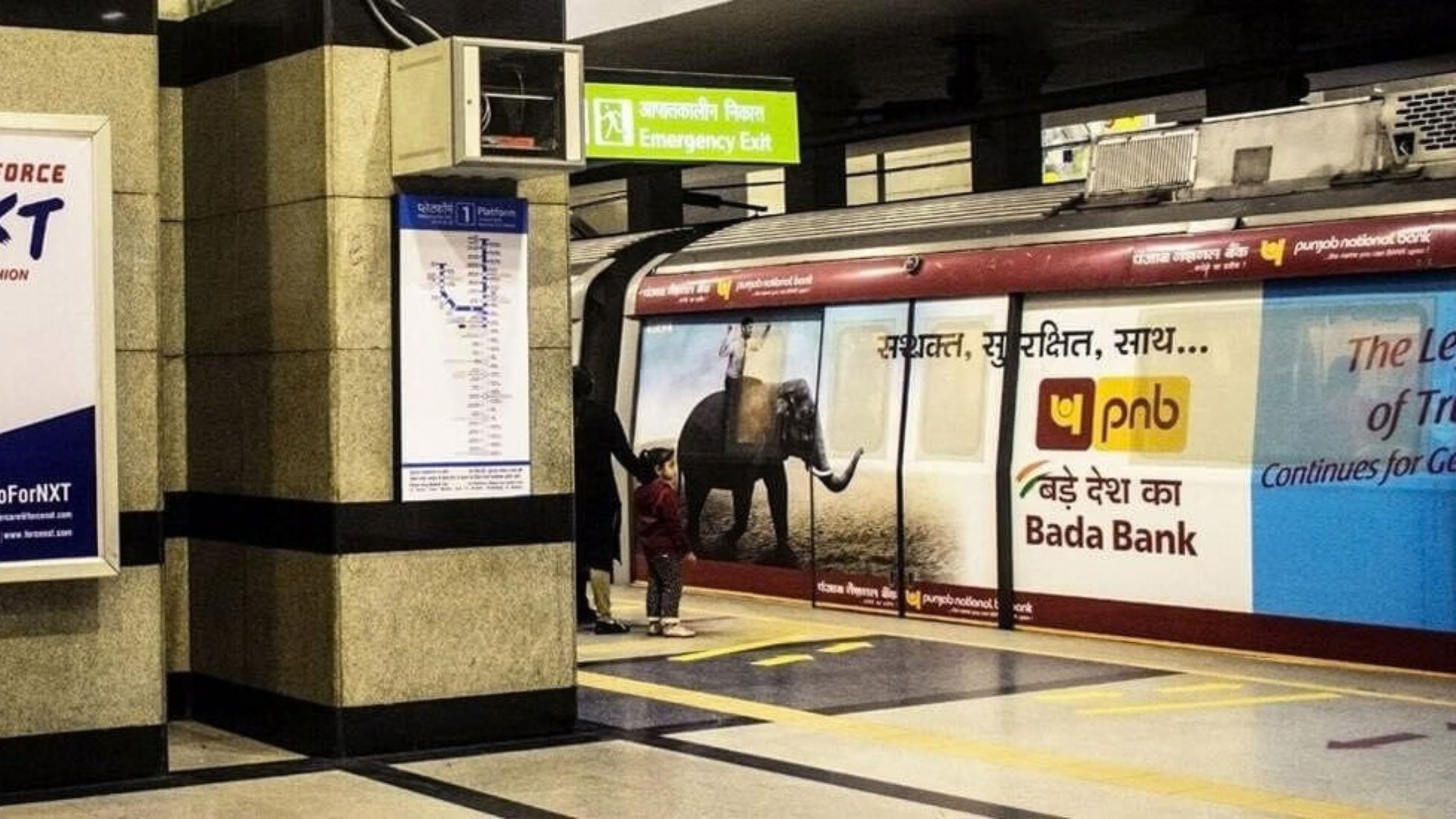
Airports, metro stations, and railway hubs are pulling big ad budgets. These spaces also have high daily footfall and strong repeat visibility. Brands that follow transit advertising trends closely are finding real ROI in these locations.
Hyperlocal campaigns are picking up.
Rather than running one message across an entire city, brands now build campaigns for specific zones. For example, a restaurant targets its own neighbourhood. Or a retail store runs ads near its street. This makes campaigns feel local rather than broadcast.
Screens are becoming interactive.
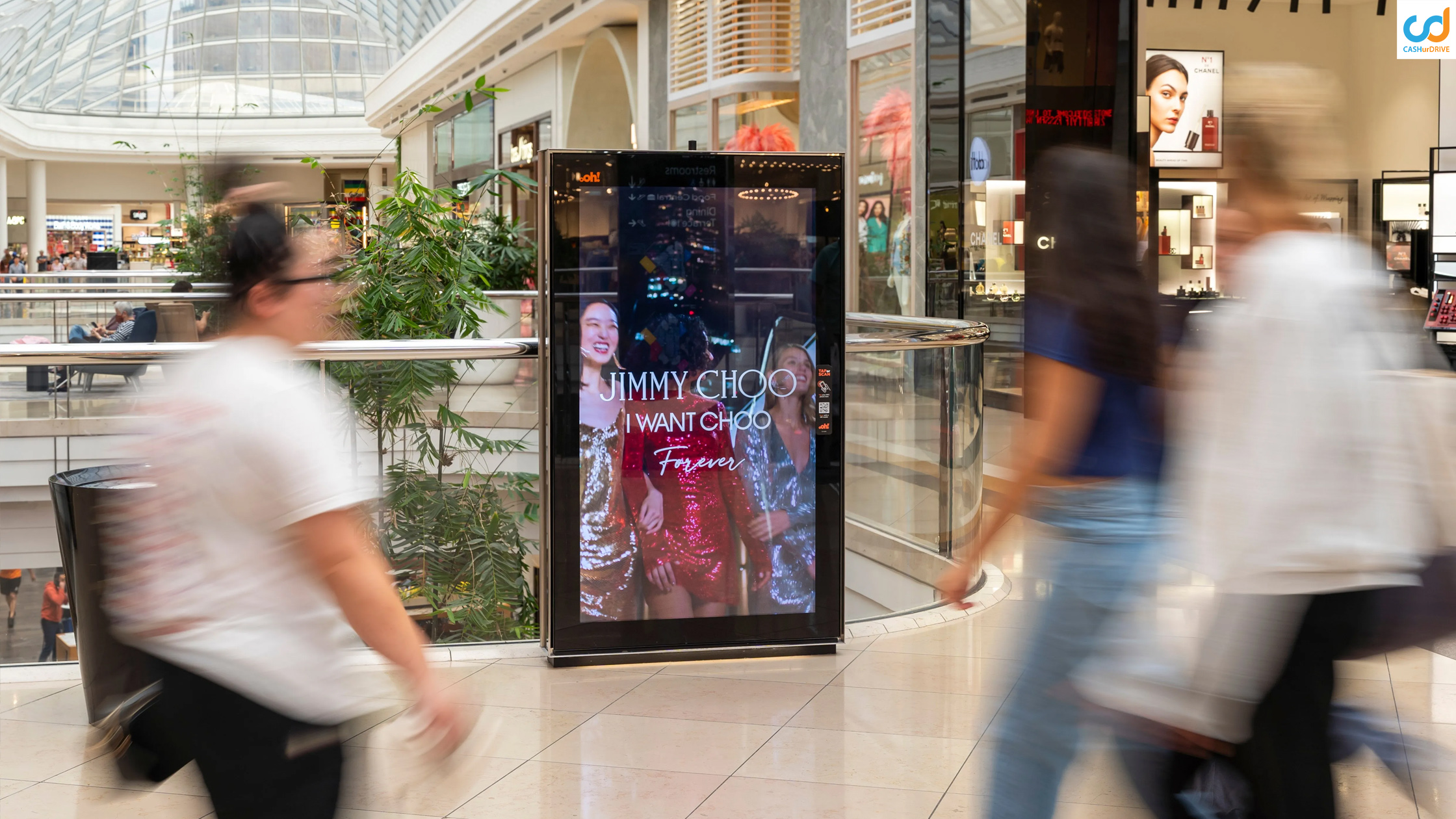
Some boards now include QR codes, live social feeds, and mobile links. So people don’t just look at the ad. They interact with it. That shift in engagement changes how brands think about outdoor entirely.
Omnichannel is the norm now.
Outdoor doesn’t run alone anymore. Instead, it functions alongside social media marketing and video marketing efforts. The consumer can see the same brand on a billboard, on Instagram, and in a YouTube commercial. The message will stick better if it hits you from all angles.
Why hasn’t Data-driven Outdoor Marketing Reached Its Full Potential Yet?
Quite a few factors.
- Privacy: First of all, privacy. Using mobile and audience data to target people raises real concerns. So advertisers have to follow strict data rules. That’s not going away.
- Cost: Cost is also a barrier. Setting up digital billboard networks isn’t cheap. For example, LED screens, internet connections, software, and maintenance all cost money. Smaller cities are slower to adopt because the infrastructure investment is harder to justify.
- Standardised measurement: Measurement still isn’t standardised. Different platforms use different methods to count impressions. That makes it hard to compare results across campaigns. The industry is working on this. Still, it’s not solved yet.
Where Is This All Going?
Outdoor advertising is heading toward being fully data-driven. In the next few years, expect smarter AI campaigns. Better audience prediction. Faster creative updates. Tighter links between outdoor and mobile.
India’s digital growth is pushing this forward fast. More screens are also coming up. Connectivity is improving. In fact, brands are asking harder questions about ROI. Because of all this, data-driven outdoor advertising will become a core part of how brands market in India. Not an add-on.
Conclusion
Outdoor advertising used to be a one-way broadcast. You put the ad up. You hoped people noticed.
That’s not the game anymore.
Data-driven outdoor advertising and programmatic OOH India are changing what’s possible. So brands can now target smarter, update faster, and track results clearly. And as the technology gets better, campaigns will get more personal and more measurable.
The future of billboard advertising in India is digital. The brands that understand that now are already ahead.
FAQs
Q1. What is data-driven outdoor advertising?
Data-driven outdoor advertising refers to the use of actual information on demographics, traffic, and climate to determine what advertisement will be shown, where, and at what time for effective advertising.
Q2. What is programmatic DOOH?
Programmatic DOOH involves software used for purchasing and managing digital billboard campaigns using live data rather than manual processes.
Q3. How does artificial intelligence help outdoor advertising?
AI helps in identifying the right target demographic, timing of advertisements, and optimal places. It also enables dynamic advertisements to be changed without any human intervention.
Q4. Why is DOOH growing in India?
Smart city projects are adding more digital screens. Internet access is improving. Brands want trackable results. All three things together are pushing DOOH growth fast.
Q5. Can digital billboards actually track performance?
Yes. They measure impressions, viewer exposure, and traffic movement in real time. If something isn’t working, the campaign can be adjusted on the spot.