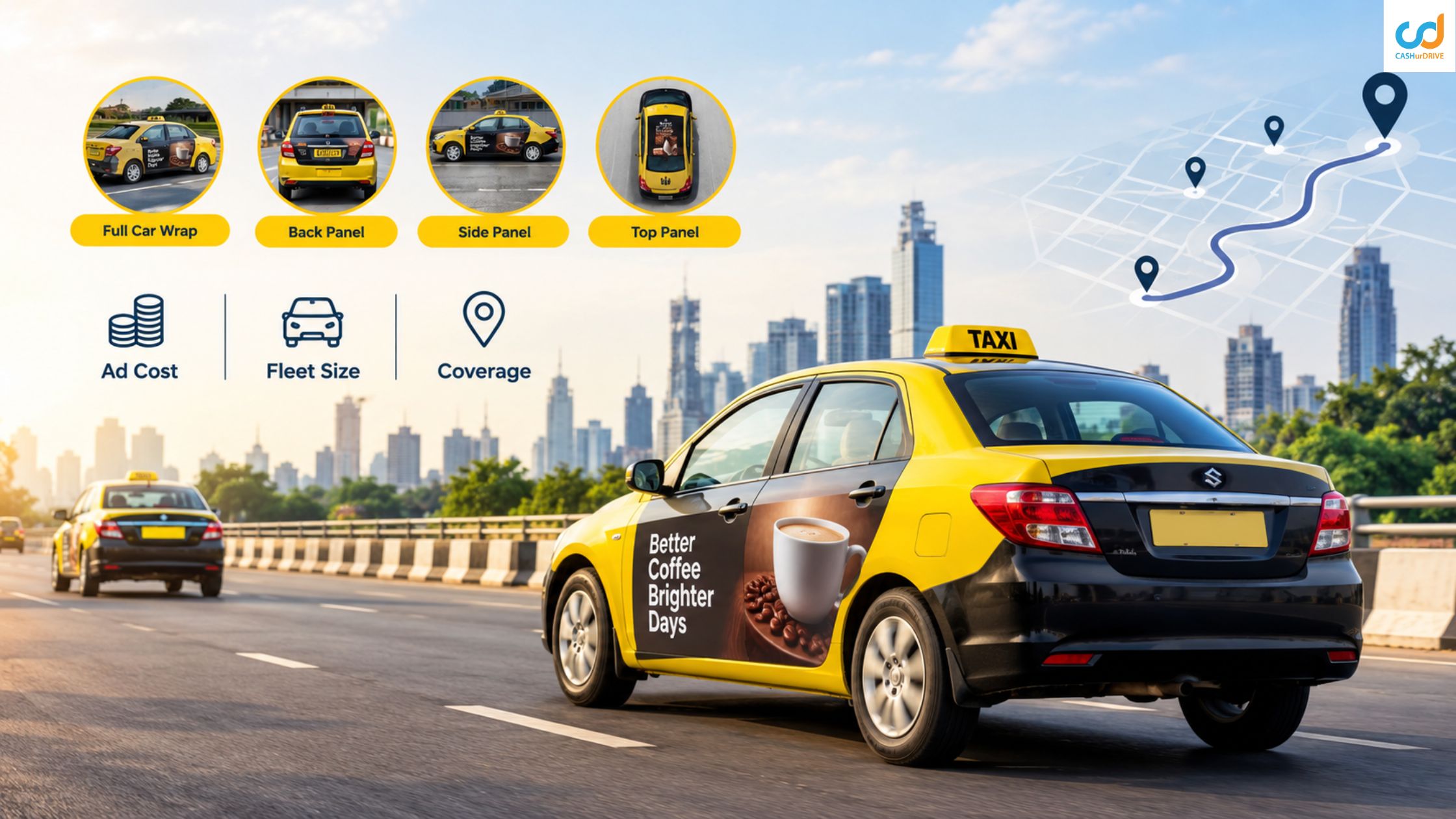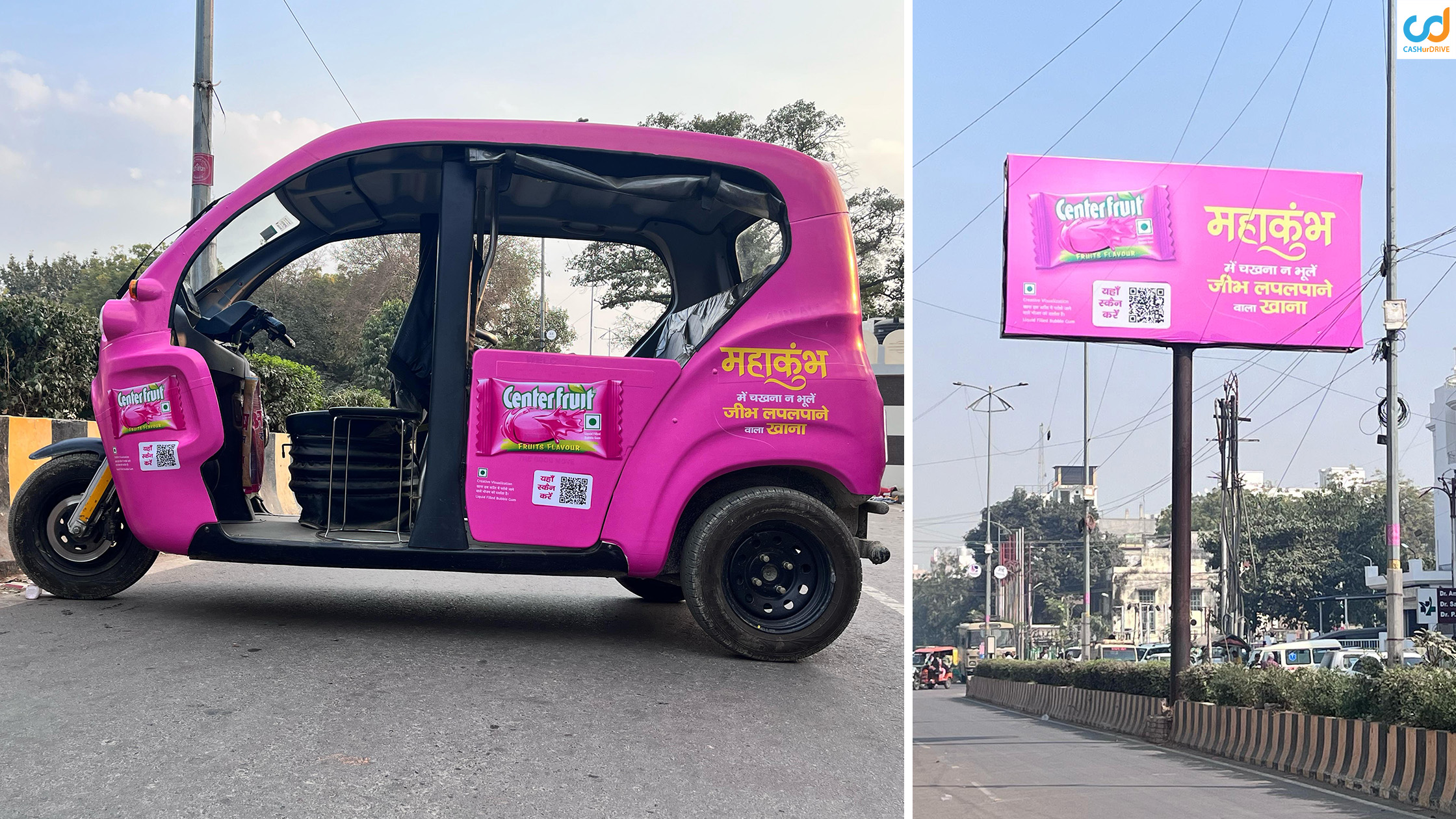
Auto Branding vs Billboards: Which Gives Better ROI?
 By Kalpana Rathore
If you’ve ever planned an outdoor advertising campaign, you already know the dilemma.
Do you go with moving ads like autos and cabs? Or do you invest in large billboards that dominate a single location?
At first, both options seem equally strong. After all, they both fall under outdoor advertising. They both promise visibility. And they both have been used by brands for years.
But here’s the catch. They don’t deliver results in the same way.
And if you care about ROI – which you should – you need to understand how each one actually works.
So in this guide, we’ll break down transit vs billboard advertising step by step. By the end, you’ll have a clear idea of what to choose, when to choose it, and how to get the best results from your budget.
What is Auto Branding?
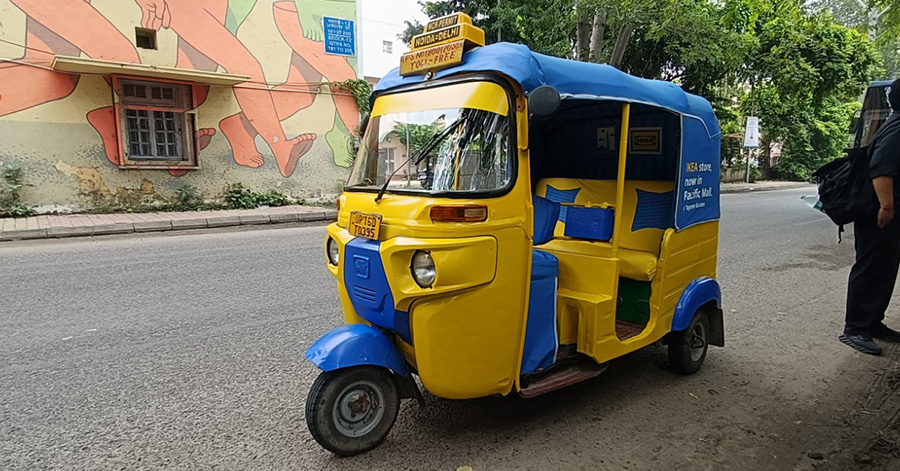
As you would have already guessed from the name, auto branding is a type of transit advertising which involves putting your advertisements on movable objects such as cars, cabs or buses.
Your advertisement will thus change its location during the day, as it will be carried around the city.
This may seem like a minor innovation – but it has profound effects!
The movement of your advertisement implies that your brand will be visible in several different locations.
For example, a person might catch a glimpse of your advertisement at their home address in the morning, then perhaps at their workplace, and lastly in an area where markets are located in the evening.
Familiarity helps build customer trust.
It is common knowledge in advertising that people tend to remember what they’ve seen more than what they haven’t.
The second aspect that makes auto branding so effective is flexibility.
Since the advertisement is constantly moving, you get the opportunity to target different locations according to your needs and preferences.
This is why many brands prefer affordable cab branding solutions when they need to achieve maximum visibility on limited budgets.
What is Billboard Advertising?
Billboard advertising is an old method of out-of-home marketing. However, it still works very well in modern times.
A billboard is a stationary advertisement posted in an area with high traffic volume. This may include highways, junctions, or business areas.
Whereas auto branding uses moving ads, billboards remain stationary.
This gives them their strength. They are based on repetition.
For example, imagine yourself commuting to work on a daily basis. What do you do? You use the same routes everyday. This means that you will be seeing the same billboards on those routes.
This subconscious exposure helps create brand recall.
That’s why brands working with billboard advertising agencies often use hoardings for long-term campaigns. They’re not just trying to be seen once – they’re trying to stay in your mind.
Transit vs Billboard Advertising – Key Differences
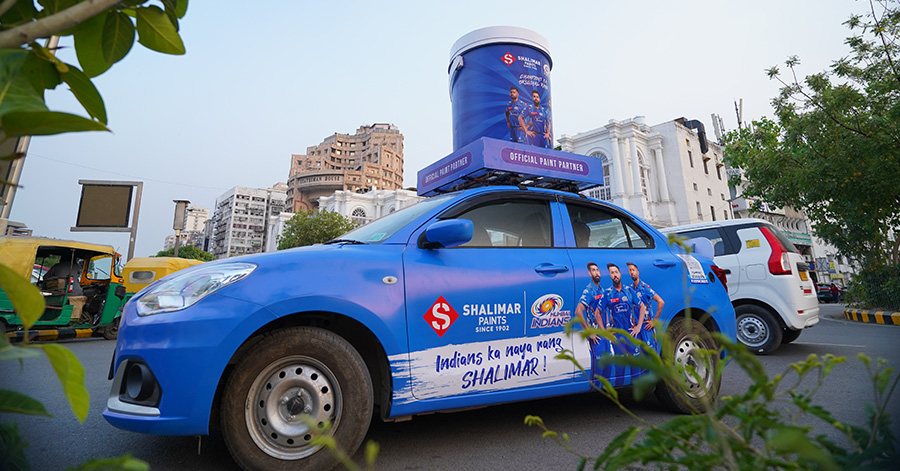
To make things even clearer, here’s a side-by-side comparison of transit vs billboard Advertising :
| Factor | Transit Advertising (Auto Branding) | Billboard Advertising |
| Movement | Moves across the city | Fixed in one place |
| Reach | High (multiple locations) | Limited (single location) |
| Targeting | Flexible and route-based | Depends on location |
| Cost | More affordable | Higher in premium areas |
| Flexibility | Easy to scale or change | Fixed duration |
| Brand Recall | Builds through repeated exposure | Strong due to repetition |
| Best Use Case | Local campaigns, promotions | Brand awareness |
Now let’s get into the real comparison.
Reach and Visibility
With transit advertising, your message reaches across the city. The ad moves around, meaning greater reach.
Whereas billboards have a stronghold at one point only. They may not move, but they ensure great visibility wherever they are located.
Hence, it is all about your branding needs – how you want to present your brand:
- Wide and everywhere (transit)
- Strong and fixed (billboard)
Targeting Capabilities
This is where transit clearly stands out.
You can target specific:
- Neighborhoods
- Office hubs
- College areas
- High-traffic routes
Billboards are limited to their physical location. If that location is right, they perform well. But flexibility is limited.
Cost and Flexibility
Transit advertisements offer a lot more flexibility and cost-effectiveness.
You have the option to increase or decrease at will. It’s possible to try out several regions without being tied down to any contracts.
When it comes to billboards, the fixed period and higher rates come into play, especially in popular places.
Thus, if cost efficiency is your goal, you should choose transit ads.
Brand Recall
That’s what billboards are good at. Repeatedly seeing the same ad over time will eventually lead to increased brand recall because that familiarity creates recognition and trust.
Transit advertising does create brand recall, too, although through a different mechanism.
Transit vs Billboard Advertising: Which Gives Better ROI?
Well, to put it bluntly, that’s your true interest. The billboard form of advertising is popular because of the great returns on investment, which can be several times higher than the initial cost of advertising.
In the case of transit advertising, high returns on investment result from efficiency and scalability. You reach more people across more locations at a lower cost.
So the real answer is simple:
- If your goal is brand building and long-term recall, billboards often perform better
- If your goal is reach, targeting, and cost efficiency, transit advertising takes the lead
Both fall under OOH vs transit advertising, but they serve slightly different purposes.
When Should You Choose Auto Branding?
Auto branding is a smart choice when your goal is reached.
It works especially well if you want to:
- Get your brand in front of a large audience quickly
- Target specific neighborhoods or routes
- Run short-term or promotional campaigns
- Stay within a limited budget
It’s also a great starting point for new or growing brands. You get visibility without making a huge upfront investment.
When Should You Choose Billboards?

Billboards are better when your goal is impactful.
You should choose them if you want to:
- Build strong brand recall
- Establish presence in a premium location
- Create a sense of scale and authority
- Run long-term campaigns
Billboards are less about speed and more about consistency. They keep your brand visible in one place until people remember it.
Why Smart Brands Combine Both?

Here’s something most businesses overlook.
You don’t have to choose one. In fact, the best campaigns use both.
Think about it this way:
- Transit ads help your brand show up everywhere
- Billboards help your brand stay in people’s minds
When you combine both, you create a system where people see your brand frequently and remember it easily.
That’s exactly why modern outdoor advertising services India recommend an integrated approach instead of picking just one format.
Conclusion
When it comes to transit vs billboard advertising, there’s no single winner. Each format has its own role.
Auto branding helps your brand reach more people across more places. Billboards help your brand stay in people’s minds.
But if you want the best results, don’t think in terms of choosing one. Think in terms of strategy.
Because in outdoor advertising, it’s not just about being seen. It’s about being remembered.
FAQs
Q1. What is the difference between auto branding and billboard advertising?
Auto branding is a type of transit advertising where ads move across the city. Billboards are fixed ads placed in one location.
Q2. Which gives better ROI: transit vs billboard advertising?
Transit advertising is better for reach and cost efficiency. Billboards are better for recall. The best ROI depends on your campaign goal.
Q3. Is auto branding more cost-effective than billboards?
Yes, as auto branding is relatively less expensive and easier than billboard advertising.
Q4. Is billboard advertising relevant today?
Yes, as billboard advertisements are quite effective due to repetition leading to good recall value.
Q5. Should I use both transit and billboard advertising?
Yes. Combining both increases reach and recall, which leads to better overall results.