How Commuter Traffic Drives High-Frequency Ad Exposure
 By Kalpana Rathore
Every city in India is a city of routine. And in this routine, there’s a form of advertising that offers immense benefits to brands in a way that complements other channels and stands out in everyday life.
Millions of people follow the same route every day in the morning. They take the same bus. They take the same metro. And they do it all over again in the evening on their way back home. This is not just a routine in India; it’s an opportunity that’s too big to ignore for smart businesses right now.
So let’s look at how this routine provides benefits to brands in terms of advertising.
What Is High-Frequency Ad Exposure and Why Does It Matter?
The Link Between Frequency and Brand Recall
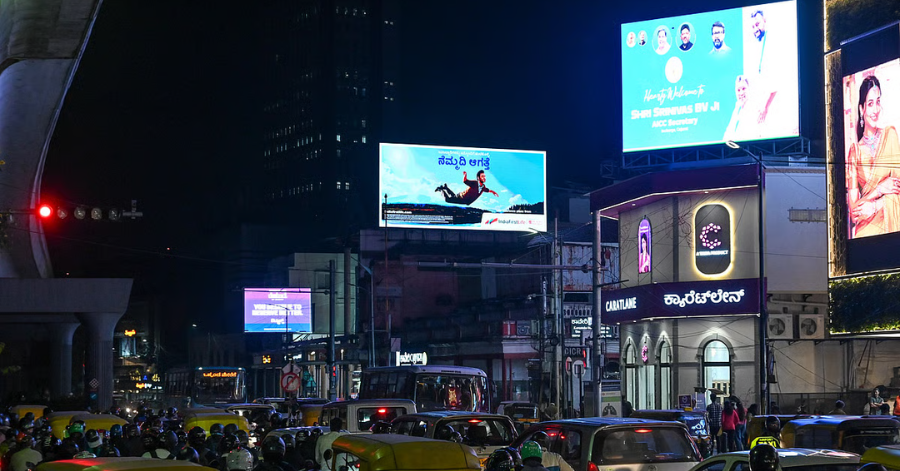
Frequency is how many times an individual is exposed to your brand in a set timeframe.
One ad gives people slight awareness. Five ads give people recognition. Ten ads start to give people trust. And trust is what ultimately gets people to become customers.
Research shows that repeated ads in transit environments can increase brand recall up to 70%. Not because the ads are clever. But because repetition does the work that a single ad never could. So naturally, transit advertising benefits any brand that needs to build recognition fast and sustainably.
Why Commuter Traffic Is the Best Frequency Source?
Most formats approach frequency in different ways. Digital ads rely on targeting and repetition within feeds. TV depends on viewing time. Radio ads work within audio engagement windows.
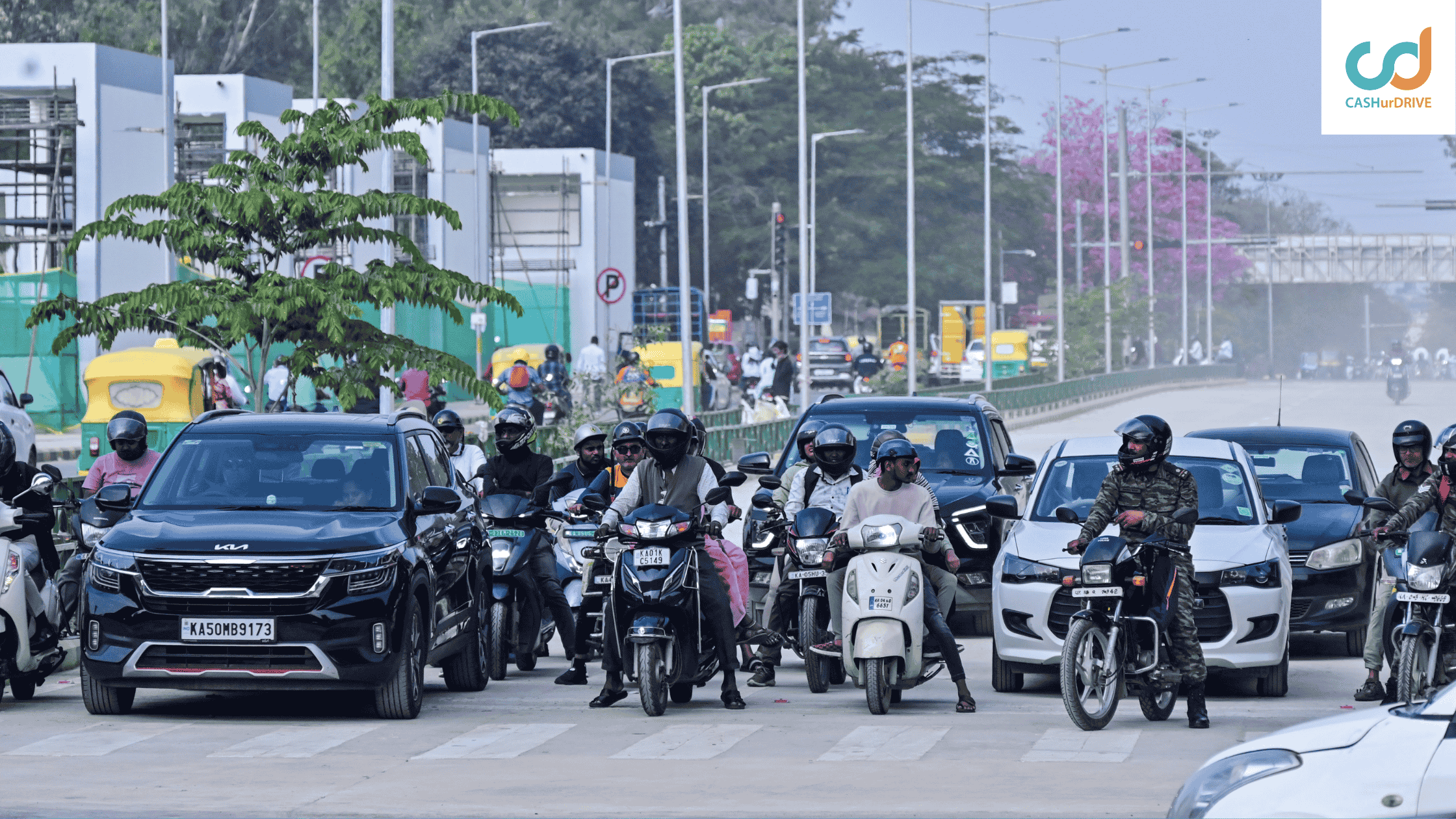
Commuter traffic is different. The same people travel the same routes at the same times every weekday. They cannot opt out of their commute. So your brand shows up in their real world. Not in a feed they can close. Not on a channel they can switch. Right there in their daily physical environment.
That is the simplest way to understand transit advertising benefits for frequency. The commute is unavoidable. And so is your brand.
How Do Daily Commuter Patterns Create Consistent Ad Visibility?
Fixed Routes Mean Predictable Exposure
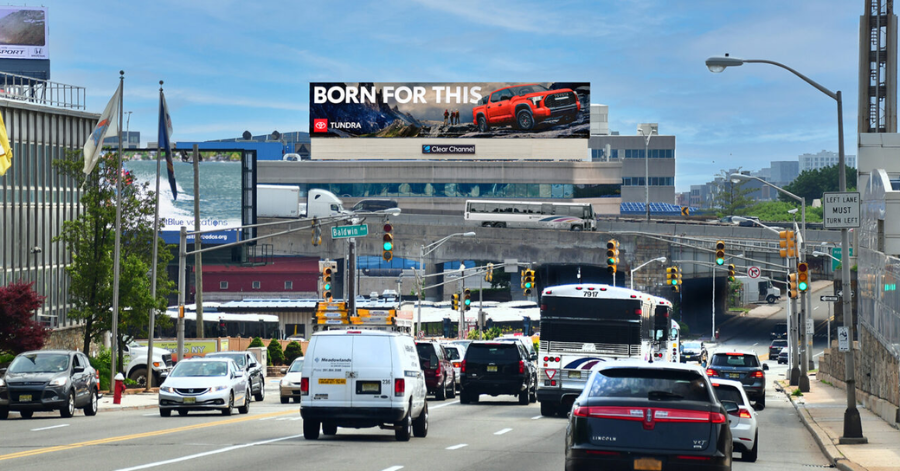
The bus, which runs a regular route, passes the same streets every single day. It has the same commuters boarding the bus at the same stops at the same time, five or six times a week.
Your brand on the side of the bus doesn’t charge extra to be seen every time the bus passes by. The route is essentially free advertising.
Over 34 million people commute daily using the metro rail system in India. Mumbai has 7.5 million people using its suburban rail system every day. This is not one-time travel; this is daily travel. And daily travel is what creates the frequency that leads to brand recall.
Rush Hours Multiply the Reach
A wrapped bus at a busy junction at 9 in the morning does not only reach the passengers inside. It also reaches pedestrians crossing the road. Drivers waiting at the signal. People standing at the bus stop nearby.
One wrapped bus in a busy Indian city can pass in front of tens of thousands of people in a single day. Across many locations. At no extra cost. That is one of the strongest transit advertising benefits compared to any static outdoor format.
What Are the Key Transit Advertising Benefits From Commuter Traffic?
Your Ad Becomes Part of the Environment
Digital advertising offers flexibility and targeting, but it exists within screens and user-controlled environments.
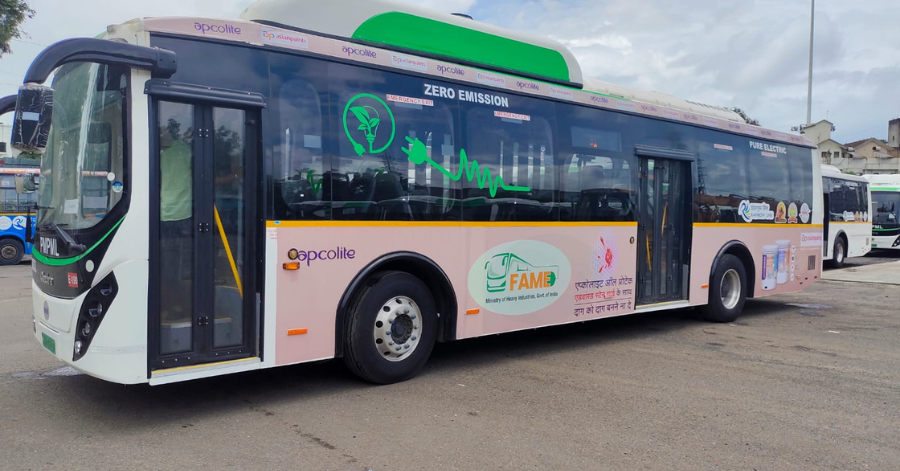
Transit median advertising is different and not user-controlled. When your brand is on a bus moving through someone’s neighbourhood, it is simply there. Real. Physical. Part of the environment. Nobody can block it. Nobody can close it. It just exists in the space around them.
That unskippable quality is one of the most important transit advertising benefits in 2026.
Low Cost, High Impressions
For local businesses, the cost efficiency here is very strong.
Bus panel placements in Indian cities can start from around Rs 50,000 for single-sided formats. Given the reach these advertisements get, the cost per impression is one of the lowest among all advertising media in India today.
This makes transit media an important addition to online advertising campaigns, especially when there is a need to maintain offline presence.
Outdoor Ad Visibility That Lasts All Day
Buses run from early morning until late at night. Metro systems operate for 16 to 18 hours daily. So your brand is out there all day. Not competing for a time slot. Not limited to a few hours of campaign spend.
That sustained outdoor ad visibility adds a continuous layer of presence alongside time-bound or budget-bound digital campaigns.
A Real and Diverse Audience
The audience for transit media is everyone. Students, office workers, families, professionals, and even daily wage workers are all the audience for this form of media.
While digital allows precise targeting, transit media ensures broad, real-world visibility across diverse groups at scale. Especially for local businesses, this form of media can be very useful.
What Types of Transit Ads Work Best in India?
Knowing the various types of transit ads that are out there will enable you to make the right choice.
- Full bus wraps: The whole bus will be your brand’s billboard. It will reach thousands of people outside and thousands of people inside the bus every day
- Side and rear panel advertising: More affordable. Still highly visible at signal junctions and on the road
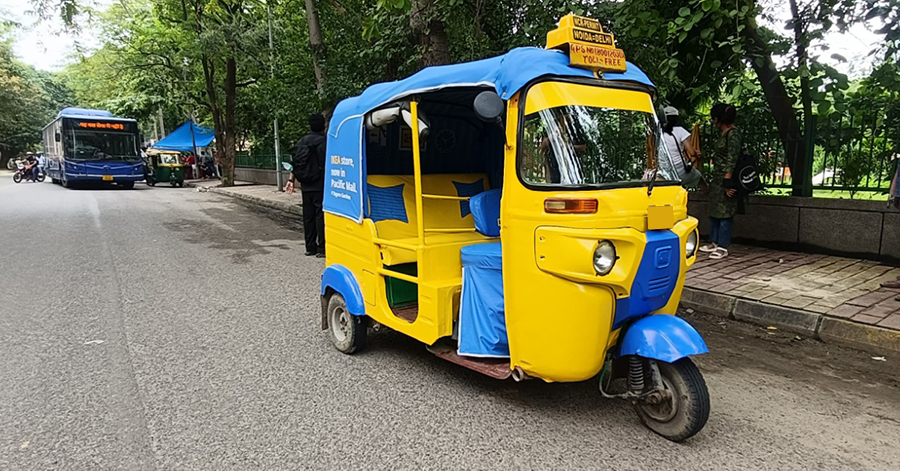
- Auto rickshaw advertising: Ideal for hyper-local campaigns in alleys, markets, and residential areas
- Metro station advertising: Ideal for premium campaigns with high dwell times in front of the educated population
- Coach interior advertising: Passengers will be with your brand for the entire length of the journey. High dwell times
- Cab advertising: Ideal for reaching the urban professional population in the city
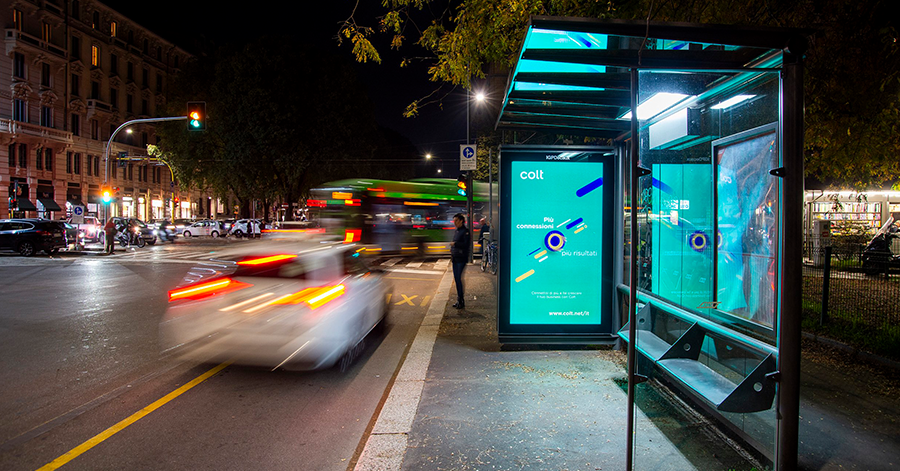
- Digital advertising at transit hubs: The flexibility and the ability to update in real time make this an attractive option
Do Real Campaigns Prove These Transit Advertising Benefits?
Yes. And the Indian examples are very clear.
Ola ran branding across 20,000 autos in Bangalore. App downloads went up by 25% in that area. A fintech brand ran auto branding in Delhi with QR codes and got over 25,000 app downloads from just that campaign zone. Amazon’s station takeover at Churchgate Mumbai, drove a 40% rise in website traffic during the campaign.
Real brands. Real cities. Real results. The transit advertising benefits are not theoretical. They show up in actual numbers.
How Do You Choose the Right Transit Advertising Partner?
The format matters. The route matters. But so does who you work with.
The best transit advertising agencies in India bring real data to the table. Route traffic numbers. Audience profiles. Footfall data. Creative guidance. They do not just book vehicles. They build a strategy around where your audience actually travels.
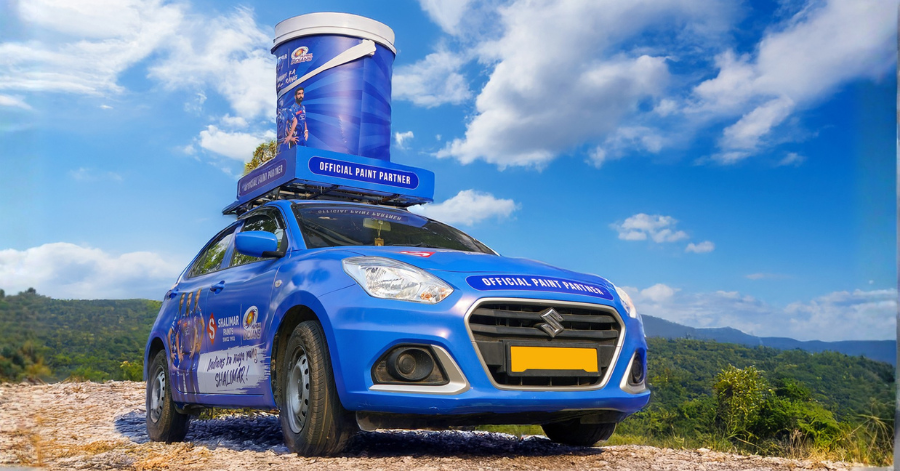
If you need hyperlocal reach through cabs and autos, a dedicated Cab Advertising Company gives you fleet-level targeting in specific zones. That level of precision is something most general agencies cannot offer.
Also, if you want a connected campaign across multiple formats, an experienced Moving media agency brings cross-format planning that turns individual placements into one coherent city-wide presence.
Transit media now accounts for nearly 40% of all outdoor ad spends in India. It is also growing at 15 to 18% every year. The brands using it well are already ahead.
The Bottom Line
Transit advertising benefits greatly from commuter traffic. It creates something every advertiser wants. The same people. The same environment. Seeing your brand again and again. Until it feels like something they have always known.
Not one impressive moment. But a steady, unavoidable presence in the daily movement of millions of real people across Indian cities.
Show up where your audience already travels. Stay consistent. Partner with people who know the routes.
Because the brands people remember are not the ones that appeared once. They are the ones that showed up every single day.
FAQs
Q1: How does commuter traffic assist in generating high-frequency ad exposure?
People follow the same routine at the same time on weekdays. If an ad is placed on their route, it will be exposed to them repeatedly without any extra cost. That is how brand recall is created.
Q2: What is the primary transit ad advantage that local businesses will appreciate?
The cost per impression is low. The ad cannot be skipped. Targeting is highly localized. Daily frequency is high. And brand recall is created in a genuine manner that is built up over time.
Q3: How long should a transit ad campaign be run?
For at least four or six weeks, so that initial brand recall is created. But if you run it for two or three months, it is much more effective. That is because brand recall is built up in a manner that influences buying behavior.
Q4: What is the best transit ad format for running on a small budget?
Auto-rickshaw branding or bus panel ads are the lowest-cost options. Both have high local visibility at low costs.