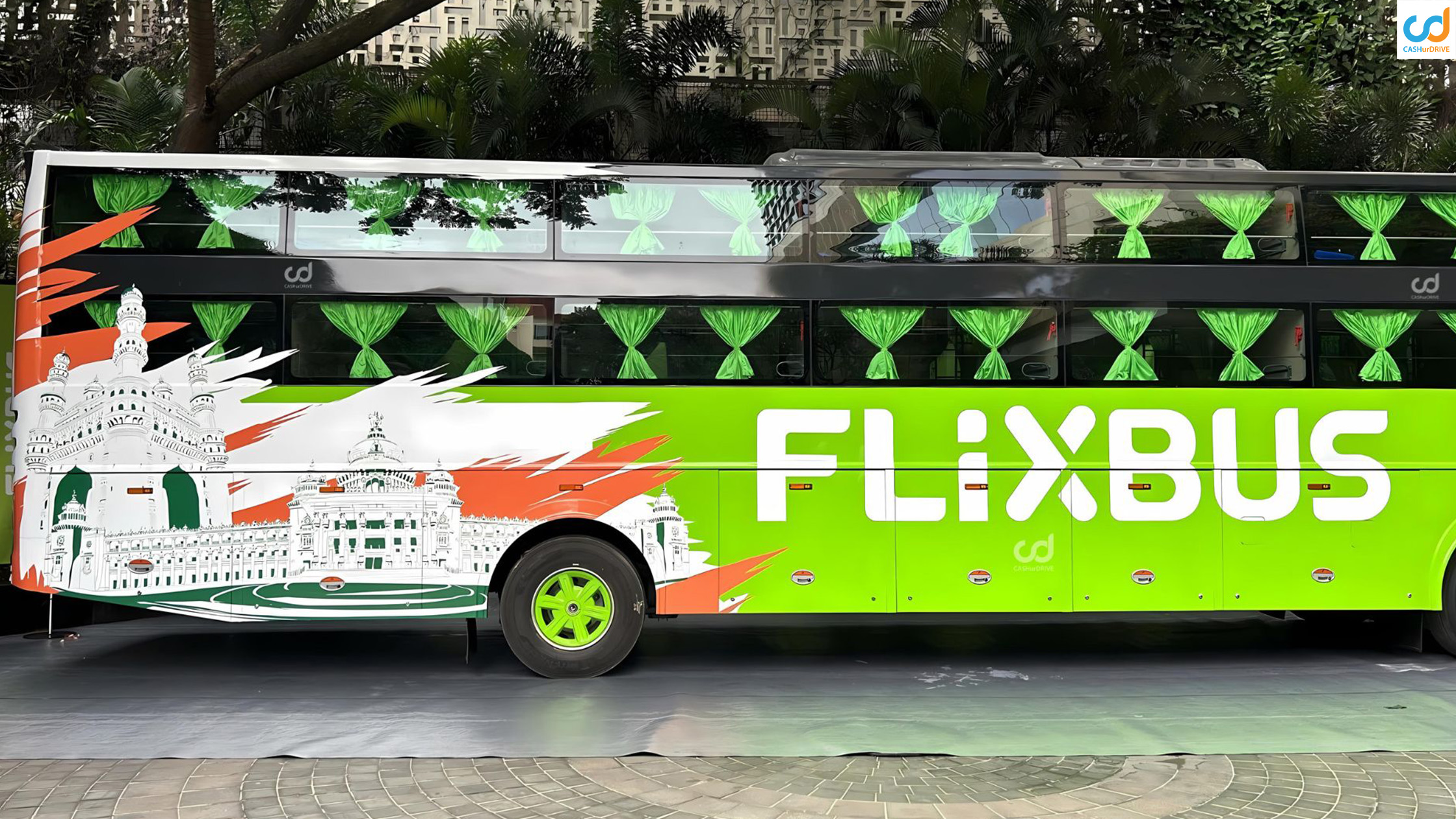
Bus Advertising in India 2026: DTC Delhi, BEST Mumbai and the Festive Season Campaign Guide
 By Annu
No other OOH format covers an entire city the way a bus does. A billboard sits at one intersection. A metro runs one corridor. A bus wraps around residential colonies, market streets, flyovers, and back lanes – often within the same route. DTC’s 6,700+ buses across Delhi-NCR and BEST’s 3,500+ in Mumbai aren’t just a transit network. They’re a moving canvas that touches every corner of India’s two biggest advertising markets.
And during Navratri and Diwali, that canvas becomes one of the most scalable festive OOH formats for brands targeting citywide movement.
Why Bus Advertising Is One of India’s Most Scalable Festive OOH Formats
Bus advertising is a transit media format that wraps brand messages on city buses, delivering high-frequency exposure across urban and semi-urban routes where commuter density is highest – reaching pedestrians, co-commuters, motorists, and shoppers across every corridor a bus travels.
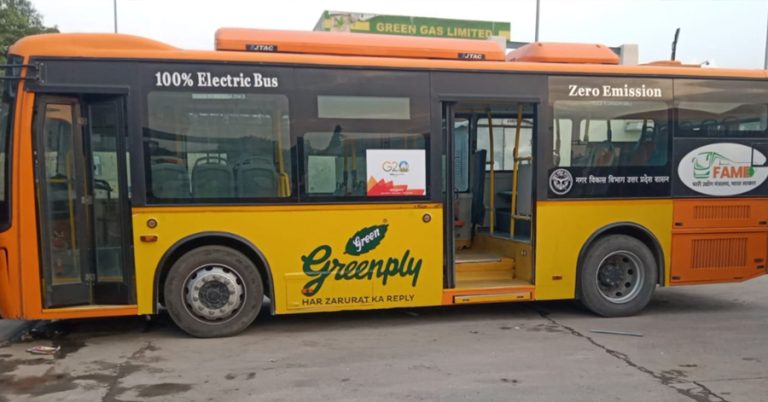
Here’s what makes bus advertising structurally different from many other OOH formats.
A hoarding reaches one location. A metro typically covers one corridor. A bus, however, moves across multiple routes, markets, residential areas, and commercial hubs. For example, DTC Route 543 from Dwarka to Shahdara covers market zones, residential colonies, commercial hubs, and arterial roads in a single trip. Your brand travels with it.
Delhi’s DTC network operates 6,700+ buses across 600+ routes. BEST in Mumbai runs 3,500+ buses across the city. Together, these networks provide extensive daily commuter touchpoints across two of India’s largest advertising markets.
During the festive season, increased shopping, travel, and consumer movement can make high-traffic bus routes particularly valuable for OOH campaigns.
The commuter who sees your brand on the bus they’re riding, on the bus beside them at a signal, and on the bus they pass walking out of a market is not seeing three different ads. They’re building brand recall through repetition. That repeated exposure can strengthen brand recall, making bus advertising a strong option for festive OOH campaigns focused on reach and frequency.
Bus Advertising Formats: Which Format Is Right for Your Campaign?
Full Bus Wrap: The Moving Billboard That Commands Attention From Every Direction
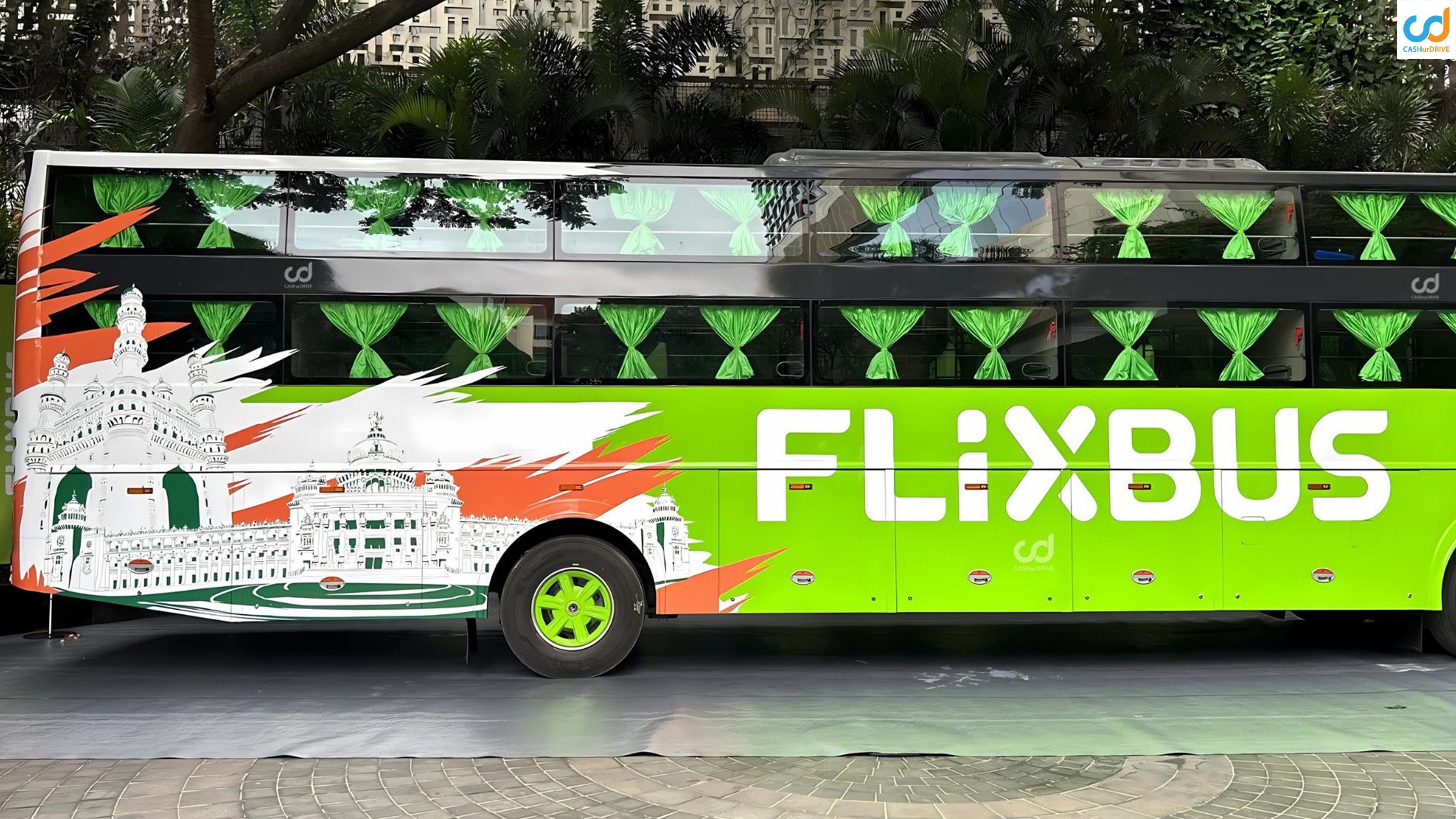
The entire bus exterior – body, rear, and visible panels – covered with your creative. Maximum visibility from every angle. Pedestrians, trailing vehicles, shoppers on the pavement – all see it. The bus becomes a moving billboard. Best for brand launches, festive campaigns, and any situation where maximum recall per vehicle is the objective.
Half Wrap and Side Panel Branding: High-Impact Reach at Lower Per-Bus Investment
One or both sides of the bus carry your brand. Highly visible to pedestrians on the pavement alongside bus routes and to co-commuters in adjacent traffic lanes. Cost-efficient for brands wanting citywide presence across a larger fleet without full-wrap production cost. Side panel campaigns across 50+ buses deliver city-saturation at a more accessible per-unit investment.
Rear Panel Branding: The Format That Owns Every Red Light in the City
The rear of the bus. Every vehicle trailing the bus at a signal, in slow traffic, or in a queue sees this placement. In Delhi’s congested market corridors – especially during Navratri and Diwali when shopping traffic peaks – trailing vehicles at red lights can view the rear panel for 3-5 minutes at a time. One of the most cost-effective formats for sustained visibility on high-traffic routes.
Interior Coach Advertising: The Captive Format That Builds Recall Through Repetition
Panels inside the coach – overhead strips, door stickers, and window placements. Targets commuters inside the bus rather than the external audience. A fixed-route commuter who boards the same bus every morning sees the interior ad repeatedly for weeks. That frequency is what builds recall that survives beyond the campaign window.
Which DTC routes carry your target audience? Atlas verifies the consumer profile of specific bus corridors before fleet selection. Get an Atlas route analysis for your bus campaign → /atlas
DTC Delhi and BEST Mumbai Route Intelligence: Where Bus Advertising Delivers the Most
Route selection is where bus advertising campaigns either deliver or waste budget.
DTC Delhi: High-Potential Bus Advertising Corridors
- Market corridor routes: Buses through Lajpat Nagar, Sarojini Nagar, Karol Bagh, and Chandni Chowk. Maximum footfall during festive shopping peaks. Ideal for FMCG, fashion, and retail brands.
- Residential-to-commercial routes: Dwarka, Rohini, and Noida corridors running into Central and South Delhi. Daily commuter density, office-worker profiles. Strong for fintech, D2C, and consumer electronics.
- South Delhi premium routes: AIIMS to Hauz Khas, Vasant Kunj to Connaught Place. Higher-SEC commuter profiles. Effective for real estate, automobile, and premium consumer brands.
BEST Mumbai: High-Potential Advertising Corridors
- Western suburbs corridor: Andheri to Bandra to Dadar. Commercial density, working professional profile. FMCG, fintech, and app download campaigns perform strongly.
- Eastern corridor: Ghatkopar to Kurla to Chembur. High residential density, mid-income households. FMCG and retail volume campaigns.
- Island city routes: Fort, Churchgate, and Nariman Point zones. Business district targeting for banking, insurance, and professional services brands.
Navratri & Diwali Bus Advertising: Why Early Booking Matters
During Navratri and Diwali, bus footfall spikes and so does demand for bus advertising inventory.
The festive window that matters:
Navratri: October 11-19: Market shopping peaks across Delhi and Mumbai. Bus routes through Lajpat Nagar, Sarojini Nagar, and Linking Road see the highest footfall of the year.
Dussehra: October 20 – Social travel peaks. Buses on residential-to-commercial corridors carry festive-shopping commuters throughout the day.
Diwali Week: November 3-8 – The highest-volume week for city movement across Delhi and Mumbai. Full-wrap buses during Diwali week have maximum exposure during the highest consumer purchase-intent period of the year.
The operational constraint: full bus wraps require the vehicle to be taken to a depot for vinyl application – 1-2 days per bus. During the festive season, depots are managing maintenance alongside wrap scheduling. Wrapping windows are limited and competitive.
Brands planning festive bus campaigns need fleet confirmation 6-8 weeks ahead. For a 50-bus full-wrap campaign across Delhi, wrapping slots need to be scheduled in August for October activation.
A bus campaign that isn’t wrapped before the shopping peak is inventory that was bought but never delivered. The festive window is narrow. The wrapping schedule is the constraint.
▌ EXPERT INSIGHT – Campaign Operations, CashUrDrive Delhi NCR
DIMTS (Delhi Integrated Multi-Modal Transit System) manages advertising inventory across the DTC fleet. Bus selection and route allocation require formal approvals through DIMTS’s commercial advertising process. During the festive season, premium route inventory – buses running through Connaught Place, Lajpat Nagar, and South Delhi corridors – is consistently oversubscribed. In 2025 we had brands come to us in late September asking for Diwali-week full-wrap buses on market routes. The premium route inventory was fully committed. They took secondary route inventory at reduced impact.
BEST Mumbai runs its own commercial advertising process, entirely separate from DTC. A campaign running simultaneously across Delhi and Mumbai requires parallel approvals from both DIMTS and BEST – and those timelines don’t align automatically. Build in 8–10 weeks for a dual-city bus campaign to land on time.
Bus Advertising Cost Structure in India: What Drives the Rate Before You See a Single Quote
Bus advertising in India is priced by format, bus type (AC vs non-AC), route tier, fleet size, and campaign duration.
|
Format |
Rate Basis | Indicative Rate |
|
Full Bus Wrap (Non-AC) |
Per bus / per campaign |
₹25,000 / Per Bus |
|
Full Bus Wrap (AC/Premium) |
Per bus / per campaign |
₹30,000 / Per Bus |
|
Side Panel Branding |
Per bus / per campaign |
₹5,000 / Per Bus |
|
Rear/Back Panel Branding |
Per bus / per campaign |
₹2,500-4,500 / Per Bus |
| Interior Coach Advertising | Per bus / per campaign |
₹2.500 / Per Bus |
What drives the final rate:
- Bus type: AC and premium route buses command higher rates reflecting higher-SEC audience profiles.
- Route tier: Market corridor and premium-zone routes carry higher rates than peripheral routes.
- Fleet size: Larger fleet bookings carry per-unit discounts. 50-bus campaigns cost less per bus than 10-bus campaigns.
- Campaign duration: Longer campaigns reduce the effective per-bus rate.
- Production costs: Vinyl printing and depot installation are typically separate from the media rate.
Want broader route coverage within your budget? Atlas identifies which bus routes carry your target audience density – so fleet investment goes where it actually performs. See how Atlas optimises bus campaign planning → /atlas
Which Brand Categories Should Be Running Bus Advertising Campaigns Right Now
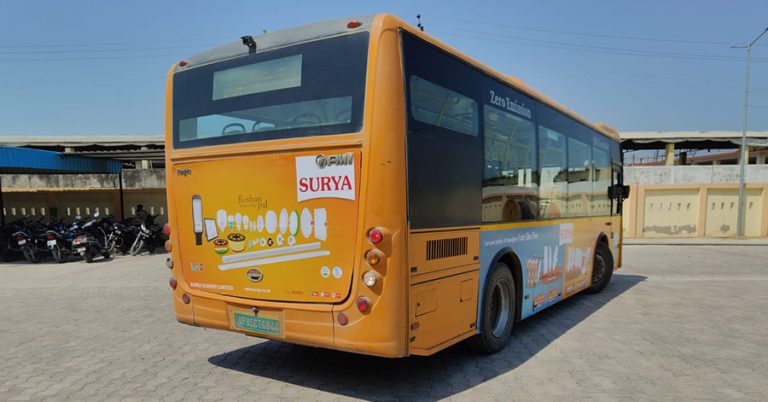
Bus advertising is built for brands whose target audience is in motion across an Indian city. These verticals consistently see the strongest returns:
- FMCG brands: Bus routes through market areas and residential corridors reach consumers immediately before and after retail purchase decisions. A commuter exposed to the brand during the morning journey may encounter the same brand again near retail locations later in the day.
- Retail and e-commerce: Festive season bus campaigns on market corridor routes build brand recall at the highest consumer shopping frequency of the year.
- D2C brands in new markets: Bus campaigns across residential corridors build neighbourhood-level brand awareness before digital acquisition spend kicks in.
- Real estate: Route selection on residential-to-commercial corridors puts your project in front of the commuter profile that matches your buyer demographic every single day.
- OTT platforms and apps: Bus interior advertising reaches fixed-route commuters repeatedly, building the app download and subscription intent that drive conversion when the digital retargeting ad appears later.
- Healthcare and pharmacy brands: Route-specific campaigns near hospitals, clinics, and pharmacy clusters build community familiarity that drives footfall.
Bus Advertising FAQs: All Your Answers Before Booking
Q1. What Is Bus Advertising and How Does It Work?
Bus advertising is a transit OOH format where brands place creative on bus exteriors or interiors. Unlike static billboards, branded buses move across multiple routes and neighbourhoods, creating repeated exposure among pedestrians, commuters and motorists.
Q2. How far in advance should bus advertising be booked for Navratri and Diwali?
For festive season campaigns covering Navratri (October 11) through Diwali (November 8), bus advertising fleet confirmation should happen 6–8 weeks ahead. Full-wrap campaigns require depot scheduling for vinyl application – 1–2 days per bus – which competes with routine maintenance during peak season. Premium route inventory on DTC market corridor buses and BEST western suburb routes commits earliest. For dual-city campaigns across Delhi and Mumbai, build in 8-10 weeks to run parallel DIMTS and BEST approval processes simultaneously.
Q3. What are the main bus advertising formats available in India?
Four main formats are available. Full bus wrap covers the entire exterior for maximum visibility from every angle – the go-to for brand launches and festive campaigns. Side panel branding covers one or both sides, visible to pavement pedestrians and adjacent traffic. Rear panel branding targets trailing vehicles at signals and in slow traffic – particularly effective in Delhi’s congested market corridors. Interior coach advertising targets fixed-route commuters inside the bus with repeated daily exposure over the campaign duration.
Q4. Can bus advertising be combined with other transit formats for better campaign outcomes?
Yes – and the combination significantly amplifies both formats. Bus advertising combined with auto-rickshaw advertising covers the full ground-level transit ecosystem: buses on arterial routes, autos in the residential lanes and market alleys buses can’t enter. Adding metro advertising at key interchange stations creates a frequency chain across the entire commuter journey. For festive campaigns, bus plus auto plus metro delivers city-saturation across every transit touchpoint a consumer encounters.
Q5. How does DTC bus advertising in Delhi differ from BEST bus advertising in Mumbai?
DTC and BEST operate entirely separate inventory, approval processes, and rate structures. DTC inventory is managed through DIMTS (Delhi Integrated Multi-Modal Transit System) with its own commercial advertising approval requirements. BEST manages its advertising commercially through its own process. A brand running simultaneous Delhi-Mumbai bus campaigns must run parallel approvals through both authorities – timelines don’t align automatically. Fleet size, route selection, and format availability also differ between the two networks. CashUrDrive manages this dual-city coordination as a single campaign brief.
Bus Advertising in 2026: Book Early for Festive Campaigns
Bus advertising covers the city the way no other OOH format does – every market, every colony, every arterial road that a bus route touches. At the scale of DTC’s 6,700+ fleet and BEST’s 3,500+ buses, that’s citywide saturation during the festive season’s highest consumer movement period.
The wrapping schedule is the constraint. August is the window.
Don’t wait for the market to tell you the slots are gone.
See CuD’s transit media inventory — cab, bus, metro, and auto formats across 5 cities → /bus-advertising
Author: CashUrDrive Editorial Team
This article was produced with AI assistance and reviewed by the CashUrDrive editorial team.