Metro Advertising in India 2026: The Complete Campaign Guide for Delhi, Mumbai and Bengaluru Networks
 By Annu
Imagine launching a brand campaign where your target audience cannot scroll past, change the channel, or close the tab.
India’s metro networks carry more daily commuters than the entire population of many countries. Delhi Metro alone moves 5.5 million+ people every day, while Mumbai and Bengaluru expand rapidly to match that urban velocity. Consider this: every single one of those commuters spends an average of 8-14 minutes standing on a platform with nothing to do but look straight ahead.
Ask yourself: Are you treating this as just another transit option, or are you capturing the most valuable undistracted attention window in Indian OOH? Because right now, most brands are still booking it wrong.
Why 5.5 Million Daily Delhi Metro Commuters Are a Premium OOH Opportunity
Metro advertising is a transit media format that places brand messages on metro station surfaces, pillar wraps, train coach interiors, platform displays, and digital screens – reaching captive commuter audiences in India’s highest-footfall urban transit systems with an average platform dwell time of 8-14 minutes per journey.
A billboard gives you a 3-second scan. A digital ad gives you 1.7 seconds before a skip. A metro platform gives you 8-14 uninterrupted minutes with nowhere else to look.
This isn’t a media claim. It’s infrastructure.
Metro commuters stand on platforms waiting for trains. They ride coaches for 20-45 minutes. They walk through concourses, exit through gates, buy tokens, wait again. Every stage is a brand touchpoint – and the audience cannot leave until their station arrives.
India has three metro networks that matter for national campaign planning right now: Delhi, Mumbai, and Bengaluru. Each serves a distinct audience profile and requires a different booking strategy. To capture this captive attention as part of a larger plan, it is essential to align your station choices with an integrated OOH strategy that captures the commuter across their entire urban journey.
The Metro Advertising Format Map: Every Brand Touchpoint Across India’s Three Biggest Networks
Metro advertising is not one format. It’s a layered environment. Here’s what’s actually available:
Station and Pillar Branding: The 14-Minute Dwell-Time Touchpoint
Column wraps, wall panels, and pillar branding at station level. Visible to commuters during the entire platform wait. The highest dwell-time touchpoint in the metro environment. Best for brand awareness campaigns requiring repeated exposure on fixed routes.
Platform Digital Screens: Dynamic Inventory That Sells Out First
Dynamic display advertising on platform-level digital screens. Allows real-time creative changes, daypart targeting, and rotating messages. Premium format, premium inventory. This is what disappears first during festive booking periods.
Train Coach Interior Advertising: 45 Minutes With No Skip Button
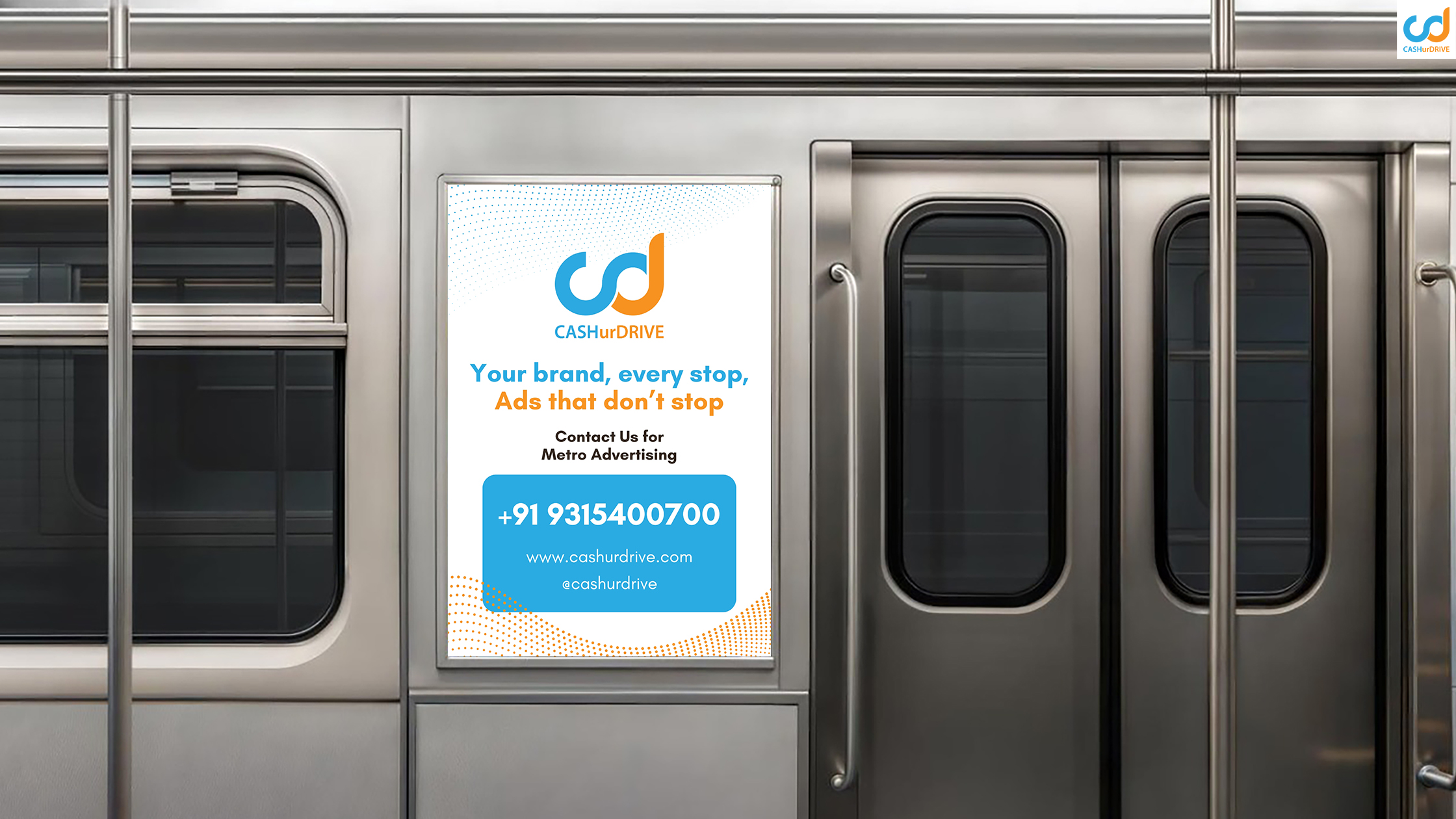
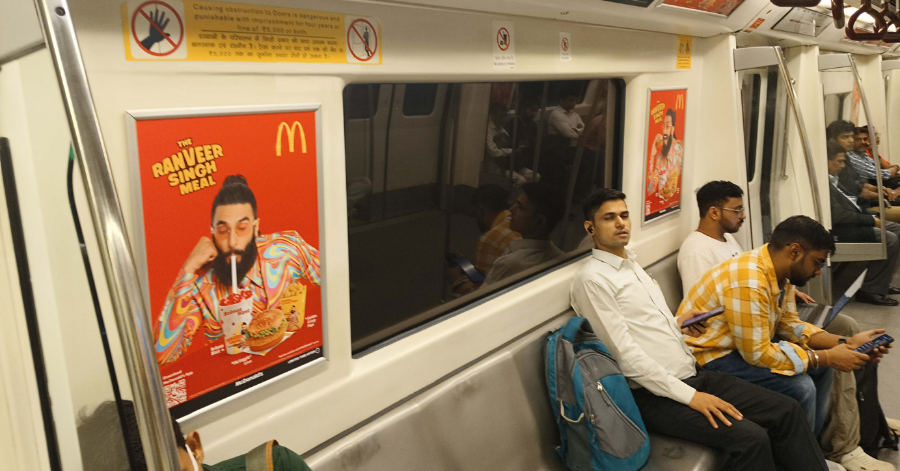
Door stickers, overhead panels, and window stickers inside metro coaches. The commuter has 20-45 minutes in the coach with your brand message at eye level. No competing screens. No scroll. Zero skip rate.
Train Coach Exterior Wraps: The Highest-Recall, Longest-Lead-Time Format
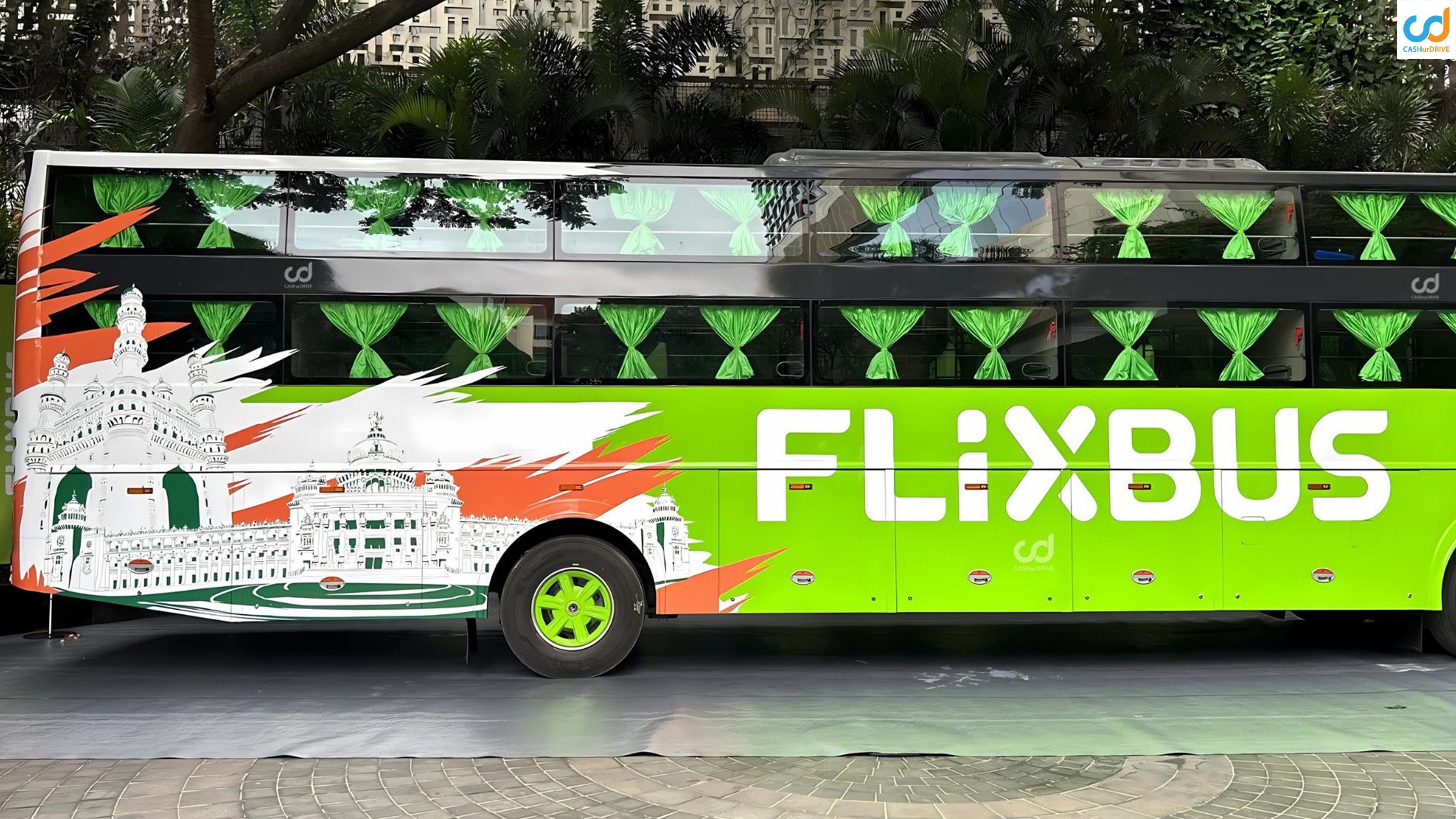
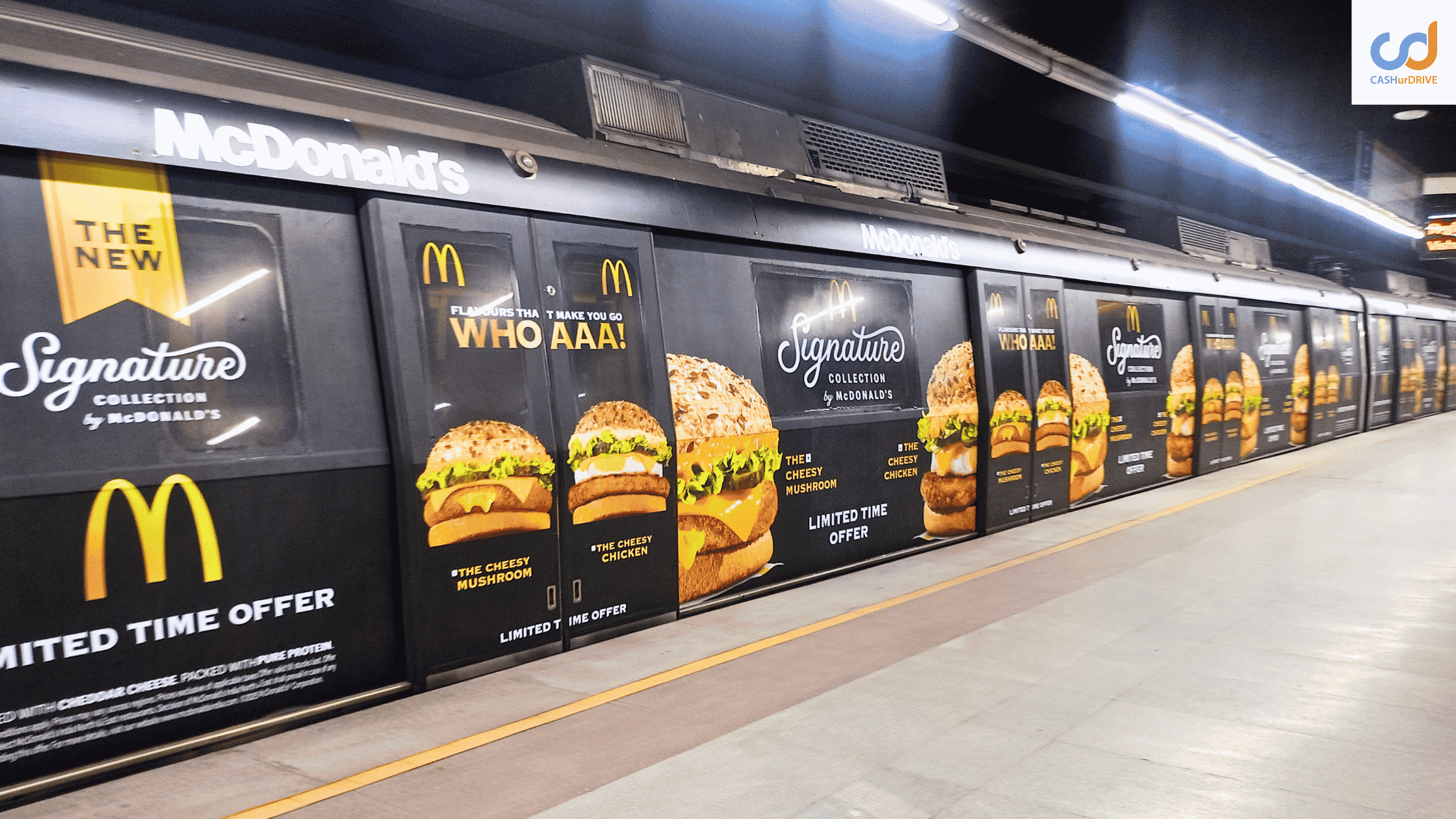
Full or partial branding on the exterior of metro coaches. Visible to platform audiences, pedestrians near elevated tracks, and everyone who sees the train pass. One of the highest-recall formats in metro advertising – and the most complex to book because it requires rolling stock coordination with the metro authority.
Concourse, Gate and TVM Branding: Entry and Exit Touchpoints
Ticket gate surrounds, concourse wall panels, floor graphics, and foot-over-bridge branding. Reaches the audience at their highest transit alertness moments. Ticket vending machine surrounds place your brand in the immediate eyeline of a commuter completing a focused, phone-away transaction.
Which metro lines carry your target audience? Atlas verifies the exact consumer composition of specific corridors before you commit to a single station booking. Get a free Atlas metro line analysis → /atlas
Delhi, Mumbai and Bengaluru Metro Networks: Line-by-Line Audience Intelligence for Advertisers
Delhi Metro: 254 Stations, 8 Lines, 5.5 Million+ Daily Commuters
India’s largest metro network and its most mature OOH advertising environment. The eight lines serve distinct audience profiles:
Yellow Line (Samaypur Badli – HUDA City Centre) Passes Connaught Place, INA, AIIMS, Qutub Minar. Affluent South Delhi and Gurgaon commuters. Premium audience for automobile, real estate, and finance brands.
Blue Line (Dwarka Sector 21 – Vaishali/Noida Electronic City) Delhi Metro’s longest line and highest daily ridership. Mixed demographic – office workers, students, mid-income households. Strongest line for FMCG and D2C volume campaigns.
Magenta Line (Janakpuri West – Botanical Garden) Direct airport connectivity. Business travellers, premium residential zones through Vasant Vihar and Saket.
Pink Line (Majlis Park – Shiv Vihar) East-West cross-city corridor. High student and working-professional density through Trilokpuri and Lajpat Nagar.
Mumbai Metro: Expanding Network, Rising Audience Density
Mumbai Metro Line 1 (Versova-Andheri-Ghatkopar) has operated since 2014 – 11 stations, consistent 300,000+ daily ridership. Lines 2A and 7 (Dahisar to DN Nagar and Andheri) expanded western suburb coverage from 2022. Multiple new lines under construction are extending reach toward Thane, BKC, and Mira Road.
Mumbai Metro audiences skew working professional. Andheri and Ghatkopar are commercial hubs with strong FMCG, fintech, and consumer electronics brand relevance.
Bengaluru Metro (Namma Metro): The Tech Corridor That Brands Miss
Namma Metro’s Purple Line (Baiyappanahalli to Kengeri, extended to Challaghatta) passes through Indiranagar, Trinity, MG Road, Cubbon Park, Majestic, and Rajajinagar – the heart of Bengaluru’s tech worker commute. 650,000+ daily commuters. The audience profile skews strongly toward SEC A, high-income salaried professionals. One of the strongest audience-brand alignment scenarios in Indian metro advertising.
The Green Line (Nagasandra to Silk Institute) adds North-South connectivity through Yeshwantpur and Jayanagar.
The Diwali Metro Booking Window: How DMRC Inventory Moves Before the Festive Rush Begins
During Navratri, Dussehra, and Diwali, metro footfall spikes significantly. The reason is behavioural: festive season means more shopping trips, more social visits, more discretionary movement across the city. Metro commuters during this window are not just going to work – they’re buying, gifting, and celebrating. The highest purchase-intent state of the year.
But here’s the operational constraint brands consistently miss.
Platform digital screens, pillar wraps, and coach interior slots for the Navratri-Diwali window require bookings confirmed 6-8 weeks ahead. Coach exterior wraps, which require rolling stock coordination, need 10-12 weeks of lead time.
The 2026 festive booking deadlines:
- Navratri: October 11 – inventory commitment needed by late August
- Dussehra: October 20 – same booking window
- Diwali Week: November 3-8 – premium station and platform inventory locked by September at the latest. Coach wraps: August.
Brands that wait until October for Diwali metro advertising are booking with what remains after other brands have committed their budgets.
Metro platform inventory during Diwali week in Delhi isn’t a question of budget. It’s a question of whether you called in August.
▌ EXPERT INSIGHT – Campaign Operations, CashUrDrive Delhi NCR
DMRC advertising requires formal permissions for every format – station branding, platform screens, and especially coach exterior wraps. The coach wrap approval process involves coordination with DMRC’s rolling stock management to schedule which trains are available for wrapping during which periods. During the festive season, DMRC prioritises operational stability of its fleet – which means the wrapping window is limited and competitive.
Brands that come to us in October for Diwali coach wraps have almost always missed the window. The practical lead time for coach exterior campaigns during the festive season is 10-12 weeks, not 4-6. Station branding and platform screens have shorter lead times, but premium properties – Rajiv Chowk, Hauz Khas, Indiranagar, MG Road Bengaluru – go first regardless of format. The festive metro campaign conversation needs to happen in August. Not when the release schedule is announced.
Metro Advertising Cost Structure in India: What Brands Pay Before They See a Single Invoice
Metro advertising in India is priced by format, station category, network, and campaign duration. DMRC, Mumbai Metro (MMRC), and BMRCL (Bengaluru) each operate their own rate structures.
Format Pricing Overview
| Format | Rate Basis | Indicative Rate |
| Station / Pillar Branding | Per station / per month | ₹1,00,000 |
| Platform Digital Screen | Per screen / per month | ₹1,00,000-1,15,000 |
| Coach Interior Panels | Per coach / per month | ₹1,00,000 |
| Coach Exterior Wrap | Per train / per month | ₹44,00,000 |
| Concourse / Gate Branding | Per property / per month | ₹90,000 |
What drives the rate:
- Station tier: Rajiv Chowk (Delhi’s highest-footfall interchange) commands a significant premium over a peripheral terminal. Junction stations carry the highest rates in every network.
- Format: Platform digital screens are priced above static panels. Coach exterior wraps involve production costs separate from the media rate.
- Network: DMRC, Mumbai Metro, and BMRCL rates are not equivalent and are managed through separate operator approval processes.
- Season: Festive period inventory carries a premium across all three networks, reflecting concentrated demand.
The Atlas advantage: metro advertising is typically priced on aggregate footfall data that doesn’t distinguish audience profile. Atlas geofencing maps the verified consumer composition of specific corridors – so budget goes to lines that carry your target audience, not just the lines with the highest headline ridership.
Want to know which Delhi Metro line actually delivers your SEC A consumer? Atlas corridor analysis verifies audience composition before any booking is made. Request a free Atlas line analysis → /atlas
Which Verticals Generate the Strongest Metro Advertising ROI in India
Metro advertising is right for brands where the urban commuter audience profile aligns with the target consumer. These verticals lead:
- Real estate – Metro line corridors map directly to residential catchment zones. Yellow Line Delhi = premium South Delhi/Gurgaon buyers. Purple Line Bengaluru = tech professional buyers. The route is the targeting.
- FMCG and D2C – High-frequency daily exposure on fixed routes builds the brand recall that drives purchase decisions at the next retail touchpoint.
- OTT platforms and streaming services – Urban metro commuters are India’s highest per-capita streaming consumers. Coach interior ads reaching the same commuter five mornings a week drive app downloads and subscription upsells at scale.
- Fintech and banking – Metro audiences index high on digital payment adoption. Corridor-specific targeting reaches the salaried professional demographic that fintech products are built for.
- Education and EdTech – Metro routes pass campuses, coaching hubs, and residential zones for students and working professionals. Line-specific targeting delivers precision that no other OOH format offers.
- Automobile brands – Yellow Line Delhi (Gurgaon corridor) and Purple Line Bengaluru (Koramangala, Indiranagar) deliver verified upper-SEC audiences with high new-vehicle purchase intent.
Metro Campaign Playbook: Common Questions Answered
Q1. What is metro advertising in India and how does it differ from billboard or transit advertising?
Metro advertising places brand messages across station surfaces, train coaches, platform screens, and concourse areas – reaching commuters with an average platform dwell time of 8-14 minutes and a journey duration of 20-45 minutes. Unlike billboards, which deliver a 2-3 second exposure to a moving audience, metro advertising holds attention in a controlled environment where the commuter cannot leave until their station arrives. In India, Delhi (5.5M+ daily), Mumbai, and Bengaluru serve distinct audience profiles suited to different brand objectives.
Q2. How far in advance should a brand book metro advertising for the Diwali festive season?
For Navratri (October 11) and Diwali (November 8) campaigns, standard metro advertising inventory – station branding, platform screens, coach interiors – should be confirmed 6-8 weeks ahead, meaning bookings need to happen in August. Coach exterior wraps require 10-12 weeks of lead time due to DMRC rolling stock coordination requirements. Premium junction stations like Rajiv Chowk (Delhi) and MG Road (Bengaluru) commit their festive inventory well before September. The booking conversation starts in August, not October.
Q3. Which Delhi Metro line delivers the best audience for premium brand campaigns?
For SEC A and upper-SEC B audiences, the Yellow Line is consistently the strongest. It passes through Connaught Place, INA, Hauz Khas, and AIIMS, serving South Delhi and Gurgaon’s highest-income commuter corridors. For volume and mass-market FMCG reach, the Blue Line carries Delhi Metro’s highest daily ridership. For tech-professional targeting, the Purple Line in Bengaluru (through Indiranagar, MG Road, Koramangala) delivers India’s most concentrated SEC A metro audience. CashUrDrive’s Atlas platform verifies the precise audience composition of specific corridors before any booking.
Q4. How does metro advertising compare to billboard advertising in Indian cities?
Metro advertising delivers a fundamentally different interaction than billboards. A billboard in a traffic corridor gives 2-4 seconds of exposure to a moving audience. A metro platform panel holds attention for 8-14 minutes during the platform wait, then extends with coach interior exposure during the 20-45 minute journey. Metro advertising consistently delivers higher brand recall because dwell time is longer and the environment is controlled. The trade-off: metro advertising reaches commuters, not drivers – making line-level audience profiling essential before format selection.
Q5. Can metro advertising campaigns run simultaneously across Delhi, Mumbai and Bengaluru?
Yes – and multi-city metro campaigns are one of the strongest OOH formats for national brand launches or festive campaigns targeting urban India. The booking process runs through separate operator approvals (DMRC for Delhi, MMRC for Mumbai, BMRCL for Bengaluru), each with their own lead times and rate structures. CashUrDrive manages this across all three networks simultaneously – coordinating permits, installations, and creative approvals to ensure a single campaign launch date across cities.
Metro Advertising in 2026: India’s Most Contested OOH Inventory Runs on an August Timeline
Metro advertising in India isn’t about reach. Every major OOH format claims reach. It’s about the quality of the attention you’re buying – and 8-14 undistracted minutes with a commuter standing on a platform is the highest-quality attention available in Indian OOH.
Delhi Metro. Mumbai Metro. Namma Metro Bengaluru. Three distinct networks. Three distinct audience profiles. One festive booking window that closes in August.
Don’t wait for the release schedule. The inventory conversation has already started without you.
Get an Atlas line analysis showing your brand’s target audience density across Delhi, Mumbai, and Bengaluru’s top metro corridors → /atlas
Author: CashUrDrive Editorial Team
This article was produced with AI assistance and reviewed by the CashUrDrive editorial team.