Cinema Advertising Guide 2026: Winning the Festive Season on the Big Screen
 By Annu
Cinema advertising gives brands something increasingly difficult to achieve online: a large-format message delivered to an audience that is already seated and waiting for the main entertainment experience.
Here’s a number that should stop you: 1.7 seconds. That’s the average time someone spends looking at a digital ad before scrolling past.
Now here’s another number: 15-20 minutes. That’s how long a multiplex audience sits in the dark, looking at nothing but the screen in front of them before the film begins.
Cinema advertising operates in that second number. And in India, the brands that understand this are booking their Diwali slots right now – not in October.
Cinema vs. Digital Advertising: Why Undivided Attention Wins
Cinema advertising is a form of out-of-home advertising that places brand messages before captive audiences in movie theatres – delivering high-attention impressions on a large screen, in a distraction-free environment, to an audience that has actively chosen to be there.
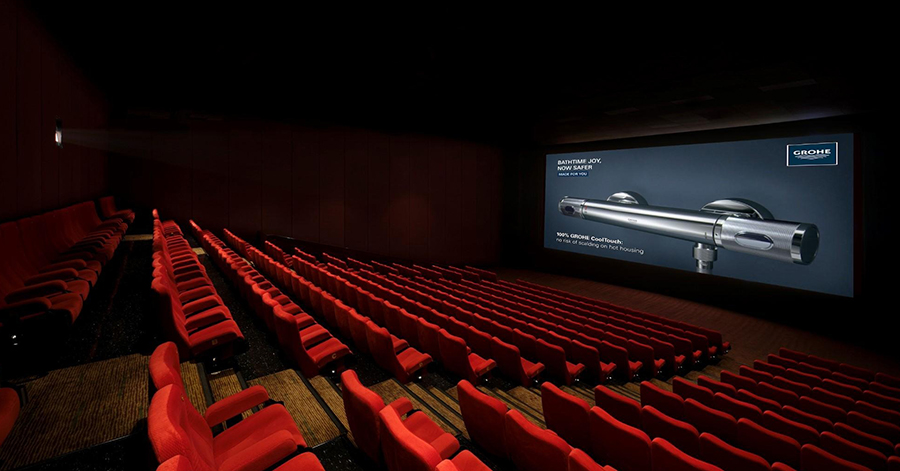
Every other advertising medium competes for attention. Cinema advertising doesn’t compete. It takes it.
Here’s why that distinction matters.
Digital ads fight for space between notifications, messages, and videos. Even a well-crafted 15-second YouTube ad has a skip button. OOH like billboards and transit ads rely on a commuter’s visual scan of an environment full of competing stimuli.
A pre-show cinema ad runs in a darkened room. The screen is the only light source. There is no second screen. The audience has paid to be there, which means they’re present, not scrolling.
Ad recall rates in cinema consistently outperform equivalent TV and digital placements. For new-age brands looking to transition from digital acquisition to physical familiarity, integrating cinema into broader D2C brand awareness strategies accelerates consumer trust.
India has 9,500+ cinema screens. PVR INOX alone operates 1,700+ screens across 400+ cities. Annual cinema admissions in India exceed 1 billion. This is not a niche medium – it’s mass reach in a premium-attention environment.
4 Reasons Cinema Advertising Delivers High Audience Attention
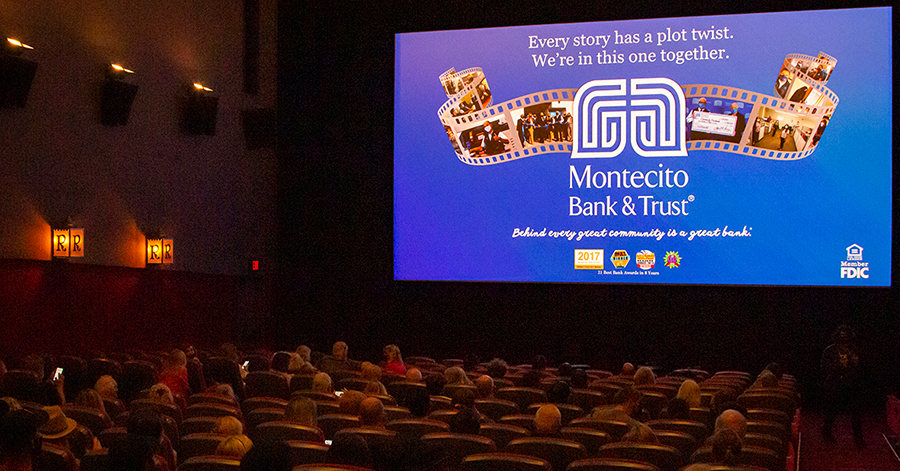
The audience is in a specific emotional state. That’s the underrated advantage.
People who book cinema tickets have made a plan. They’re with family or friends. They’re anticipating something enjoyable. That emotional openness is not available in digital advertising, and it’s rare in OOH.
The pre-show experience creates layers of brand exposure that compound:
- The commute in – transit and billboard advertising near the multiplex starts the awareness chain before the audience enters
- The lobby – standees, digital displays, and concession branding are brand touchpoints before the seat
- The screen – the most undistracted brand environment in Indian media
- The exit – lobby branding seen again as audiences leave, often having just watched an emotionally impactful film
No other single campaign environment delivers that many brand touchpoints in a 2.5-hour consumer experience.
Cinema Advertising Touchpoints: From Entry to Exit
Cinema advertising is not a single slot. It’s a multi-touchpoint environment. Here’s what’s actually available:
Pre-Show On-Screen Slots: The Only Ad Environment in India With Zero Skip Rate
The anchor format. Video ads of 30 or 60 seconds and static slides run in the dedicated pre-show window before trailers and the film. Attention is at its peak here. The audience is seated and waiting. Premium multiplex chains sell these slots in fixed blocks by screen and property. This is also the slot that sells out first during the festive season.
Lobby and Foyer Branding: How Your Brand Reaches the Audience Before They Reach Their Seat
Standees, wall wraps, window graphics, and digital display placements throughout multiplex common areas. Reaches the audience during the 30–45 minute pre-film window and again as they exit. For brands running on-screen ads, lobby branding creates the repeat exposure that moves recognition into recall.
Concession Counter Branding: The Touchpoint That Travels Into the Screen With the Audience
Popcorn bucket wraps, cup sleeves, tray liners, counter displays, and digital screens at food counters. Approximately 60–70% of multiplex audiences purchase concessions. A branded cup or box that travels into the screen continues that exposure for the entire film.
Ticket and Seat Branding: High-Visibility at the Moment of Highest Purchase Commitment
Ticket envelope branding and at select premium properties – seat-back advertising. High-visibility at peak purchase intent: the audience has committed to the experience and is in an engaged, open mindset.
In-Cinema Experiential Activations: Building the Social Moment, Not Just the Ad
Product sampling, photo booths, experience zones, and interactive brand installations in the lobby. Most effective for FMCG, beauty, and consumer electronics brands launching new products. Activations in premium multiplexes consistently generate organic social content – earned media layered on top of paid.
Which multiplex properties deliver the highest concentration of your target audience? Atlas uses geofencing data to map the actual consumer profile at specific multiplexes before you book a single screen.
The Festive Inventory Crisis: Why Premium Diwali Screens Sell Out Early
Here’s the festive season reality most brands discover too late.
PVR INOX and Cinepolis don’t wait for release dates to be announced before selling their Diwali pre-show inventory. Anchor advertisers lock premium properties months ahead. By the time the Diwali weekend lineup is public, the premium screens are already committed.
The 2026 festive window:
Navratri: October 11-19 Major Bollywood releases cluster around this period. Multiplexes across North India run at or near capacity. Food and electronics brands see peak in-store conversion rates in the same window.
Dussehra: October 20 A traditional release date for high-budget films. Premium multiplexes in Delhi NCR, Mumbai, and Bengaluru run full houses.
Diwali Week: November 3-8 The highest footfall week of the year for Indian multiplex cinema. Brands securing on-screen slots for this window are advertising to the largest captive audiences of 2026.
The operational constraint no one talks about:
Festive season cinema advertising is not planned based on which films release. It’s planned based on inventory availability – and inventory moves months before release schedules are announced.
August is the planning window. October is too late.
Cinema advertising for the festive season isn’t a media choice. It’s a timing decision. The brands that make it in August are on 40-foot screens during Diwali week. The brands that make it in October are on a waiting list.
▌ EXPERT INSIGHT – Campaign Planning, CashUrDrive OOH
PVR Select Citywalk in Delhi, INOX Megaplex in Thane, and Cinepolis DLF Saket – these aren’t just premium properties. They’re the anchor inventory that brands fight over every festive season. In 2025, brands that came to us after September asking for Diwali week slots across these properties had already missed them.
The conversation that needs to happen in August is not ‘should we do cinema advertising’ – it’s ‘which screens do we want and for how many weeks.’ By October that question has a much smaller set of answers.
Cinema Advertising Cost Structure in India: What Drives Pricing?
Cinema advertising in India is priced by screen, by week, and by placement type. Rates vary by property tier, city, chain affiliation, and booking volume.
Format Pricing Overview
| Format | Pricing Basis | Rate |
| On-Screen Video (30-sec pre-show) | Per screen / per week | ₹ 15,000-60,000 per screen per week |
| On-Screen Static Slide | Per screen / per week | ₹ 5,000-15,000 per screen per week |
| Lobby Standee / Wall Wrap | Per property / per week | ₹ 8,000-25,000 per screen per week |
| Concession Counter Branding | Per property / per campaign | ₹ 10,000-30,000 per screen per week |
| Full Property Multi-Format Campaign | Custom by property and duration | Custom quote by property and duration |
Festive season pricing, multi-screen volume discounts, and chain-specific rates to be confirmed.
What affects the final cost:
- Property tier: PVR INOX premium properties, mid-tier multiplexes, and single-screen properties are priced differently
- City and zone: South Delhi, Lower Parel, and Koramangala command higher rates than peripheral locations
- Booking volume: Mmulti-screen packages across a chain carry per-screen volume discounts
- Season: Festive inventory carries a premium above standard rates reflecting demand concentration
- Campaign duration: Single-weekend campaigns vs week-on-week bookings have different structures
The Atlas advantage in cinema buying: most multiplex chains price inventory on footfall claims. Atlas geofencing verifies the actual consumer demographic visiting specific multiplex catchment zones – so budget goes to screens that reach your target audience, not screens with the highest headline number.
Which Product Categories Generate the Strongest Multiplex Advertising ROI in India
Cinema advertising is not right for every brand. It’s right for brands where the audience mindset, socioeconomic profile, and emotional receptiveness at the moment of exposure aligns with the purchase decision.
- Automobile brands – multiplex audiences index significantly higher on SEC A and SEC B+. Cinema is one of the few OOH formats that delivers a verified upper-income audience in a high-attention environment at scale.
- Consumer electronics and mobile phones – a 40-foot screen with surround sound is the only media environment that does justice to a product feature launch or new device reveal. The sensory experience matches the premium positioning.
- FMCG and new product launches – festive footfall combined with lobby sampling activations creates a direct trial pathway at the highest purchase-intent moment of the consumer calendar.
- Consumer lifestyle brands (fashion, beauty, F&B) – where the emotional state of an entertained, social, outing-mode consumer aligns perfectly with brand aspiration messaging.
- D2C brands targeting high-income urban consumers – premium multiplex markets (Select Citywalk, Phoenix Marketcity, Orion Mall) reach the high-income, brand-aware, digitally active audience that D2C brands spend significantly to acquire.
- Real estate – premium projects advertising in premium multiplexes. The audience overlap between a Diwali weekend multiplex-goer at PVR South Delhi and the buyer profile for a luxury residential launch is stronger than almost any other OOH format. For scaling such high-ticket launches, combining cinema screens with targeted luxury OOH campaigns delivers maximum conversion visibility.
Cinema Advertising FAQs: What Brands Need to Know Before Booking
Q1. Why does cinema advertising deliver higher brand recall than digital campaigns running the same creative?
Cinema advertising removes every competing stimulus that digital advertising fights against – the second screen, the notification, the skip button, the scroll. The pre-show slot in a multiplex runs in a darkened room, on a screen that commands full visual attention from a seated audience that has chosen to be there. Ad recall rates in cinema consistently outperform equivalent digital or TV placements of the same creative. The difference is structural, not marginal.
Q2. How many months in advance should a brand book cinema advertising for the Diwali festive season in India?
August is the booking window for Diwali. Premium multiplex chains – PVR INOX, Cinepolis – open their festive pre-show inventory months before film release dates are confirmed. Anchor advertisers commit to premium screens (PVR Select Citywalk, INOX Megaplex Thane, Cinepolis DLF Saket) well ahead of the October release schedule. Brands that begin conversations in September typically find these screens committed. The inventory conversation happens in August, not October.
Q3. Does running the same 30-second ad on a cinema screen deliver better results than running it on television?
The same 30-second creative performs differently in cinema vs TV for structural reasons. Cinema places it in a darkened room on a 40-foot screen with surround sound, in front of an audience that cannot change the channel, skip the ad, or scroll past it. TV places it in a living room alongside other distractions, with a remote control in hand. Cinema advertising consistently delivers higher brand recall and purchase intent uplift from the same creative investment.
Q4. Which OOH formats work best alongside cinema advertising to maximise festive campaign recall in India?
Yes — and the combination significantly outperforms either format alone. A campaign that places transit or billboard advertising on routes leading to a multiplex, combined with on-screen pre-show slots inside, creates a frequency chain: audience sees the brand on the commute, then on the screen before the film. This architecture is particularly powerful for festive launches where brand saturation across touchpoints drives recall that survives well beyond the campaign window.
Q5. What socioeconomic profile does a multiplex cinema audience in India actually represent – and how is it verified?
Multiplex cinema audiences in India index significantly higher on SEC A and SEC B+ socioeconomic categories compared to general OOH. Premium multiplex properties in high-footfall malls (DLF Saket, Phoenix Lower Parel, Orion Bengaluru) attract high-income, high-education, brand-aware audiences who are active online shoppers and early adopters. Atlas geofencing can verify the specific consumer composition of individual multiplex catchments before any campaign booking is made.
Your Next Move: Why the Festive Season Campaign Conversation Has Already Started Without You
The 40-foot screen in a darkened multiplex is the most impactful brand environment in India. Not because the audience is large – though it is. Because the audience is undistracted, in a positive emotional state, with nowhere else to look.
That window is at its most powerful from Navratri through Diwali. And the brands that secure it are doing so right now.
Don’t wait for the release schedule to be announced. Wait lists don’t get you the screens you want.
Get a cinema and OOH media plan for Delhi NCR and Mumbai with verified audience reach data from Atlas → /atlas
Author: CashUrDrive Editorial Team
This article was produced with AI assistance and reviewed by the CashUrDrive editorial team.