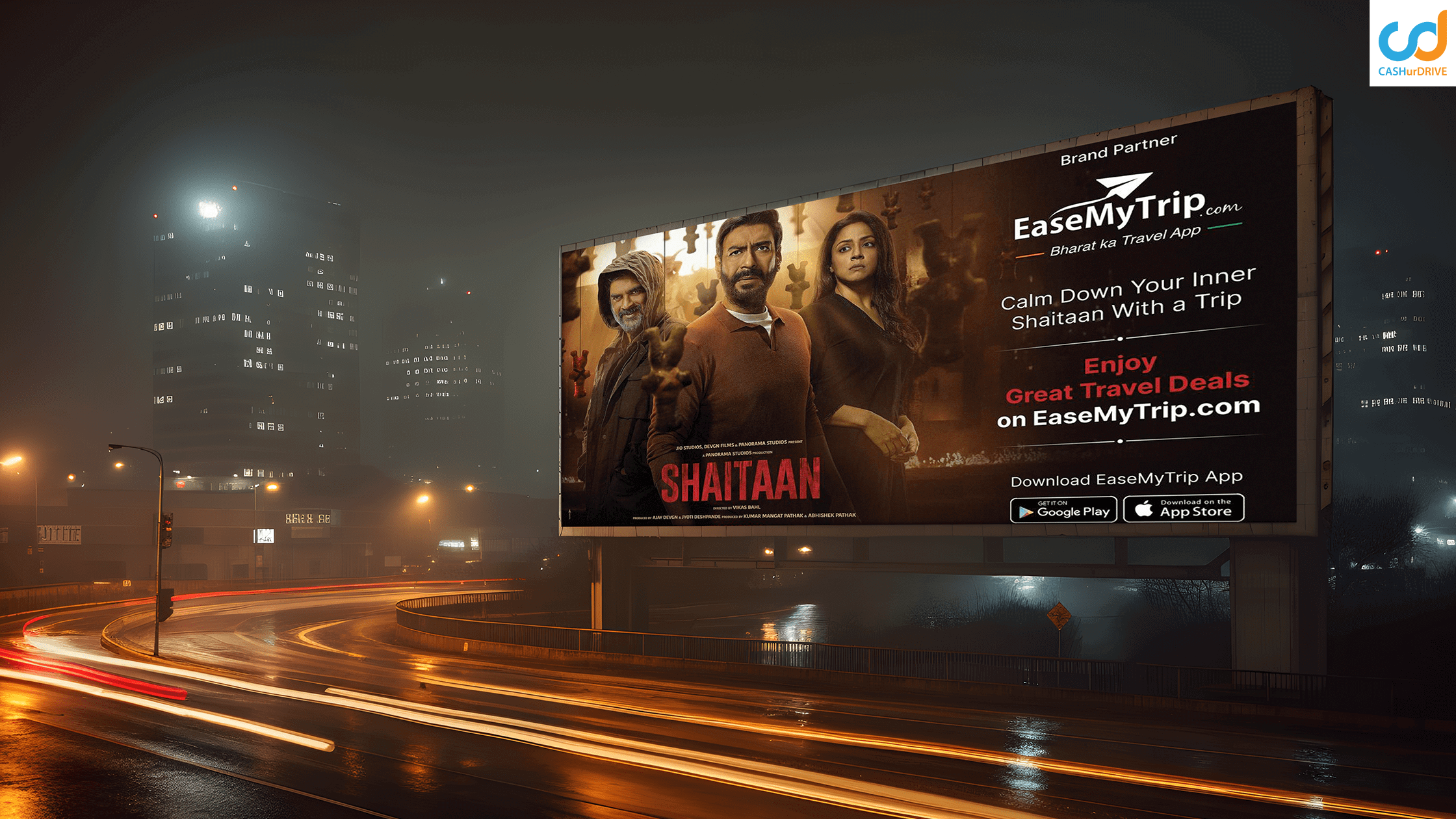
Highway & Expressway Advertising in India: Formats, Locations and Costs
 By Annu
Highway advertising in India puts brand ads on major roads and express routes. Each sign faces cars in motion. Drivers see the ad for 8 to 22 seconds. Cost per view is low on top express routes.
Highway advertising is a form of OOH. It puts brand ads on big road signs, bridges, and toll gates. It reaches drivers on the move between cities.
What this article covers:
This guide covers highway advertising in India – all main formats, cost ranges, top routes, and booking steps. It also explains how Atlas data picks the right site before your brief is written.
What Is Highway Advertising in India?
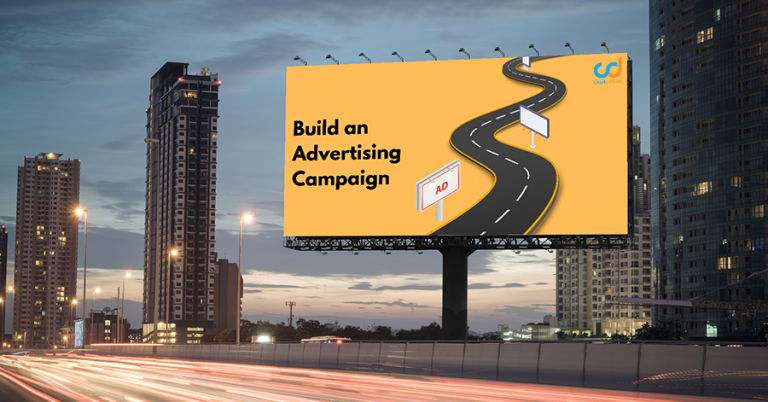
Highway advertising in India uses large OOH signs on national roads. These go on land beside the road, on road bridges, at toll gates, and on high frames.
India’s road network covers 1,46,145 km, per NHAI. Also, car counts on national roads have grown 8 to 10 per cent each year. As a result, highway advertising now reaches millions of cars each month.
Unlike city OOH, it reaches a fixed crowd. Cars move fast, but riders still have time. In fact, dwell is 8 to 22 seconds per sign. However, this means the copy must be short. Six to eight words is the rule.
CashUrDrive runs OOH advertising on highways across Delhi NCR, Mumbai, and Bangalore. Also, Atlas data checks the crowd on each route before any sign is booked.
Why Highway Advertising Works for Indian Brands
[IMAGE: Highway unipole visible at 200 metres with vehicle traffic on a major Indian expressway]
Highway advertising in India works for three main reasons.
Long view time.
A well-placed unipole shows from 200 to 500 metres away. At 80 km/h, each car gets 8 to 22 seconds of face time. In fact, this beats most digital display formats. As a result, the brand message has time to land.
High reach at low cost.
Highway advertising in India gives high reach at a low cost. For example, a top unipole on the Delhi-Mumbai road reaches 30,000 to 60,000 cars per day. However, the monthly rate is far less than a city sign with the same reach. Moreover, car counts on Indian express roads have grown since 2022, per NHAI.
Route-level audience pick.
Each road draws a set type of buyer. For example, the Yamuna Expressway links Delhi to Agra. This makes it the top route for NCR real estate and tour brands. In contrast, Mumbai-Pune carries high-income commuters and car buyers. Also, Atlas data checks who drives on any route before you book. As a result, highway advertising in India can be audience-first, not space-first.
Consequently, highway advertising in India is a strong fit for brands that need road reach at scale.
Ad Formats on Indian Highways and Expressways
[IMAGE: Collage — highway unipole, gantry panel, toll plaza hoarding, and digital screen on an Indian expressway]
In fact, six main formats are used in highway advertising in India. Each one suits a different campaign type.
Unipoles
Unipoles are the main format in highway advertising in India. These are large signs on a single steel pole. The pole stands 20 to 40 feet high. Also, the sign faces cars on both sides of the road. As a result, unipoles are the top pick for brand campaigns on express roads.
Gantry displays
Gantries span the full width of the road on overpasses. Moreover, they face all lanes and all cars. As a result, gantry ads are the highest-reach format in highway advertising in India. However, they cost the most.
Roadside hoardings
Backlit boards at 12×6 ft go on the road edge near junctions and toll gates. These are the lowest-cost entry to highway advertising in India. Also, they work well as add-on units next to a main unipole or gantry.
Toll plaza advertising
Toll gates create a natural stop. Cars wait 30 to 90 seconds at many toll booths. In fact, this is the longest highway advertising in India. As a result, toll gate panels suit long messages – real estate, finance, and service offers.
Digital LED screens (DOOH)
Digital screens are now at select toll gates and service stops. Indeed, DOOH allows time-of-day creative and multi-brand slots. Also, live creative can change by time or event. However, digital ad space in highway advertising in India is still limited to top routes. Only key express roads have it so far.
Bus shelters at highway service areas
Bus stops at highway dhabas hold people for 10 to 30 minutes. Also, they suit food and FMCG brands that target long-haul road users. As a result, these are often added to wider highway ad packages.
Highway Advertising in India: Costs at a Glance
[IMAGE: Split view — state highway backlit hoarding versus premium expressway unipole with indicative cost labels]
Highway advertising costs in India depend on the route and format type. In fact, rates on top express roads run three to five times more than on state roads. The table below gives rough cost ranges.
Format |
Route Type |
Monthly Rate (Indicative) |
|
Unipole (40×20 ft) |
State highway | Rs.30,000 – Rs.80,000 |
| Unipole (40×20 ft) | Premium expressway |
Rs.80,000 – Rs.2,50,000 |
|
Gantry |
Highway overpass | Rs.1,00,000 – Rs.3,50,000 |
| Backlit hoarding (12×6 ft) | Near toll plaza |
Rs.15,000 – Rs.45,000 |
|
Digital LED (DOOH) |
Premium expressway / toll |
Rs.1,20,000 – Rs.4,00,000 |
| Bus shelter | Highway service area |
Rs.10,000 – Rs.25,000 |
All rates are rough estimates. Also, ask CashUrDrive for live rates on your target route before you commit spend.
Furthermore, a 90-day run on highway advertising in India gives 15 to 20 per cent off versus three short 30-day runs. For a campaign on three or four express roads, this adds up. Also, most signs need a 30-day minimum run. However, DOOH screens may allow shorter slots at a higher daily rate.
See how highway advertising compares to city OOH on a cost-per-view basis. Billboard advertising costs in Indian cities run much higher per month for the same reach.
Best Expressways for Highway Advertising in India
[IMAGE: Map of India with major national highways marked — NH 48, Yamuna Expressway, Mumbai-Pune, Eastern Peripheral]
High-priority routes have the most car counts and the best ad impact. However, the right route depends on your target group and brand type.
Delhi-Mumbai Expressway (NH 48)
In fact, this is one of India’s longest road links at 1,350 km. It links Delhi, Jaipur, Ahmedabad, Surat, and Mumbai. Also, it is the main route for car, real estate, and FMCG brands in western India.
Yamuna Expressway
The Yamuna Expressway runs 165 km from Greater Noida to Agra. Moreover, it carries about 45,000 cars per day. Also, it is the top highway route for NCR real estate and tour brands.
Mumbai-Pune Expressway
The Mumbai-Pune Expressway handles about 90,000 cars per day. In fact, this is one of the busiest express roads in India. However, ad space is tight – book 60 to 90 days ahead. Also, the crowd skews toward high-income commuters and car buyers.
Delhi-Meerut Expressway
The Delhi-Meerut Expressway covers 96 km from East Delhi to Meerut. As a result, it is the main route for brands in NCR’s east belt. It works well for education, real estate, and FMCG. Also, it links to the Eastern Peripheral Expressway.
Eastern and Western Peripheral Expressways
These two ring roads go around the Delhi NCR region. Subsequently, they are the top route for brands targeting Gurugram, Faridabad, Ghaziabad, and Noida.
Lucknow-Agra Expressway
The Lucknow-Agra Expressway runs 302 km. Also, it links Lucknow, Kanpur, and Agra. It is the main highway for UP-focused brand campaigns and Tier 2 city reach.
For state road campaigns, costs are lower and ad space is easier to find. However, these routes carry fewer cars. In addition, Atlas data checks if a state road is dense enough for your brand type before you book.
Which Brands Use Highway Advertising in India?
[IMAGE: Split highway brand use cases — real estate unipole, automotive gantry, FMCG hoarding at toll plaza]
Highway advertising in India draws several brand types. However, five of them see the best results.
Real estate brands
These are the biggest users of highway advertising in India. Their project sites are often on highway routes. So buyers see the ads when they drive out of the city. For example, NCR projects run on the Yamuna Expressway and NH-24.
Automotive brands
New car and bike launches run on national highway routes. In fact, car-buying intent is highest on express roads. People on express roads are already in a car-using mindset. Also, car dealers use roadside advertising on state roads near their sites.
FMCG and consumer brands
These brands use highway advertising in India for launch and re-launch campaigns. For example, food, drink, and care brands target road users on NH 44 and NH 48. As a result, highway signs add to city OOH during peak times.
Travel, hospitality, and tourism brands
These run ads on the most-used travel routes. For example, hotels run on the Yamuna Expressway near Agra. Also, hill resort brands run on Delhi-Dehradun and Delhi-Shimla routes.
Telecom and technology brands
These run national reach campaigns on all major highway routes. In fact, highway advertising in India gives them mass reach. Cost per view is low. Also, 5G and phone launch campaigns have led the tech type on express roads since 2023.
How to Book Highway Advertising in India
[IMAGE: Five-step booking flow for highway advertising in India — route, Atlas check, format, creative, report]
Effective highway advertising in India starts with a route check. However, the key question is not which road has free signs. Instead, it is which road carries your target group.
CashUrDrive uses Atlas geofencing and RWI scoring to check car flow on any target road. Also, Atlas checks if your target NCCS group is on that route before any booking. Use the outdoor advertising cost calculator for a wider cost guide across OOH formats.
Step 1: Name your route and target group.
Name the NCCS tier and the target road. Also, name the brand type. This drives sign selection. Say if you want long-haul road users or daily commuters.
Step 2: Atlas route check.
Confirm your target group is on your target road. As a result, this step cuts guesswork from sign pick. Also, Atlas shows which 10-km stretch has the most of your target group.
Step 3: Format and sign pick.
Choose formats based on car speed and campaign goal. For example, brand-awareness campaigns suit a unipole. In addition, a call-to-action campaign suits a toll gate panel. Dwell is long enough there for a QR code or phone number.
Step 4: Creative specs.
Highway ads must read clearly at 200 metres. Also, they need to work in full daylight and at night. In addition, keep a copy to six to eight words. This is the rule for highway advertising in India at speed.
Step 5: Run and report.
Post-install photos and car count data are sent at the end of the campaign. Also, Atlas post-campaign data shows how many target cars passed each sign in the booking window.
Frequently Asked Questions
Q1: What is highway advertising in India?
Highway advertising in India is the use of OOH signs on national roads and express routes. Formats include unipoles, gantry panels, backlit boards, and digital screens. India’s road network covers 1,46,145 km, per NHAI. Highway advertising in India reaches drivers on the move between cities. Ad space is booked through outdoor media firms such as CashUrDrive.
Q2: How much does highway advertising cost in India?
Highway advertising costs in India start from about Rs.15,000 per month. This is for a backlit board near a toll gate on a state road. Top express road unipoles range from Rs.80,000 to Rs.2,50,000 per month. Gantry ads on road bridges can reach Rs.3,50,000 per month. Final rates depend on the route, format, size, and length of run.
Q3: Which highways are best for advertising in India?
The best highways for advertising in India are the Delhi-Mumbai Expressway and the Yamuna Expressway. Also, the Mumbai-Pune Expressway and the Delhi-Meerut Expressway are top picks. Furthermore, both Peripheral Expressways rank high for NCR reach. These routes have the most cars and reach the best groups for national and regional brand campaigns.
Q4: What ad formats are used in highway advertising in India?
Highway advertising in India uses six main formats. These are unipoles, gantry panels, backlit boards, toll gate displays, digital screens, and bus stops at service areas. Unipoles are the most common on national roads. Gantries give the widest road cover. Digital screens are limited to top express roads and select toll gates.
Q5: How long should a highway advertising campaign run?
A highway advertising campaign in India needs at least a 30-day run. However, a 90-day run gives 8 to 12 views per regular car on the same route. This builds brand recall well on busy roads. As a result, 60 to 90 days is the top pick for high-traffic express routes.
Q6: How does Atlas improve highway advertising in India?
CashUrDrive’s Atlas uses device-level geofencing and NCCS profiling. It checks who drives on a target road before the brief is written. Moreover, Atlas finds the 10-km stretch with the most of your target group. As a result, highway advertising in India with Atlas is audience-first, not space-first.
Conclusion
Highway advertising in India gives brands a set crowd and long view time. Cost per view is low on top express routes. Also, it beats city OOH on cost for the same reach count.
The best highway advertising in India campaigns match format to car speed. Also, they match route to the target group. In addition, creative is short – six to eight words for clear read at 80 km/h.
Atlas data removes guesswork from highway advertising in India site selection. As a result, you confirm your target group is on that route before you spend.
Get route and format advice for highway advertising in India in your target corridor. Request a free Atlas audience map – CashUrDrive confirms route-level data and rates before your brief is written.
Author: CashUrDrive Editorial Team
This article was produced with AI assistance and reviewed by the CashUrDrive editorial team.