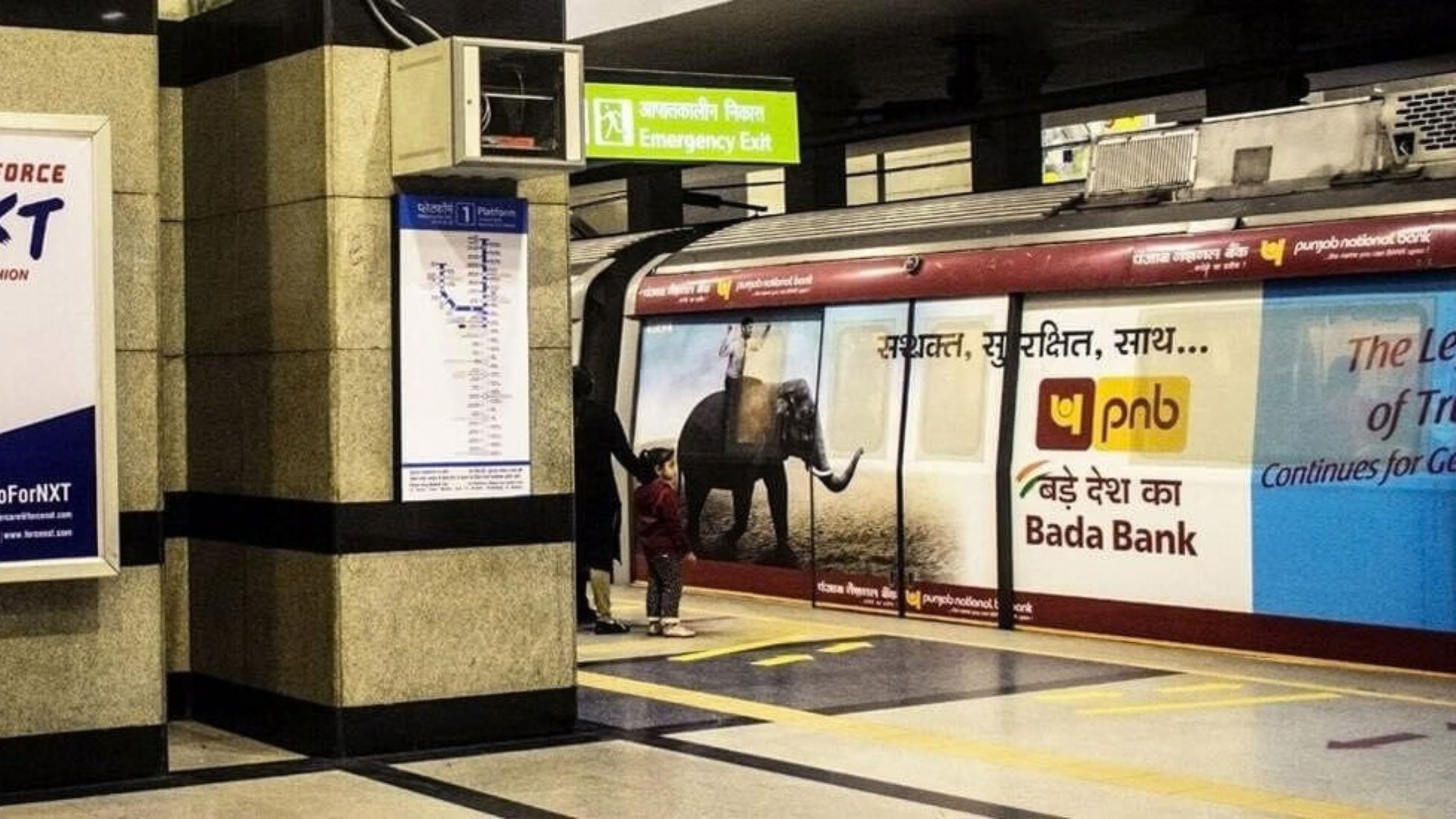
Railway Station Advertising in India: Costs, Formats and Brand Opportunities
 By Annu
Railway station advertising in India puts brand ads in front of about 24 million train riders each day across 8,000+ Indian stations. Each one is a high-traffic ad space with long dwell times and far lower cost per view than digital.
Railway station advertising is a form of out-of-home (OOH) advertising. It places brand ads on platforms, halls, foot-over bridges, and screens. These reach riders at rest – not in motion.
What this article covers:
Railway station advertising in India uses formats such as backlit panels, LED screens, and wall displays. Costs start from about Rs.15,000 per month. Rates vary by station rank, format type, and campaign length. This guide covers all formats, costs, top stations, and booking steps.
What Is Railway Station Advertising?
Railway station advertising places brand ads across train station grounds. These go on platforms, halls, bridges, and screens. In short, it is part of the out-of-home (OOH) ad space.
Indian Railways ranks each station from A1 to F. Rank depends on ticket sales and traffic. As a result, A1 stations see the most riders. These include Mumbai CSMT, New Delhi, Howrah, Chennai Central, and KSR Bangalore.
Ad space at Indian stations is managed by IRCTC, IRSDC, and approved ad firms. CashUrDrive places transit media advertising campaigns at key city stations. Also, Atlas data is used to check audience fit before any panel is booked.
According to Media4Growth, India’s OOH market is worth about Rs.4,500 crore per year. Moreover, it grows 12-15% each year. As a result, railway station advertising is a fast-growing part of this market.
Why Railway Station Advertising Works
Three things make railway station advertising strong for brand campaigns.
Long dwell time.
In fact, riders wait 15 to 45 minutes at most stations. That is far more time than a road billboard gets. For example, a road ad gets two to three seconds of eye time. In contrast, a station panel gets read in full.
High repeat exposure.
Daily riders pass the same station five to six days per week. As a result, a four-week campaign gives 8-12 ad views per rider. However, station ads cost far less per view than digital display.
Wide audience mix.
In fact, Indian Railways serves all income groups. A1 stations carry many upper-mid-income riders on fast trains. Also, commuter lines reach mass-market groups at scale. Railway station advertising works for both FMCG brands and premium ones.
Consequently, these three traits make railway station advertising one of the most cost-effective OOH formats in India.
Ad Formats at Indian Railway Stations
In fact, rail stations offer six main ad formats. Each one suits a different goal.
Platform hoardings
These are panels at platform edges. They face seated and standing riders. Also, they come in lit and unlit types. As a result, platform hoardings cost the least per view in railway station advertising.
Concourse displays
Moreover, large panels go in the main hall between the gate and the platforms. They reach all visitors, not just those on one platform. As a result, they work best for brand launch campaigns.
Foot-over bridge (FOB) branding
FOB panels sit on the walkways that link platforms. They give eye-level views as riders walk past. Also, avoidance is low – the path is enclosed.
Digital LED screens (DOOH)
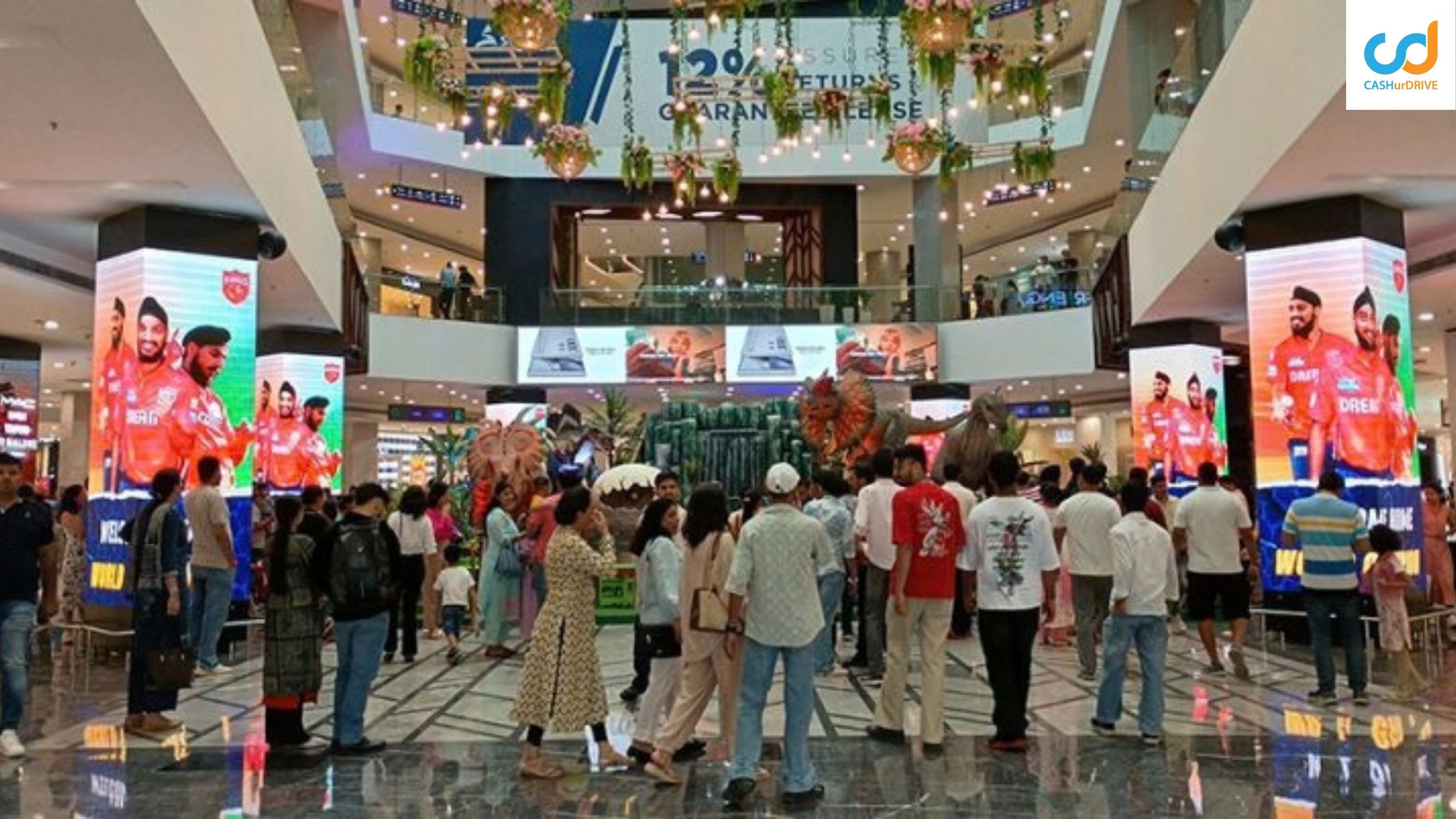
Indeed, DOOH screens are now live at A1 and A rank stations. They allow live creative and time-of-day slots. Also, they let multiple brands share one screen. As a result, digital is the fastest-growing format in railway station advertising today.
Waiting hall panels
Lit or unlit panels inside waiting rooms get the most dwell time of all formats. In fact, they work best for service ads – banking, health, and insurance. Riders here have time to read a long message.
Pole kiosks
These small displays fix to platform pillars. Also, they give a high number of ad views per platform area. Therefore, they work well as add-ons to bigger concourse formats.
Railway Station Advertising Costs in India
Railway station advertising costs in India depend on four things: station rank, format type, panel size, and campaign length. In fact, the table below shows indicative market rates. Final costs are set at booking based on current supply.
Format |
Station Rank |
Monthly Rate (Indicative) |
Platform hoarding (backlit, 4×6 ft) |
B / C rank |
Rs.15,000 – Rs.40,000 |
Platform hoarding (backlit, 4×6 ft) |
A / A1 rank |
Rs.40,000 – Rs.1,20,000 |
Concourse display (large format) |
A / A1 rank |
Rs.60,000 – Rs.2,00,000 |
FOB panel (foot-over bridge) |
A / A1 rank |
Rs.25,000 – Rs.80,000 |
Waiting hall panel (backlit) |
A / A1 rank |
Rs.30,000 – Rs.1,00,000 |
Digital LED screen (DOOH), per slot |
A1 rank only |
Rs.1,00,000 – Rs.4,00,000 |
Pole kiosk (platform pillar) |
B / C rank |
Rs.8,000 – Rs.20,000 |
All figures are indicative. Also, ask CashUrDrive for verified rates at your target stations.
Furthermore, a 90-day booking gives a 15-20% cost edge over three 30-day buys. For large campaigns, this cuts the cost per thousand views by a lot. Also, most rail station ad space needs a 30-day minimum. However, DOOH screens may allow shorter slots at higher rates.
According to AdQuick’s 2026 market report, digital fatigue is cutting social media CTR by about 33% and raising CPC by about 20%. As a result, this shift is moving more brand spend toward OOH formats like railway station advertising.
Best Railway Stations for Advertising in India
A1 rank stations have the most riders and the best ad impact. As a result, they are the right start for national campaigns or city launches.
Mumbai
In fact, CSMT handles over 3 million riders per day. It is one of Asia’s busiest rail stations. However, rates here sit at the top of the scale. Also, Dadar and Bandra add reach on the Western Line.
Delhi
New Delhi Station handles about 500,000 riders each day. Also, Hazrat Nizamuddin and Old Delhi add cover across NCR. Furthermore, all three reach the main Delhi commuter and long-haul audience.
Kolkata
Howrah and Sealdah handle over 1 million riders daily between them. As a result, they are the main rail hubs in east India. For example, FMCG brands run high-frequency campaigns at both stations.
Bangalore
KSR City Junction is the top long-haul station. Also, Yeshwanthpur adds city reach. Subsequently, both cover the Bangalore tech belt audience.
Chennai
Chennai Central and Chennai Egmore cover both main rail routes into the city. Subsequently, they reach the full Chennai urban zone.
Hyderabad
Secunderabad and Kacheguda serve the main ad market here. Also, both reach the upper-mid-income segment in IT and pharma.
For city campaigns, B and C rank stations in Tier 2 cities – Jaipur, Lucknow, Nagpur, Coimbatore, and Indore – cost far less. Also, they give strong local reach for city-specific brand work.
Which Brands Use Railway Station Advertising?
Rail stations serve a wide audience. However, some brand types see the best return from railway station advertising.
FMCG and consumer brands
These brands gain from the scale of daily views. For example, a national rail station campaign can deliver 40-60 million gross views per month. As a result, this reach at low cost per view is the core case for railway station advertising.
Fintech and banking brands
These use rail stations to reach the rising-income segment of India’s urban population. In fact, this group uses UPI and banking apps. Also, it responds well to trusted brand ads at a point of long dwell.
Real estate brands
These run ads at main junction stations to reach home buyers. Also, buyers who commute from outer suburbs pass through these hubs. For example, New Delhi and Dadar work well for NCR and MMR projects.
Education and coaching brands
These run ads at Tier 2 city stations. Also, their target – students on intercity trains – is at these stations often. In addition, waiting hall panels give enough read time for detailed course ads.
D2C, e-com, and telecom brands
These use rail stations for high-frequency brand campaigns. In fact, railway station advertising builds reach fast. As a result, it is well-suited for new launches and sale campaigns.
How to Book Railway Station Advertising in India
Effective railway station advertising starts with an audience check – not a stock search. However, the key question is not which station has free panels. Instead, it is which station’s audience fits your campaign target.
CashUrDrive’s Atlas platform uses device-level geofencing and RWI scoring. It checks audience profiles at each station. Before any panel is booked, Atlas confirms your target NCCS group is there. See metro train advertising and OOH planning guides for more on audience-first booking.
Step 1: Set your audience group.
Name the NCCS tier, city, and rider type – long-haul, suburban, or daily commuter. This is the brief that drives site selection.
Step 2: Atlas audience check.
Confirm your target group is present and dense enough at the key stations. Also, this step comes before any booking. As a result, it removes the guesswork from site pick.
Step 3: Format and stock pick.
Choose formats based on dwell time goal and visibility need. For example, platform hoardings suit high-frequency reach. Also, concourse panels suit brand launch. DOOH screens suit live creativity.
Step 4: Creative work.
Rail station ads must be clear at 3-10 metres. Also, they need to work in both day and indoor light. In addition, keep the message short – six to eight words is the ideal for platform hoardings.
Step 5: Run and report.
Post-install photos and impression data are standard at the end of the campaign. Also, Atlas post-campaign data shows footfall and brand lift at key sites.
Lead time for static railway station advertising formats is 7-14 days. However, DOOH slots need 3-4 weeks due to creative sign-off.
Get format and location advice for railway station advertising in your target city. Request an Atlas audience map – CashUrDrive will confirm station-level audience data and indicative rates before your brief is written.
Frequently Asked Questions
Q1: What is railway station advertising in India?
Railway station advertising in India is the placement of brand ads – hoardings, LED screens, and backlit panels – at train stations across the country. Indian Railways moves about 24 million riders each day. This makes rail stations one of the highest-traffic OOH ad spaces in India. Ad space is managed by IRCTC, IRSDC, and approved outdoor ad firms such as CashUrDrive.
Q2: How much does railway station advertising cost in India?
Railway station advertising costs in India start from about Rs.15,000 per month for a backlit panel at a B or C rank station. At A1 stations such as CSMT Mumbai, LED screen slots range from Rs.1,00,000 to Rs.4,00,000 per month. Final rates depend on station rank, format type, panel size, and campaign length.
Q3: Which railway stations are best for advertising in India?
The best railway stations for advertising in India are A1 rank stations with the most daily riders: CSMT Mumbai, New Delhi Station, Howrah Junction, KSR Bangalore City Junction, Chennai Central, and Secunderabad. For Tier 2 city campaigns, stations in Jaipur, Lucknow, Nagpur, and Coimbatore offer strong local reach at much lower rates.
Q4: What ad formats are available at Indian railway stations?
Indian railway stations offer platform hoardings, backlit panels, concourse displays, foot-over bridge (FOB) branding, digital LED screens, waiting hall panels, and pole kiosks. Format types vary by station rank. A1 stations offer the full range, including DOOH screens. B and C rank stations mainly offer static backlit and hoarding formats.
Q5: How long should a railway station advertising campaign run?
A railway station advertising campaign in India needs a 30-day minimum booking. Most brands run for 60 to 90 days to build enough frequency with regular riders. A daily rider sees the same railway station advertising panel 8-12 times per month. As a result, 30 days is the minimum useful window for brand recall to build.
Q6: Can I target a specific audience with railway station advertising?
Yes. CashUrDrive’s Atlas platform uses device-level geofencing and NCCS profiling to check if your target group is at specific stations before you book. Atlas moves you from stock-first to audience-first planning. Your spend goes where your audience travels – and you have data to prove it.
Conclusion
Railway station advertising gives brands a dense, high-dwell ad space. Also, cost per view compares well with digital display and road OOH.
The best railway station advertising campaigns match format to dwell time. They also match station rank to target audience. In addition, creative is set up for long-range read in mixed light.
Atlas data removes the guesswork from railway station advertising site selection. As a result, you check your audience before you commit your spend.
Get format and location advice for a railway station advertising campaign in your target city. Request a free Atlas audience map – CashUrDrive will confirm station-level audience data and indicative rates before your brief is written.
Author: CashUrDrive Editorial Team
This article was produced with AI assistance and reviewed by the CashUrDrive editorial team.