Mall Advertising Cost in India: A Format-by-Format Guide for 2026
 By Annu
Mall advertising cost in India starts at ₹20,000 per month for corridor panels. At premium malls, atrium branding reaches ₹15 lakh per month. Mall advertising is a form of indoor OOH. It places brand messages inside shopping malls. Buyers stay two to four hours on site. In contrast, a roadside billboard holds attention for two to four seconds. That dwell gap is why mall media works.
What this article covers:
This guide covers five mall formats. It shows the 2026 rate card by format and city tier. It also lists the malls that give the best ROI. Finally, it explains how Atlas checks fit before any booking.
India has 700+ malls in operation.
The Retailers Association of India (RAI) tracks that count. Indeed, that makes India one of the largest indoor OOH markets in Asia. Yet most brands still pick mall venues on name alone. This guide changes that.
What Is Mall Advertising?
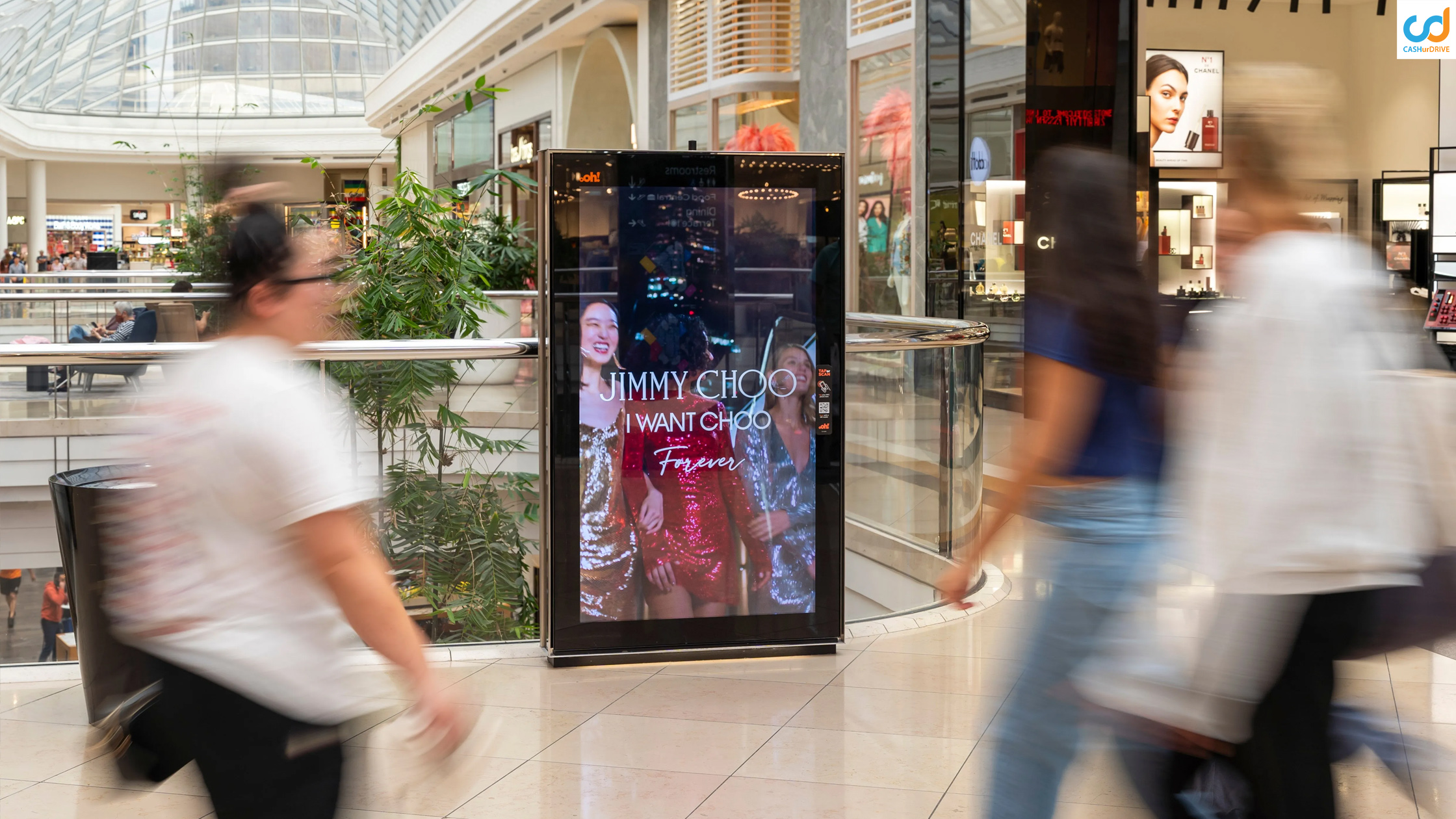
Mall advertising puts brand messages at fixed and digital spots inside shopping malls. Buyers there made an active choice to come. Indeed, that choice sets this format apart from every other OOH channel. A highway billboard reaches whoever passes. A mall visitor, however, came with a plan to buy. Because of that, mall buyers carry higher purchase intent.
At CashUrDrive, we plan mall campaigns alongside OOH advertising and DOOH advertising. Mall placements handle the intent layer. Transit and billboard placements build city-wide reach. Together, the two approaches do what neither covers alone.
Mall formats also let brands run live events. For example, brands can add sampling booths. Product demos attach to any panel or screen booking too. As a result, campaigns can turn browsers into buyers in the same visit. No static billboard or transit format offers that mix.
Mall Advertising Formats in India
Atrium Branding
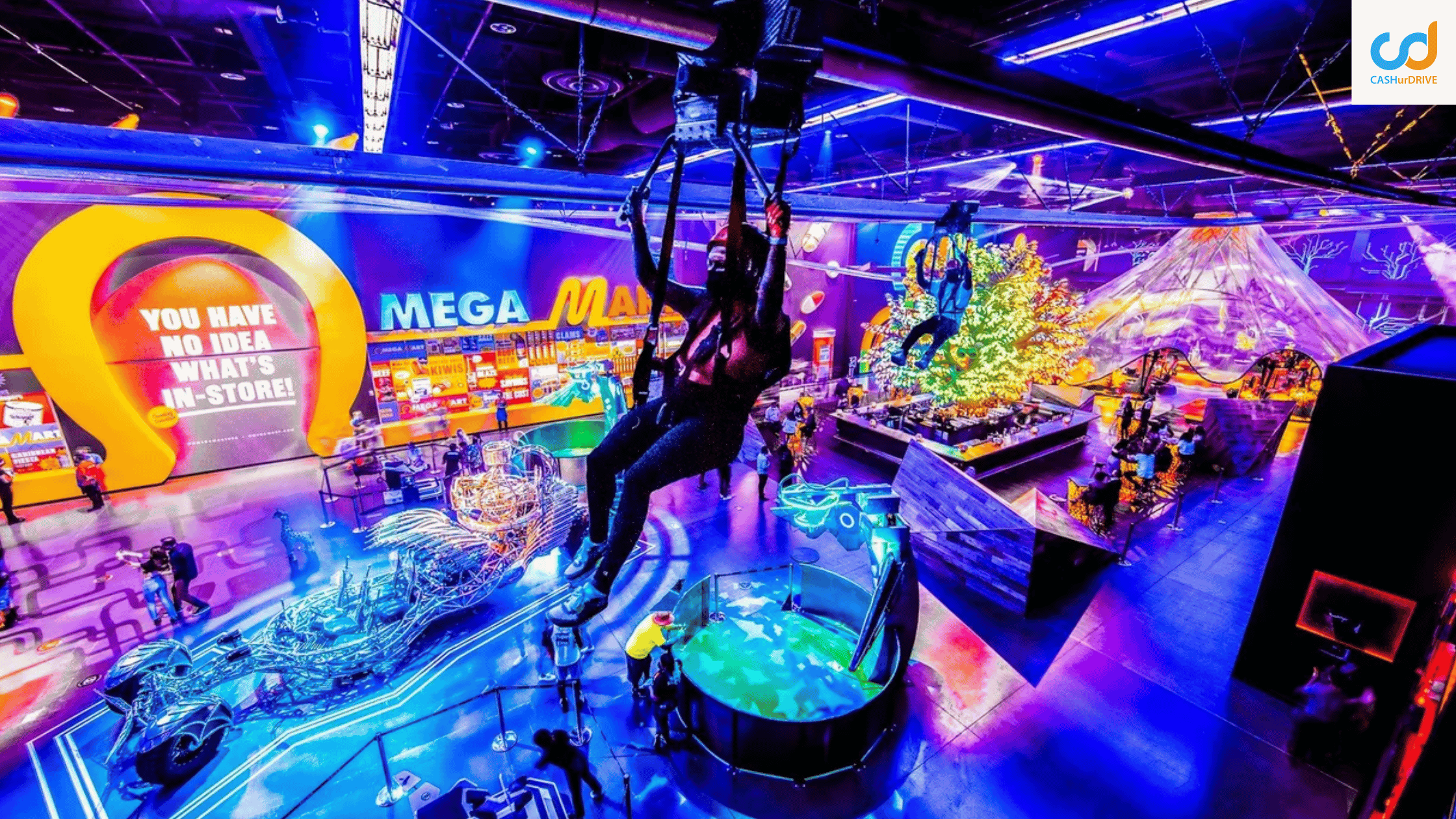
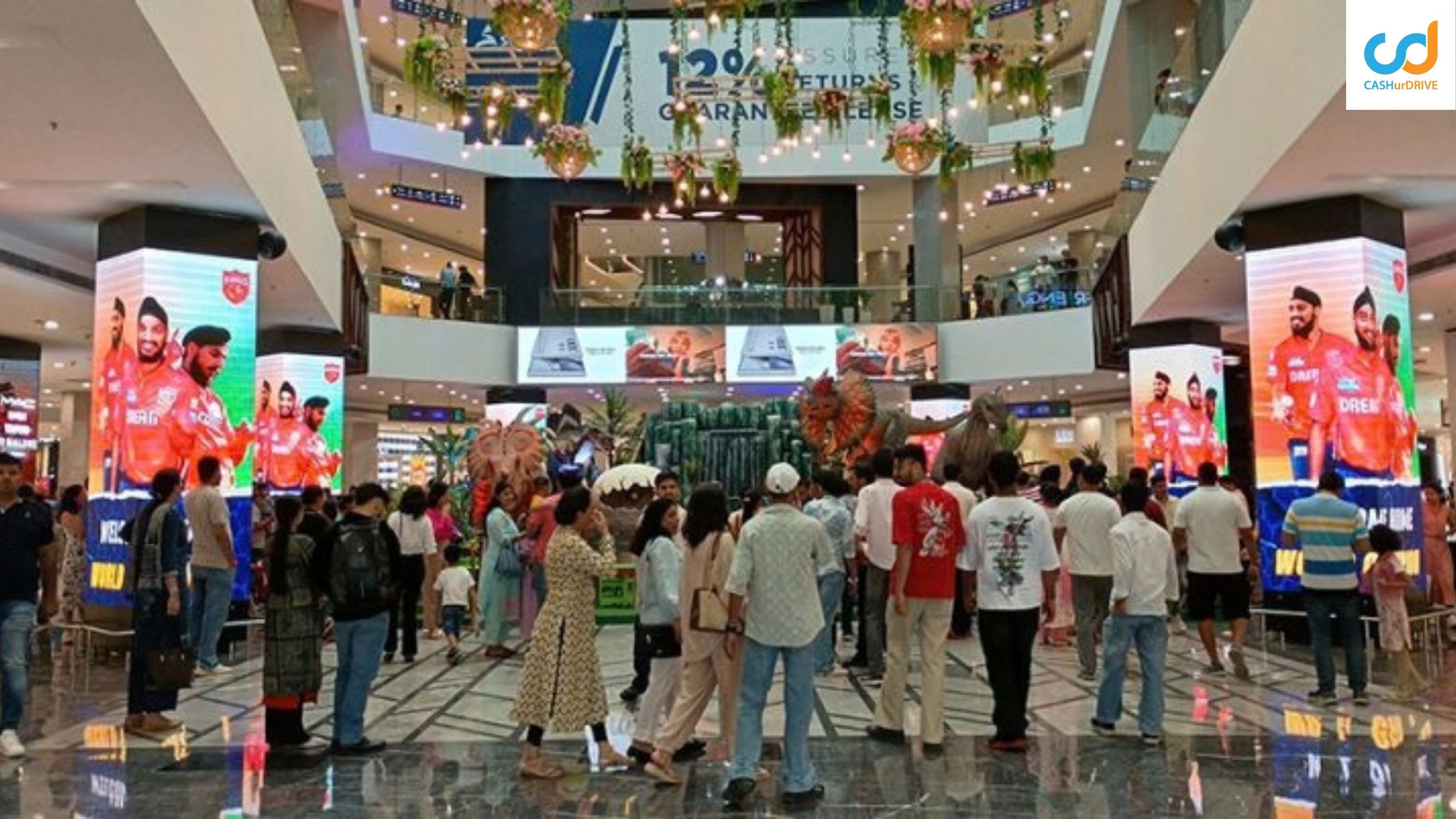
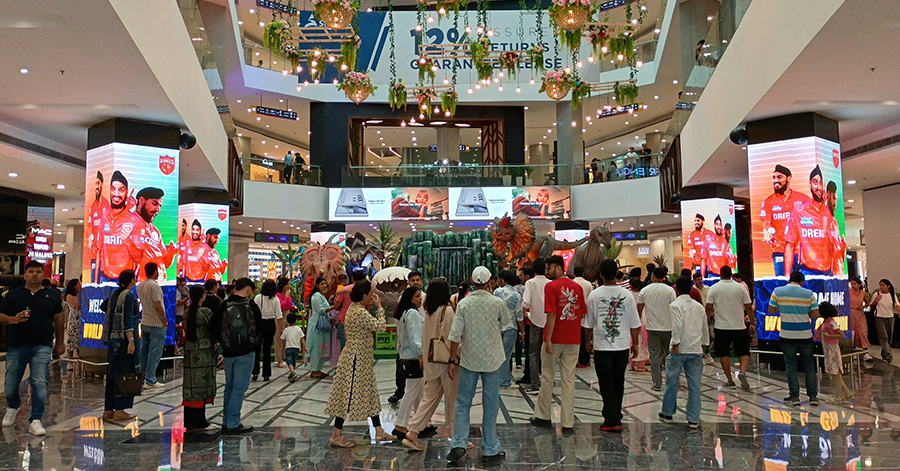
Atrium branding fills the open central space of a mall. Indeed, the atrium is the highest-traffic spot in any shopping mall. Large backlit boards and brand installs run here. Because every visitor passes through, this format reaches 100% of daily footfall. For example, a top Delhi mall can draw over one million visitors per month.
Digital LED Screens
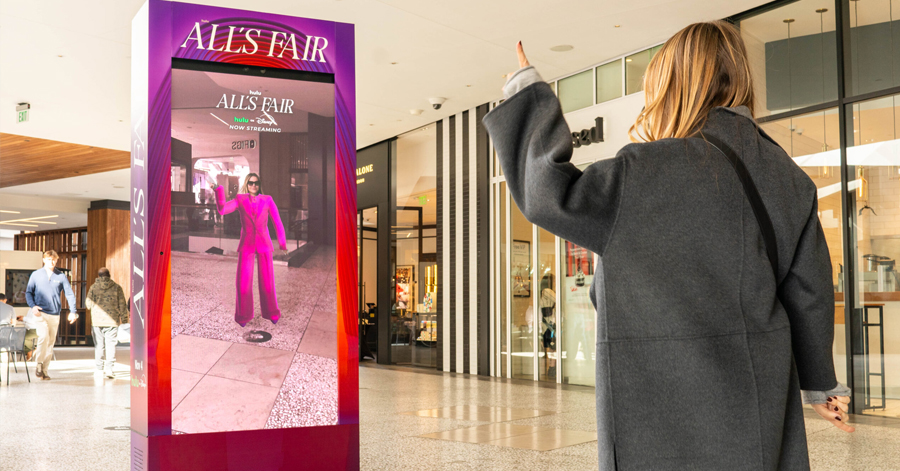
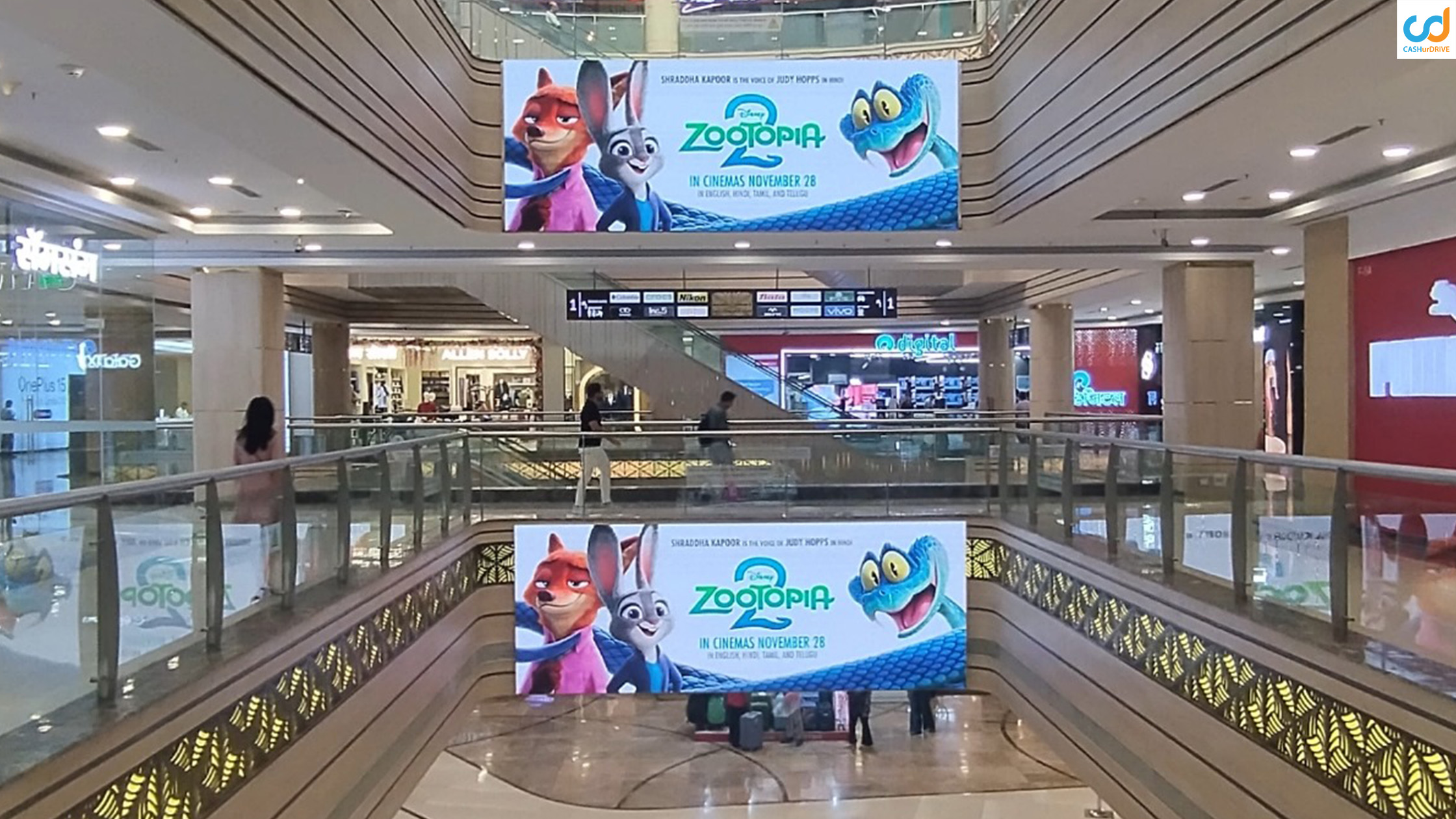
Digital screens run on LED panels at mall entrances, food courts, and corridors. They work well for FMCG and D2C brands. Because screens rotate across brands, each brand pays less. This costs less than a full static panel.
According to Broadsign’s 2025 DOOH Report, dynamic creative drives 47% more impact than static formats. Static ads fall short. As a result, digital slots give a strong ROI for short-burst campaigns.
Escalator Panel Advertising
Escalator panels appear at every floor change. As a result, the same visitor sees the message two to four times. That raises brand reach. The view time per ride is three to five seconds. Still, frequency is high because escalator rides repeat on a shopping trip. Escalator panels are therefore a strong backup format. They back up the main brand message at every level.
Entrance and Exit Branding
Entrance branding covers gates, doors, and entrance foyers. Because every visitor enters and exits the same way, two brand touches happen. That doubles reach per visit. In fact, entrance branding has the highest reach rate of any mall format. Premium malls like Phoenix Palladium Mumbai offer full entrance gate takeovers. These give the brand first and last word on every visit.
Retail Corridor Panels
Corridor panels line the main walkways between anchor stores. They reach shoppers during the browse phase. For example, an FMCG brand near a food court corridor reaches buyers. They are at the point of decision. Similarly, fashion brands place corridor panels near apparel stores. That placement catches category buyers before they enter a rival outlet.
Mall Advertising Cost in India: Rate Guide by Format
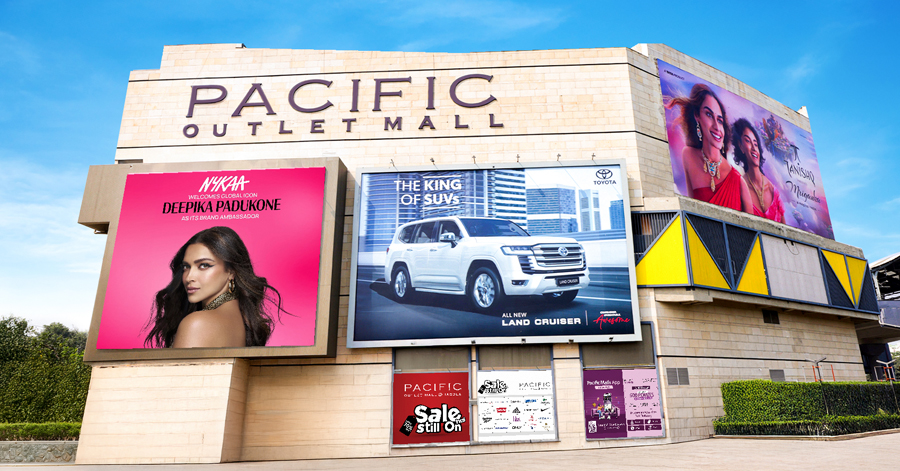
Mall advertising cost in India varies by format, mall tier, and city. Rates below are from CashUrDrive media planning data for 2026. They cover Tier 1 and Tier 2 malls across the country.
| Format | Monthly Cost Range | Best Suited For |
Booking Lead Time |
|
Atrium Branding |
₹3-15 lakh | Brand launches, D2C, fintech, luxury | 4-6 weeks |
|
Digital LED Screens |
₹50,000-2.5 lakh/slot | FMCG, D2C, entertainment, banking | 2-3 weeks |
|
Escalator Panels |
₹25,000-1 lakh/panel | Frequency reinforcement, fashion | 2-4 weeks |
| Entrance Branding | ₹1-5 lakh | High-impact awareness, brand takeovers |
3-5 weeks |
| Corridor Panels | ₹20,000-80,000/panel | Category targeting, FMCG, pharma |
2-3 weeks |
| Food Court Boards | ₹30,000-1.5 lakh | QSR, snacks, beverages, FMCG |
1-2 weeks |
Mall advertising cost in India for Tier 1 malls is 30-50% higher than for Tier 2 malls. For example, Tier 1 Delhi NCR atrium branding runs at ₹8-15 lakh per month. Mumbai Tier 1 malls match that range. Tier 2 malls in Pune or Chandigarh, however, run at ₹2-5 lakh for the same format. Before locking any plan, also review outdoor advertising services. That gives the full cross-format cost picture.
Atrium branding slots must be booked six to eight weeks ahead. Entrance gate slots also need that lead time. For festive seasons like Diwali or Navratri, book eight to twelve weeks out. When booking later, Tier 2 corridor slots are still open. Three weeks is the typical lead time. Digital screen slots are also open in most cases.
Which Malls Give the Best Advertising ROI in India?
Mall advertising cost in India gives the best ROI at Tier 1 malls. These target SEC A and B buyers. Indeed, they are the first pick for D2C, fintech, and luxury brands.
Tier 1 premium malls – highest footfall, SEC A and B profile
In Delhi NCR, Select CityWalk Saket leads on footfall and buyer profile. DLF Promenade Vasant Kunj ranks second. In Mumbai, Phoenix Palladium Lower Parel and Seawoods Grand Central are top picks. Similarly, Forum Mall Koramangala draws strong young office-crowd footfall. Phoenix Marketcity Whitefield is also a top Bangalore pick. Elante Mall Chandigarh also ranks high for North India reach outside Delhi.
Tier 2 malls – mid-income urban catchments, strong FMCG and pharma profile
Mid-tier malls serve dense home-area catchments in Pune, Hyderabad, and Jaipur. Because their visitors are mid-income urban buyers, they work well for FMCG and pharma. Mass-market brands also do well there. Before booking a Tier 2 mall, Atlas checks the buyer profile at that location. That step confirms fit without relying on catchment guesses.
How Atlas Verifies Mall Campaign Buyers
Most brands pick mall venues on property name alone. That is a risk. Instead, CashUrDrive’s Atlas platform brings verified data to every mall booking. This happens before any budget is set.
First, Atlas uses geofencing to find which buyer groups visit the target mall. Second, NCCS profiling sorts those visitors by income tier and spend type. Third, RWI scoring matches their travel patterns against the brand’s buyer profile. Together, these three checks confirm whether the mall’s buyers fit the campaign brief.
After the campaign, Atlas tracks footfall lift at brand stores within 30 days. In FMCG campaigns, Atlas data shows a 14-20% footfall uptick. Indeed, that figure is measured within 30 days of campaign close. That closes the ROI gap that indoor formats have long left open. Request an Atlas buyer map for your target mall before the budget is spent.
Mall Advertising vs. Other OOH Formats
Mall advertising cost in India is higher per impression than transit or billboard formats. Still, the buyer intent gap justifies the premium. A highway billboard reaches whoever passes. A mall visitor, however, chose to be there. Because of that, indoor formats give stronger impact per impression.
According to Talon OOH’s 2026 Trust Report, 58% of buyers trust OOH advertising. In fact, high-dwell indoor formats raise that trust level even further. When visitors are on-site with no scroll fatigue, brand messages land with higher recall. According to Talon OOH, high-attention formats give 40% better recall than low-attention ones.
Instead of running either channel alone, brands combine mall and transit campaigns. That pairing covers intent and reach. Also review OOH advertising cost before locking the channel split.
Frequently Asked Questions
Q1: What is mall advertising cost in India?
Mall advertising cost in India starts at ₹20,000 per month. That rate covers a corridor panel at a mid-tier mall. At a premium Tier 1 mall, atrium branding can reach ₹15 lakh per month. The rate varies by format, mall tier, and city. Tier 1 malls in Delhi NCR, Mumbai, and Bangalore carry the highest rates. Tier 2 malls in Pune, Chandigarh, and Jaipur run at 30-50% lower rates. All rates are based on CashUrDrive media planning data for 2026.
Q2: Which mall advertising format is most effective?
Atrium branding reaches 100% of mall footfall. Every visitor passes through the central space, so none are missed. For frequency, escalator panels repeat the brand message at each floor change. For targeting, digital screens allow time-of-day rotation. The mall advertising cost in India for digital screens is lower per slot. Brands share a rotation, so each pays less. Together, most CashUrDrive plans use two formats. One covers total reach. The other covers the browse phase.
Q3: How does mall advertising compare to billboard advertising?
Mall advertising reaches a pre-qualified, in-buying-mode crowd. Buyers there stay two to four hours on site. Billboard advertising, however, gives mass-market reach at a lower cost per impression. According to Talon OOH’s 2026 Trust Report, high-attention OOH formats give 40% stronger recall. Low-attention formats fall short of that mark. Mall advertising cost in India is higher per impression. Still, it gives stronger impact for brands targeting purchase-ready urban buyers.
Q4: Can D2C and smaller brands afford mall advertising?
Yes. D2C brands can keep mall advertising cost in India low. Corridor panels and food court boards start at ₹20,000 per month at mid-tier malls. Digital screen slots also work for smaller budgets because brands share a screen rotation. Before committing, Atlas checks the buyer profile at any target mall. That step confirms fit before spending.
Q5: How far in advance should a mall campaign be booked?
Atrium branding slots need six to eight weeks to book. Entrance gate slots need the same lead time. For festive periods like Diwali and Navratri, book eight to twelve weeks out. Mall advertising cost in India for festive slots rises as stock fills. Book early to lock the best rate. Mid-tier corridor slots are open two to three weeks ahead. Digital screen slots are also open in most cases.
Q6: How does CashUrDrive measure ROI from mall advertising?
After the campaign, Atlas tracks retail footfall lift at brand stores. Results come within 30 days of close. Before the campaign, Atlas uses geofencing and NCCS profiling. That check shows which buyer groups visit the target mall. After the campaign, Atlas reports footfall change against the pre-campaign baseline. Mall advertising cost in India is therefore tied to a verified outcome. An impression count alone is not enough.
Conclusion
Mall advertising fills a gap that no billboard or transit format can. Dwell time is long. Buyer intent is high. Formats range from mass-reach atrium branding to category-targeted corridor panels. Because Atlas checks the buyer profile before any booking, campaigns start with confirmed reach. No guesswork is needed.
CashUrDrive matches mall advertising cost in India to confirmed data at each mall. We plan campaigns at top malls in Delhi NCR, Mumbai, Bangalore, and Pune. Get format and location picks for your next campaign. Your target mall buyer profile is already mapped.
Author: CashUrDrive Editorial Team | CashUrDrive Marketing Limited
This article was produced with AI assistance and reviewed by the CashUrDrive editorial team.