Bus Advertising Cost in India 2026: Routes, Formats & Campaign Budget
 By Annu
Bus advertising cost in India starts at Rs.19,000 per bus per month.
In fact, full AC bus wraps reach Rs.2.25 lakh per bus per month.
Three factors set the range: format, city, and route type.
First, format sets the base rate. Second, city and corridor add the premium.
Here, rates appear as ranges. They reflect real market spread.
Bus Advertising Cost in India: What Determines the Rate
Three factors drive bus advertising cost in India.
The first is format. A full wrap covers the entire bus. It commands the highest rate. A side panel covers one face. A rear panel sits at the back. Finally, an interior panel runs inside.
The second is the city. Delhi and Mumbai carry different base rates. So do Mumbai and Bangalore. Fleet size, route density, and demand vary by city.
The third is route type. Premium routes serve busy junctions and trade zones. In contrast, standard routes cover local and secondary areas.
Also, fleet size and booking length add two more factors. Brands booking ten or more buses get 15-25% off. Similarly, longer bookings carry a lower monthly rate.
Format-by-Format Bus Advertising Cost Breakdown
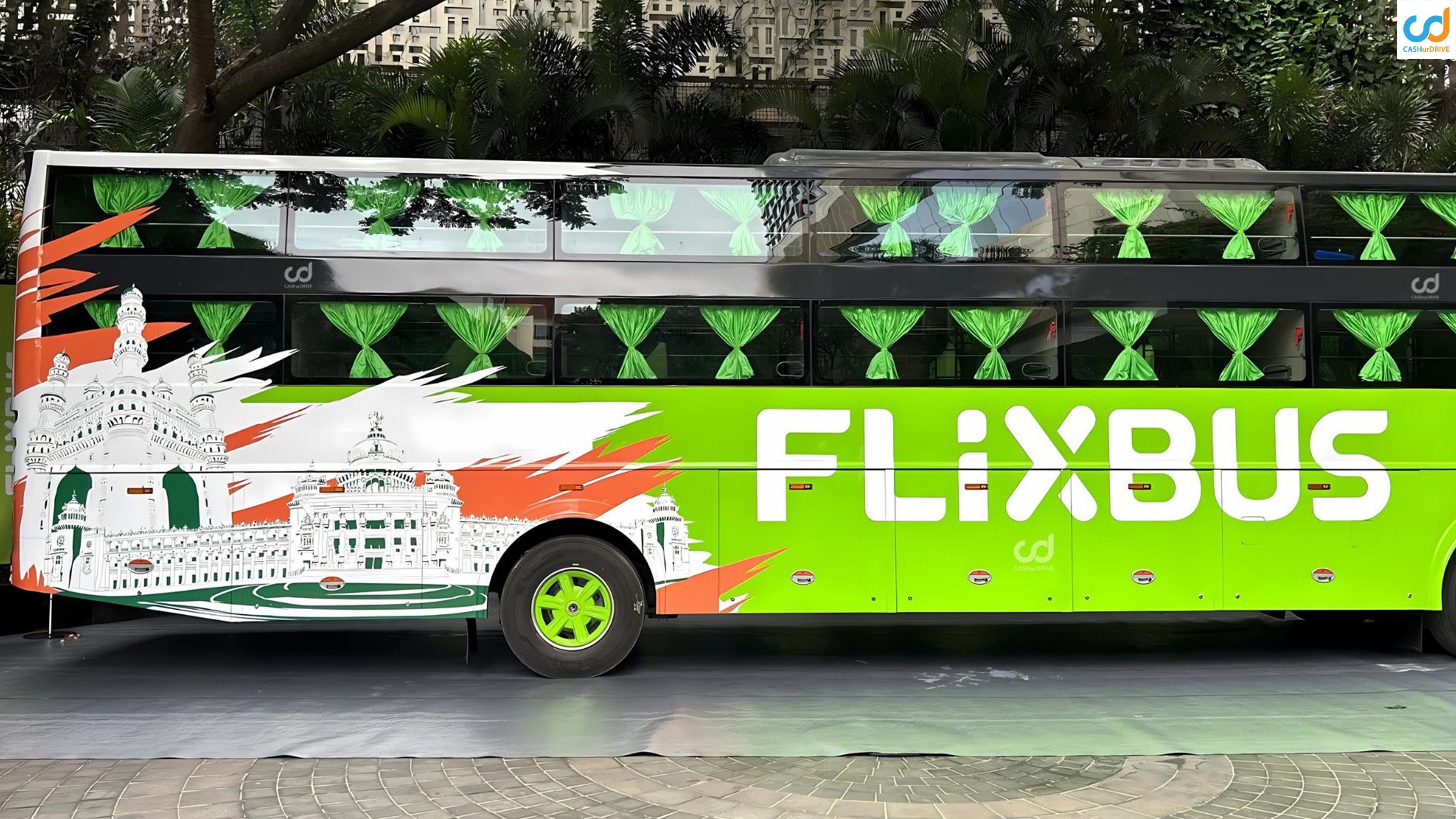
Full Bus Wrap
A full wrap covers the entire bus exterior. It is the top-visibility format.
For example, FMCG brands use full wraps for brand campaigns. Similarly, fintech and D2C brands follow the same path.
Delhi DTC non-AC wraps run Rs.19,000-Rs.30,000 per bus per month. However, Mumbai BEST buses run higher. Route class and fleet type set the final rate.
Side Panel
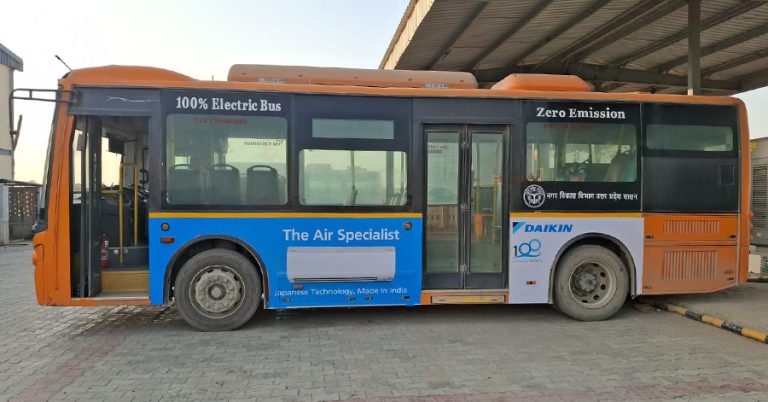
A side panel covers one side of the bus. Visibility reaches pavements and nearby lanes.
Also, this format reaches people at bus stops. Furthermore, it reaches motorists in adjacent lanes.
Rates run Rs.10,000-Rs.25,000 per bus per month. However, route class shifts the final figure.
Rear Panel
The rear panel faces traffic behind the bus. It sits at the back of the vehicle.
In dense traffic, cars trail a bus for long stretches. Therefore, rear panels deliver strong value on busy corridors.
Also, cost per view is low for brands targeting motorists. The dwell time is high at busy junctions.
Interior Panel
Interior panels run inside the bus cabin. They face seated and standing riders.
Specifically, a fixed-route rider sees the same panel five days a week. Frequency builds fast on commuter routes.
Also, interior rates are the lowest per bus. They suit brands with a clear commuter target.
|
Format |
Coverage | Rate per Bus per Month (Rs.) |
Best For |
|
Full Wrap |
Complete exterior | 19,000-2,25,000 | Brand launches, national campaigns |
|
Side Panel |
One lateral face | 10,000-25,000 |
Pedestrian and pavement reach |
|
Rear Panel |
Back of bus | 8,000-20,000 |
Motorist targeting, congested corridors |
| Interior Panel | Inside cabin | 5,000-15,000 |
Commuter audience, repeat exposure |
All pricing is structured as a one-time campaign activation. Fleet size, zone coverage, and campaign duration are planned on a per-campaign basis. For a customised plan and current availability, contact CashUrDrive directly.
City-by-City Bus Advertising Cost in India
Delhi NCR
Bus advertising costs in India vary by city. Also, route demand and fleet size drive the gap.
Delhi runs on the DTC network with 6,700-plus buses. Full wraps on standard buses run Rs.19,000-Rs.30,000 per bus per month.
Additionally, side panels on busy Delhi corridors run Rs.15,000-Rs.35,000 per bus per month.
CashUrDrive runs transit media across Delhi NCR. Coverage spans central corridors and the Noida-Gurgaon network.
Mumbai
Mumbai runs the BEST network with 3,500-plus buses. Rates run 20-30% above Delhi for the same formats.
Specifically, western suburb routes command the highest BEST rates. For example, BKC corridor full wraps reach Rs.50,000-Rs.2,25,000 per bus per month.
Marine Drive and BKC are the top-tier routes. Rates here reflect the high audience value of these corridors.
Bangalore, Pune, and Southern Cities
Overall, bus rates in southern metros sit 10-20% below Delhi. That applies for the same formats.
For example, Whitefield and Electronic City routes cost above the BMTC network average.
Additionally, Pune is often the first test city for bus campaigns. Brands scale to Delhi or Mumbai after Pune.
|
City |
Network | Full Wrap Rate (Rs./bus/month) |
Side Panel Rate (Rs./bus/month) |
|
Delhi NCR |
DTC (6,700+ buses) | 19,000-30,000 | 15,000-35,000 |
|
Mumbai |
BEST (3,500+ buses) | 50,000-2,25,000 |
25,000-60,000 |
|
Bangalore |
BMTC | 20,000-50,000 |
12,000-28,000 |
| Pune | PMPML | 15,000-35,000 |
10,000-20,000 |
Want bus advertising costs for your city and campaign size? Talk to the CashUrDrive planning team.
Fleet Size and Campaign Budget Planning
Fleet size is the key lever on bus advertising cost in India. More buses means wider reach and higher spend.
Entry-Level: 5-10 Buses
A 5-10 bus campaign covers a single corridor or local zone. It suits new brands and test runs.
Monthly spend at this level runs Rs.75,000-Rs.3 lakh. Also, format and city set the final figure.
Mid-Tier: 15-25 Buses
A 25-bus campaign with mixed formats gives solid metro presence. Cost runs Rs.5-Rs.50 lakh per month.
For example, 25 AC Volvo buses on prime Mumbai corridors reach the top. The same 25 non-AC buses on secondary Delhi routes sit near the floor.
Full-Metro: 50+ Buses
Also, full-metro campaigns run 50 or more buses across many corridors. They suit national brands targeting citywide reach.
Furthermore, CashUrDrive uses Atlas data for citywide OOH campaign planning. The budget follows verified audience density, not assumed traffic counts.
Atlas finds which routes carry your target segment. Spend goes where the audience is.
| Fleet Size | Coverage | Estimated Monthly Cost (Rs.) |
Typical Brand Type |
|
5-10 buses |
Single corridor | 75,000-3,00,000 | New entrants, local brands |
|
15-25 buses |
Multi-corridor, one city | 5,00,000-50,00,000 |
Regional brands, product launches |
| 50+ buses | Citywide or multi-city | 50,00,000+ |
National campaigns, FMCG launches |
All pricing is structured as a one-time campaign activation. Fleet size, zone coverage, and campaign duration are planned on a per-campaign basis. For a customised plan and current availability, contact CashUrDrive directly.
Route Selection: Premium vs Standard Corridors
Route choice shapes bus advertising cost in India. Premium corridors cost more. Yet they reach higher-value audiences.
Premium Corridors
Delhi premium routes include Ring Road and ITO junction corridors. Also, Connaught Place routes are in this tier.
Mumbai BEST routes on western suburbs command the highest rates. Similarly, BKC routes fall in the top tier.
Premium route riders skew toward office workers and high-income homes. Local education and health brands find these routes more efficient.
Standard Corridors
Also, standard corridors reach local areas and secondary zones. Rates run 30-50% below premium corridors.
For volume campaigns, standard corridors give more buses per rupee. Frequency is high on routes with steady daily ridership.
However, a lower rate on the wrong route is still a poor spend. The right corridor depends on your audience, not just price.
For example, one premium-route bus often outperforms five standard-route buses. Audience quality makes up for that gap.
How to Plan Your Bus Advertising Budget
Bus advertising cost in India planning needs four inputs.
First, choose the format. Second, choose the city and route type. Third, set fleet size. Fourth, set the campaign length.
Start with your goal. For wide reach, full wraps or side panels work best. However, for repeat reach to fixed-route riders, use interior panels. They cost less and build frequency fast.
Next, set fleet size. A brand new to a market may start with 5-10 buses. Premium routes are the best entry point. Similarly, a product launch needs 25 or more buses for broad metro cover.
Then set the run length. Three months is the minimum for clear brand recall. That applies to bus advertising in India.
Use the tables here as a guide range. Still, get a live quote for your route, format, and city. Supply shifts with current booking levels.
Our OOH team shares cost estimates before any brief is signed. Contact CashUrDrive for a route-level rate card.
Frequently Asked Questions
Q1: What is the bus advertising cost in India for a full wrap?
Bus advertising cost in India for full wraps starts at Rs.19,000 per bus. That is the monthly rate for non-AC standard buses. AC or premium buses run Rs.50,000-Rs.2,25,000 per bus per month. Also, Delhi DTC and Mumbai BEST both show wide ranges within these figures. Production and fitting add Rs.3,000-Rs.15,000 per bus as a separate cost.
Q2: Is Mumbai bus advertising more expensive than Delhi?
Mumbai bus advertising rates run 20-30% higher than Delhi. That applies for the same format and route class. Specifically, BEST runs 3,500-plus buses in one of India’s most congested cities. In contrast, Delhi’s DTC fleet of 6,700-plus buses offers much wider supply. Also, cost-efficient options are easier to find in Delhi. The larger fleet makes that possible.
Q3: How much does a 10-bus bus advertising campaign cost in India?
A 10-bus side panel campaign costs Rs.1.2-Rs.3.5 lakh per month. Also, production adds Rs.30,000-Rs.1.5 lakh on top of that. For a three-month run, total entry budget starts at Rs.4-Rs.12 lakh. City and route type move the figure within this range.
Q4: Which bus advertising format gives the best value for money?
Bus advertising format choice depends on your campaign goal. Full bus wraps deliver the highest visibility per bus. They suit product launches and national campaigns. However, rear panels offer strong value in dense traffic. Dwell time is long at busy junctions. Also, interior panels give the most repeat views at the lowest cost. They suit brands targeting fixed daily commuters.
Q5: Does bus advertising cost go up during the festive season?
Yes. Brands compete for the same space during Navratri, Diwali, and pre-Christmas. That is peak retail season. Therefore, festive campaigns should book 6-8 weeks in advance. Early booking secures preferred routes at standard rates. Also, brands that wait pay above rate or lose their best-choice routes.
Q6: How does bus advertising fit into a wider OOH campaign?
A transit-led plan layers bus wraps for mobile reach. Metro station branding adds dwell-time exposure. Hoardings give fixed-point visibility across the route. Together, these formats extend the brand touch map across a rider’s journey. Frequency rises without repeating the same audience. CashUrDrive plans combined transit and OOH campaigns using Atlas route and audience data.
Conclusion
Bus advertising cost in India ranks among the most flexible OOH options.
In fact, entry starts at Rs.19,000 per bus per month. Scale reaches Rs.2.25 lakh. The right figure sits within that range for your format, city, and fleet.
Transit media gives reach that moves with the city. Also, no fixed format can match that level of daily exposure.
Get a verified route review and cost estimate from CashUrDrive.
Get an indicative bus advertising cost estimate for your city and campaign format. Request a free media plan from CashUrDrive.
Author: CashUrDrive Editorial Team.
This article was produced with AI assistance. It was reviewed by the CashUrDrive editorial team before publication.