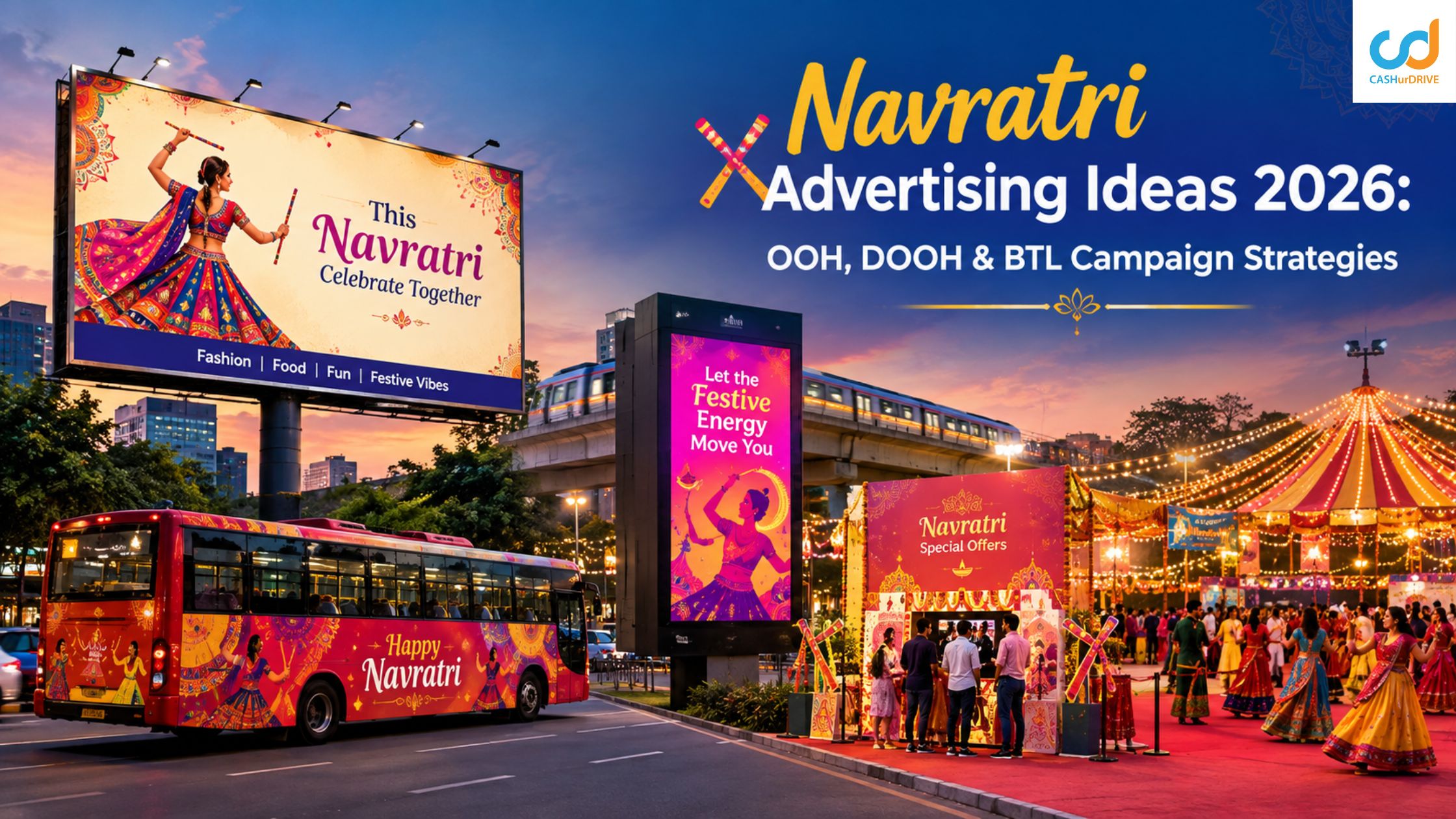
Navratri Advertising Ideas 2026: OOH, DOOH & BTL Campaign Strategies
 By Annu
Nine Nights, Three Different Campaign Environments
Navratri runs from 11 to 19 October 2026. Vijayadashami falls on 20 October. The festival means different things in different markets. So every ad decision must start with the right geography.
In Gujarat and Ahmedabad, garba dominates. Major venues host events every evening. Audiences arrive at similar times on all nine nights. As a result, the pattern is regular and easy to plan around.
In Delhi and North India, however, Navratri overlaps with Ramlila events. Audiences cluster near Ramlila grounds, not garba venues. So the right formats and routes differ.
In Maharashtra, most events are household-level. For this reason, Navratri OOH advertising in this market works best through transit and local formats.
The best campaigns are built for the actual market. Generic festive coverage rarely hits the right audience.
Where Navratri Audiences Concentrate
The ad opportunity follows audience movement. In Ahmedabad, for example, garba venues are the main focus. Audiences go to events every evening. This creates steady traffic on approach roads all nine nights. In addition, retail areas around CG Road, Prahlad Nagar and Satellite see more activity.
In Vadodara, Surat and other Gujarat cities, similar patterns apply. The scale is smaller, but the format options are the same. These include approach-road hoardings, transit to venues, and DOOH in retail zones.
In Delhi, however, audiences cluster near Ramlila grounds. The retail belt also sees high activity across the festive period. Here, auto and bus formats on approach routes work best.
Knowing where audiences go – and when – shows which formats give reach and which give repeat exposure.
7 Advertising Ideas for the Navratri Window
Advertising on Venue Approach Roads
Hoardings and DOOH screens on routes to major garba venues reach audiences every evening. In Ahmedabad, for example, this covers roads to GMDC Ground, Satellite, Prahlad Nagar and CG Road. Audiences use these roads on all nine nights. So the repeat exposure is built in.
Best for: Jewellery, apparel, FMCG, consumer electronics.
Put Your Brand on Routes to Garba Grounds
Auto-rickshaws and AMTS buses run routes that feed garba venue areas each evening. So a transit campaign reaches audiences who are already on their way to the event. Match the fleet and route to the zones that serve the target venue area.
See transit advertising formats in India for fleet and route options. Best for: QSR, food delivery, fintech, consumer electronics.
Take the Brand Inside Events With BTL Activations
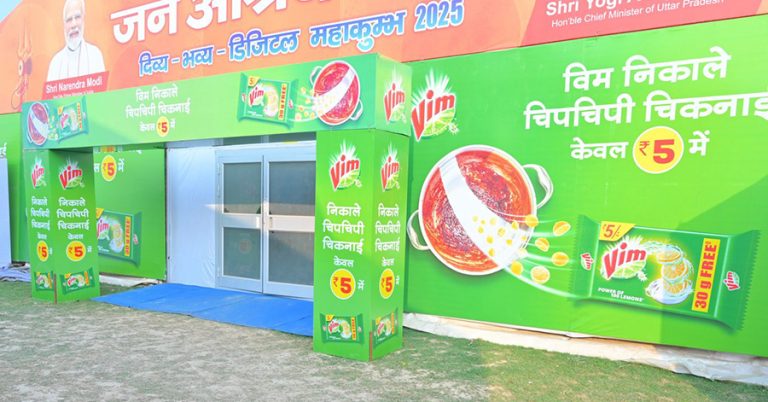
Planned garba events in Ahmedabad allow brands to take part through sponsors. For example, brands can set up sample stalls, game zones or brand areas inside venues. This gives the most direct contact with the Navratri audience. However, it also takes the most lead time of any format.
Best for: FMCG, food and beverage, fashion, experiential brands.
Run a Different Creative on Each of the Nine Nights
DOOH advertising screens at key junctions allow live creative updates. As a result, a brand can run a new ad each night. Each ad links to the day’s colour, goddess or festive theme. The media stays the same. But the message changes nightly.
Best for: Consumer electronics, fintech, FMCG, digital-first brands.
Plan Vijayadashami as a Separate Campaign Moment
20 October 2026 is Vijayadashami. It is not one of the nine Navratri nights. However, it closes the festive period. Ravan Dahan events take place across North India that day. In Gujarat, festive activity also goes on. So this is a busy day for brand ads. Brands that plan for 20 October get better results than those who ignore it.
Best for: Mass-market consumer brands, FMCG, QSR.
QR Codes as a Bridge Between OOH and Digital
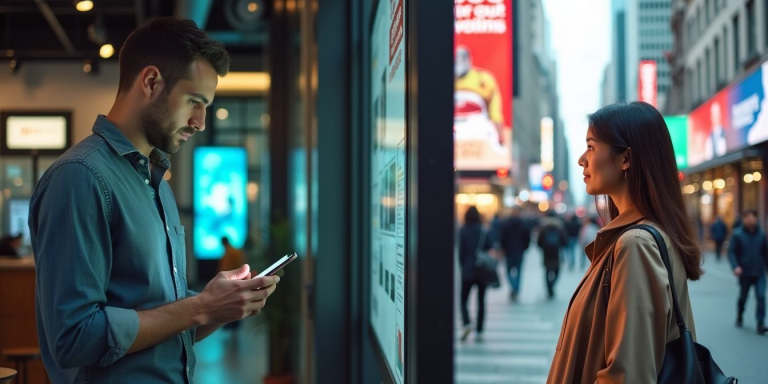
A QR code on a hoarding, bus panel or auto wrap links the ad to a digital page. For example, this could be a festive offer, product page, contest or store locator. Keep the page brief and simple. This is because people see OOH in passing, not standing still.
Best for: Fintech, food delivery, consumer electronics, online retailers.
Reach the Neighbourhood Audience With Wall Branding
Navratri also brings activity in local areas. Home and society events run all nine nights. As a result, wall branding in local areas gives brands low-cost reach across the full festival period.
Best for: Local retailers, pharmacies, real estate, neighbourhood service brands.
Matching Format to Campaign Objective
Navratri advertising campaigns rarely work with just one format. Instead, each audience group needs a different approach. The venue crowd, the transit crowd and the local crowd are all distinct. So OOH, DOOH, transit and BTL each play a different role.
| Format | Best Location | Best Use Case | Main Advantage | Planning Note |
| Auto-Rickshaw | Garba venue zones; local areas | Hyperlocal reach near venues | Covers local lanes beyond buses | Operating zone must match target area |
| Bus / BRTS | Arterial & venue corridors | Wider corridor coverage | Moving visibility across routes | Route selection by venue location |
| Hoarding / Flex | Venue approach roads; retail junctions | Sustained 9-night brand presence | Consistent visibility throughout | Premium locations commit earliest |
| DOOH Screen | Key junctions; retail zones | Dynamic or progressive creatives | Flexible messaging during festival | Slot availability; higher lead time |
| BTL Activation | Inside or near garba venues | Direct audience engagement | Face-to-face brand interaction | Venue permits required early |
| Wall Branding | Local neighbourhoods | Localised community presence | Low-cost sustained exposure | Property/authority approval needed |
BTL adds the direct contact that outdoor formats cannot match. For this reason, pair OOH and BTL in the same venue zones. This builds repeat impact across the same audience.
Planning a Navratri OOH, DOOH or BTL campaign? Get a Free Festival OOH Media Plan →
Planning in Ahmedabad: Gujarat’s Primary Navratri Advertising Market
Ahmedabad’s Garba Zones and Advertising Corridors
Ahmedabad’s Navratri advertising landscape is built around its major garba zones:
- GMDC Ground area– a key large-scale garba venue. Approach roads and transit routes carry busy evening traffic across all nine nights.
- CG Road and Prahlad Nagar – active garba and retail zones. They offer good DOOH and transit options for brands.
- Satellite and SG Highway corridor – a growing local and retail belt in western Ahmedabad. It hosts many society garba events and strong buyer activity.
- BRTS corridors – Ahmedabad’s bus rapid transit links the garba zones across the city. Bus ads on these routes give moving brand exposure.
Vadodara, Surat and Wider Gujarat
Both cities hold Navratri with strong garba activity. Foot traffic also rises during the festival. For brands covering all of Gujarat, the same format mix works. This means auto and bus routes, hoardings at key junctions, and DOOH in retail areas. However, multi-city plans need per-city bookings through local operators.
In Delhi, outdoor and transit near Ramlila grounds works the same way as garba-area ads in Ahmedabad. In Mumbai, however, transit and local formats work best. This is because events there are more at community level.
Build the Campaign Backwards From 11 October
Navratri 2026 starts on 11 October. So plan from that date outward. Do not start with when the creative is done. Start with the end date instead.
6-8 weeks before. Late August – early September: Fix the target cities and format mix. Then start talks on venue hoardings and BTL venue permits – these need the most lead time.
4-6 weeks before. September: Lock site and fleet bookings. Also fix the creative brief.
3-4 weeks before. Late September: Finish creative production and sign-off. Then send all assets to operators.
1-2 weeks before. Early October: Set up and go live. Finally, confirm proof of display.
20 October. Vijayadashami: If this day needs its own ads, book it as a separate element.
Note that lead times vary by format, city and what’s in stock.
What Goes Into the Navratri Campaign Budget
Navratri ad costs vary. No set rate applies across markets or formats. Instead, cost depends on a few key factors:
Format: Auto, bus, hoarding, DOOH, BTL and wall branding all have different cost types. In addition, BTL venue permits need a separate deal with event hosts.
Location: Approach roads to major venues and key junctions cost more. Standard city spots are lower.
City: Ahmedabad, Mumbai and Delhi each cost differently. So multi-city plans need per-city quotes.
Duration: Full 9-night, part-period and Vijayadashami-day bookings all cost differently.
Production: Print, install, removal and any build work are usually on top of the media rate.
For current rates, contact CashUrDrive for a media plan.
Brand Categories With Navratri Relevance
The Navratri market is active across many areas. For each, the right format depends on the audience and goal:
Jewellery and apparel: Navratri is a key buying time for clothes and jewellery in Gujarat. So venue approach hoardings and retail DOOH reach shoppers at peak buying time.
FMCG and food: Nine evenings of home and social events drive food and drink sales. As a result, transit and local wall branding serve this group well.
Consumer electronics and fintech: Festive buying goes up during Navratri. Digital payments also rise. For these brands, DOOH in retail zones and QR-linked outdoor ads suit both goals.
QSR and food delivery: For these brands, ads near garba venues and in local areas push order intent on busy evenings.
Real estate: Navratri is seen as a good time to buy a home in Gujarat. For this reason, hoardings and transit on main roads raise project awareness.
Pre-Launch Campaign Checklist For Navratri Advertising
1.. Audience and geography confirmed – Cities, garba zones and target areas set.
2.. Inventory confirmed – Sites, fleets and BTL venue permits locked with operators.
3.. Creative approved – All OOH, DOOH, transit and BTL assets signed off and sent.
4.. Production timeline clear – Vinyl print and install planned before 11 October.
5.. Vijayadashami element confirmed – If 20 October needs its own ads, booked as a separate item.
6.. Proof of display set up – Execution photos and checks agreed with operators.
7.. Reporting agreed – Campaign tracking and post-campaign report plan in place.
Frequently Asked Questions
Q1. When is Navratri in 2026?
Shardiya Navratri 2026 starts on Sunday, 11 October and ends on Monday, 19 October. Vijayadashami falls on Tuesday, 20 October 2026.
Q2. Which cities are most relevant for Navratri advertising?
Ahmedabad is the top market for garba-focused campaigns. Vadodara and Surat also extend Gujarat coverage. Delhi is the right market for Ramlila and North India festive activity. Finally, city choice should follow where the target audience is.
Q3. What is the most effective format for Navratri advertising in Ahmedabad?
It depends on the goal. For example, auto-rickshaws give local reach in specific venue zones. AMTS bus branding, however, covers wider routes. Hoarding and DOOH on approach roads give steady venue-side visibility. BTL, in addition, allows direct contact inside events. Most good campaigns use more than one format.
Q4. How early should Navratri advertising be planned?
Planning should start 6-8 weeks before the festival. For 2026, that means late August to early September. Venue spots and BTL permits need the most lead time.
Q5. Can brands outside Gujarat advertise during Navratri?
Yes. The key factor is whether the target audience is in cities with big Navratri events. For instance, FMCG, electronics, jewellery and fintech brands all have India-wide goals that fit this festival window.
Navratri gives brands a nine-night window of steady audience movement. In Ahmedabad and Gujarat, for example, the garba structure creates regular venue traffic. In Delhi, Ramlila gives the same kind of focal point.
Overall, a good campaign – matched to the right market, format and timing – can reach the same audience many times. This is the main value of Navratri as an ad window.
Get a Free Festival OOH Media Plan
Author: CashUrDrive Editorial Team
This article was produced with AI assistance and reviewed by the CashUrDrive editorial team.