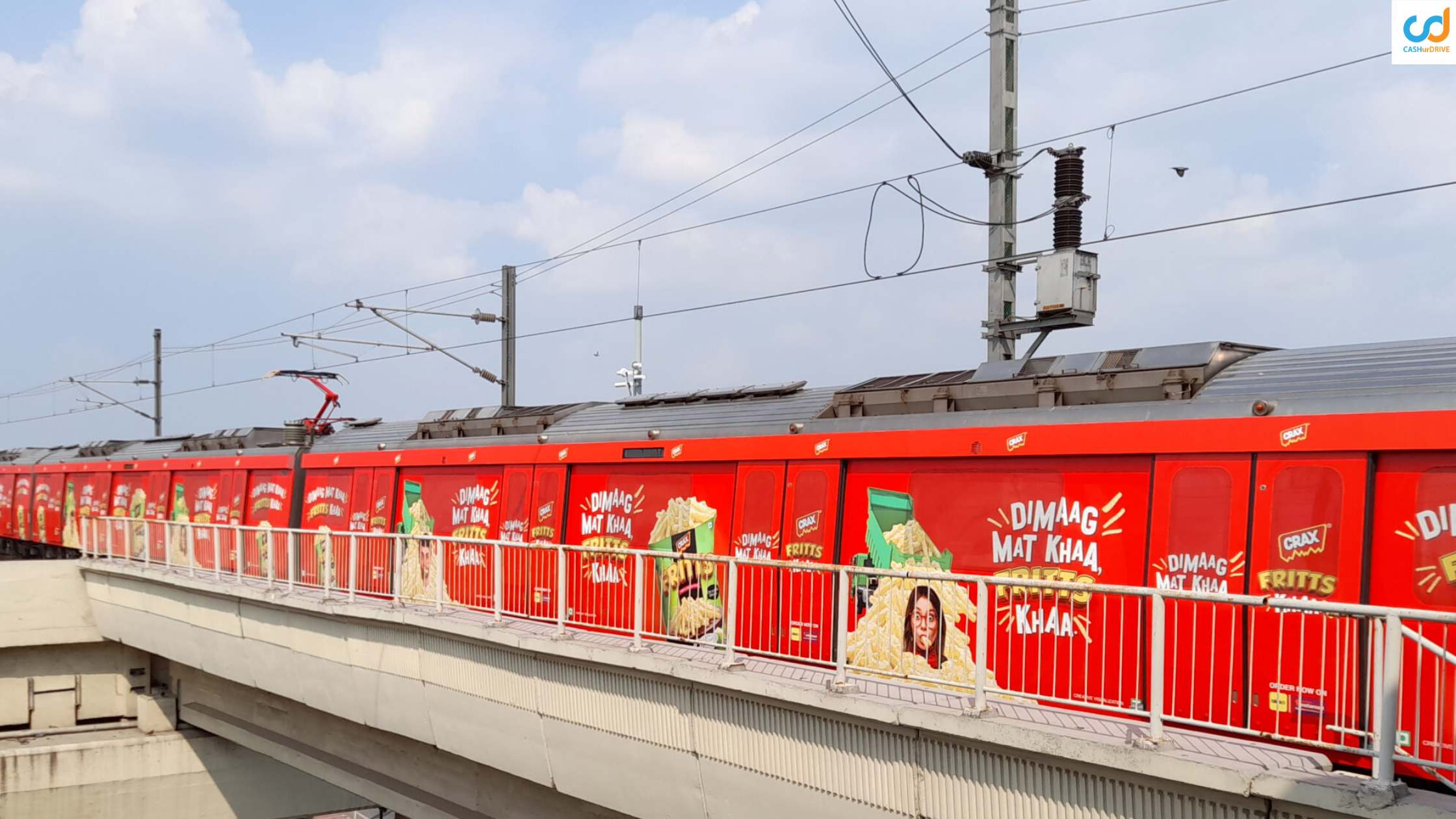
Why Metro Branding Reaches High-Value Urban Consumers
 By Kalpana Rathore
Most ads today do not really stay with you.
You see them for a second and move on. You scroll past them. You skip them. Sometimes, you do not even notice you ignored them.
But the metro feels different.
When you are inside a metro, you are not trying to consume content. You are just travelling. Sometimes I’m tired. Sometimes, just staring around without thinking much. And in that quiet, unhurried state, something interesting happens. Your surroundings actually start to register.
That is exactly where metro branding does its best work. Not by shouting for attention. Just by being there, consistently, every single day.
Why Metro Branding Attracts High-Value Urban Consumers
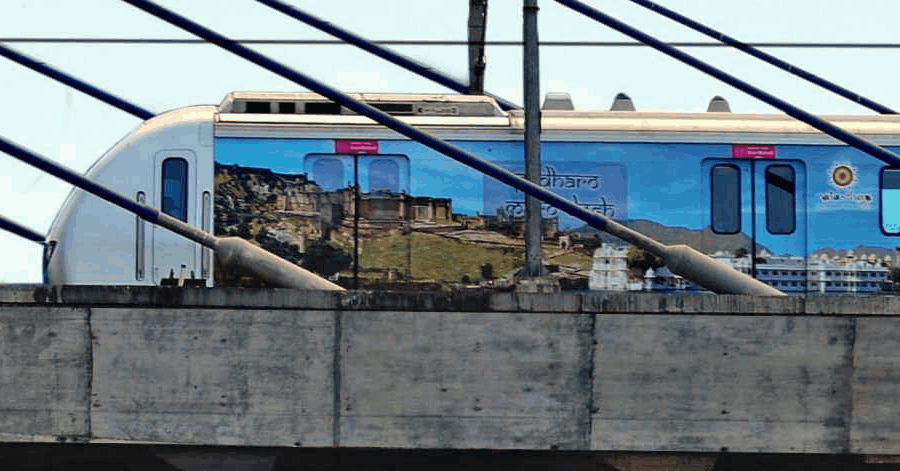
You Are Talking to People Who Actually Spend Money
Let’s be honest. Not all audiences are equal. Some people see an ad and scroll past. Others see it. Actually do something. Metro commuters in Delhi NCR are mostly people who do something. They are working professionals, college students, and young executives. They:
- Have jobs and schedules
- Make money
- Order food online
- Subscribe to apps
- Book services without a thought
They are the kind of people most brands are trying to reach. When your brand shows up consistently in their commute, you are not shouting into a void. You are showing up in the middle of the daily life of people who are already in the habit of spending. That is why Delhi Metro branding works well.
You Get Seen by the Same People Over and Over Again
If you use the metro regularly, you understand how this works. Your route barely changes. Same station. Same platform. Same timing. Sometimes, even the same faces in the crowd. The ads around you stay consistent.
- At first, you barely notice them.
- Then one day, you actually read one.
- A day later, you recognise it.
The brand has started to feel familiar. No hard sell happened. No interruption. No pop-up demanding your attention. Quite consistent repetition.
It Does Not Try to Force Anything
Think about the time an ad annoyed you. A pre-roll you had to sit through. A retargeting banner that follows you across websites. A sponsored post that showed up three times in one scroll.
Metro ads are different. They do not interrupt you. They do not demand anything. They just sit in the space around you quietly. You never feel the urge to ignore them.
Familiarity Happens Without You Noticing
You are not sitting on the metro telling yourself to remember a brand.
- You see the same panel at the same station three mornings in a row.
- By the morning, something has shifted.
- It feels like something you already know.
Things that feel familiar also feel safer to trust. Weeks later, when you actually need something, that brand name surfaces in your mind.
The Metro Gives People a Moment of Stillness
City life in Delhi NCR is relentless. Everyone is always moving.
- The metro forces a small pause.
- You board the train.
- You find a spot.
For a few minutes, you are not constantly jumping between apps or responding to messages.
That receptive low-distraction state is something advertisers almost never get access to.. In the metro, it exists naturally.
There Is Far Competition for Attention Here
On a webpage or an Instagram feed, your brand is competing with other brands.
- Inside a metro station or coach, the environment is. Controlled.
- There is no scroll.
- No algorithm pushing something in front of your audience.
When someone looks up at a panel or a coach, your brand is simply there.
Your Brand Moves With the City
A roadside hoarding is fixed. It sits in one place. Reaches only the people who pass that spot.
- A metro ad travels.
- Your brand moves through parts of the city throughout the day.
In a city as large as Delhi NCR, that kind of movement is valuable.
Fresh Eyes and Familiar Faces Every Single Day
The metro never stops.
- Morning rush, afternoon lull, evening peak, all of it brings a flow of people through the same stations and coaches.
- So your brand reaches people every day while also repeating for the regular commuters who travel the same route.
How Does Metro Branding Connect With a Wider Outdoor Strategy?
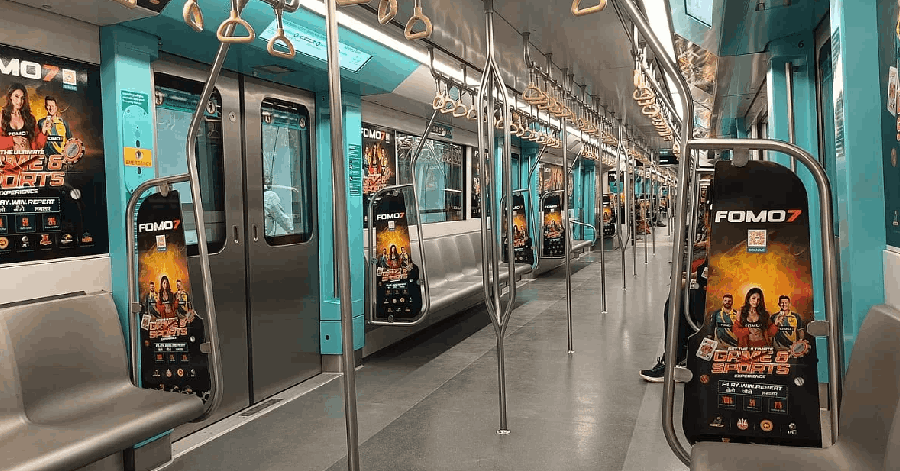
Metro branding works best when it is one piece of a connected outdoor campaigns. On its own, it does a strong job. But connected with other formats, it becomes something much more powerful.
Think about how a typical Delhi NCR consumer moves through their day. The consumer walks out of his or her colony in the morning and passes through various hoardings. Then, they travel to work via metro and see your brand at the metro station and inside the metro coach. After this, they walk through a commercial area and see your brand again on street furniture or on a wall panel. Then, they come back in the evening and see your digital ad on their phone.
By that point, your brand does not feel like advertising to them. It feels like something that is simply part of their city. That familiarity is what drives real trust. And trust is what eventually drives purchase.
Transit media advertising is evolving fast with better measurement tools, smarter route targeting, and new format options that make it easier than ever to understand what is working and invest more in what performs.
How to Make Metro Branding Work for Your Brand
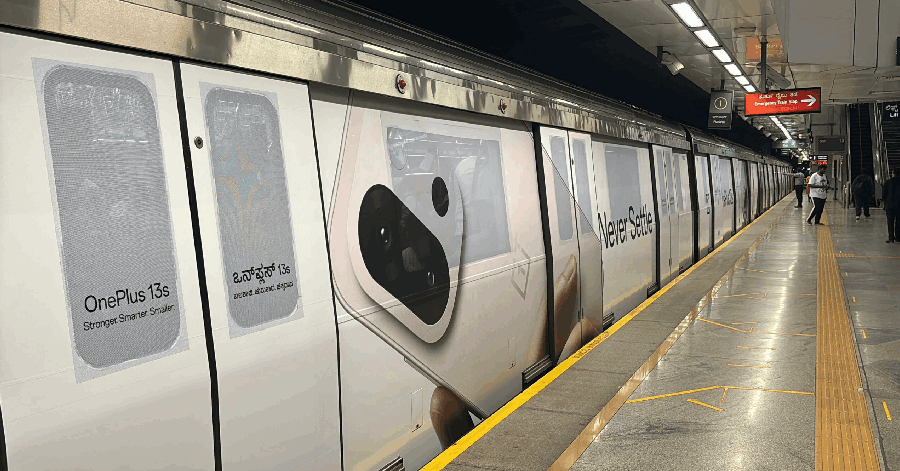
You don’t need a complex strategy. But you do need to be thoughtful.
Start with the routes. Not every route gives you the same audience. A good metro advertising agency in Delhi can help you figure this out.
Then focus on your message. Keep it simple. Something people can understand quickly.
Also, try to be present in more than one place. When your brand shows up multiple times, it feels more real. That’s where metro branding and advertising become more effective.
If you want to go a step further, you can make your campaign more engaging. That’s where Transit media advertising is evolving, with ideas that go beyond just static ads.
Final Thoughts
Metro branding works for a simple reason. It fits into everyday life. It doesn’t interrupt people. It doesn’t chase attention.
It just shows up, again and again. And slowly, people start to notice it. Then they remember it. And eventually, they trust it. That’s how simple it is.
FAQs
Q1: What is the Delhi Metro branding cost?
Costs vary based on format type, station location, line selection, and campaign duration. Panel placements are quite affordable.
Train wraps and full station branding are more expensive. You can talk to a metro advertising partner to find a combination that suits your budget.
Q2: How long should a metro branding campaign run?
A minimum of four to six weeks is needed for people to remember your brand.
Campaigns that run for eight to twelve weeks work better because people see your ads often.
This helps create a lasting impression in the minds of commuters.
Q3: Can small brands afford metro advertising in Delhi?
Yes, you can start with coach panels or smaller station placements. These options are affordable. Still reaches a large audience.
You do not need a budget to build your brand in the metro.
Q4: How is metro branding different from outdoor advertising?
A hoarding is seen for a second from a moving vehicle. A metro ad reaches the person in a calm environment for several minutes multiple times a week.
This makes metro branding effective for building brand recall. The combination of time and repetition helps.