Ganesh Chaturthi Advertising Ideas 2026: OOH, DOOH & Transit Campaigns for Mumbai and Pune
 By Annu
Ganesh Chaturthi creates a different advertising environment from a typical festive campaign. Instead of audience movement being concentrated around shopping centres or a single type of venue, the festival brings activity across pandals, neighbourhood markets, procession routes, transit corridors and residential catchments.
For brands planning Ganesh Chaturthi advertising, this makes location and format selection particularly important. A campaign around a major pandal may work differently from one designed to follow commuters across the city. Similarly, an auto-rickshaw campaign can provide hyperlocal coverage, while bus, hoarding or DOOH advertising can extend visibility across wider corridors.
In 2026, Ganesh Chaturthi falls on 14 September, with Anant Chaturdashi on 25 September 2026.
This guide covers practical Ganesh Chaturthi advertising ideas, OOH and transit formats, Mumbai and Pune locations, campaign timing, cost factors and planning considerations for brands.
What Is Ganesh Chaturthi Advertising?
Ganesh Chaturthi advertising refers to OOH, DOOH and transit campaigns planned around the festival period to reach audiences near pandals, procession corridors, markets, residential areas and transport routes.
The opportunity is particularly relevant to brands targeting Mumbai and Pune because Ganpati celebrations are distributed across neighbourhoods rather than being restricted to one location.
For advertisers, this creates several possible touchpoints across Ganesh Chaturthi OOH advertising – from pandal approach roads and major junctions to residential neighbourhoods, market corridors, bus routes, auto-rickshaw permit zones, metro and transit environments, and immersion-related routes.
The right format therefore depends on the target geography, campaign objective, audience and duration.
7 Practical Ganesh Chaturthi Advertising Ideas for 2026
1. Pandal Approach-Road Hoarding and DOOH Campaigns
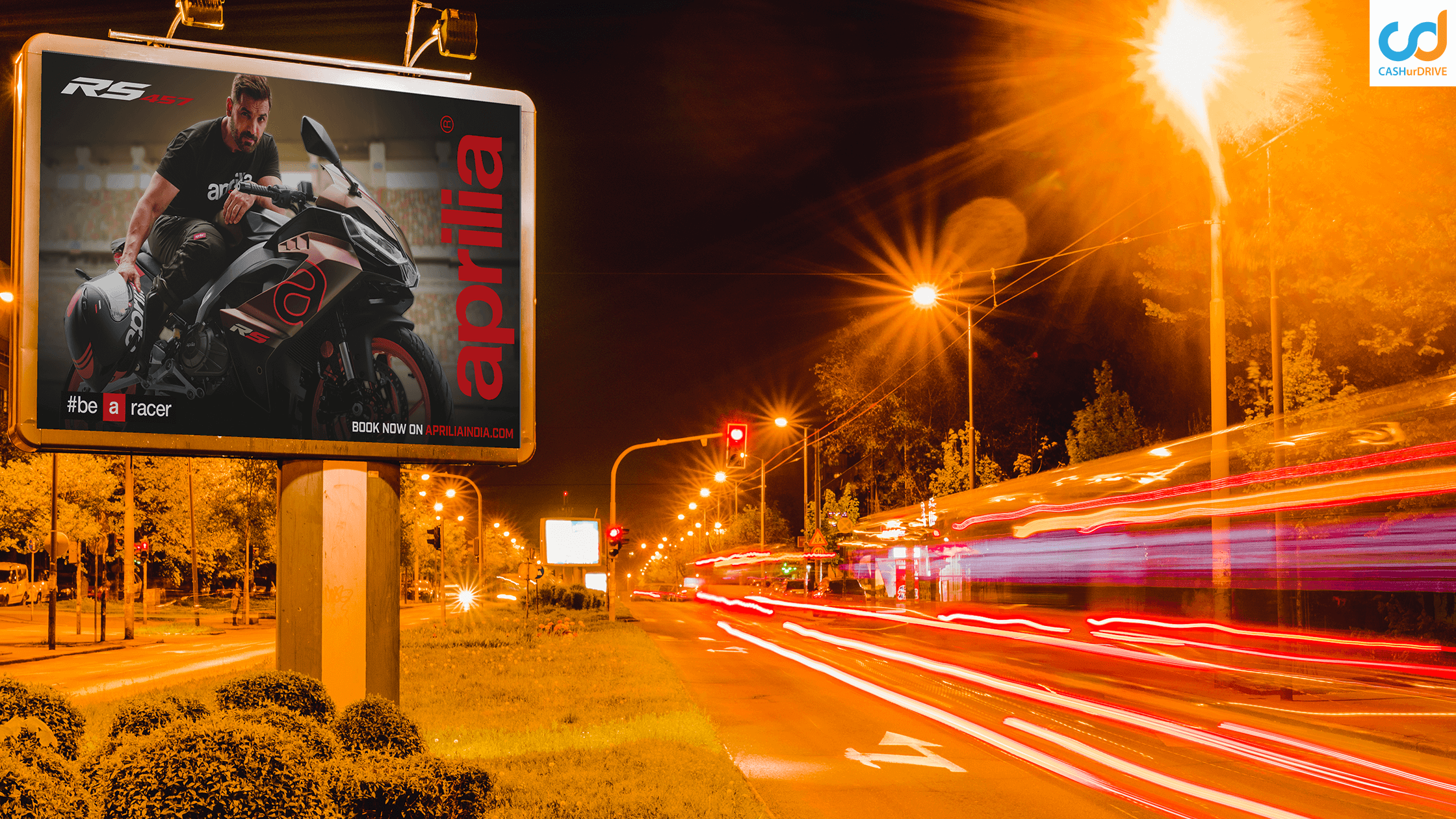
Place hoardings or DOOH screens along roads leading toward important Ganpati mandals. This approach is useful when the objective is to build visibility around a specific geographic catchment. DOOH can support festival-themed creative variations, while static formats can maintain consistent brand presence throughout the campaign.
Best for: FMCG, retail, fintech, food, jewellery and consumer brands.
2. Plan a Separate Visarjan-Day Transit Campaign
Anant Chaturdashi on 25 September 2026 creates a distinct planning opportunity because processions and public movement shift toward immersion-related routes. Instead of treating Visarjan as automatically covered by a general festival campaign, brands can plan specific transit placements around relevant corridors.
Best for: Short-duration awareness campaigns and brands seeking festival-day visibility.
3. Use Auto-Rickshaw Advertising for Hyperlocal Reach
Auto-rickshaw advertising can complement larger OOH formats by reaching residential lanes, neighbourhood markets and local catchments. For a campaign targeting a specific pandal cluster, the key consideration is matching the selected fleet and operating zone with the intended geography.
Best for: Local retailers, QSRs, FMCG, fintech and neighbourhood-focused brands.
4. Use Bus Branding for Wider Corridor Coverage
Bus advertising can help brands move beyond one neighbourhood and reach audiences across multiple city corridors. Transit media advertising across BEST routes in Mumbai allows brands to select corridors based on their target zones rather than treating the entire city as one media market.
Best for: Mass-market brands and campaigns requiring broader geographic coverage.
5. Connect OOH With Digital Using QR Codes
A QR code can turn a static outdoor impression into a digital interaction. A brand could connect its Ganesh Chaturthi creative to festival offers, store locators, product pages, contest entries, digital coupons or festival-themed experiences. The QR experience should remain simple enough for people to understand quickly while passing the advertisement.
Best for: Consumer electronics, fintech, food delivery and brands with active digital campaigns.
6. Use Wall Branding Around Residential Catchments
Wall painting or approved wall branding can provide longer-duration visibility in neighbourhood environments. This can be particularly relevant where the campaign objective is local awareness rather than city-wide reach.
Best for: Local businesses, food brands, retail outlets, pharmacies and neighbourhood services.
7. Create a Festival-Route Advertising Chain
Instead of placing ads at a single location, brands can plan a connected sequence of placements along the audience’s actual journey: hoardings on the approach road leading to a major mandal, auto-rickshaw or bus branding on the procession corridor, and DOOH at the junction nearest the immersion point. This route-chain approach puts the brand in front of the same audience at multiple touchpoints across a single festival outing – building frequency through geography rather than repetition at one site.
Best for: FMCG, jewellery, consumer electronics and any brand seeking repeated exposure across the full Ganesh Chaturthi journey.
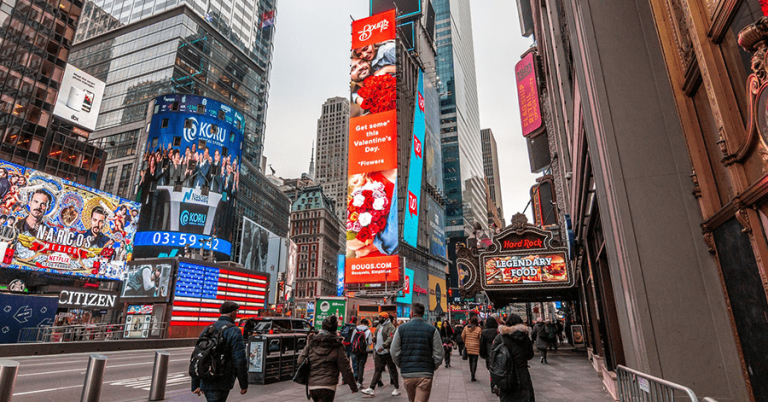
OOH and Transit Formats: Which One Should You Choose?
| Format | Best Location | Best Use Case | Main Advantage | Planning Consideration |
| Auto-Rickshaw | Residential & pandal zones | Hyperlocal reach | Covers local streets | Zone/fleet availability |
| Bus Branding | Major city corridors | Wider coverage | Moving visibility | Route selection |
| Hoarding | Pandal approaches & junctions | Brand salience | Consistent visibility | Premium inventory may be limited |
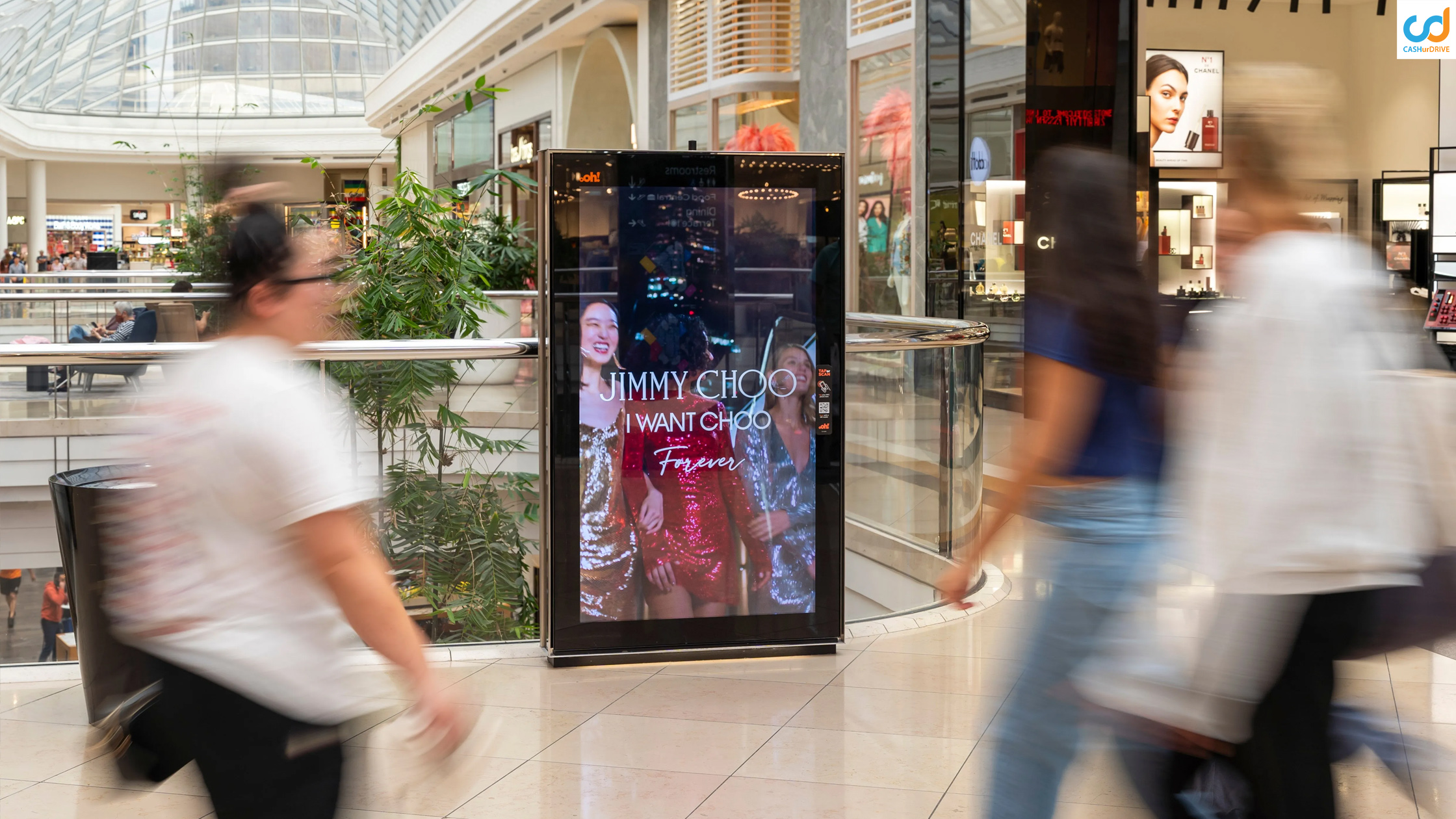
| DOOH | Premium junctions & transit areas | Dynamic messaging | Creative flexibility | Slot availability |
| Wall Branding | Residential catchments | Local awareness | Sustained presence | Property/authority approval |
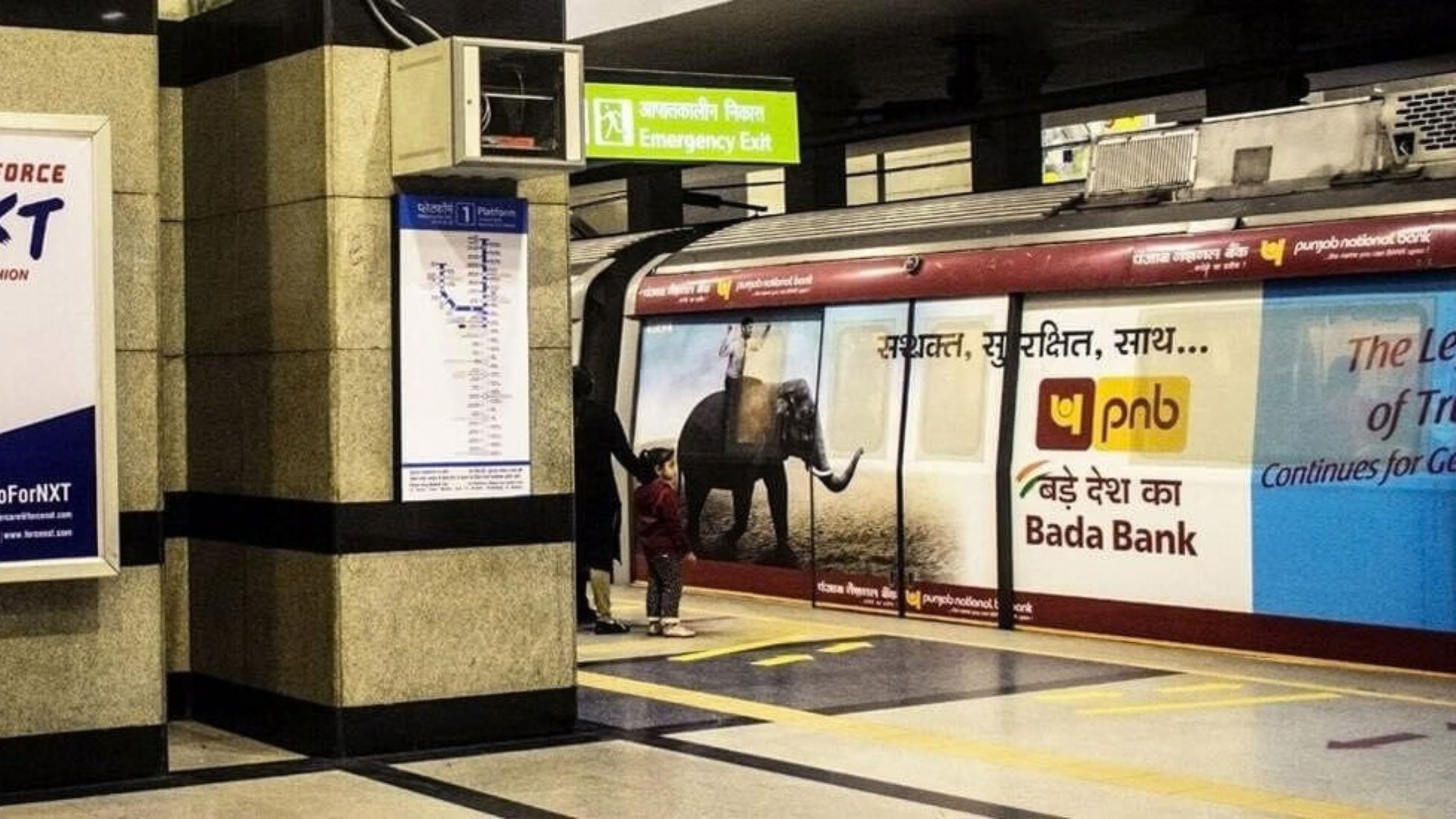
| Metro Branding | Relevant stations & transit environments | Commuter visibility | Captive transit audience | Separate inventory planning |
The best choice is not necessarily the format with the largest physical presence. It is the format that best matches where the target audience is and what the campaign needs to achieve.
Planning a Ganesh Chaturthi OOH, DOOH or transit campaign? Get a Free Festival OOH Media Plan →
Best Ganesh Chaturthi Advertising Locations in Mumbai
Lalbaug and Parel
These areas are closely associated with major Ganpati celebrations and can be relevant for campaigns seeking visibility around central Mumbai’s festival activity.
Suitable formats: Hoardings, DOOH, bus and auto-rickshaw advertising.
Girgaon and Khetwadi
Central Mumbai’s traditional festival areas can provide opportunities for brands looking for neighbourhood and procession-related visibility.
Suitable formats: Auto-rickshaw, hoarding and transit advertising.
Dadar and Shivaji Park
These areas connect residential, commercial and transit movement, making them relevant for brands seeking broader local exposure. For a full overview of format options across the city, see Mumbai OOH advertising.
Suitable formats: Bus, auto and outdoor formats.
Andheri and Western Suburbs
For brands targeting a wider suburban audience, western Mumbai provides opportunities to build campaign coverage beyond central festival locations.
Suitable formats: Bus, DOOH, hoardings and auto-rickshaw advertising.
Eastern Mumbai Corridors
Areas around Sion and adjoining eastern corridors can be considered when the campaign requires coverage across central and eastern parts of the city.
Suitable formats: Transit and outdoor advertising.
Planning tip: Select locations according to the target audience rather than simply choosing the most famous pandal location.
Ganesh Chaturthi Advertising Opportunities in Pune
Kasba Peth: A relevant area for brands seeking visibility around central Pune’s traditional Ganpati activity.
Dagdusheth Area: The area around the famous Ganpati temple can be considered for campaigns seeking proximity to major festival activity.
Shivajinagar: Useful for brands looking for a combination of residential, commercial and transit exposure.
Kothrud: Can support campaigns targeting residential and suburban audiences.
Hadapsar: Relevant when the campaign objective includes coverage of Pune’s eastern suburban audience.
For Pune, brands can combine auto-rickshaw, bus, hoarding, DOOH and wall branding depending on the target catchment.
When Should Brands Plan Ganesh Chaturthi Advertising?
6-8 weeks before: Shortlist cities, locations and formats and begin inventory discussions.
4-6 weeks before: Confirm priority inventory and finalise campaign geography.
3-4 weeks before: Complete creative approvals and begin production planning.
1-2 weeks before: Complete installation, route/site confirmation and execution checks.
During the festival: Monitor campaign execution and maintain proof-of-display records.
Visarjan period: If Visarjan-day visibility is important, treat it as a separate planning requirement.
The exact lead time will depend on the format, location and inventory availability.
What Influences Ganesh Chaturthi Advertising Cost?
There is no single fixed price for Ganesh Chaturthi advertising. Cost varies according to the campaign requirements.
Format: Auto, bus, hoarding, DOOH, wall branding and metro inventory have different pricing structures.
Location: Premium or high-demand festival locations can cost more than standard inventory.
Campaign duration: A single-day, partial-period and full-festival campaign will have different costs.
Inventory availability: Popular locations may have limited availability during the festive period.
Number of units: Larger fleets or multiple sites can change the overall campaign budget.
Production: Printing, wrapping, installation and removal may be additional considerations.
For current format- and location-specific pricing, brands should request an indicative media plan based on their campaign requirements.
Which Brand Categories Can Use Ganesh Chaturthi Advertising?
FMCG and Food
Brands can use OOH and transit formats to build visibility near residential and market catchments during the festive period.
Suitable formats: Bus, auto, hoarding and DOOH.
Jewellery and Apparel
Festival-period campaigns can focus on brand awareness, festive collections and store visibility.
Suitable formats: Premium hoardings, DOOH and transit.
Fintech and Digital Payments
Brands can use QR-enabled or high-frequency outdoor campaigns to communicate simple festive messages and offers.
Suitable formats: DOOH, bus, auto and hoarding.
QSR and Food Delivery
Location-specific advertising can help brands communicate offers or nearby availability.
Suitable formats: Auto, DOOH and neighbourhood OOH.
Consumer Electronics
Brands can use festival-period outdoor campaigns to build product awareness and support retail visibility.
Suitable formats: DOOH, hoarding, bus and transit media.
Real Estate
For developers targeting local buyers, geographically concentrated OOH can support project awareness in relevant catchments.
Suitable formats: Hoardings, bus and neighbourhood outdoor media.
How to Plan a Ganesh Chaturthi OOH Campaign
Define the audience: Identify the city, demographic and geographic catchments you want to reach.
Select priority locations: Map the campaign around pandals, markets, residential areas, junctions or transit corridors.
Choose formats: Select auto, bus, hoarding, DOOH or a combination according to the objective.
Decide the campaign window: Choose whether you need the full festival period, selected days or a Visarjan-focused campaign.
Prepare creative: Keep messaging short, visible and suitable for the viewing environment.
Confirm inventory and production: Lock sites/fleets, production requirements and installation timelines before launch.
Monitor execution: Arrange post-installation checks, execution photographs and campaign reporting.
Frequently Asked Questions
Q1. When is Ganesh Chaturthi in 2026?
Ganesh Chaturthi falls on 14 September 2026. Anant Chaturdashi is on 25 September 2026.
Q2. Which formats work best for Ganesh Chaturthi advertising in Mumbai?
Auto-rickshaw, bus, hoarding, DOOH and selected transit formats can all work, depending on whether the campaign requires hyperlocal reach, wider coverage or visibility around specific festival locations.
Q3. How early should brands plan Ganesh Chaturthi advertising?
Brands should begin planning several weeks before the festival, particularly when specific locations, fleets or premium inventory are required. Exact lead time depends on format, geography and availability.
Q4. Can brands outside Maharashtra advertise during Ganesh Chaturthi?
Yes. A brand does not need to be headquartered in Maharashtra if its target audience is present in Mumbai or Pune during the campaign period.
Q5. What is better for a hyperlocal Ganpati campaign: bus or auto advertising?
Auto-rickshaw advertising is generally better suited to hyperlocal campaigns, while bus advertising can provide broader corridor coverage. The choice should depend on the geographic area and campaign objective.
Plan Your Ganesh Chaturthi Advertising Campaign
Ganesh Chaturthi gives brands an opportunity to plan OOH around specific locations, audience movement and festival moments rather than relying on one city-wide format.
A strong campaign can combine formats – for example, auto-rickshaws for neighbourhood reach, buses for broader corridor coverage, hoardings for sustained visibility and DOOH for dynamic messaging.
If your brand is planning a Mumbai or Pune campaign, CashUrDrive can help build a media plan around location, format, campaign duration and festival timing.
Get a Free Festival OOH Media Plan
Author: CashUrDrive Editorial Team
This article was produced with AI assistance and reviewed by the CashUrDrive editorial team.