Why Mobility Branding Delivers High Repetition?
 By Kalpana Rathore
Think about your morning trip for a second. You might be stuck in Mumbai traffic or cruising down a wide road in Chandigarh. Either way, you are moving. In these busy moments, a static poster on a wall often just blends in. It becomes part of the background. But then, a bright auto rickshaw or a delivery van with a bold design zips past. Your eyes follow it. This is the logic behind Mobility Branding. It doesn’t wait for people to show up. It goes to them.
By 2026, the transit media world in India will have changed. It is growing fast. The latest reports show the market is expanding as digital tools mix with physical ads. The secret is repetition. You can skip a digital ad with one click. But you cannot “close” a branded vehicle. It is a real, physical thing that you see over and over during your day.
The Science Behind Mobility Branding
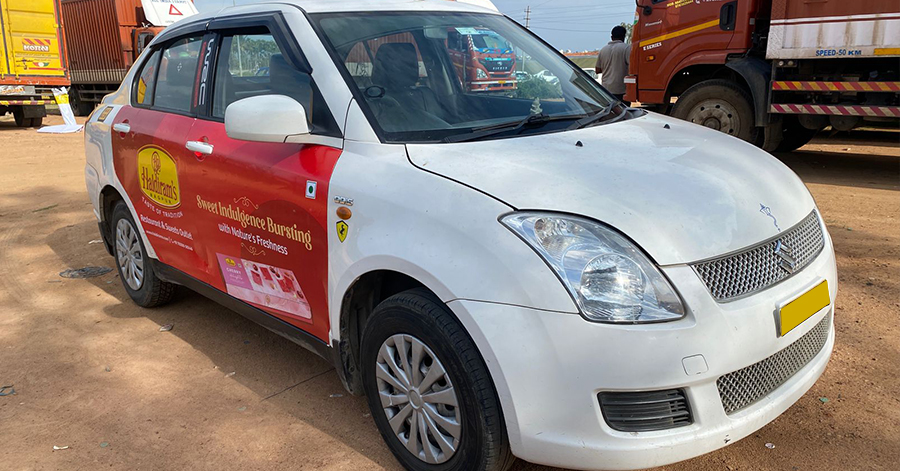
Movement grabs our attention. Humans are wired this way for survival. When you apply this to marketing, it works wonders. Mobility Branding uses this natural instinct. Because these vehicles hit the same busy spots like metro stations or markets many times a day, they sink into the subconscious. It is a slow, steady build of trust.
Data shows that moving vehicle advertising can spark 45% more engagement than a fixed board. It creates memory peaks. Every time you see that branded car at a signal, your brain notes it. By the time you actually need that product, the brand feels familiar. It feels like a name you already know. This constant motion makes the message feel alive rather than stuck in one place.
Real Talk on Auto Advertising Cost
Money matters in every campaign. Many people assume outdoor ads are only for giant budgets. But the auto advertising cost in India is actually quite low for the reach you get. You don’t need to buy a massive billboard in a Tier 1 city to be seen. You can brand a whole fleet of smaller vehicles for much less. This lets you flood a city without breaking the bank.
In 2026, small vehicle advertising is a top choice for brands that want to go deep into neighbourhoods. These vehicles go into narrow lanes where a big truck or a bus cannot fit. This creates a kind of everywhere feeling. If a customer sees your ad near their home and then again near their office, you have won. You are now part of their daily landscape.
Fresh Steps in Transit Advertising in India
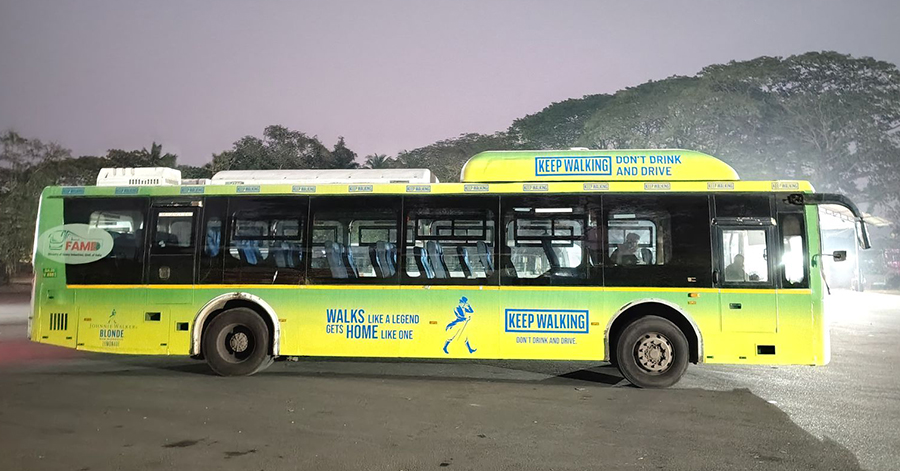
The world of transit advertising in India is not just about stickers anymore. It has become a high-tech ecosystem. Brands now use transit advertising solutions to plan routes based on where their customers live. A food brand might pick routes that pass office hubs right before lunch. It is about being smart with timing.
Today, technology is baked into the wraps. Many auto advertising services use GPS to show exactly where an ad is at 10 AM or 4 PM. This makes the whole process clear. You aren’t just guessing if people saw your ad. You have the data to prove it. When a branded vehicle sits in a traffic jam, it isn’t stuck. It is gaining dwell time. People have minutes, not seconds, to look at the design and scan a code.
Creative Hits in Vehicle Wrap Advertising
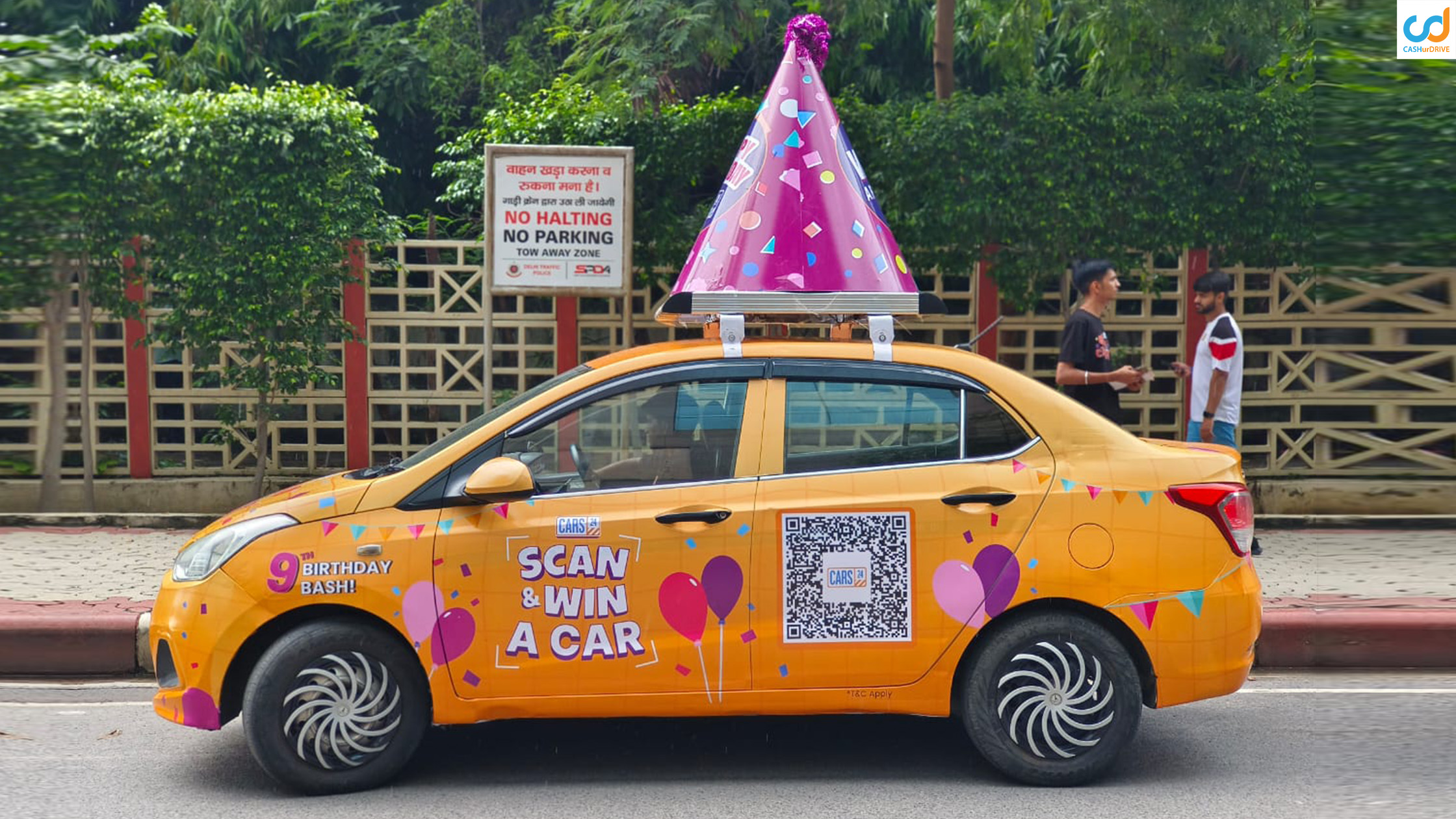
You have a unique canvas with a vehicle. With vehicle wrap advertising, you aren’t stuck in a box. The whole car or auto becomes your stage. In 2026, the best designs are bold and simple. You only have a few seconds to make a point when a car drives by. High contrast colors work best.
Effective vehicle advertising in India also uses those quiet moments in traffic. When a vehicle stops at a light, pedestrians have a long window to look. This is a great time for a call to action. Maybe it is a QR code for a discount or a simple web link. It turns a passing glance into a real lead. It is about catching people in the right spot, again and again.
Why Small Vehicle Advertising Wins Locally?
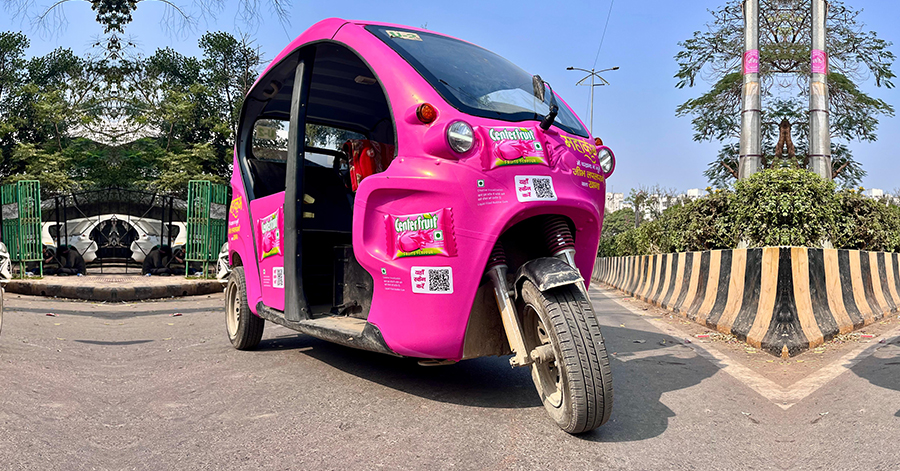
Local reach is where the real power lies. This is why small vehicle advertising using e-rickshaws and vans is so big right now. These vehicles live in the heart of the community. They see students, office workers, and families every single day. They are part of the neighbourhood fabric.
A single auto can hit 50,000 views a day in a city like Delhi. If you have a hundred of them, the math is incredible. You aren’t just getting reach. You are getting frequency. This makes your brand feel like a local favourite. It feels accessible and real. That kind of trust is hard to buy with a standard digital ad.
Finding the Right Partner for Mobility Branding?
If you want your brand to stand out in this crowded market, you cannot rely on a still photograph. You need a strategy that moves. The best way to start is to find a partner who truly understands the local landscape.
A specialist like CASHurDRIVE can help you navigate this transition. They know exactly which routes work best and how to make a physical campaign actually perform. Having led this change for years, they help brands move from old-fashioned signs to modern success stories. Instead of guessing, you get a plan that uses data-backed route mapping and high-quality Mobility Branding materials. This ensures your message stays vibrant on the road, turning every commute into a chance for a new customer to find you.
FAQs
1. Is mobility branding better for new brands?
Yes, usually. Mobility Branding is great for awareness because it covers more ground. A billboard stays in one spot. A moving ad visits five different neighbourhoods in a single morning. This builds a name much faster.
2. What impacts the auto advertising cost the most?
The auto advertising cost depends on the city and the type of wrap. A full wrap costs more than a simple back panel. Most campaigns are priced per vehicle per month, making it easy to scale up or down based on your budget.
3. How do you know if moving vehicle advertising is working?
Most auto advertising services now use GPS dashboards. You can see the heat maps of where your fleet travelled. Many brands also track geo-lift, which measures if store visits go up in the areas where the vehicles were active.
4. Can a wrap survive the Indian monsoon?
If the agency uses high-grade vinyl, yes. Quality wraps are waterproof and UV-coated. This keeps the colours from fading in the sun or peeling off during heavy rains. It should stay vibrant for the whole campaign.
5. Is small vehicle advertising useful for big corporate brands?
Definitely. Many big brands use small vehicle advertising to feel local. It helps them reach the deep parts of a city where their big-format ads cannot go. It adds a human, street-level touch to a large campaign.