OOH vs Digital Advertising During Festivals: Which Is Better for Brands?
 By Annu
OOH vs digital advertising is the planning choice between outdoor media and online channels, judged on cost, reach and attention across India’s festive weeks. Indian brands will spend about ₹51,000 crore on festive advertising this year, and the price of attention has climbed with it.
Quick answer: Neither medium wins outright. Online rates climb with every rival bid, and festive CPMs rise 20 to 40 percent. Outdoor rates rise once, then hold for the whole flight. Online captures demand at the moment of search. Outdoor builds the recall that starts the search. Most strong festive plans therefore run both.
This piece compares OOH vs digital advertising on cost, attention, reach and measurement. It also sets out how brands split budget between the two.
OOH vs Digital Advertising: What Festive Weeks do to Both
Festive demand lifts the price of every medium. In OOH vs digital advertising, however, the two prices move in very different ways.
Why digital advertising rates climb through the season
Storyboard18 reported in 2026 that festive CPMs rise 20 to 40 percent on average. No channel escapes that lift.
The cause is simple. More brands chase the same pool of attention at the same time. Bids climb daily as a result.
The rise also lands after you commit the money. A brand can set a budget in September and still overshoot by November. In short, the auction prices your plan while the plan runs.
Why outdoor rates move differently
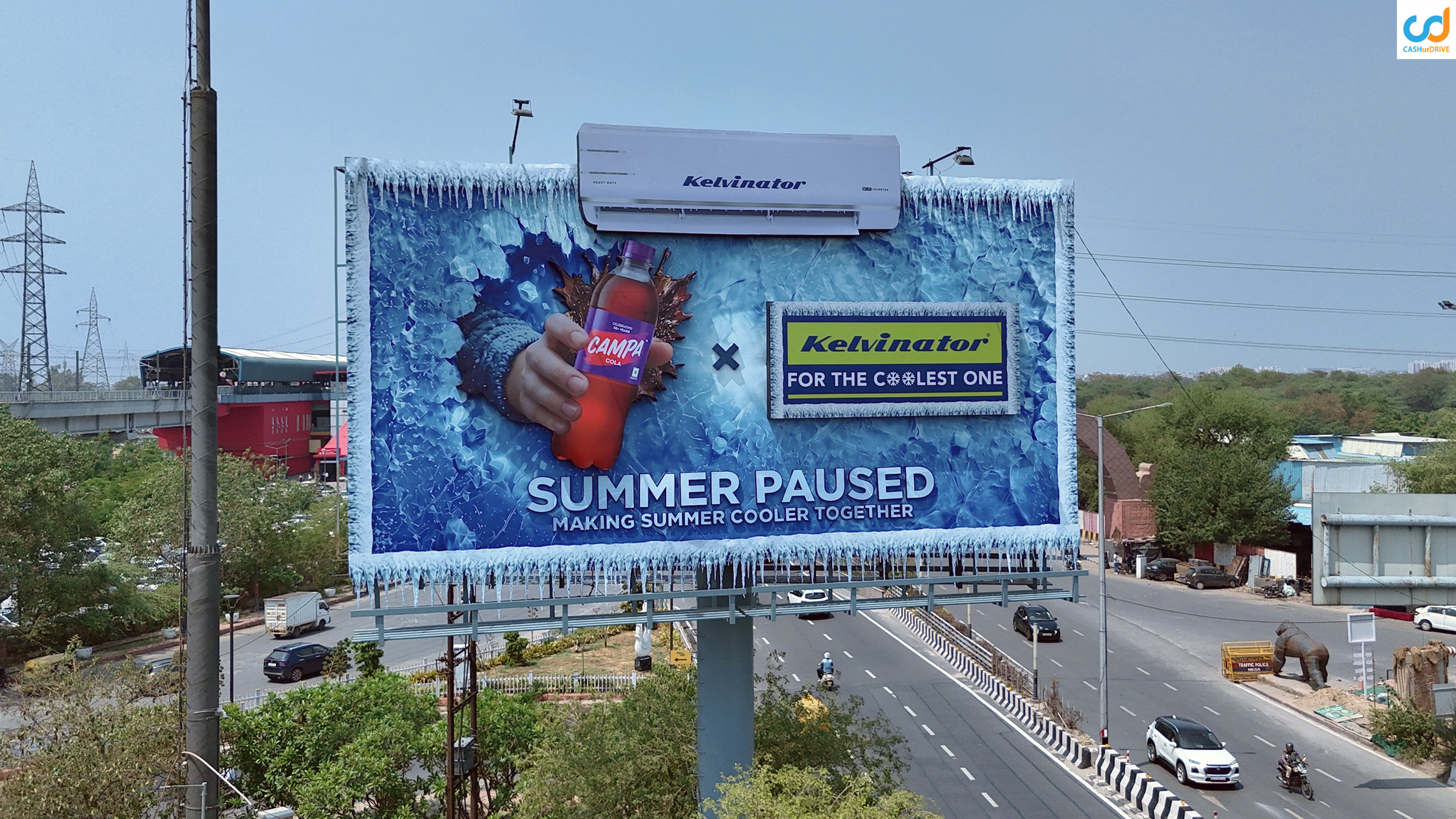
Outdoor rates also rise, though only once. Exchange4media reported in August 2026 that prime Onam sites in Kerala rose 8 to 15 percent. Onam OOH spends grew 15 to 20 percent as well.
That rise, however, is visible before you sign. A site is then booked at a fixed rate for a fixed run. The cost holds for the flight, whatever rivals do next.
Supply works differently too. Storyboard18 reported that the trade has already filled its premium festive sites. Outdoor therefore runs out, while online simply gets dearer.
The Attention Problem Online Media Faces
Festive shoppers behave differently, and the data shows it clearly.
MiQ’s Festive Shopper Insights 2026 report found that 86 percent of festive shoppers switch between digital activities within an hour. Moreover, 61 percent use a second device while they shop.
That fragmentation matters for one reason. Brands pay peak rates in the exact weeks when online attention scatters fastest.
Outdoor faces no such split. A hoarding on the approach to a market holds the street for the full flight. Similarly, a bus wrap keeps working while the phone sits in a pocket.
Frequency also builds without extra spend. A commuter passes the same route twice a day, and the cost of that second pass is zero.
Neither point makes online weak. It simply prices the same festive attention twice, once in cash and once in focus.
OOH vs Digital Advertising: Where Each One Wins
Where outdoor leads
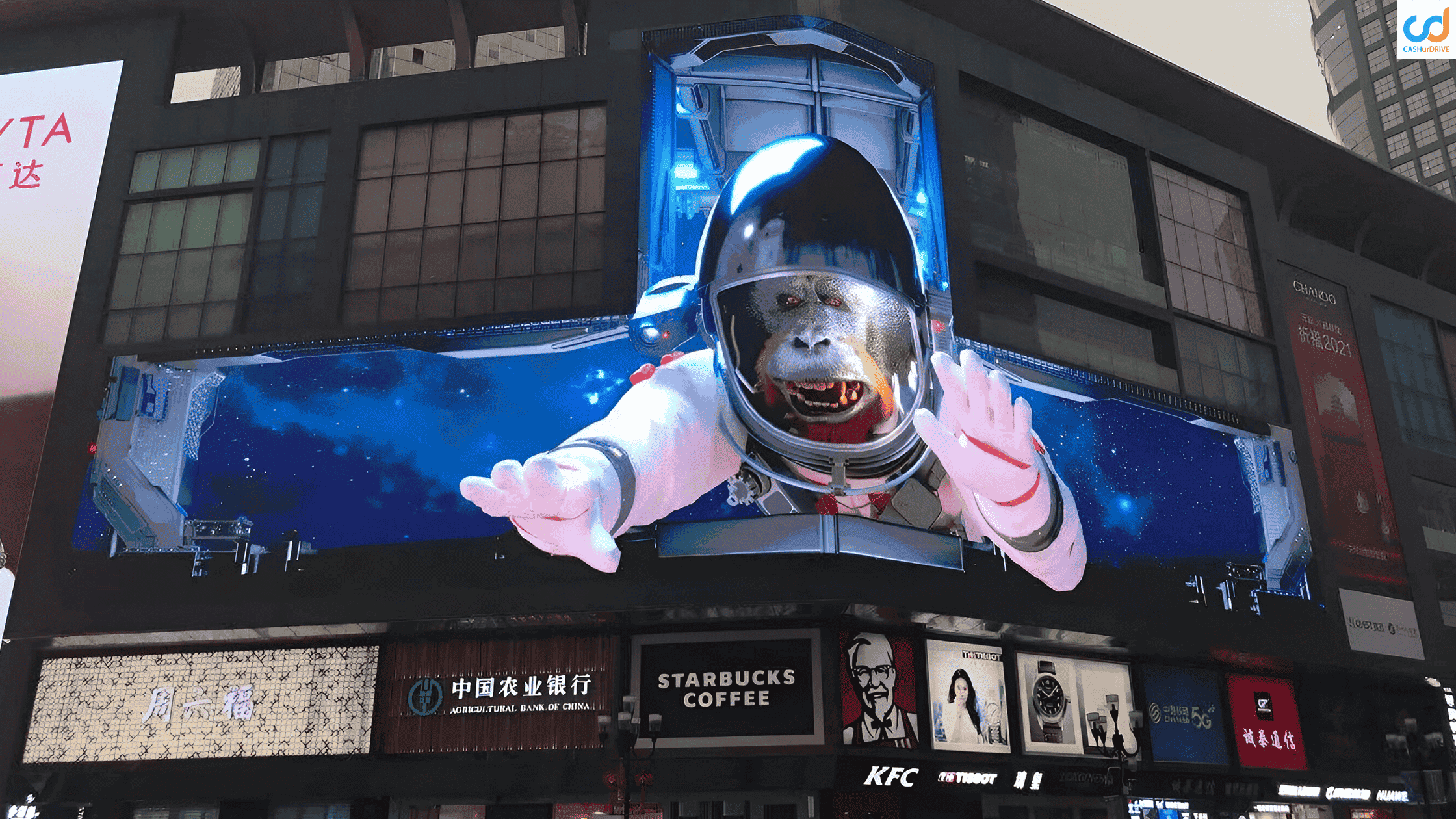
In OOH vs digital advertising, outdoor leads on reach at a fixed price. Trust is the second edge, since a site sits in public view with no skip button.
Proximity is the third strength. Outdoor reaches shoppers minutes from a purchase, near markets, malls and metro exits. Festive creative can change by city as well, so Ganpati lines run in Mumbai while Navratri lines run in Ahmedabad.
Where online leads
Online leads on capture. Search catches a shopper who already knows what she wants. Retargeting then closes the gap between interest and checkout.
Speed is the second strength. A brand can shift creative in an hour when an offer changes. Quick commerce has grown on the same logic, though its premium festive placements now cost 30 to 40 percent more than in a normal month, according to Storyboard18.
Digital out-of-home sits between the two. It holds a physical site, yet changes creative by hour or by festival. The FICCI-EY 2026 report puts DOOH at 18 percent of India’s OOH market.
How Brands Split a Festive Budget
The OOH vs digital advertising split is better framed as a sequence. Outdoor sets the frame, and digital advertising closes the sale.
Most festive plans therefore front-load outdoor. Sites go live before the shopping weeks begin, usually three to four weeks out. Recall then builds while online rates are still near baseline.
Online spend rises later, in the ten days when intent peaks. By then the outdoor work has already put the brand in the shopper’s head.
Category matters as well. FMCG and jewellery brands lean harder on street reach, because their buyers decide near the shop. D2C brands, by comparison, keep more weight online, since the purchase itself happens there.
One rule holds across categories. Buy outdoors early, because stock runs out. Digital can wait, since only its rates climb.
If the festive budget is small
A smaller budget rarely stretches across both media at national scale. Depth therefore beats spread.
Pick one city, or even one catchment. Then hold a few outdoor sites on the routes your buyers actually use.
Frequency does the work here. A shopper who passes the same site twice a day for three weeks remembers the brand. The same money spread thinly online buys a single impression and little else.
Keep a small online budget for retargeting in the final ten days. In short, let outdoors create the audience, and let online convert it.
Measuring the two on the same terms
Most OOH vs digital advertising comparisons fail on measurement, not on media. Digital reports clicks. Outdoor has often reported guesses.
Mobile location data has closed that gap. Geofencing spots phones that entered a set zone around a site. A brand can then match those phones against later store visits.
CashUrDrive runs this layer through Atlas. Atlas first profiles the crowd around a site before the buy. It then tracks footfall after the run.
So a festive plan can compare like with like. Reach, frequency, footfall lift and branded search sit beside the online numbers, rather than apart from them.
Agree the measure before you book. Bolt it on after Diwali and the numbers rarely hold up.
Frequently Asked Questions
Q1. Is OOH or digital advertising better during the festive season?
Neither wins outright, because the two do different jobs. Outdoor builds reach at a rate fixed before booking. Digital captures demand at the moment of search. Festive CPMs rise 20 to 40 percent, according to Storyboard18, so brands often front-load outdoor and scale online spend later in the season.
Q2. Why do digital ad costs rise during Diwali?
Digital costs rise because demand outpaces supply in the same auction. Every brand bids for the same festive audience at once. Storyboard18 reported an average CPM rise of 20 to 40 percent across the festive period. Premium quick-commerce placements can cost 30 to 40 percent more than in a normal month.
Q3. Does OOH advertising also get more expensive in festive weeks?
Yes, though the rise works differently. Outdoor rates typically climb 8 to 15 percent on prime sites, as Exchange4media reported for Onam stock in Kerala. The increase shows up before you sign, and the rate then holds for the full flight rather than moving mid-campaign.
Q4. How should brands split budget between OOH and digital in festive season?
Split by sequence rather than percentage. Book outdoor three to four weeks before the shopping peak, while stock exists and rates are set. Raise online spend in the final ten days, when purchase intent peaks. FMCG brands usually weight outdoor higher, while D2C brands keep more budget online.
Q5. What is the real difference in OOH vs digital advertising?
The core difference in OOH vs digital advertising is how each one prices and holds attention. Outdoor sells a fixed site at a rate agreed before booking, and supply runs out. Digital sells an auction slot at a rate that keeps moving, and supply never runs out. One rewards early commitment, the other rewards late precision.
Q6. Can OOH advertising be measured like digital advertising?
Yes. Geofencing identifies phones that passed a site, then matches them against later store visits. CashUrDrive measures this through Atlas, which profiles the audience around a location before the campaign and tracks footfall after it. Brands can then compare reach, frequency and footfall lift against online results.
Conclusion
OOH vs digital advertising is not really a contest between two media. It is a question of order, and of how each price behaves.
Outdoor holds a fixed rate and a finite supply, so it rewards early commitment. Online holds infinite supply at a rising rate, so it rewards late precision.
Request an OOH strategy consultation and get an Atlas audience read on your festive catchments before the next booking window closes.
Author: CashUrDrive Editorial Team
This article was produced with AI assistance and reviewed by the CashUrDrive editorial team.