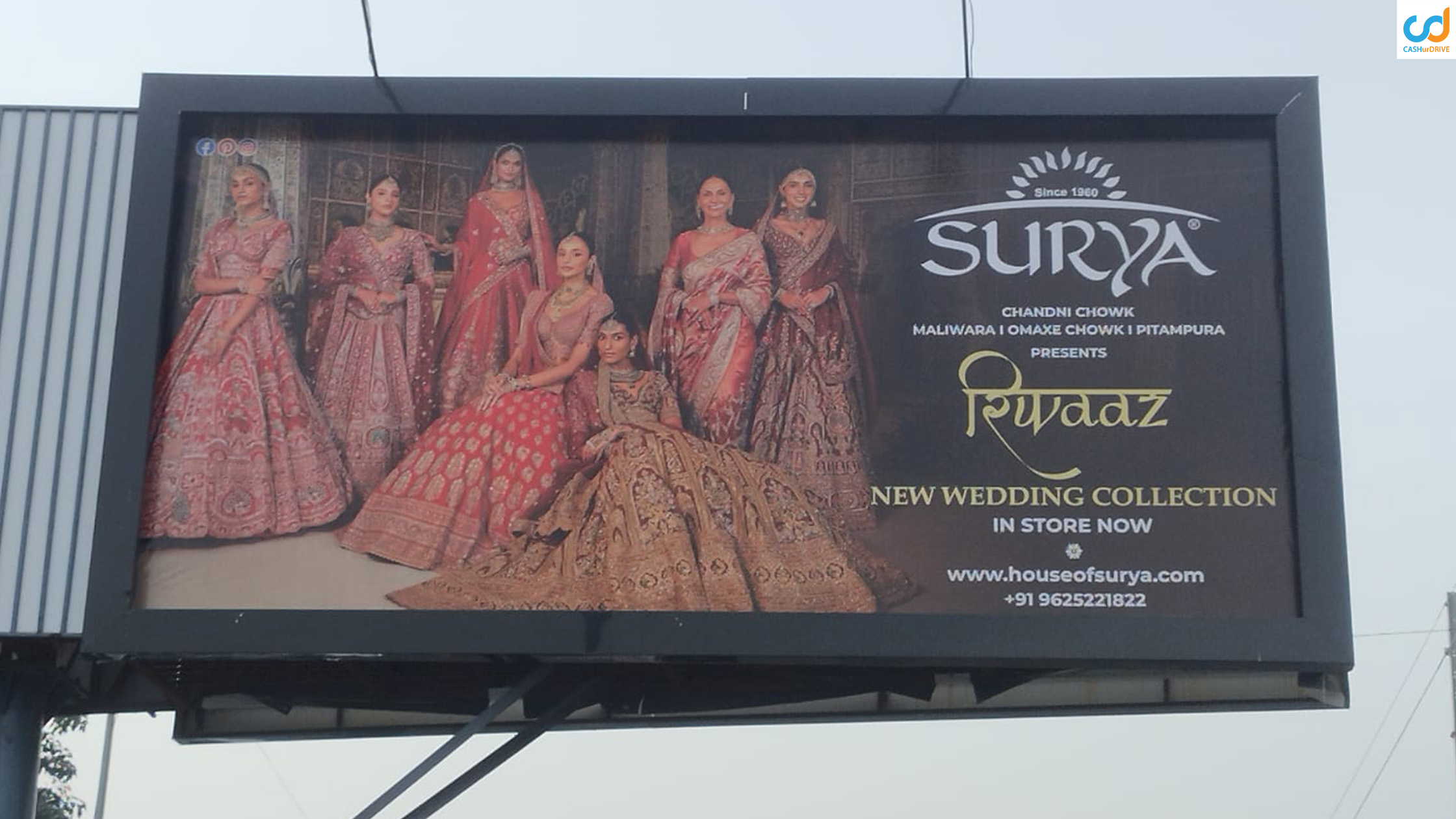
Impactful Advertising During the Festive Season: Why OOH Carries the Weight
 By Annu
India’s best outdoor sites sold out early this year.
Festive season OOH advertising is outdoor media bought across the Ganesh Chaturthi to Diwali window, when shopper crowds swell on the street.
Quick answer: Outdoor works harder in festive weeks because the crowd itself grows. Shoppers head to markets, malls and metro stops far more often. Hoardings, buses, cabs and screens sit on those same routes. Online ad space, however, does not grow to match. Prices simply climb. A rupee therefore buys more eyes on the street in October than in a quiet month.
This piece covers that shift. It also covers formats, cost, measurement and booking dates.
The Festive Crowd Moves Outdoors
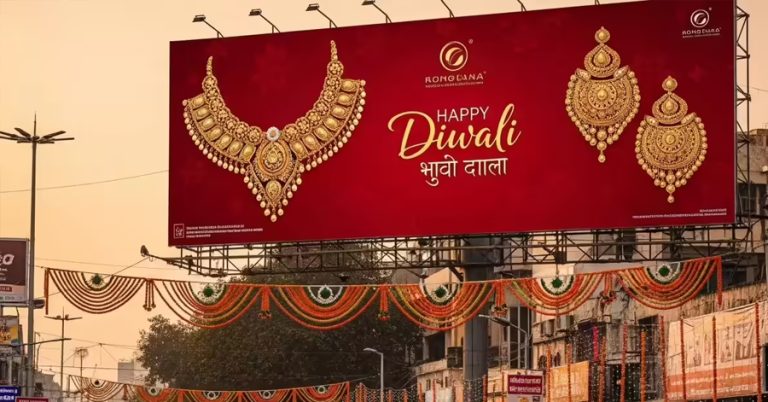
Why the audience grows
Above all, festival shopping happens in person. Families, for example, visit gold shops, phone stores and local markets.
Trips also run longer. Meanwhile, weekend travel climbs. The street crowd therefore grows for six to eight weeks.
No media plan creates that growth. Indeed, it simply happens. Outdoor sites then catch it on their own.
What the spend data shows
Storyboard18 reported in August 2026 that India’s OOH trade expects festive growth of 15 to 20 percent. Premium sites, in fact, have already sold out.
The record runs deeper. In fact, the FICCI-EY 2026 report puts OOH growth at 13 percent for 2025. In contrast, no other traditional medium grew that year. Moreover, it marked a third straight year of double-digit gains.
Times OOH deputy CEO Rohit Chopra has said the festive weeks bring in about 20 to 25 percent of the firm’s yearly OOH revenue. One quarter of the year therefore carrie s a quarter of demand.
Which Festive Formats do What
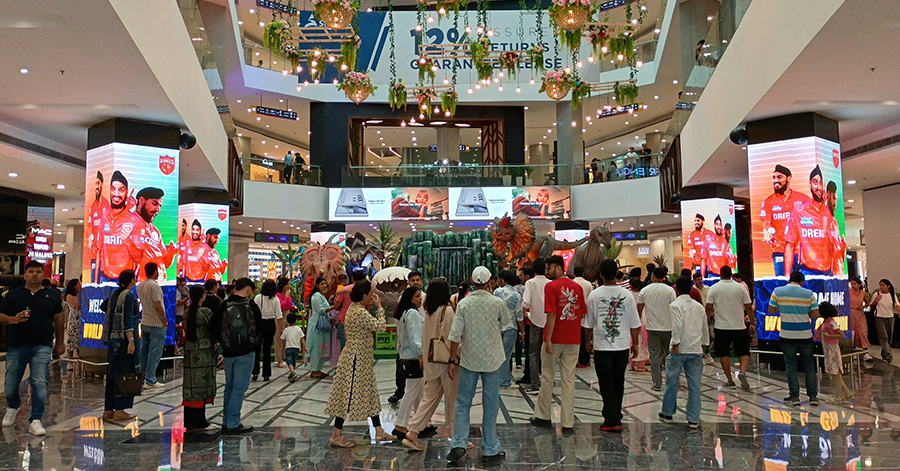
Festive plans usually mix four format families. Each one, in turn, solves a different problem.
Hoardings and billboards
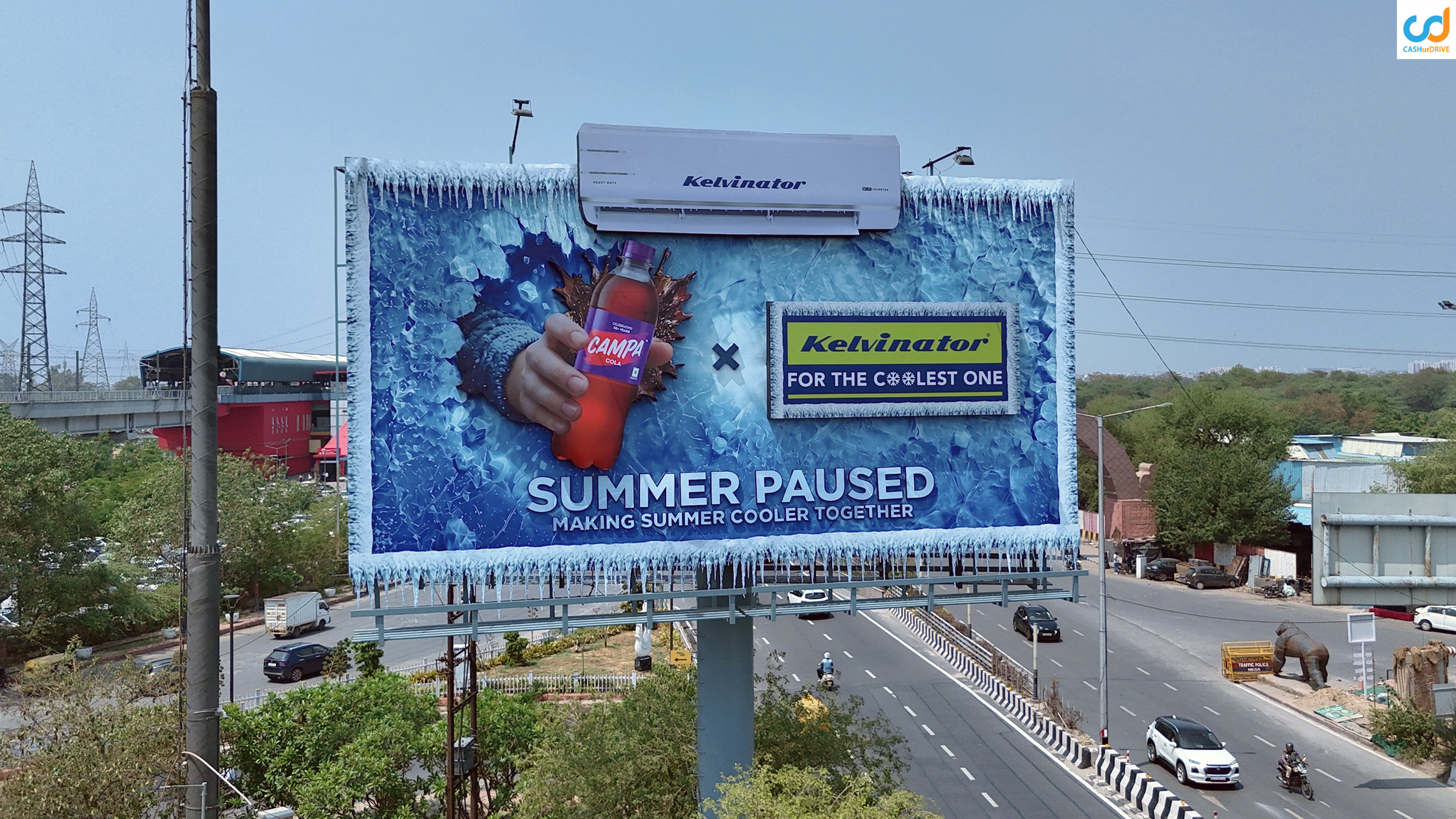
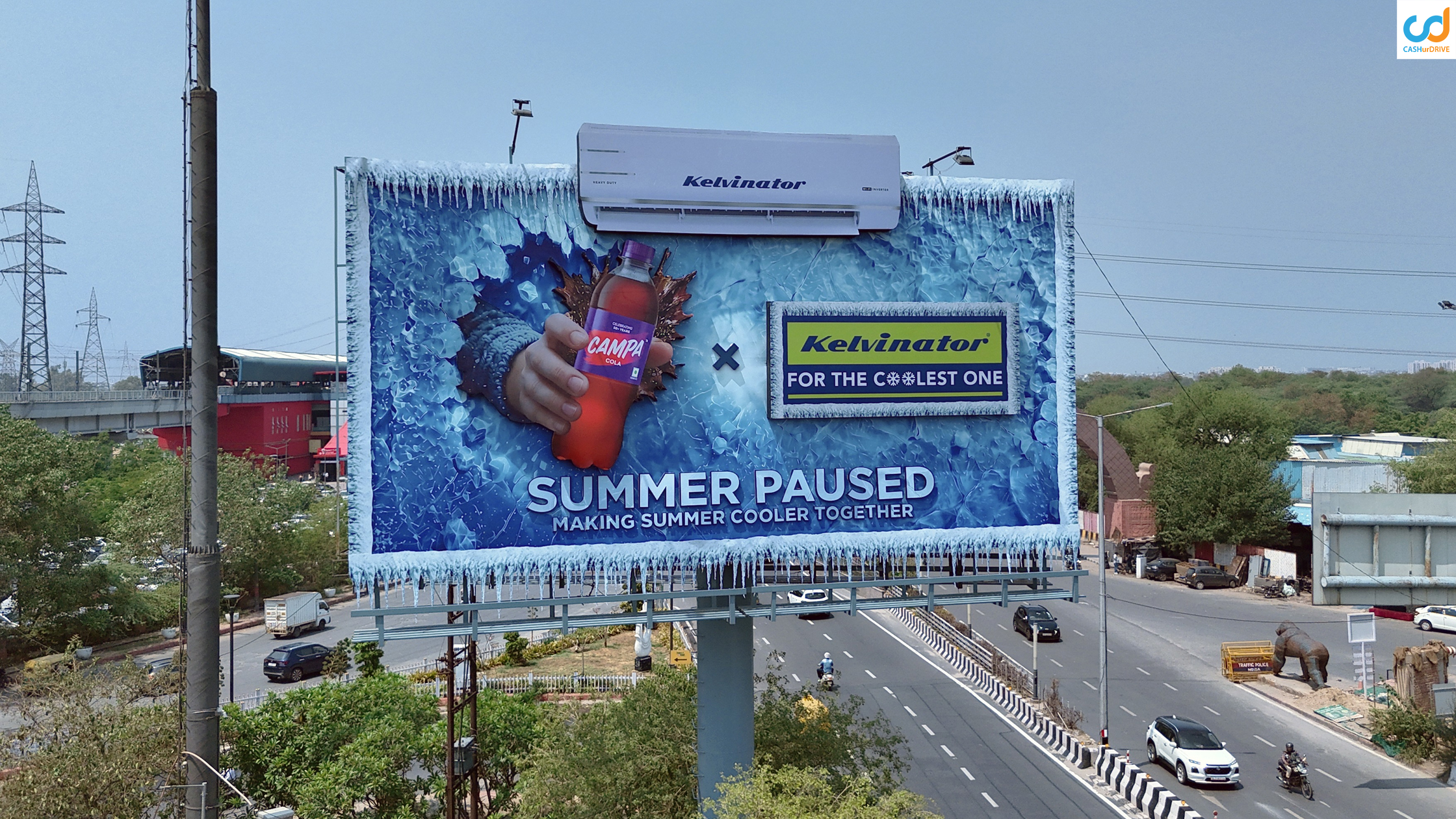
Big sites build fame at scale. For example, they suit a brand with one clear festive line. Sites near main roads also gain long dwell time in slow traffic.
Transit media
Transit moves to the crowd instead of waiting for it. Bus wraps, cab panels and auto ads cross many areas each day. Frequency therefore builds fast within a single week.
DOOH and place-based screens
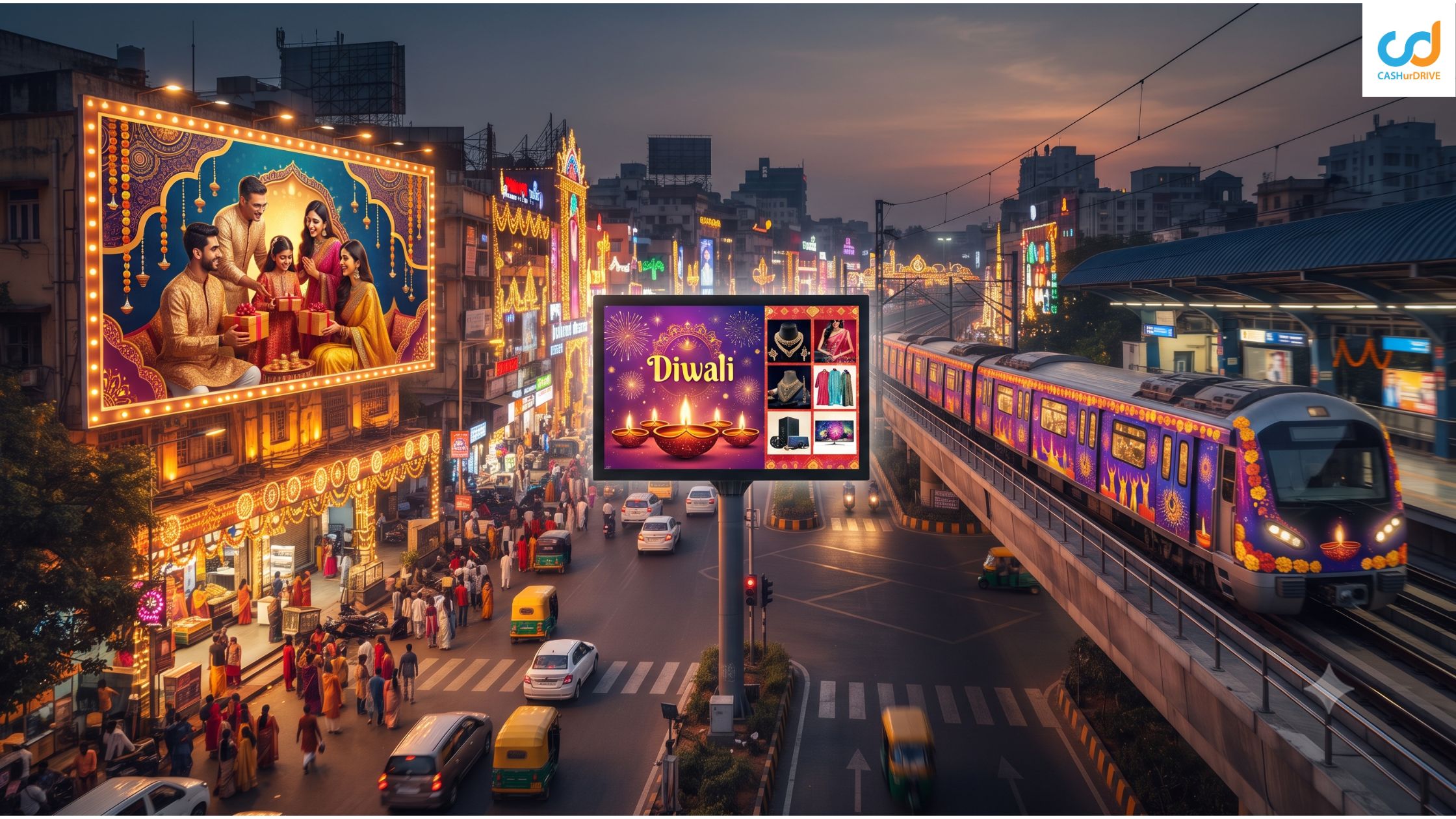
Digital out-of-home adds control over timing. Creative, for instance, can switch by hour, by day or by festival. A jewellery brand might run Dhanteras lines on Friday, then gifting lines on Sunday. The FICCI-EY 2026 report puts DOOH at 18 percent of India’s OOH market.
Place-based screens, meanwhile, sit inside malls, cinemas and airports. Specifically, they reach shoppers who have already chosen to spend.
Why Festive Attention Costs More Everywhere Except the Street
Of course, every medium turns pricier in festive weeks. The way that price moves, however, differs.
Online auction rates shift all day. Bids climb because more brands chase the same slots. A brand can plan in September and still overshoot by November. In short, the auction sets the rate after the money goes in.
Outdoor rates, in contrast, move once. Exchange4media reported in August 2026 that rates on prime Onam sites in Kerala rose 8 to 15 percent. Onam OOH spends grew 15 to 20 percent as well.
That rise, however, shows up before you sign. You book a site at a set rate for a set run. The cost then holds for the whole flight.
Above all, clear pricing matters when budgets peak. Our comparison of OOH advertising vs digital marketing covers the trade-off in more depth.
Proximity is the Impact Multiplier
Outdoor reaches people minutes from a buy. Online, on the other hand, reaches them days early and often at home.
That gap drives festive impact. A shopper passes a hoarding on the way to a market. Then she walks past branded cabs in the car park. Next, a screen inside the mall catches her eye. Each hit lands closer to the till.
Festivals are also deeply local. Ganesh Chaturthi belongs to Mumbai and Pune. Likewise, Navratri peaks in Gujarat. Durga Puja anchors Kolkata. Diwali runs across the country, though retail habits shift by city.
One national online creative struggles with that mix. Outdoor, by comparison, handles it with ease. Similarly, a brand can change copy by area, by language and by date.
Ganpati lines can run in Dadar while Diwali gifting lines run in Gurugram. One partner and one print line cover both.
| Expert Insight – PLACEHOLDER
Needs a real CashUrDrive festive flight: city, format mix, and observed footfall or branded search lift. Anirudh to supply. |
How Brands Measure Festive OOH Impact
Brands judge festive outdoor work on four signals.
First, reach counts how many people passed a site. Second, frequency tracks how often the same person passed it. Third, recall studies test whether the line stuck. Finally, footfall lift compares store visits across exposed and unexposed groups.
Mobile location data makes that last one work. Geofencing spots phones that enter a set zone around a site. A brand can then match those phones against later store visits.
CashUrDrive uses Atlas for this layer. Atlas first profiles the crowd around a site before the buy. It then tracks footfall after the run. A plan therefore rests on who truly passes a site, not on a rate card alone.
Agree the measure before you book. Bolt it on after Diwali and the numbers rarely hold up.
What a November Diwali Means for Booking
Diwali lands in November this year. Brands therefore gained extra weeks of runway.
That runway, however, has gone already. Storyboard18 reported that the trade has filled its premium sites. Overall, early demand ran hot this season.
Two things follow. First, what is left sits in the second tier of sites. Second, the live question is print speed, not site choice.
Festive artwork also changes late. Offers shift. Dates move. Print capacity therefore becomes the real limit in October.
CashUrDrive runs its own print unit. Capacity runs above one lakh square feet a day, across 45-plus cities. Late art changes stay in house instead of joining a vendor queue.
Choosing an OOH Advertising Agency for the Festive Season
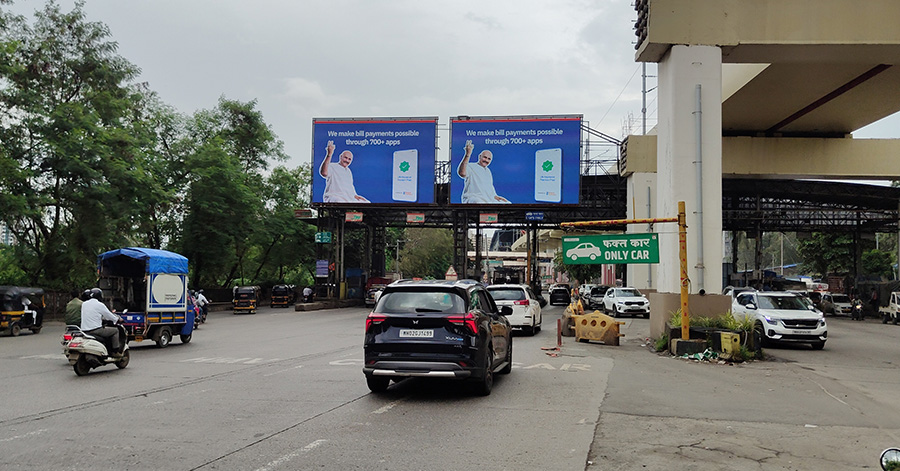
Festive work exposes the gap between agencies. Five questions sort them out.
Does the partner own sites or broker them?
Owned sites clear at once. Brokered sites wait on stock elsewhere, because stock tightens fast in October.
How quick is print?
An in-house press shortens the gap between signed art and a live site. Outside print, by contrast, adds a queue in peak weeks.
Is audience data ready before the buy?
Pick a site for the people who pass it. Audience profiling answers that question in advance.
Can the partner run several cities at once?
Festive plans rarely stay in one market. Multi-city work needs one point of accountability.
Who clears permits?
Civic approvals, structure checks and site permits sit behind every legal campaign. They should never reach the brand’s desk.
An agency that answers all five can take a late brief and still deliver. One that answers three cannot.
Frequently Asked Questions
Q1. Is OOH advertising effective during the festive season?
Festive season OOH advertising works well because the audience itself grows. Shoppers also spend far more time in markets, malls and transit hubs. India’s OOH trade expects festive growth of 15 to 20 percent in 2026, according to Storyboard18. Premium sites had already sold out before the season began.
Q2. When should brands book festive OOH advertising in India?
Book festive OOH sites eight to ten weeks before the target festival. Prime sites in Delhi NCR, Mumbai and Bengaluru go first. Diwali falls in November this year, so most first-tier stock went by September. A later booking usually means a second-tier site or a shorter run.
Q3. How much do festive OOH advertising rates rise?
Festive outdoor rates typically rise 8 to 15 percent on prime sites. Exchange4media reported that range for Onam stock in Kerala in August 2026. Unlike an online auction, the rise shows up before you book. The agreed rate then holds for the full campaign period.
Q4. Which OOH formats work best for festive retail?
Transit media and DOOH work best for festive retail. Bus, cab and auto formats, for example, build frequency across many areas each day. DOOH lets creative switch by festival date or by hour. Large hoardings near retail roads support both, since slow festive traffic holds attention longer.
Q5. How do brands measure festive OOH impact?
Brands measure festive OOH through reach, frequency, brand recall and footfall lift. Geofencing spots phones that passed a site, then matches them against later store visits. CashUrDrive tracks this through Atlas, which profiles the crowd around a site before the run and follows movement after it.
Conclusion
Festive impact turns on position, not volume. The crowd is already outdoors, already spending and already moving along fixed routes. Outdoor sits on those routes at a rate agreed in advance.
Overall, the rest is practical. Which areas matter, which formats carry frequency, how fast art reaches a site, and how you measure the result.
Request an OOH strategy consultation and get an Atlas audience read on your festive catchments before the next booking window closes.
Author: CashUrDrive Editorial Team
This article was produced with AI assistance and reviewed for factual accuracy and editorial quality by the CashUrDrive team.