D2C Festive Advertising: How Brands Can Use OOH and DOOH to Scale
 By Annu
D2C brands built their growth on digital advertising. However, the festive season changes the economics. Meta and Google CPMs rise 3-5x during October and November. Also, every D2C brand is bidding for the same audience. They all do this at the same time. So the brands that win are not always the biggest spenders.
OOH is how smart D2C brands in India break out of that trap. Specifically, outdoor advertising reaches the target audience outside the algorithm. It builds real-world brand presence. And it drives branded search – which makes digital campaigns more efficient, not less.
Why D2C Brands Are Rethinking the Festive Media Mix
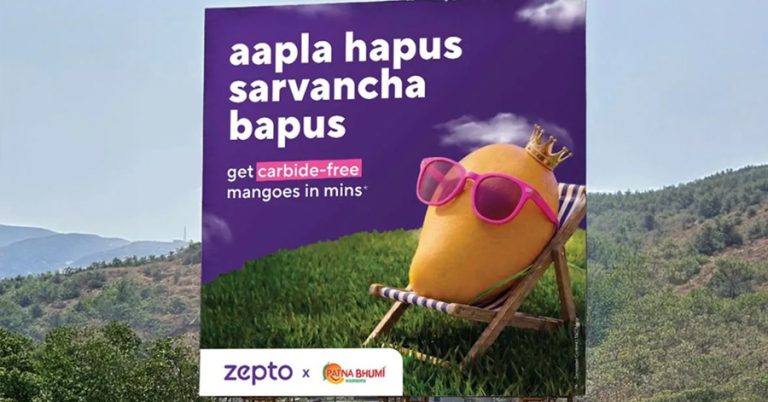
The festive season is the most important trading window for D2C brands in India. However, it is also the most expensive window for digital advertising. Specifically, CPMs on Meta and Google surge. FMCG, retail and e-commerce giants all flood the auction.
Moreover, D2C brands face a specific problem. Their core audience – urban, 18-35, online-first. This is also the most targeted demographic on every digital platform. So cost-per-click rises fastest precisely for the audience that D2C brands need most.
OOH, however, does not work on an auction. A bus wrap costs the same in October as it does in July. A metro station panel does not spike in price. However, your competitor running a Diwali campaign does not change the rate. As a result, OOH offers D2C brands a way to build festive presence. They do this without paying the platform premium.
What OOH Does for D2C That Digital Cannot
OOH solves three problems that digital advertising cannot. Furthermore, these three problems become most acute during the festive season.
Real-world credibility: D2C brands are, by origin, online-only. However, many consumers still trust physical presence. A brand on a bus, a metro station or a hoarding feels more established. So OOH is a credibility signal, not just a reach tool.
Escape from ad fatigue: By the time Diwali arrives, the target consumer has seen hundreds of festive digital ads. Consequently, banner blindness and ad fatigue are at their peak. OOH, however, is unavoidable. It is in the physical environment. Also, it cannot be skipped or blocked.
Branded search lift: When a consumer sees a D2C brand on OOH, they often search for it online. In fact, studies in India show OOH exposure can drive 15-30% lifts in branded search volume. This makes digital retargeting cheaper and more accurate.
For a broader look at why OOH belongs in the media mix, see OOH – the hype man of the media mix.
Planning a D2C festive campaign? Get an Industry-Specific OOH Media Strategy →
OOH Formats That Work Best for D2C Festive Campaigns
D2C brands have a specific audience: young, urban, commuter-heavy. As a result, the best formats reach this audience in motion. Static junctions alone are not enough.
|
Format |
Why it works for D2C |
Best D2C use case |
| Metro station branding | D2C’s core audience takes the metro. Dwell time at stations is long. Also, the format is premium, which lifts brand perception. | Fashion, beauty, personal care and consumer electronics D2C brands. Especially strong on commuter-heavy lines. |
| Cab and ride-share wraps | Reaches young urban professionals in a private, captive setting. Furthermore, the interior is close-up brand exposure. | Aspirational D2C categories: fashion, beauty, fintech, edtech. |
| DTC / BEST bus branding | High-frequency corridor coverage across city zones. Reaches SEC B/C audience at scale. | Broader D2C brands targeting mid-market urban consumers. |
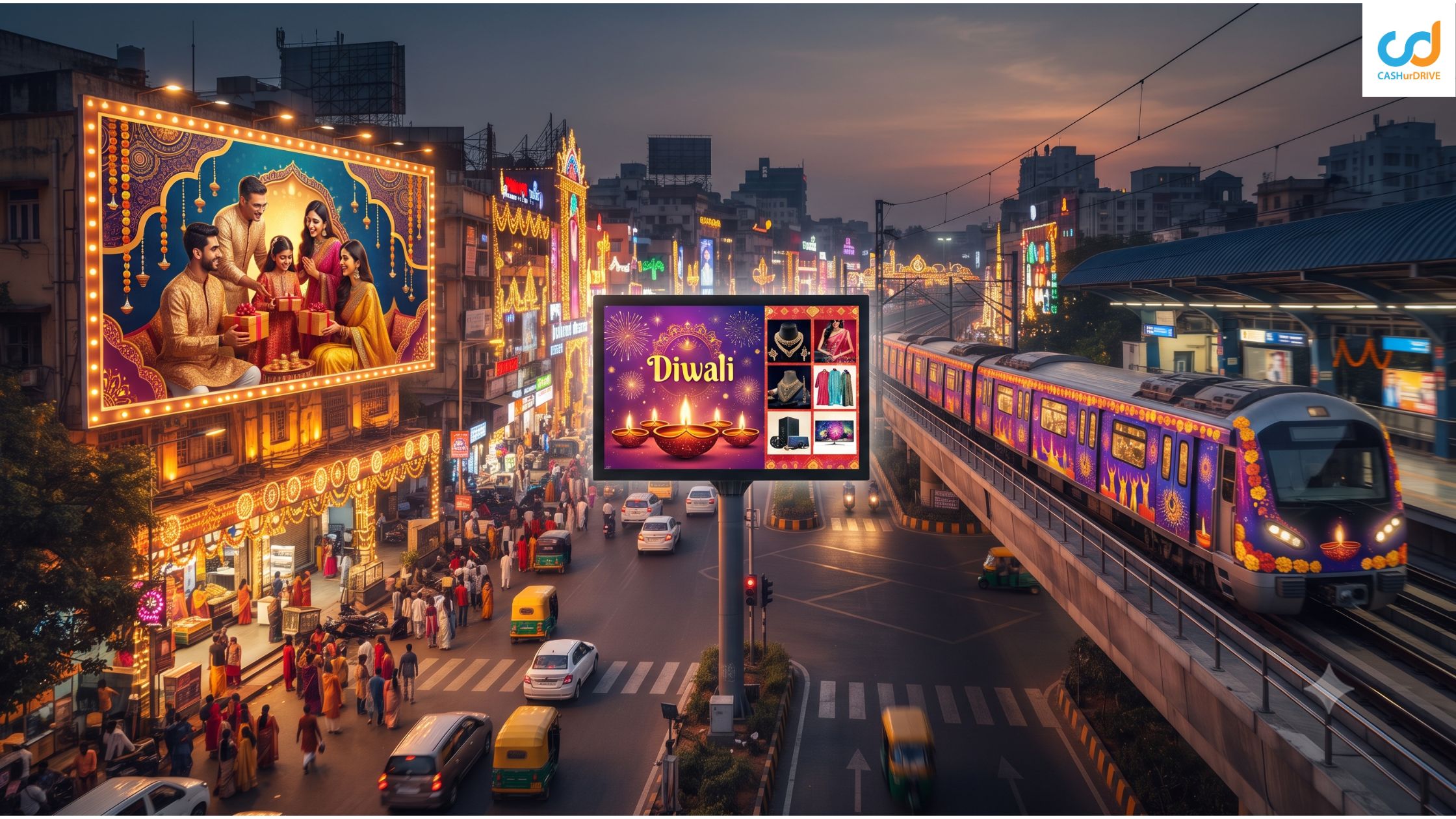
| DOOH at high-footfall zones | Creative flexibility for multiple SKUs or offers. Also reaches consumers in commercial and retail areas. | Seasonal offer creative, product launches, festive gifting. |
| Premium hoardings at key junctions | City-wide brand presence and credibility signal. Specifically, drives branded search from new audiences. | Brand awareness campaigns during festive peak. |
For format-specific rates and planning, see the full guide to OOH advertising.
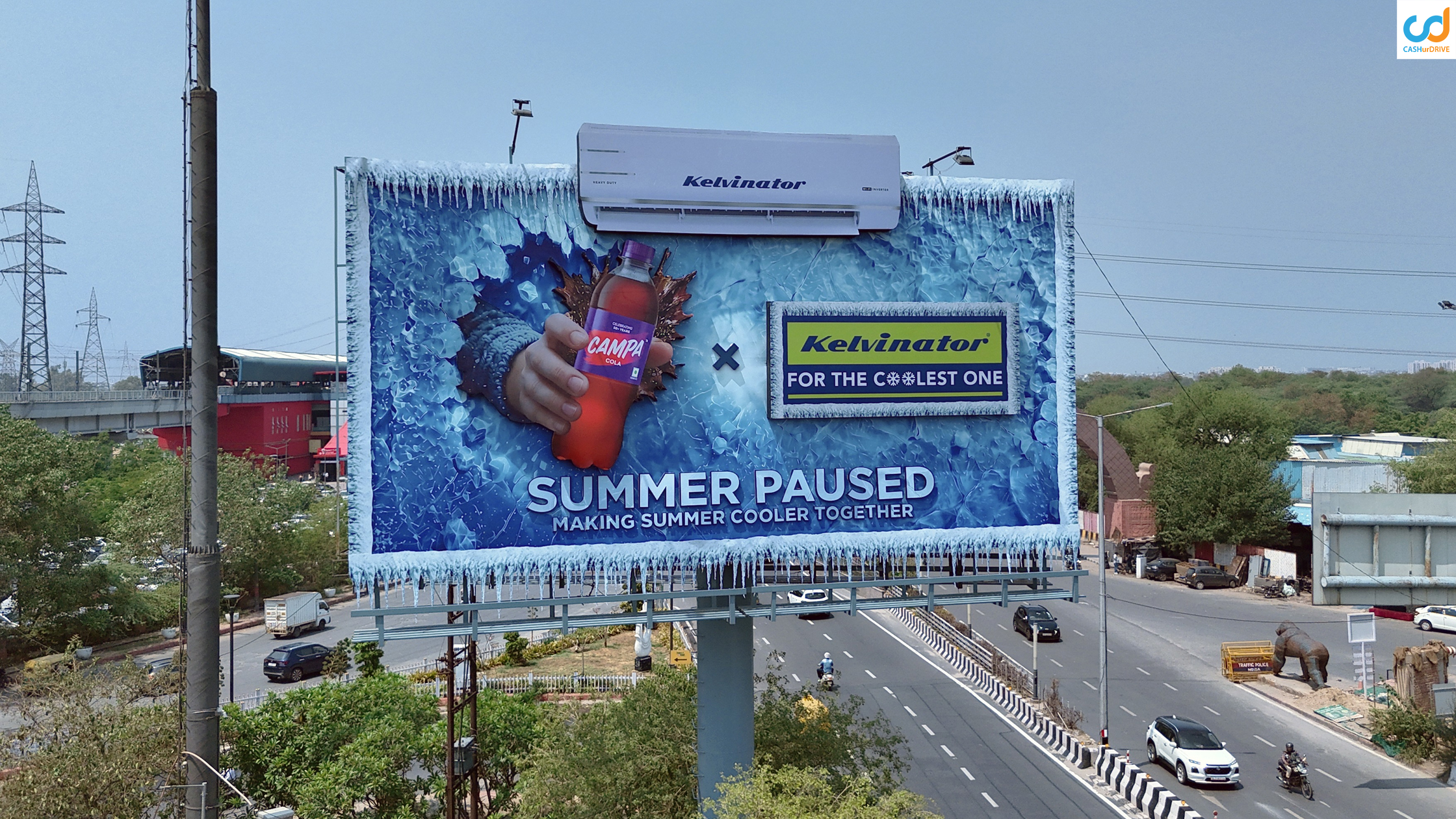
D2C brands often choose premium hoardings first because they look impressive. However, metro and transit formats reach the target audience more directly. In fact, the metro station is a better buy for most D2C categories. The landmark hoarding is not always the right call.
How DOOH Solves the D2C Creative Problem
D2C brands typically have large product catalogues. Also, they run multiple offers at once. Static OOH solves for one message. DOOH solves for all of them.
Specifically, DOOH gives D2C brands the ability to:
Rotate across SKUs: Show different products on the same screen at different times. Consequently, one DOOH placement can serve multiple product categories.
Run time-sensitive offers: Show a Diwali offer on 6-8 November. Then switch to a post-Diwali sale on 9 November. No reprint cost, no wasted inventory.
Go geo-specific: Run a different creative in Connaught Place than in Koramangala. Also, target different demographics by selecting the right screen network for each city zone.
Test and learn fast: Change the creative mid-campaign if the first version is not working. For example, a D2C brand can run two different product creatives in week one. Then it scales the better one.
For a detailed breakdown of DOOH formats and costs, see the guide to DOOH advertising.
The trade-off is cost. DOOH runs at 1.5x to 2x the rate of static sites. However, for D2C brands with multiple SKUs and time-sensitive offers, the flexibility justifies the premium. A single strong DOOH placement in a high-value commuter zone can outperform a static hoarding.
Budget Framework: D2C Festive OOH at Every Level
D2C brands come to OOH with very different budgets. However, the planning logic is the same at every level. Concentrate on the right audience zone, not spread thin.
Entry level: ₹5-15 lakh
At this level, focus on one city and one format. For example, 10-20 metro station panels on a commuter-heavy line in Delhi or Mumbai deliver strong branded impressions at a manageable cost. Also, a small cab wrap campaign in the target city zone adds close-up exposure.
Growth level: ₹15-50 lakh
At this level, combine metro or cab formats with one DOOH placement. The metro or cab delivers frequency to the target audience. The DOOH placement, however, gives creative flexibility for festive offers or SKU rotation. So the two formats work together rather than independently.
Scale level: ₹50 lakh and above
At this level, consider a two-city or three-city approach. Specifically, anchor each city around metro or transit reach for the D2C core audience. Add premium hoardings at one or two city-entry or arterial points for brand visibility. Also, layer DOOH at retail or commercial zones for in-store or online intent.
Regardless of budget level, a D2C brand should prioritise formats that reach 18-35 urban commuters. The general population is a lower priority. In fact, audience quality matters more than the total impression count.
The OOH-Digital Loop: Making Both Channels Work Harder
OOH and digital are not alternatives for D2C brands. Instead, they are multipliers. OOH exposure makes digital campaigns more efficient. Here is how the loop works.
OOH drives branded search
When a consumer sees a brand on a metro panel or a cab wrap, they often search for it later on. Specifically, this branded search becomes high-intent traffic. The brand’s digital campaigns can capture it at low cost. So the OOH spend makes the digital spend work harder.
OOH warms up retargeting audiences
D2C brands that geofence around their OOH sites can build a pool of exposed audiences. These people can then be retargeted on Meta and Google with product offers. As a result, the retargeting audience is warm, not cold. Conversion rates on these audiences are also typically higher.
For a full explanation of how transit OOH builds audience exposure, see the guide to transit media advertising.
OOH breaks the attribution problem
D2C brands are trained to optimize for last-click attribution. However, this leads to underinvestment in brand-building channels like OOH. In fact, that search-and-convert consumer may have acted because of an OOH exposure three days earlier. OOH rarely gets the credit. So OOH contributes to the sale even when it does not get the credit.
Frequently Asked Questions
Formats and Strategy
Q1. Which OOH format works best for a D2C festive campaign?
For most D2C brands, metro station branding and cab wraps deliver the best audience match. However, the right choice depends on the brand’s category and city. For fashion and beauty D2C, metro is strong. For broader consumer categories, bus branding and DOOH at commercial zones also work well. The key is reaching the 18-35 urban commuter, not the general population.
Q2. Should D2C brands use OOH or invest more in digital during the festive season?
Both. However, the question of ‘how much OOH’ depends on the brand’s digital cost situation. If Meta CPMs are rising steeply, OOH becomes more cost-efficient relative to digital. Also, OOH makes digital campaigns more efficient. It drives branded search and warms up retargeting audiences. So the two channels work together, not against each other.
Q3. What is the minimum budget for a D2C festive OOH campaign?
A meaningful OOH presence in one city is possible from around ₹5-15 lakh. For example, 10-15 metro station panels on a commuter-heavy line in Delhi or Mumbai gives strong exposure to the core D2C audience over 30 days. Cab wrap campaigns can also work at this level. However, the key is concentration in one zone rather than spreading across multiple formats.
Measurement and Planning
Q4. How do D2C brands measure the impact of a festive OOH campaign?
Branded search volume is the most reliable OOH signal for D2C brands. Specifically, compare branded search in campaign cities versus non-campaign cities during the festive window. Also, track website direct traffic and app installs by city during the campaign period. Geofencing tools can also build a pool of OOH-exposed audiences for retargeting.
Q5. When should a D2C brand book festive OOH inventory?
Metro station panels for Diwali should be booked 10-12 weeks out because DMRC’s approval process requires this lead time. Cab and bus formats need 4-6 weeks. So for Diwali 2026 (8 November), metro booking should begin in mid-August. Other formats should follow by mid-September. Brands that wait until October find the best panels already committed to other advertisers.
OOH Is Not the Alternative to Digital – It Is the Multiplier
D2C brands that wait and then double down on digital spend are making a costly mistake. They are competing on the most crowded and expensive auction of the year. Instead, the brands that add OOH to the mix reach their audience outside the algorithm. They also get more from their digital spend as a result.
Moreover, OOH builds something that digital advertising alone cannot: real-world brand presence. A consumer who sees your brand on a metro panel, a cab wrap and a hoarding thinks differently. They perceive it as more established than a brand they only see in a social feed. That perception carries into the purchase decision.
So the D2C festive media mix is not digital or OOH. It is both, working together. OOH builds the audience. Digital converts it.
Get an Industry-Specific OOH Media Strategy
Author: CashUrDrive Editorial Team
This article was produced with AI assistance and reviewed by the CashUrDrive editorial team.