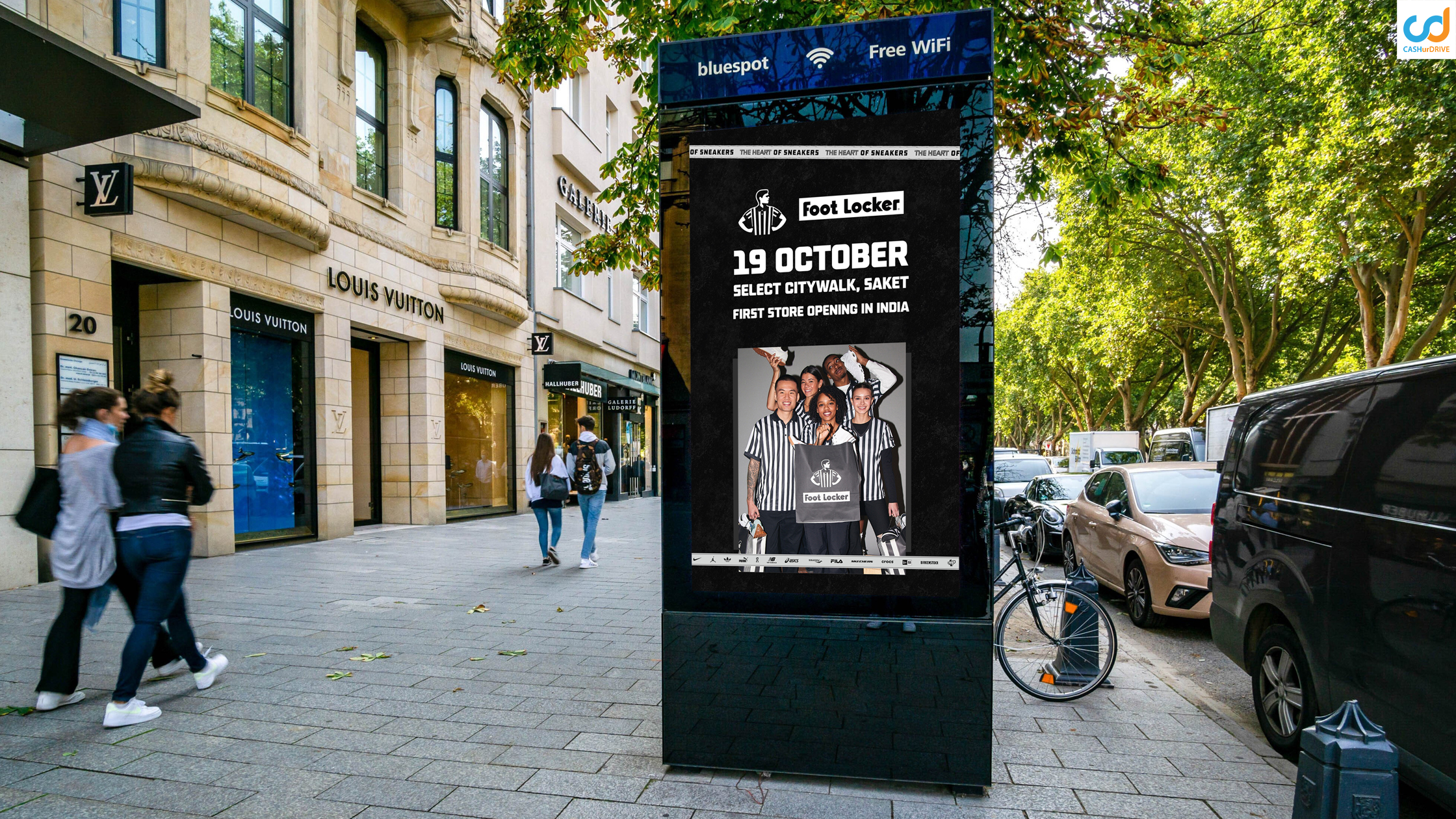
Festive OOH Campaign Checklist: 15 Things Brands Must Plan Before Launch
 By Annu
The biggest OOH campaigns in India miss their festive window not because the creative is wrong. They miss it because the brief came too late. Also, the sites were already taken, the artwork specs were off, or display checks were never set up.
Ganesh Chaturthi is on 14 September. Navratri starts on 11 October. Diwali falls on 8 November 2026. The festive window is already open. Brands that execute well planned early. They are not the ones still briefing vendors in October.
This checklist covers every planning need for a festive OOH campaign in India, from strategy to post-campaign reporting.
Why Most Festive OOH Campaigns Run Into Problems Before They Launch
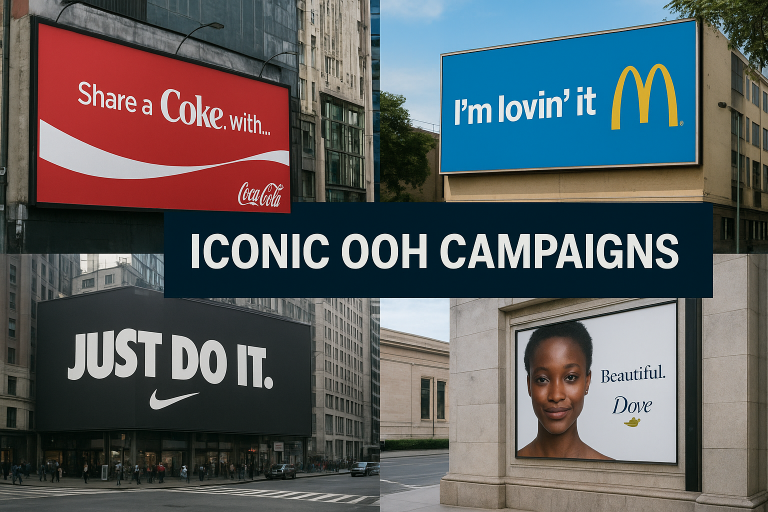
Festival seasons in India are the most busy OOH booking periods of the year. Premium sites – pandal approach roads, garba venue corridors, Diwali market zone hoardings, metro ads – commit months before the festival dates go public. Brands that plan early get the sites they want. Brands that plan late get what remains.
Beyond site booking, the most common problems are practical. Artwork arrives in the wrong size. Installs are not confirmed before the window opens. Permits are missing. No one set up display checks. None of these are creative failures – they are planning failures.
Good OOH campaign planning clears these problems before the brief reaches a vendor. The checklist follows the order in which you need to make decisions – not the order vendors typically raise them.
The 15-Point Festive OOH Campaign Checklist
Part 1: Strategy – Decisions That Must Come First
- Lock Your Festival Dates Before Anything Else
First, decide which festival the campaign targets. It could be Ganesh Chaturthi (14 September), Navratri (11–19 October), Diwali (8 November), or a multi-festival window. Each has different site stock, audience movement and format needs. Confirm the start and end date before briefing any vendor.
- Define the Target Audience by City and Neighbourhood
A festive OOH campaign that says ‘urban India’ is not brief. Define the target consumer profile, the cities, and the specific zones within each city. The more specific the area, the better. You can pick sites more precisely – and the audience match improves.
- Set the Campaign Objective Before Selecting a Format
Brand awareness, store footfall, app downloads, and product trial are all valid OOH goals. Each needs different formats and locations. A brand awareness campaign uses different sites from a local footfall campaign near retail outlets. Fix the goal first. Format choice follows from it.
- Agree on the Budget Range Before Approaching Vendors
Festive OOH campaigns can run at very different scales. Agree on a budget range internally before vendor talks begin. This stops the brief from growing or shrinking mid-process. Also, include production costs – printing, install, removal – not just the media rate.
Part 2: Inventory and Permissions – Decisions That Drive Lead Time
- Choose the Right Format for the Campaign Geography
Let geography and goal guide format choice. Hoardings and DOOH suit city-wide reach. Auto-rickshaw and bus formats work for local or corridor-level reach. Metro branding reaches captive premium commuter audiences. Wall painting is right for local presence. See the full format guide: transit media advertising.
- Verify That Your Preferred Locations Carry Your Target Audience
High traffic does not always mean the right audience. A road with mostly commercial traffic is, however, not the same as a commuter route with your target audience. Verify the audience mix at shortlisted sites through movement data or audience tools before confirming.
- Check Site Availability Earlier Than You Think
Mumbai’s premium Ganesh Chaturthi sites commit in July. Navratri garba venue zones in Ahmedabad need bookings by August. Diwali sites in Delhi and Mumbai go by September at the latest. By then, the best spots are often gone. So check site stock before the creative brief, not after.
- Confirm All Operator Permits and Municipal Approvals
Different formats need different permits. DMRC (Delhi Metro) ads need formal approvals through its commercial process. BEST and DTC bus branding goes through DIMTS and BEST’s own processes. Municipal hoardings need local body approvals in each city. Confirm which permits apply, and build the timeline into the schedule.
Need help shortlisting sites and checking availability for your festive campaign? Request a Custom Campaign Planning Checklist →
Part 3: Creative and Production – Where Execution Fails Most Often
- Build Adequate Creative Production Time Into the Schedule
Bus or auto wraps, hoarding prints, and DOOH uploads all have different lead needs. As a general guide, allow 3-4 weeks from creative sign-off to install. Also, during peak festive periods, printing capacity is shared across many campaigns – so lead times extend.
- Submit Artwork at the Correct Specs for Each Format
Every format has different size, resolution, bleed and file specs. You cannot resize a 40×20 ft hoarding file to fit a bus panel or metro pillar – it needs a redesign. Get the exact specs from each operator before the creative team starts. Consequently, late spec changes cause delays and missed install windows.
- Confirm the Install and Removal Schedule With the Operator
Know exactly when each site goes live and when it comes down. With bus and auto wraps, confirm which depot the vehicle uses and when wrapping is scheduled. Hoardings need an install date and crew access confirmed. For metro branding, DMRC schedules are installed within set windows. Unconfirmed slots are the most common reason campaigns go live late.
Part 4: Monitoring and Measurement – Set Up Before Launch, Not After
- Arrange Proof-of-Display Before the Campaign Starts
Proof-of-display means photos confirming each site is live, correctly installed, and showing the right creative. Set this with the operator before launch – not after. For multi-city campaigns, also confirm who is responsible for execution photos in each market and how quickly they share them.
- Plan Festival-Day-Specific Placements as Separate Bookings
Visarjan Day (25 September), Vijayadashami (20 October) and Diwali Eve (7 November) each create distinct high-movement moments. If these days matter to the campaign, plan placements for each one separately. Do not assume the general campaign booking covers them.
- Set Up a Post-Campaign Measurement Framework
Decide in advance how to review the campaign. Look at branded search lift, footfall changes at retail, QR scan rates, and digital results of those who saw the OOH. Set up this framework before launch – it produces useful data. Getting data after the campaign ends is rarely possible.
- Confirm Post-Campaign Reporting With the Operator
Ask each operator what reports they provide after the campaign ends: site photos, install records, duration on-air, impression estimates. Confirm the format and timeline before launch. Use this in internal reviews and to brief the next festive campaign.
What Brands Most Often Get Wrong
▌ EXPERT INSIGHT – Campaign Operations, CashUrDrive
The two items brands most often get wrong are items 7 and 11 – site stock and install scheduling. We work with brands that have a good creative, a clear budget, and a set geography, but have not checked if the preferred sites are still free. In the festive window, they often are not.
Item 11 is where well-planned campaigns miss their launch date. If a bus wrap is not on the depot’s schedule, it will not go live on time. No matter how good the creative is. Therefore, the install conversation must happen at the same time as site confirmation – not after.
Frequently Asked Questions
Q1. How far in advance should a festive OOH campaign be planned?
The general rule is 6-8 weeks for most formats. Metro branding and coach exterior wraps, which need operator scheduling, require 10-12 weeks. Diwali 2026 (8 November) planning should start in August. The Ganesh Chaturthi (14 September) conversation should have started in July.
Q2. What are the most common reasons festive OOH campaigns launch late?
The three most common causes are: preferred sites no longer being free when the booking is made, artwork not sent at the correct specs, and install not scheduled with the operator in advance. Earlier planning avoids all three.
Q3. Does this checklist apply to all OOH formats?
The checklist covers the planning needs common to all formats. These include strategy, audience, goal, budget, format choice, site booking, permits, creative, production, install, monitoring, and measurement. Some items have format-specific steps. For example, DMRC permits apply to metro branding, depot scheduling applies to bus and auto wraps, and local body approvals apply to hoardings. Tailor the relevant items to the formats in use.
Q4. How do brands measure the effectiveness of festive OOH campaigns?
Common approaches include branded search lift, QR scan rates, and footfall changes at retail locations. Also, track the digital results of those who saw the OOH campaign. Set up measurement frameworks before the campaign launches.
Q5. What is the difference between proof-of-display and campaign reporting?
Proof-of-display is confirmation that the campaign is live and correctly installed – typically execution photos submitted shortly after install. Campaign reporting is the post-campaign summary of where the campaign ran, for how long, and any available performance data. Agree both with the operator before the campaign starts.
Use This Checklist for Every Festive Campaign
In short, the 15 items above cover the decisions, checks and steps that separate festive OOH campaigns that launch on time from those that don’t. None need a large budget. All need early planning.
The festive season planning window is shorter than it looks on the calendar. So start with the checklist. Work backwards from the festival date.
Download / Request a Custom Campaign Planning Checklist
Author: CashUrDrive Editorial Team
This article was produced with AI assistance and reviewed by the CashUrDrive editorial team.